Hamas's Khalil al-Hayya calls Israeli strikes in Gaza unacceptable
The senior Hamas official said the group is consulting other Palestinian factions on how to respond, and criticised the Board of Peace and Arab parties for staying silent.
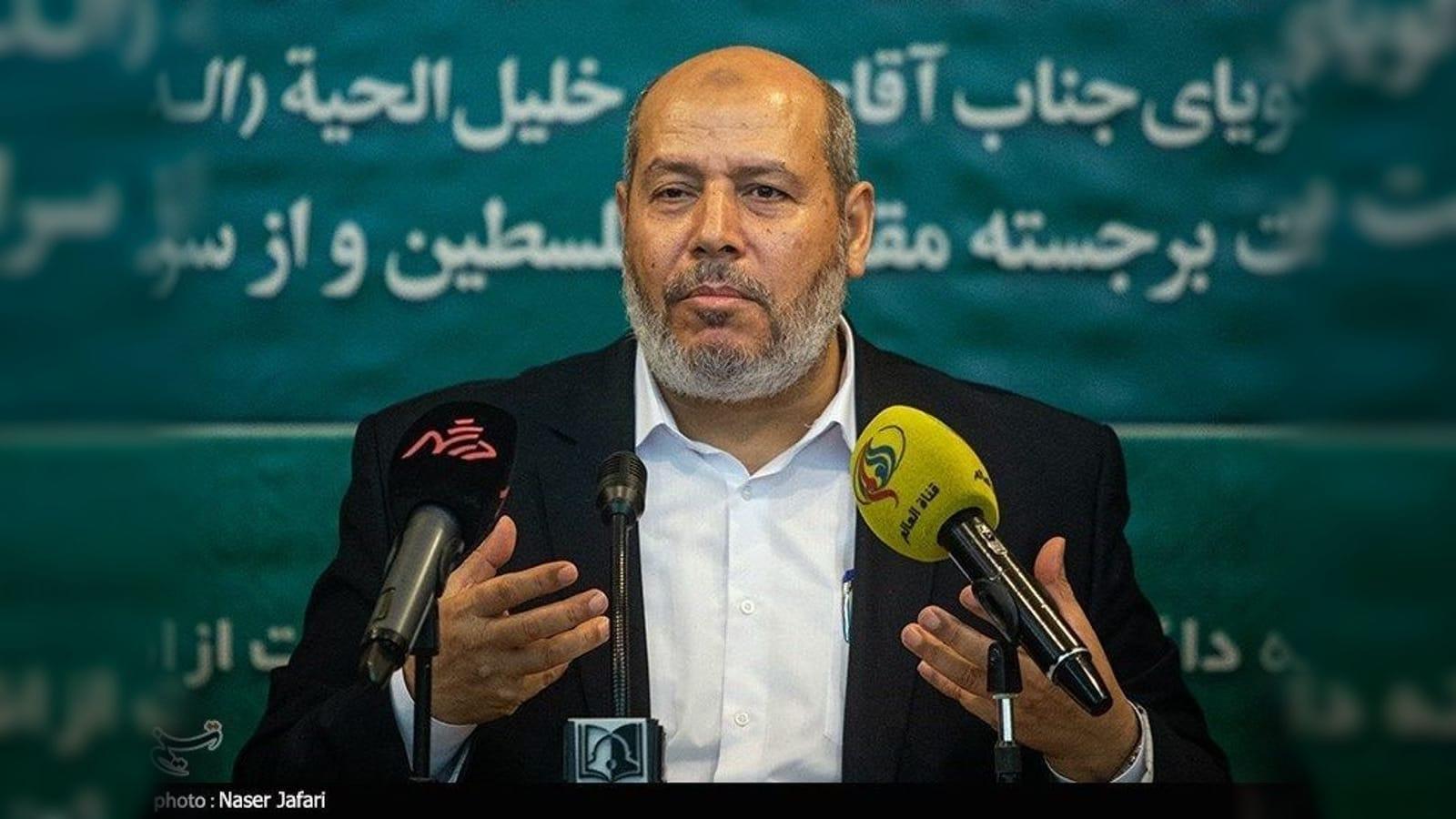
Khalil al-Hayya. צילום ארכיון: Naser Jafari, CC BY 4.0, מתוך ויקישיתוף.
הכתבה המלאה עדיין לא נכתבה בעברית, ולכן היא מובאת כאן באנגלית.
Khalil al-Hayya, a senior leader of Hamas, said on Thursday that continued Israeli strikes in the Gaza Strip are unacceptable and that his movement is in talks with other Palestinian factions about how to respond. The Times of Israel reported that the Hamas chief described the ongoing strikes as something that "cannot be accepted".
According to a statement carried by the Israeli broadcaster N12, al-Hayya objected to what he called an equation of killing and siege continuing while an agreement is in force. He said Palestinian blood is precious and directed criticism at the Board of Peace and at Arab parties to the agreement, saying their silence in the face of what he termed Israeli crimes was unacceptable. Kan News, Israel's public broadcaster, reported that al-Hayya said Hamas would not stand idly by in the face of a series of Israeli targeted killings, and that it would discuss with the Palestinian factions how to react.
מה פרסמו המקורות


מנהיג חמאס חליל אל חיה: לא נעמוד בחיבוק ידיים מול רצף החיסולים מצד ישראל, נדון עם הפלגים הפלסטיניים כיצד להגיב @guyelster kan.org.il/content/kan-ne…
Who Khalil al-Hayya is
Al-Hayya is one of the most senior figures in Hamas, the Islamist movement that ran Gaza before the war and is designated a terrorist organisation by Israel, the United States and the European Union. The reports describe him in slightly different terms. N12 calls him the head of Hamas's political bureau, the body that handles the movement's political and diplomatic affairs, while The Times of Israel refers to him as the Hamas chief and Kan calls him the Hamas leader. He has been a central figure in the movement's dealings with mediators over Gaza.
The agreement and the Board of Peace
The agreement al-Hayya refers to is the ceasefire arrangement for Gaza. The reports do not spell out its terms. The Board of Peace is the international body set up under the United States-backed plan for ending the Gaza war, intended to oversee arrangements for the territory after the fighting. By naming it alongside Arab parties to the deal, al-Hayya was addressing the bodies Hamas regards as responsible for holding Israel to the agreement, and accusing them of failing to act.
השבוע בישראל בחמש ידיעות, בכל יום שישי
מקורות ובדיקה של מערכת Israel.com, עם זמני השבת. חינם, ואפשר להפסיק בלחיצה אחת.
רשימת תפוצה אחת. אפשר לבטל את ההרשמה בלחיצה. הפרטים במדיניות הפרטיות שלנו.
The Hebrew word Kan used for the Israeli actions, chisulim, is the standard Israeli term for targeted killings, usually strikes aimed at specific militants or commanders. Al-Hayya's complaint, as reported, concerns such strikes continuing while the ceasefire is formally in place.
Different emphasis in the reports
The three organisations agree that al-Hayya rejected the strikes and that Hamas is consulting other factions. They differ in tone on what that consultation is for. In the version reported by N12, Hamas is holding talks with Palestinian forces and factions to examine ways of dealing with what it calls Israeli violations of the agreement and a policy of daily killing. In the version reported by Kan, the talks are about how to respond, paired with a pledge not to stand idly by. The second framing reads as more confrontational, while the first leaves room for political or diplomatic steps. The reports do not indicate which wording is closer to his original remarks, and neither says whether he spoke in a speech, an interview or a written statement.
How this fits the wider picture
The remarks are a statement by a Hamas official and reflect the movement's own position. They do not establish the facts of any particular strike. None of the three reports includes an Israeli account of recent military activity in Gaza or a response from the Israel Defense Forces (IDF) to al-Hayya's accusations. Israel has said in the past that it acts against militants who threaten its forces or violate ceasefire terms, but no Israeli statement on these specific remarks appears in the material.
What the reports do not say
- Which strikes or killings al-Hayya was referring to, and when they took place.
- Whether the IDF or the Israeli government has responded to his accusations.
- Whether the Board of Peace or any Arab party to the agreement has replied to his criticism.
- Which Palestinian factions are taking part in the consultations, and what options they are weighing.
- Where and in what format al-Hayya made the remarks.
להמשך קריאה
למדור ביטחון →


אפשר לראות את Israel.com במקום הראשון בכתבות המובילות של Google.הוספה כמקור מועדף ב־Google
מקורות וקריאה נוספת
כשכתבנו את העמוד פתחנו ובדקנו כל קישור שמופיע בו. הודעות רשמיות מסומנות בהתאם: זו הגרסה של הגורם שפרסם אותן ולא דיווח עצמאי.
- כתבותtoitimesofisrael.comThe Times of Israel
- כתבותkeshett.meN12
- כתבותkanx.comKan News on X
איך בדקנו את זה
The Times of Israel, N12 and Kan News all reported al-Hayya's remarks; the fuller wording on the Board of Peace and Arab parties comes from N12 alone. His accusations against Israel are his own claims and have not been independently verified.
מדיניות המקורות והתיקונים שלנו →השבוע בישראל, במייל אחד
הכתבות החשובות, עם מקורות ואחרי בדיקה של מערכת Israel.com. חינם, פעם בשבוע, ואפשר להפסיק בלחיצה אחת.
רשימת תפוצה אחת. אפשר לבטל את ההרשמה בלחיצה. הפרטים במדיניות הפרטיות שלנו.
הכתבות האחרונות

איור
איור

איור
צילום ארכיון
צילום ארכיון
צילום ארכיון