Haredi protesters block Route 4 near Bnei Brak over arrests of deserters
Ultra-Orthodox demonstrators shut a major highway near Givat Shmuel on Saturday night before police dispersed them, as tension over military conscription continues.
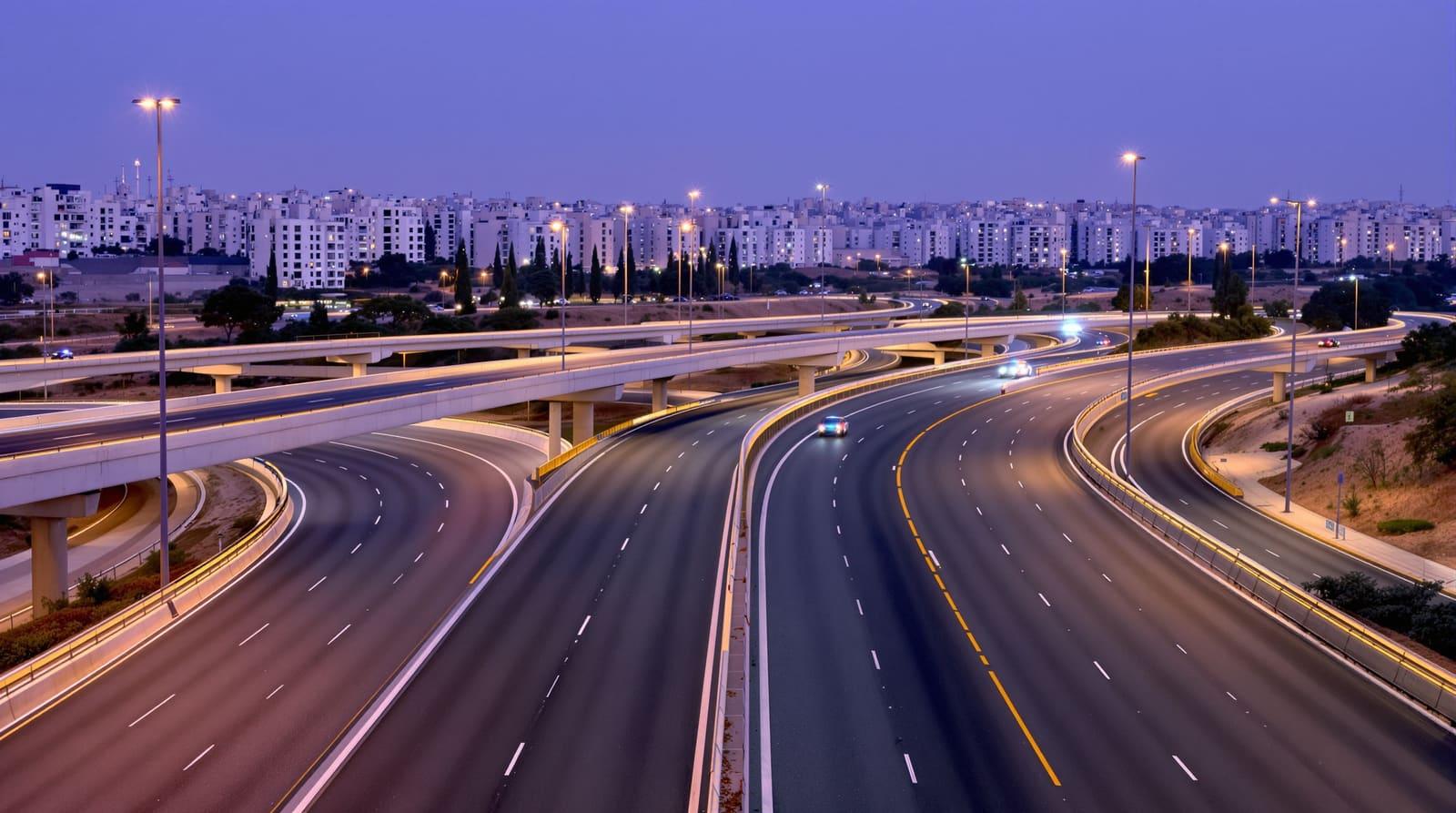
איור שנוצר בבינה מלאכותית, לא צילום של האירועים.
הכתבה המלאה עדיין לא נכתבה בעברית, ולכן היא מובאת כאן באנגלית.
Ultra-Orthodox protesters blocked Route 4, one of central Israel's main highways, near the city of Bnei Brak on Saturday night in a demonstration against the arrest of men classed as military deserters. Ynet reported in a breaking alert that dozens of Haredim had blocked the road, describing the action as unannounced.
Other outlets placed the blockade at the Givat Shmuel interchange. Kan, the Israeli public broadcaster, reported that police dispersed the protesters and that the highway was reopened to traffic. No injuries or arrests at the scene were mentioned in any of the reports.
מה פרסמו המקורות


חרדים חסמו את כביש 4 באזור גבעת שמואל במחאה נגד הגיוס; המשטרה פיזרה את המפגינים והכביש נפתח לתנועה @daniel_grovais
Who was protesting
Haredim, often rendered in English as ultra-Orthodox Jews, are a strictly religious community whose men have for decades largely avoided service in the Israel Defense Forces (IDF), typically by enrolling in full-time religious study in yeshivas. The question of whether and how to draft them has become one of the most divisive issues in Israeli public life, and street protests by Haredi groups against conscription have become a recurring sight.
The reports differ in how they describe the demonstrators. N12, a major Israeli television news outlet, citing its correspondent Eli Hirshman, called them extremist Haredim and said it had footage of the blockade. Ynet, Kan and News.co.il described the protesters simply as Haredim, without that qualifier. None of the reports named an organising group.
What a "deserter" means in this context
In Israel, military service is compulsory for most Jewish citizens. A young man who receives a call-up order and does not report can be classified by the army as a deserter, and the military police may detain him. For Haredi men who decline to enlist on religious grounds, such arrests are a central grievance, and detentions of yeshiva students have repeatedly prompted protests of this kind.
השבוע בישראל בחמש ידיעות, בכל יום שישי
מקורות ובדיקה של מערכת Israel.com, עם זמני השבת. חינם, ואפשר להפסיק בלחיצה אחת.
רשימת תפוצה אחת. אפשר לבטל את ההרשמה בלחיצה. הפרטים במדיניות הפרטיות שלנו.
Here too the sources frame the motive slightly differently. Ynet and N12 said the demonstration was specifically against the arrest of deserters. Kan described it more broadly as a protest against the draft. News.co.il reported the blockade without stating the cause. The reports do not say whether a particular arrest that day set off the protest.
Where it happened
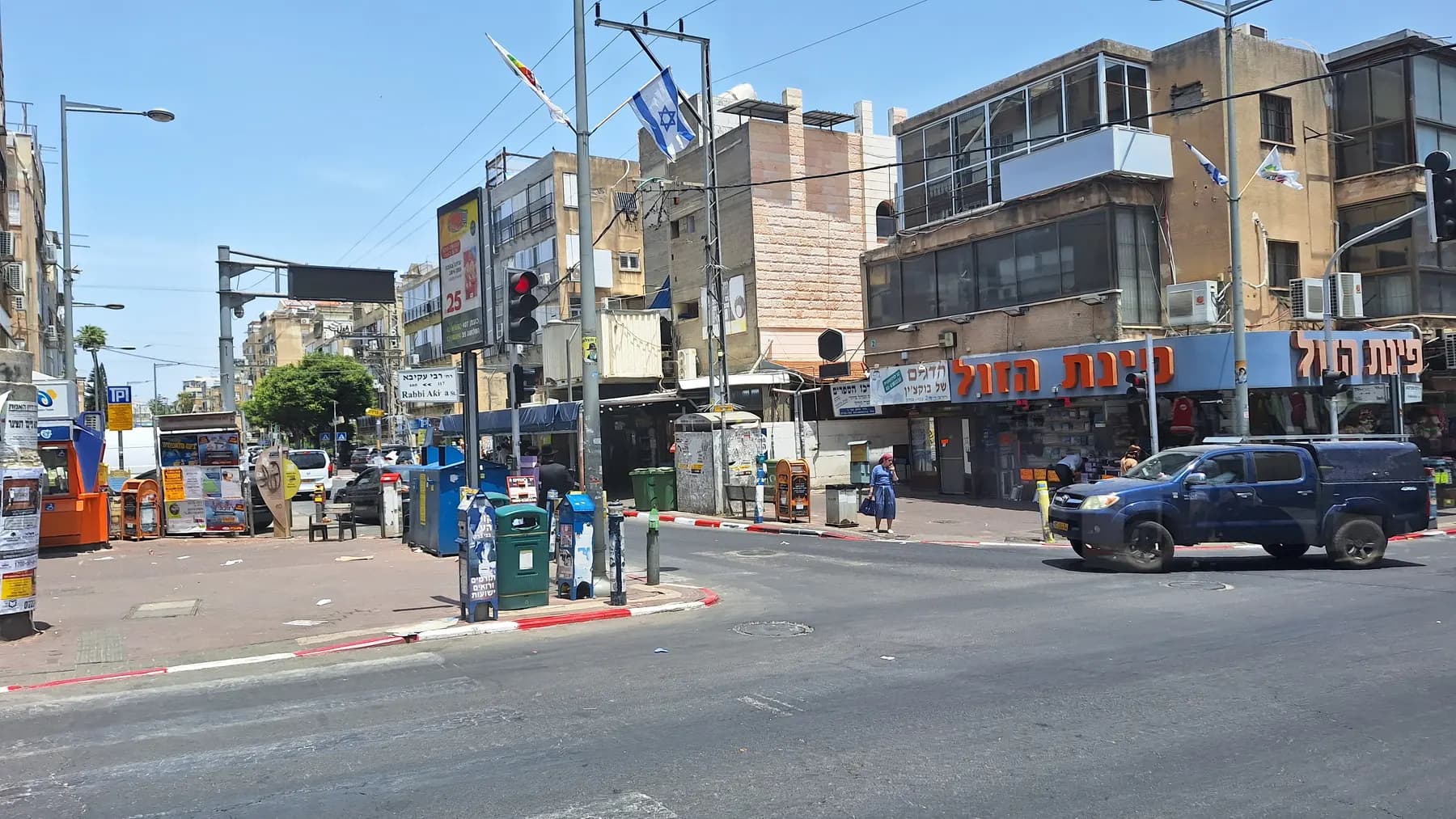
Route 4 is a major north-south road running through the densely populated coastal plain, and the stretch in question passes through the Tel Aviv metropolitan area. Bnei Brak, just east of Tel Aviv, is one of the largest predominantly Haredi cities in the country. Givat Shmuel is a smaller city bordering it, and the interchange that bears its name sits on Route 4 close to Bnei Brak. Ynet's placement of the protest near Bnei Brak and the Givat Shmuel location given by Kan and News.co.il therefore describe the same area rather than conflicting accounts.
איור
הכתבה הבאה חירום
10 פצועים, אחד מהם קשה, בתאונה בין כמה רכבים בכביש 79 ליד נצרת
Blocking highways is a tactic that Haredi anti-draft activists have used before, because closures of busy arteries in the centre of the country cause wide disruption and draw quick media attention. Police typically respond by clearing the road, which is what Kan reported happened in this case.
How the event was reported
All four organisations published short alerts within a few minutes of one another on Saturday night. Ynet, N12 and News.co.il posted the first reports while the road was still blocked. Kan's report, which came later, was the only one to say the protest had been broken up and the road reopened. N12 also posted an edited version of its alert that accompanied a photograph of the scene.
What the reports do not say
- How long the road was closed, and how many protesters took part beyond Ynet's description of dozens.
- Whether police detained anyone or used force in clearing the highway, and whether there were injuries.
- Which arrests prompted the demonstration, and whether any group or rabbinical figure organised or endorsed it.
- Any statement from the Israel Police or the IDF about the blockade.
Rakoon / CC0 · Wikimedia Commons
להמשך קריאה
למדור משפט ופלילים →
איור
יהדות
הליכוד מכחיש את התדריכים האנונימיים על ויתור על המפלגות החרדיות
איור
תחבורה
הפגנת החרדים בנתב"ג הסתיימה ושער לוד-פתח תקווה נפתח מחדש לתנועה
צילום ארכיון
פוליטיקה
בנט דחה את המגעים הקואליציוניים עם איזנקוט ודורש לראות את מתווה גיוס החרדים
איור
משפט ופלילים
מפגינים חרדים חסמו צומת בירושלים במחאה על מעצרי עריקים
אפשר לראות את Israel.com במקום הראשון בכתבות המובילות של Google.הוספה כמקור מועדף ב־Google
מקורות וקריאה נוספת
כשכתבנו את העמוד פתחנו ובדקנו כל קישור שמופיע בו. הודעות רשמיות מסומנות בהתאם: זו הגרסה של הגורם שפרסם אותן ולא דיווח עצמאי.
- כתבותyediotht.meYnet alerts
- כתבותnewssilt.meNews.co.il
- כתבותnewssilt.meNews.co.il
- כתבותkeshett.meN12
- כתבותkeshett.meN12
- כתבותkanx.comKan News on X
איך בדקנו את זה
The blockade of Route 4 was reported by four organisations: Ynet, N12, News.co.il and Kan. The protester count comes only from Ynet, the 'extremist' description only from N12, and the police dispersal and reopening only from Kan.
מדיניות המקורות והתיקונים שלנו →השבוע בישראל, במייל אחד
הכתבות החשובות, עם מקורות ואחרי בדיקה של מערכת Israel.com. חינם, פעם בשבוע, ואפשר להפסיק בלחיצה אחת.
רשימת תפוצה אחת. אפשר לבטל את ההרשמה בלחיצה. הפרטים במדיניות הפרטיות שלנו.
הכתבות האחרונות
צילום ארכיון · Chris Gallimore / Unsplash
צילום ארכיון
צילום ארכיון

צילום ארכיון
איור
צילום ארכיון
