Iran's Araghchi says Hormuz stays shut until US meets seven conditions
Iran's foreign minister said indirect messages with Washington continue, but an understanding reached in Islamabad is off the table and uranium removal is a red line.
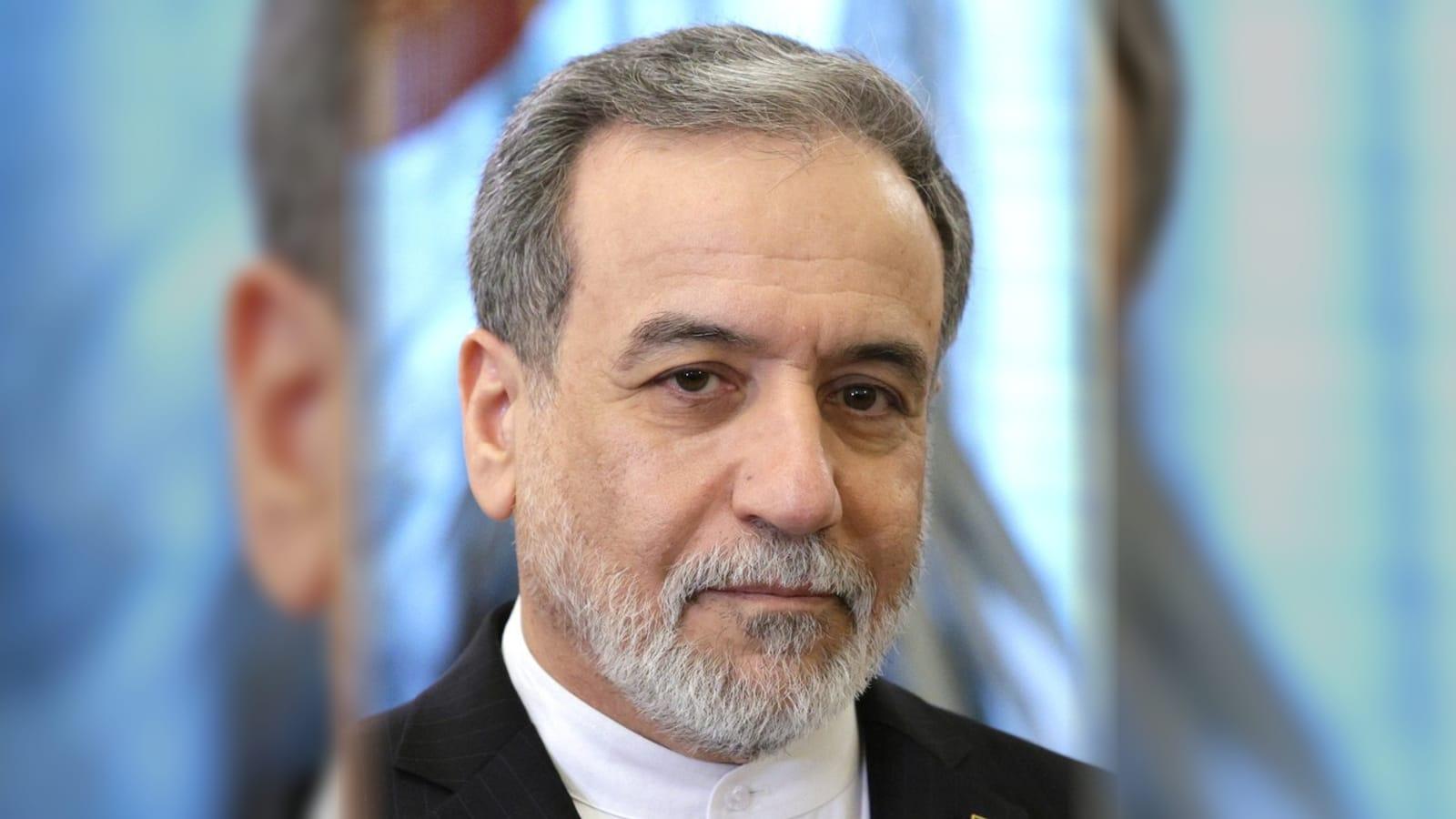
Abbas Araghchi. צילום ארכיון: kremlin.ru, CC BY 4.0, מתוך ויקישיתוף.
הכתבה המלאה עדיין לא נכתבה בעברית, ולכן היא מובאת כאן באנגלית.
Iran's foreign minister, Abbas Araghchi, said in an overnight interview that Tehran and Washington are still passing messages to each other through intermediaries. He also said that a memorandum of understanding reached in Islamabad no longer stands, according to a summary of the interview posted by Abu Ali Express, a Hebrew-language Telegram channel that follows Arab and Iranian affairs.
In the same account, Araghchi is reported as saying that the Strait of Hormuz will stay closed until the United States responds to seven conditions set by Iran, and that removing enriched uranium from Iranian territory is one of Tehran's red lines. Separately, The Times of Israel reported that Araghchi said China and Russia oppose any change to Iran's professed rejection of nuclear weapons.
What Araghchi said about talks with Washington
According to the Abu Ali Express summary, Araghchi described the channel with the United States as indirect: the two sides are exchanging messages via mediators rather than meeting face to face. He said Washington had not yet answered an Iranian proposal, and that the American side would need to shift its position if it is serious about reaching a deal.
He also referred to a memorandum of understanding reached in Islamabad, the capital of Pakistan, and said it is no longer on the table. The summary does not describe what that memorandum contained, who signed it or why it lapsed.
The Strait of Hormuz
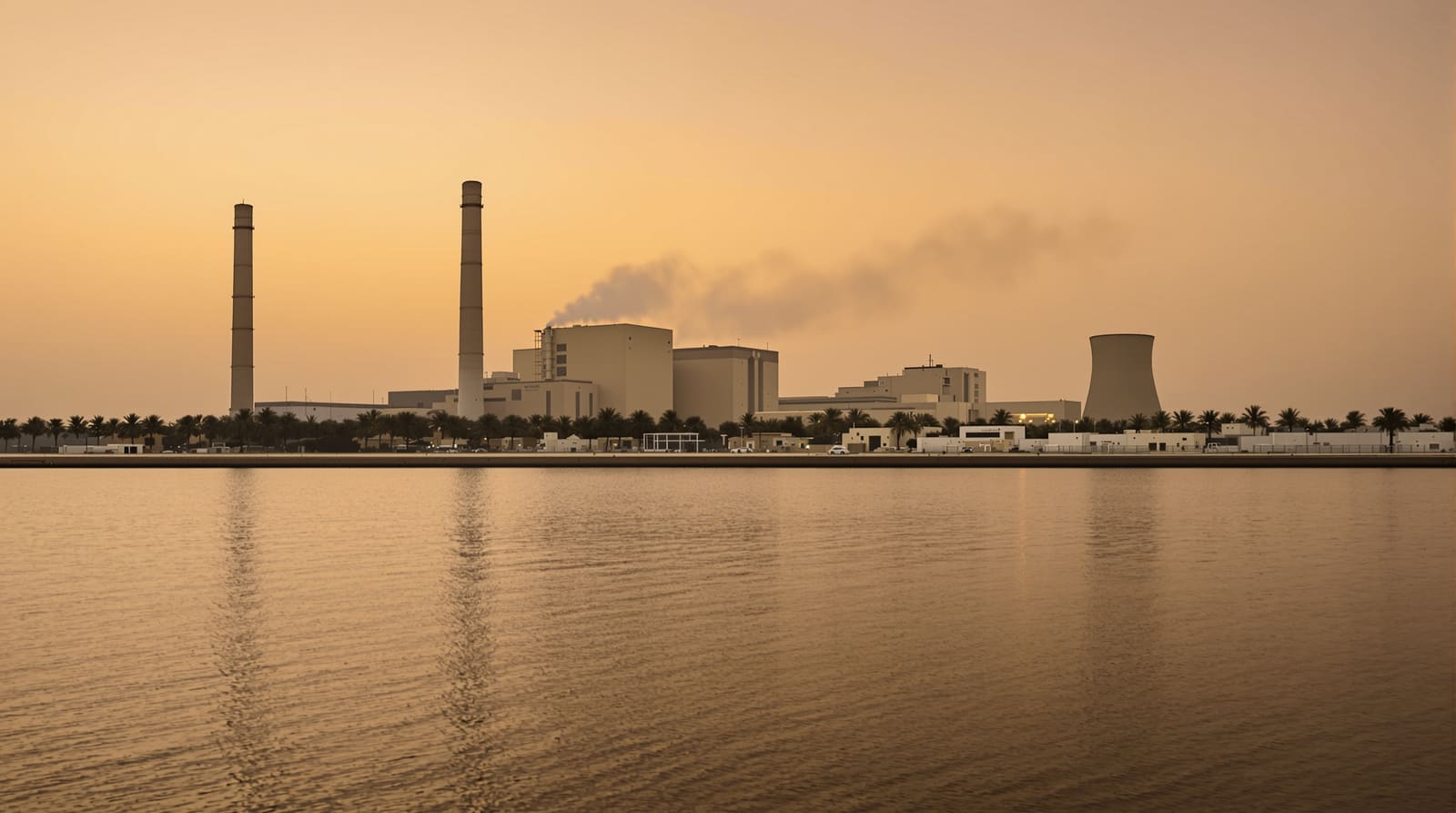
The Strait of Hormuz is the narrow waterway connecting the Persian Gulf with the Gulf of Oman and the open sea, and Iran lies along its northern shore. Araghchi's remarks, as summarised by Abu Ali Express, indicate that the strait is currently closed and that Iran is linking any reopening to Washington's response to its demands.
השבוע בישראל בחמש ידיעות, בכל יום שישי
מקורות ובדיקה של מערכת Israel.com, עם זמני השבת. חינם, ואפשר להפסיק בלחיצה אחת.
רשימה אחת, הסרה בלחיצה. הפרטים במדיניות הפרטיות שלנו.
He was also reported as saying that a two-day plan to open the strait is still under consideration. The summary does not explain who drew up that plan, what it involves, or how it relates to the seven conditions that Araghchi said the United States must meet first.
Enriched uranium and the nuclear question
Enriched uranium is the material at the centre of international concern over Iran's nuclear programme. Araghchi said, according to Abu Ali Express, that sending Iran's enriched uranium out of the country is one of Tehran's red lines, meaning a demand Iran says it will not accept.
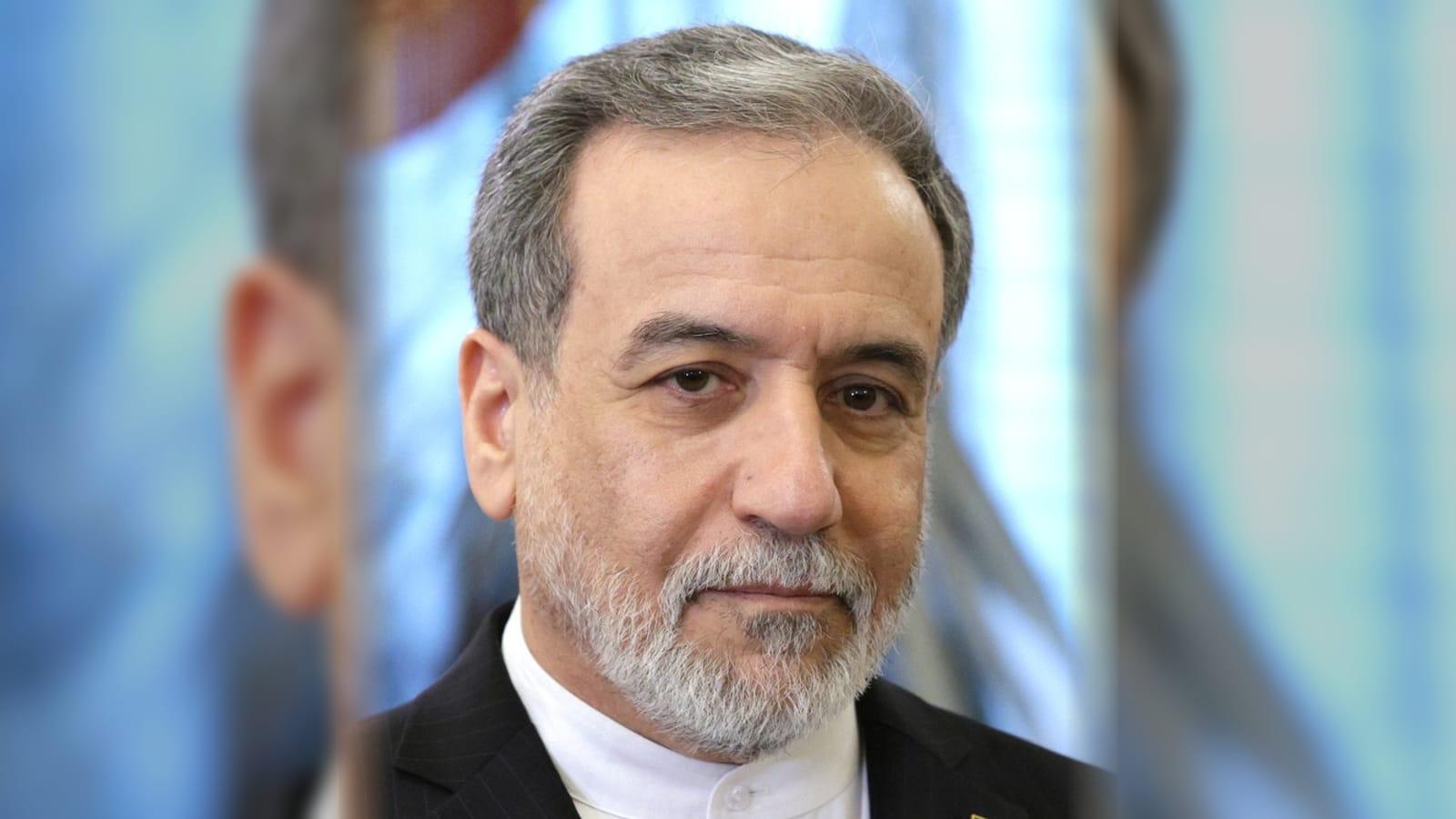
צילום ארכיון
The Times of Israel's report focused on a different part of his comments. In its account, Araghchi said that China and Russia are against altering Iran's stated position of rejecting nuclear arms. Tehran has long said publicly that it does not seek nuclear weapons, and The Times of Israel described that rejection as professed, reflecting the fact that it is Iran's own declared stance.
How the two reports relate
The two organisations highlighted different parts of what Araghchi said. Abu Ali Express listed his remarks on the mediated exchanges, the Islamabad memorandum, the Strait of Hormuz and enriched uranium. The Times of Israel item, a short entry on its live blog, centred on his reference to China and Russia. Neither report contradicts the other, but neither covers the points raised in the other, so each set of remarks rests on a single outlet's account.
Abu Ali Express presented the interview as bullet points paraphrasing Araghchi in the first person, rather than as a full transcript. Neither report, as provided, names the broadcaster or outlet that conducted the interview.
Who Araghchi is
Abbas Araghchi is Iran's foreign minister and serves as the country's senior diplomat in its dealings with the United States and other powers. His public statements are one of the main ways Tehran signals its positions on negotiations, though they represent Iran's stated stance rather than an agreed outcome.
What the reports do not say
- Neither report says which outlet interviewed Araghchi or provides a full transcript.
- The seven conditions Iran says the United States must meet are not listed.
- The content of the Iranian proposal awaiting a US answer, and of the lapsed Islamabad memorandum, is not described.
- No response from Washington, Beijing or Moscow to these remarks has been reported.
- The identity of the mediators carrying messages between the two sides is not given.
להמשך קריאה
למדור ביטחון →
מקורות וקריאה נוספת
פתחנו ובדקנו כל קישור כאן בזמן כתיבת העמוד. הודעות רשמיות מסומנות ככאלה: זו הגרסה של הגורם עצמו, לא גרסה עצמאית.
- כתבותtoitimesofisrael.comThe Times of Israel
- כתבותabualiexpresst.meAbu Ali Express
איך בדקנו את זה
Two organisations reported on Araghchi's interview, but they covered different remarks: the Hormuz, Islamabad and uranium comments come only from Abu Ali Express's summary, and the China and Russia comment comes only from The Times of Israel. We have not seen a transcript of the interview.
מדיניות המקורות והתיקונים שלנו →השבוע בישראל, במייל אחד
הכתבות החשובות, עם מקורות ואחרי בדיקה של מערכת Israel.com. חינם, פעם בשבוע, ואפשר להפסיק בלחיצה אחת.
רשימה אחת, הסרה בלחיצה. הפרטים במדיניות הפרטיות שלנו.
הכתבות האחרונות
צילום ארכיון
איור

איור
איור
איור

איור