Israel Says It Killed Hezbollah’s Anti-Tank Commander in Ghajar
The IDF said an air strike in Ghajar killed Hassan Muhammad Bashir, whom it described as the Hezbollah commander directing anti-tank attacks on northern Israeli towns.
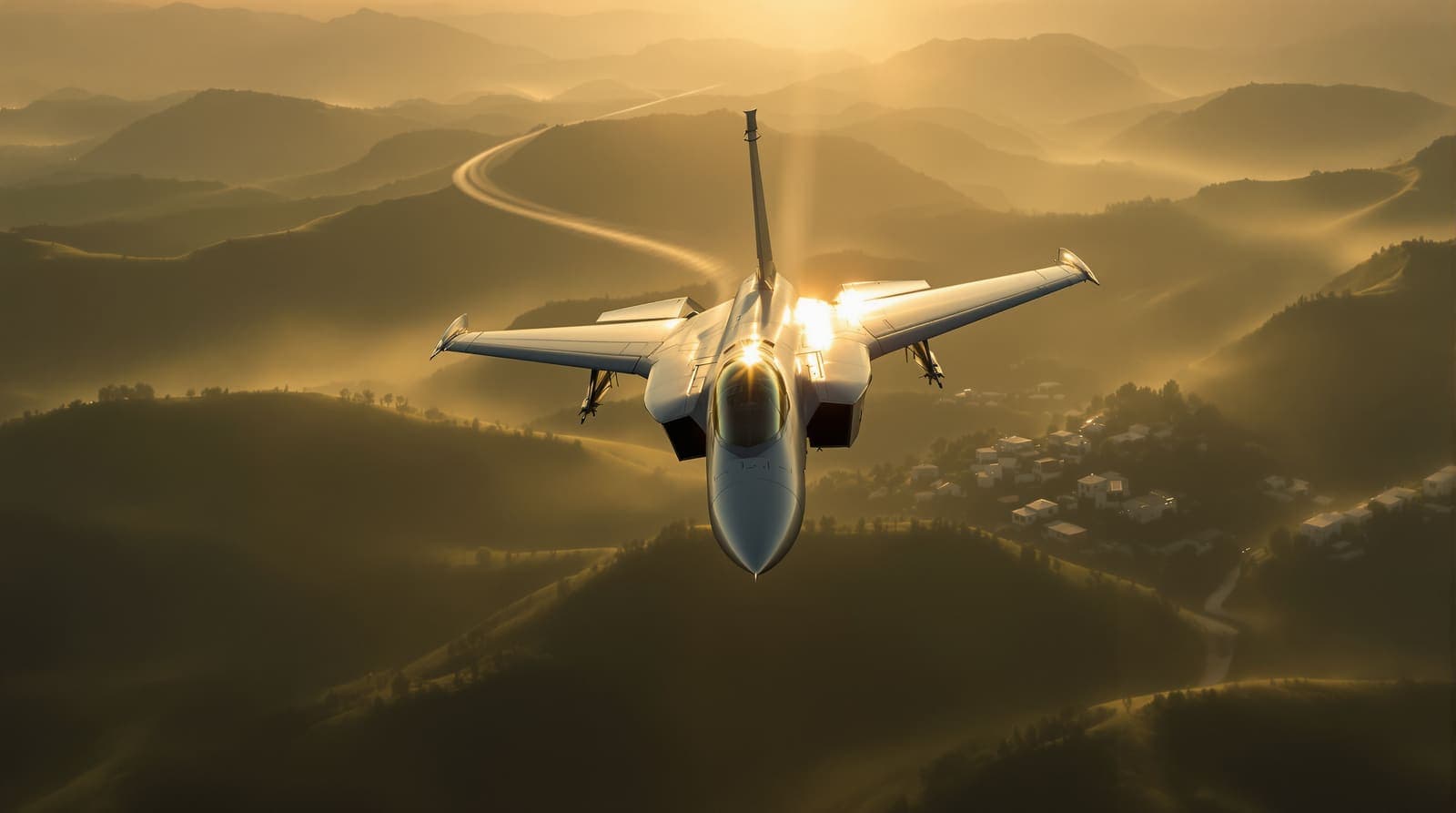
איור
הכתבה המלאה עדיין לא נכתבה בעברית, ולכן היא מובאת כאן באנגלית.
The Israel Defense Forces said the Israeli Air Force struck and killed Hassan Muhammad Bashir, whom it described as a senior commander in the anti-tank unit of Hezbollah, the Lebanese armed movement. According to the IDF statement, Bashir had commanded anti-tank fire directed at communities in northern Israel over the previous two years, and was killed overnight in the village of Ghajar.
The military said Bashir had advanced hundreds of attack plans against Israeli forces and civilians and had commanded several squads carrying out sustained anti-tank fire into northern Israel. In recent months, it said, he had begun integrating into the anti-tank array in southern Lebanon and had been training large numbers of operatives. Killing him, the IDF said, degrades Hezbollah's ability to continue advancing attacks against Israeli civilians and troops.
Why anti-tank missiles frighten border towns more than rockets
Rockets announce themselves. A rocket fired from Lebanon at an Israeli town gives radar time to detect it and sirens time to sound. An anti-tank guided missile fired from a ridge a few kilometres away gives far less of that warning, and it is aimed at a specific vehicle or building rather than an area. Hezbollah holds several thousand such missiles, of several types, according to an assessment published on 5 March 2026 by the Alma Research and Education Center: the Russian-designed Kornet reaches 5.5 kilometres and up to ten in improved versions, and the Iranian-made Almas, a copy of Israel's Spike, reaches as far as 16 kilometres with fire-and-forget guidance and a top-attack trajectory. That places a long list of Israeli border communities inside the envelope of a weapon designed to kill armour.
The same assessment records Hezbollah using these weapons against Israeli forces during the renewed fighting of early March 2026, which began on 2 March, according to a timeline of the 2026 Lebanon war.
Ghajar, the village the border runs through
Ghajar is an unusual place on the Israel–Lebanon frontier. It is an Alawite village of roughly 3,000 people sitting where Lebanon, Israel and the Israeli-held Golan Heights meet. When United Nations surveyors drew the Blue Line after Israel's withdrawal from Lebanon in 2000, the line ran through the village itself, placing the northern half in Lebanon and the southern half in the Golan. Israel took control of the whole village during the 2006 Lebanon War and has held the northern section since, fencing it off from the Lebanese side, according to the Times of Israel. Most residents hold Israeli nationality; some also hold Lebanese citizenship, and many identify as Syrian.
Just to the east lies the Shebaa Farms, or Mount Dov, a strip of about nine kilometres by two and a half that Lebanon claims, that is internationally regarded as Syrian, and that Israel has occupied since the 1967 war, as Britannica sets out; the same account records Hezbollah asserting claims to the strip and establishing outposts along that stretch of border.
A campaign of commander killings
The strike fits a pattern Israel has run since September 2024, when the IDF gave its offensive against Hezbollah in Lebanon the name Operation Northern Arrows and struck some 1,300 targets in a single day, according to Times of Israel live coverage from 23 September 2024. Since then the military has repeatedly announced the killing of named Hezbollah commanders, describing each as a blow to the organisation's ability to operate.
What is still unclear
The IDF statement places Ghajar “in Southern Lebanon”, which does not sit easily with the village's documented status as a place held by Israel since 2006 and straddling the Blue Line; the military did not clarify which part of the village it meant. The statement gives no date for when Bashir took up his post, no assessment of casualties or damage beyond his death, and no Hezbollah response. Israel.com has not independently verified that Bashir was killed or that he held the role described.
מקורות וקריאה נוספת
פתחנו ובדקנו כל קישור כאן בזמן כתיבת העמוד. הודעות רשמיות מסומנות ככאלה: זו הגרסה של הגורם עצמו, לא גרסה עצמאית.
- כתבותAlma Research and Education Centerisrael-alma.orgHezbollah's Anti-Tank Missile Arsenal: Capabilities and Threat Assessment
Types, ranges and use of Hezbollah's anti-tank missiles as of March 2026
- כתבותTimes of Israeltimesofisrael.comIsrael-Hezbollah tensions spike around small village straddling restive frontier
Ghajar's population, division by the Blue Line and Israeli control since 2006
- כתבותTimes of Israeltimesofisrael.comLiveblog, 23 September 2024
The naming and opening scale of Operation Northern Arrows
- רקעBritannicabritannica.comShebaa Farms
The neighbouring disputed strip and Hezbollah's use of the claim
- רקעWikipediaen.wikipedia.orgTimeline of the 2026 Lebanon war
Start of the renewed cross-border fighting in March 2026
איך בדקנו את זה
Bashir's name, role and the circumstances of the strike come only from the IDF statement of 26 March 2026 and have not been independently verified. The description of Ghajar, the Shebaa Farms dispute, Hezbollah's anti-tank arsenal and Operation Northern Arrows were researched separately and are cited in the text.
מדיניות המקורות והתיקונים שלנו →השבוע מישראל, במייל אחד
הכתבות שהיו חשובות, עם מקורות ובדיקה של מערכת Israel.com. חינם, פעם בשבוע, הסרה בלחיצה אחת.
רשימה אחת, הסרה בלחיצה. קראו את מדיניות הפרטיות שלנו.
עוד במדור ביטחון
למדור ביטחון →

הכתבות האחרונות
- טראמפ נשא דברים בלי קול אחרי שהרשתות באמריקה השביתו את סיקור הפול
- תקלה בכבל סיבים אופטיים שיבשה טיסות בחוף המזרחי של ארה"ב
- רשתות הטלוויזיה בארה"ב השביתו את מאגר הכתבים בבית הלבן, טראמפ נשא דברים בלי קול
- צה"ל תקף מטרות חמאס בעזה אחרי שכלי הנדסי נפגע ממטען
- ארה"ב נערכת להטיל סנקציות שיחסמו את בית הדין בהאג מעסקאות בדולרים
- כלי הנדסי של צה"ל נפגע ממטען סמוך לקו הצהוב ברצועה