Lebanese reports cite 6 casualties in Israeli strike near Syria border
Ynet says Lebanese media now report 6 casualties near Hosh al-Sayyed Ali; the IDF has not said whether its Syrian target, Al-Hassoun, was killed.

איור שנוצר בבינה מלאכותית, לא צילום של האירועים.
עדכון אחד מאז הפרסום
- Ynet says Lebanese reports now cite 6 casualties; IDF says it remains committed to its agreement with Lebanon.Lebanese reports cited by Ynet now put the number of casualties from the strike at 6; the earlier Lebanese account relayed by Abu Ali Express said there were no casualties.
הכתבה הזאת מתעדכנת בזמן שהאירוע מתפתח. הטקסט המוקדם נשמר מתחת לעדכונים ולא נכתב מחדש, כך שמה שהעמוד אמר בכל שלב עדיין נמצא בו.
הכתבה המלאה עדיין לא נכתבה בעברית, ולכן היא מובאת כאן באנגלית.
Update, 9 October, 22:08 Israel time
Lebanese reports now put the number of casualties from the strike at Hosh al-Sayyed Ali at 6, Ynet reported. This differs from the earlier Lebanese account relayed by Abu Ali Express, which said the missile missed the car and nobody was hurt. Ynet did not say whether those counted were killed or wounded, or whether Al-Hassoun was among them. The two accounts have not been reconciled.
Ynet also wrote that the IDF has still not said whether its target was killed, and that the military stressed it remains committed to the agreement between Israel and Lebanon despite carrying out a strike in an unusual location. According to Ynet, the man it named as Yusuf Ali Al-Hassoun had pushed forward plans to launch explosive drones and rockets at Israeli forces in Syria.
The Times of Israel, quoting the IDF statement, said the military described several of his plots over the past year as having been foiled, among them rocket and drone attacks on its troops. The paper spelled the name as Yosef Ali Al-Hassan and likewise noted that the IDF had not clarified whether he died in the strike.
The story as first reported
An Israeli drone struck a vehicle on Friday near the village of Hosh al-Sayyed Ali, in the Hermel district of northeast Lebanon, close to the border with Syria, according to Lebanese media outlets cited by the Hebrew-language Telegram channel Abu Ali Express. Abu Ali Express reported that, according to those outlets, the missile missed the car but damaged it, and that nobody was hurt. Israeli news channel News.co.il wrote that the person targeted for killing managed to escape at the last moment.
Later the same day, the Israel Defense Forces (IDF) announced that it had carried out what it called a "precise aerial strike" on the Syria-Lebanon border. The IDF spokesperson named the target as Yusuf Ali Al-Hassoun, described him as a Syrian working at the direction of the Iranian government, and said he had been promoting attacks on Israeli civilians and on Israeli troops deployed in southern Syria. The Israeli broadcaster N12 carried the same claims, as did Ynet.
Where the strike was reported
Hermel is a district in the northeast of Lebanon, running up to the Syrian frontier. Both Abu Ali Express and News.co.il flagged the location as unusual for an Israeli strike, a description that reflects how far it lies from the areas of southern Lebanon that are more commonly mentioned in Israeli military reporting. News.co.il placed the strike in northern Lebanon; Abu Ali Express, citing Lebanese media, gave the more specific location of Hosh al-Sayyed Ali in the northeast. The IDF did not name a village or district, saying only that the target was hit on the border between Syria and Lebanon.
The Hebrew reports use the word katbam, the standard Israeli abbreviation for an unmanned aerial vehicle, or drone.
What the IDF said about the target
According to the IDF statement, Al-Hassoun is Syrian and acted under Iranian direction. The military said his activity was aimed at Israelis, both civilians and the soldiers it currently has operating in southern Syria, and that over the past year he had planned and pushed forward attacks. The published text of the statement available in the material breaks off at that point, so any further detail it contained, including specific plots, is not reflected here.
N12 summarised the statement in two short alerts, describing Al-Hassoun as a terrorist operative who had advanced plans against Israeli citizens and troops in southern Syria and who was struck on the Syria-Lebanon frontier. Ynet's alert likewise said the IDF had hit an operative working at Iran's direction on that border.
How the accounts fit together
The Lebanese reports relayed by Abu Ali Express and News.co.il came out in the early afternoon. The IDF announcement followed several hours later, on the same day, and referred to a strike carried out earlier that day on the same border area. The timing and location point to the same incident, but the IDF statement as published does not mention a vehicle, Hermel or Hosh al-Sayyed Ali, so the link between the military's announcement and the Lebanese reports rests on those overlapping details rather than on an explicit confirmation.
The accounts also differ on outcome. The Lebanese media cited by Abu Ali Express said the missile missed and caused no casualties, and News.co.il said the target got away. The IDF statement says it struck Al-Hassoun and calls the strike precise, but the available text does not say whether he was killed, wounded or escaped. These positions have not been reconciled in the reports.
What the reports do not say
- Whether Al-Hassoun was in the vehicle that was hit, and what his condition is.
- Whether the IDF accepts the Lebanese account that the missile missed.
- Which Lebanese outlets first reported the strike; Abu Ali Express refers only to Lebanese media in general.
- Any comment from Lebanese or Syrian authorities, or from Iran, on the strike or on the IDF's claims about Al-Hassoun.
- Any details of the specific attacks the IDF says he planned, beyond the general description in its statement.
מקורות וקריאה נוספת
פתחנו ובדקנו כל קישור כאן בזמן כתיבת העמוד. הודעות רשמיות מסומנות ככאלה: זו הגרסה של הגורם עצמו, לא גרסה עצמאית.
- רשמיidft.meIDF spokesperson
- כתבותabualiexpresst.meAbu Ali Express
- כתבותabualiexpresst.meAbu Ali Express
- כתבותnewssilt.meNews.co.il
- כתבותyediotht.meYnet alerts
- כתבותkeshett.meN12
- כתבותkeshett.meN12
- כתבותyediothynet.co.ilYnet
- כתבותtoitimesofisrael.comThe Times of Israel
- כתבותabualiexpresst.meAbu Ali Express
איך בדקנו את זה
The strike and the IDF's naming of its target are reported by several outlets. The figure of 6 casualties comes from Lebanese reports cited by Ynet and conflicts with the earlier no-casualty account; whether Al-Hassoun was hit is unconfirmed by any source.
מדיניות המקורות והתיקונים שלנו →השבוע מישראל, במייל אחד
הכתבות שהיו חשובות, עם מקורות ובדיקה של מערכת Israel.com. חינם, פעם בשבוע, הסרה בלחיצה אחת.
רשימה אחת, הסרה בלחיצה. קראו את מדיניות הפרטיות שלנו.
עוד במדור ביטחון
למדור ביטחון →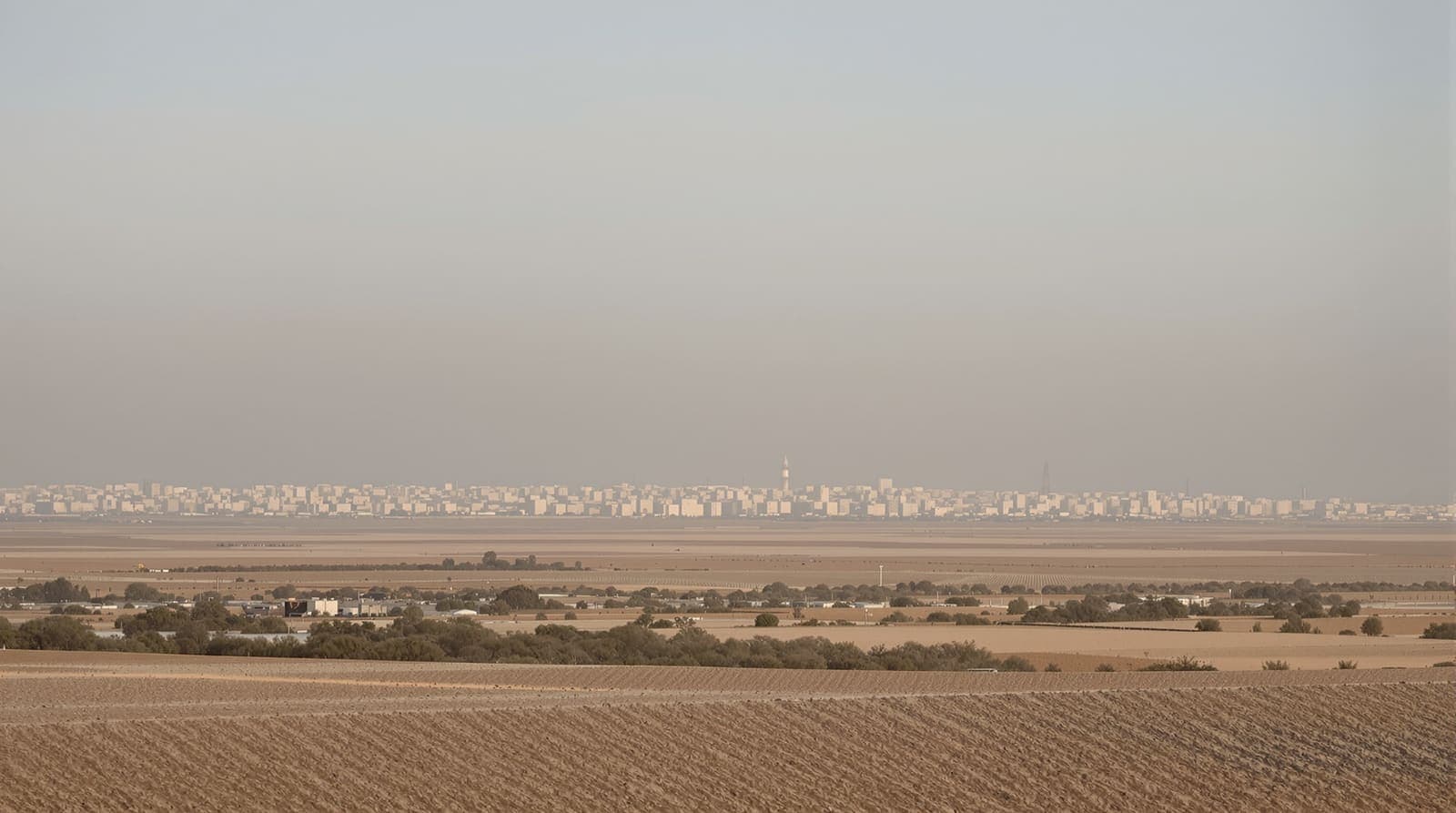
הכתבות האחרונות
- UAE says flydubai co-pilot planned 9/11-style crash into Ben Gurion Airport
- נהג כבן 35 נהרג בהתנגשות עם אוטובוס בכביש 458 ליד מעלה מכמש
- צה"ל: חוסל מפקד חמאס Ibrahim Alam, ולצדו פעיל נוסף
- קצין צה"ל בן 21 נהרג בהתהפכות האמר סמוך לליטני
- גבר נהרג בפיצוץ רכב בצומת פלי"ם בכביש 4 ליד אור עקיבא
- צה"ל: חוסל בעיר עזה מפקד בחמאס שהחזיק 3 חטופים