IDF confirms rockets aimed at Israel in south Lebanon position it destroyed
The military's own statement describes ready-to-use launchers holding 32 rockets, left in place before the ceasefire, alongside a tunnel shaft.
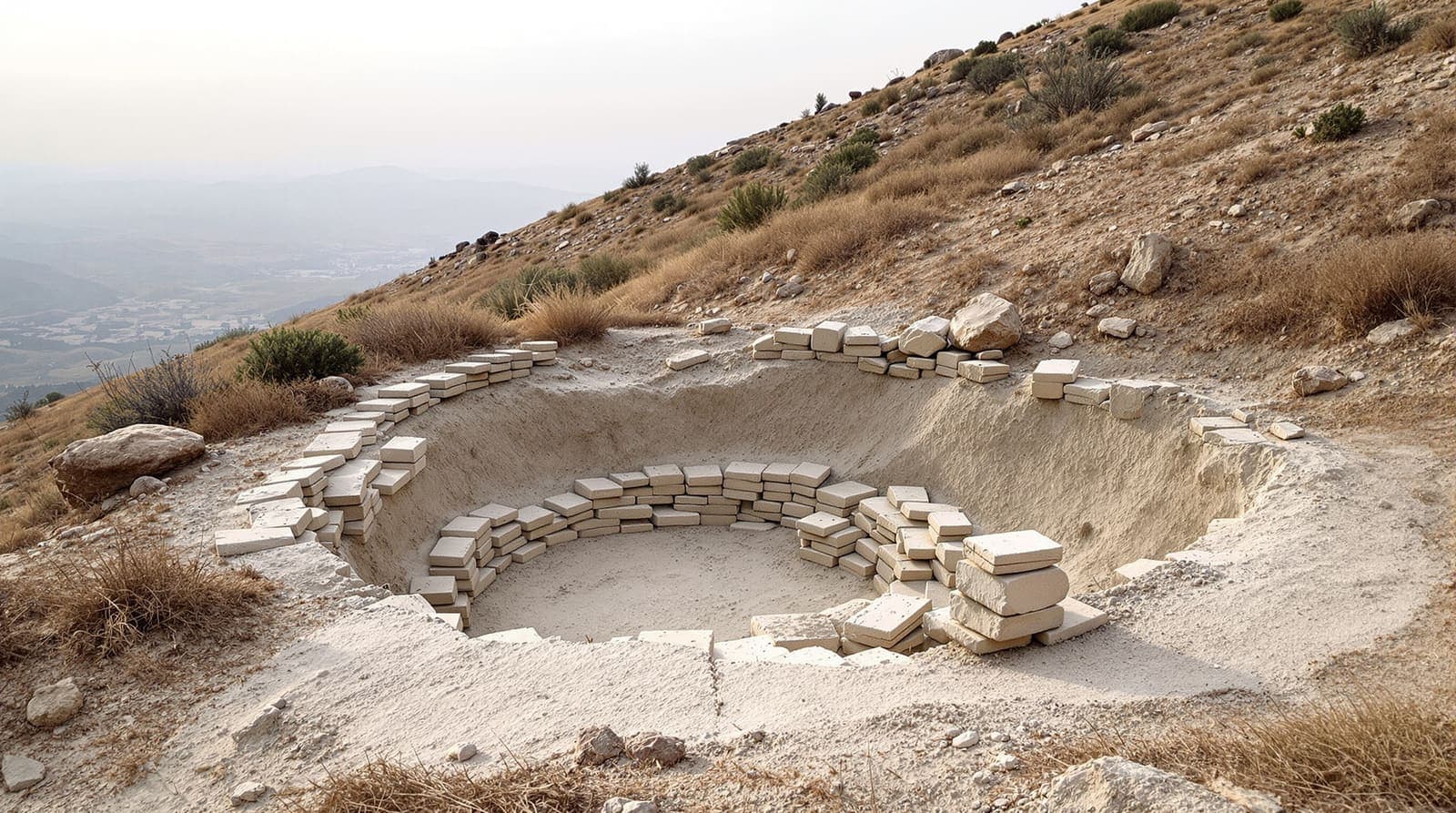
איור
עדכון אחד מאז הפרסום
- IDF issues its own statement describing launchers in the plural and confirms the rockets were aimed at Israel.The IDF's own statement refers to rocket launchers in the plural; our earlier text, following the military's initial wording and the Times of Israel, described a single launcher holding 32 rockets. The figure of 32 rockets is unchanged.
הכתבה הזאת עודכנה בזמן שהאירוע התפתח. הטקסט המוקדם נשמר מתחת לעדכונים ולא נכתב מחדש, כך שמה שהעמוד אמר בכל שלב עדיין נמצא בו.
הכתבה המלאה עדיין לא נכתבה בעברית, ולכן היא מובאת כאן באנגלית.
Update, 15 September, 12:09 Israel time
The military has now issued its own English-language account of the find, and it describes rocket launchers in the plural rather than a single launcher. In a statement posted by the IDF on X, the army said the dismantled Hezbollah hideout contained a tunnel shaft and ready-to-use rocket launchers, and that the launchers held 32 rockets aimed at Israel which had been left in the area before the ceasefire agreement took effect. That places the claim that the rockets were pointed toward Israeli territory in the army's own words, where it had previously been attributed to the Israeli channel N12.
The Hebrew-language alert service Ynet alerts also reported the destruction in the plural, saying ready-to-use launchers positioned before the ceasefire had been destroyed in southern Lebanon. The Telegram channel Abu Ali Express carried the same account, describing a hideout with a shaft and ready-to-use launchers holding 32 rockets directed at Israeli territory.
מה המקורות פרסמו

🎯DISMANTLED: A Hezbollah terrorist hideout containing a tunnel shaft and ready-to-use rocket launchers, in the Security Zone in southern Lebanon. The launchers contained 32 rockets, aimed at Israel, that had been left in the area before the ceasefire agreement took effect. Show more


Troops operating inside Israel's south Lebanon buffer zone located a Hezbollah fighting position, including an armed rocket launcher and a tunnel shaft, the military says. According to the IDF, the launcher with 32 rockets had been left behind by Hezbollah before the ceasefire Show more
וידאו מאת Emanuel Fabian on X. הקישו כדי לנגן. שום דבר ממנו לא מוצג עד אז.
מהשטח

Israeli Prime Minister Benjamin Netanyahu vows to continue strikes on Hezbollah infrastructure in Lebanon, warning Israel’s enemies will face “even heavier blows” if they attack again.
וידאו מאת Al Arabiya English. הקישו כדי לנגן. שום דבר ממנו לא מוצג עד אז.
The Times of Israel, in its liveblog entry on the find, stayed with the singular, referring to an armed rocket launcher, and published a handout image of a launcher released by the military on September 15, 2026. The military has not said how many launchers were at the position, and the accounts have not been reconciled. No location beyond the security zone has been given in the new material, and there is still no comment from Hezbollah, the Lebanese state or the ceasefire monitoring mechanism.
The story as first reported
Israeli soldiers operating inside the strip of southern Lebanon held by Israel located a Hezbollah fighting position containing a rocket launcher loaded and ready to fire, along with a shaft leading underground, the military said. According to the Israel Defense Forces spokesperson, the find was made by troops of the 55th Brigade, operating under the command of the 91st Division, during searches of the area, and the hideout and the shaft belonging to Hezbollah were dismantled.
The launcher held 32 rockets, and the military said it had been left in place by Hezbollah before the ceasefire in Lebanon came into effect. Emanuel Fabian, military correspondent for the Times of Israel, reported the same account, describing a fighting position that included an armed rocket launcher and a tunnel shaft. The Israeli channel N12 reported that the rockets had been aimed toward Israeli territory.
What the 55th Brigade and the 91st Division are
The 55th Brigade is a reserve paratrooper formation of the Israel Defense Forces. The 91st Division, also known as the Galilee Division, is the regional command responsible for Israel's northern frontier with Lebanon. Reserve brigades are routinely placed under the operational command of a regional division when they are deployed to a specific sector, which is what the military describes here: a reserve unit carrying out ground searches inside Lebanese territory under the division that holds the Lebanon file.
The security zone, and what troops are doing there
The military's statement uses the term "Security Zone" for the area in southern Lebanon where the troops were operating. Fabian's reporting refers to the same area as Israel's south Lebanon buffer zone. The two phrasings describe the strip of Lebanese territory along the border where Israeli forces have remained after the ceasefire, and where the army says it continues to conduct operations to remove what it calls threats to the State of Israel.
The searches described in this case are of the type the army has publicised repeatedly since the ceasefire: ground sweeps of built-up positions, weapons caches and underground infrastructure near the border, followed by demolition of what is found. In this instance the army says the position contained both surface elements, the hideout and the launcher, and a subterranean element, the shaft.
Why a shaft matters
A shaft is the vertical entry point to underground infrastructure. Hezbollah has built tunnel networks in southern Lebanon used for storage, movement and shelter, and Israeli forces have made the location and destruction of such shafts a routine part of what they report from the sector. The military's statement does not describe how deep the shaft went, where it led, or whether it connected to a wider network.
Rockets left in place before the ceasefire
The central claim in all the accounts is about timing: the launcher was not newly positioned, but was already there when the ceasefire took effect. That framing matters because it bears on the question of whether Hezbollah has been rearming or repositioning in the border area since the agreement, or whether what Israeli troops are finding is materiel that predates it. The Israeli account, as relayed by both the military and the reporting, places this find in the second category.
N12's report said the rockets had been directed at Israeli territory, and the outlet issued an edited version of its own item shortly after publication, adjusting the wording describing where the ready-to-use launchers were found. The substance of the claim, 32 rockets in a position that was located and destroyed, was the same in both versions.
What the reports do not say
None of the accounts give a precise location for the position beyond "southern Lebanon" and the security zone. None state the date on which the find was made, only that the military announced it. The type, calibre or range of the rockets is not specified, and there is no statement on what the launcher's aiming would have put within reach beyond N12's description that the rockets were pointed toward Israel.
The reports do not say whether anyone was present at the position, whether there was any exchange of fire, or whether there were casualties on either side. They do not describe the method used to destroy the position, nor whether the shaft was demolished along with it or handled separately. There is no comment in the material from Hezbollah, from the Lebanese state, or from the mechanism monitoring the ceasefire, and no independent confirmation of the find from any body outside the Israeli military.
Every element of the account traces back to a single source: the Israel Defense Forces spokesperson. The Times of Israel correspondent and N12 both attribute their reporting to the military rather than to their own observation on the ground.
מקורות וקריאה נוספת
פתחנו ובדקנו כל קישור כאן בזמן כתיבת העמוד. הודעות רשמיות מסומנות ככאלה: זו הגרסה של הגורם עצמו, לא גרסה עצמאית.
- רשמיidft.meIDF spokesperson
- רשמיidfx.comIDF on X
- כתבותtoit.meEmanuel Fabian, Times of Israel military correspondent
- כתבותkeshett.meN12
- כתבותkeshett.meN12
- כתבותtoix.comEmanuel Fabian on X
- כתבותyediotht.meYnet alerts
- כתבותtoitimesofisrael.comThe Times of Israel
- כתבותabualiexpresst.meAbu Ali Express
איך בדקנו את זה
Every element still traces to the Israel Defense Forces spokesperson, now including the claim that the rockets were aimed at Israel, which had previously been attributed only to N12. The number of launchers differs between the army's statement and the Times of Israel report, and there is no independent confirmation of the find.
מדיניות המקורות והתיקונים שלנו →השבוע מישראל, במייל אחד
הכתבות שהיו חשובות, עם מקורות ובדיקה של מערכת Israel.com. חינם, פעם בשבוע, הסרה בלחיצה אחת.
רשימה אחת, הסרה בלחיצה. קראו את מדיניות הפרטיות שלנו.
עוד במדור ביטחון
למדור ביטחון →

הכתבות האחרונות
- טראמפ נשא דברים בלי קול אחרי שהרשתות באמריקה השביתו את סיקור הפול
- תקלה בכבל סיבים אופטיים שיבשה טיסות בחוף המזרחי של ארה"ב
- רשתות הטלוויזיה בארה"ב השביתו את מאגר הכתבים בבית הלבן, טראמפ נשא דברים בלי קול
- צה"ל תקף מטרות חמאס בעזה אחרי שכלי הנדסי נפגע ממטען
- ארה"ב נערכת להטיל סנקציות שיחסמו את בית הדין בהאג מעסקאות בדולרים
- כלי הנדסי של צה"ל נפגע ממטען סמוך לקו הצהוב ברצועה