Israeli TV channels 13 and 14 to pay licence fees at 1.5% of revenue
New regulations replace the licence fee owed to Israel's broadcast regulator with a flat share of each channel's annual income, a change Ynet describes as relief for two channels.

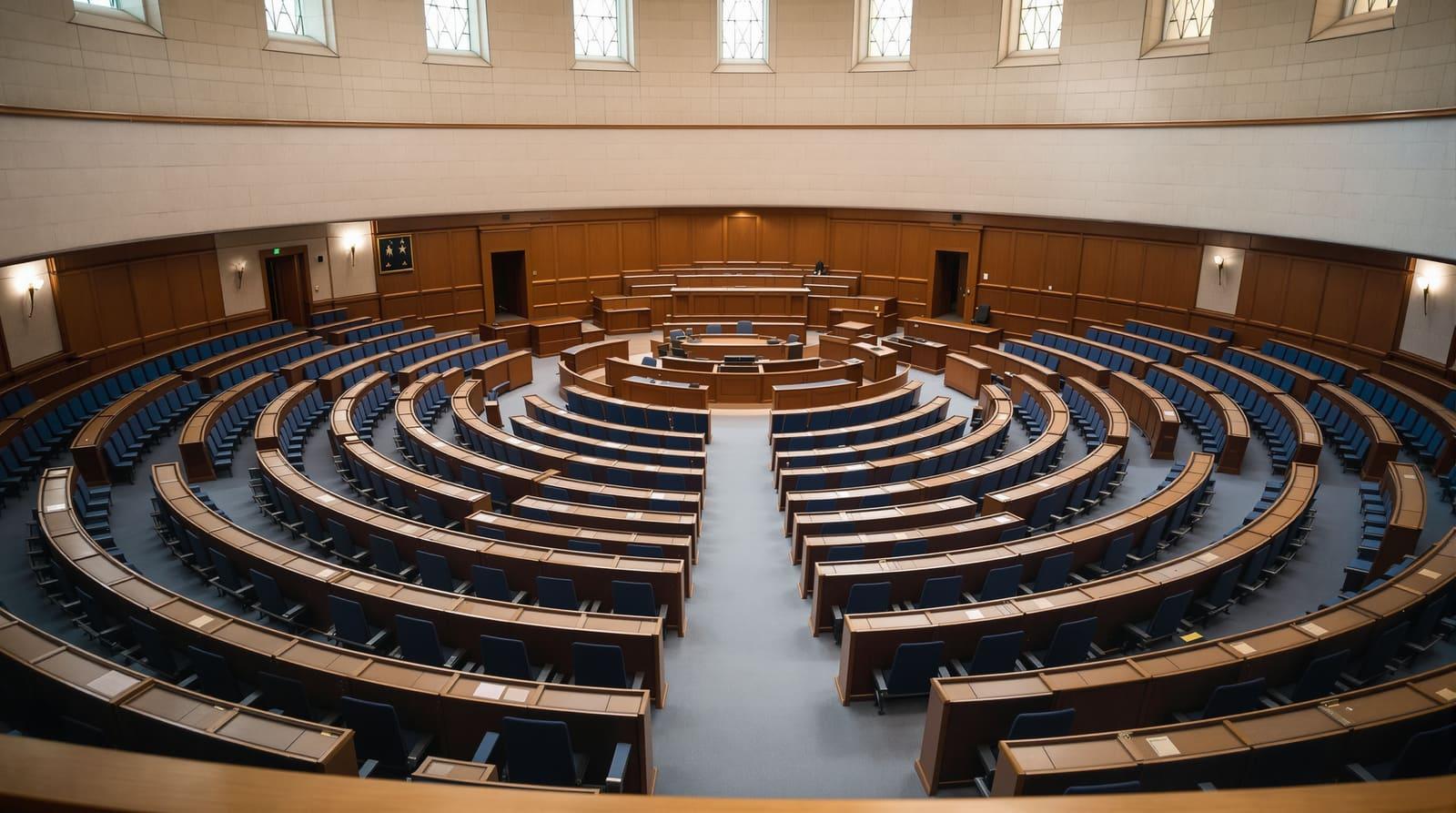
איור שנוצר בבינה מלאכותית, לא צילום של האירועים.
הכתבה המלאה עדיין לא נכתבה בעברית, ולכן היא מובאת כאן באנגלית.
Israeli commercial television channels will pay their licence fees to the country's broadcasting regulator as a fixed share of what they earn, the Israeli news site Ynet reported. Under the regulations it described, the fee each channel owes the Second Authority for Television and Radio will be set at a single rate of 1.5% of the channel's annual revenue.
Ynet presented the change as an easing of the burden on Channel 14 and Channel 13. According to its report, the stated aim of the uniform rate is for the payment to track the scale of each channel's economic activity, so that a broadcaster bringing in more money pays more and one bringing in less pays less.
מהשטח

🎥“How Not to Cover Gaza”: Through interviews with four experts on Israeli media, this new documentary released by @RSF_inter and @haaretzcom, examines how the trauma of October 7 impacted news coverage of the war in Gaza across Israel’s main television channels. 🔗Watch the Show more
What the Second Authority is
The Second Authority for Television and Radio is the Israeli public body that licenses and supervises commercial broadcasting, as distinct from the public broadcaster. Channels operating under its oversight pay fees in return for their licences, and the rules governing those payments are set through regulations. The authority is the body to which, under the new rules, the 1.5% payment will be made.
For readers outside Israel, the name refers to the regulator's origins as the second broadcasting authority established in the country, alongside the older public broadcasting system. It is not a second-tier or subsidiary agency.
The two channels named
Channel 13 and Channel 14 are commercial television channels broadcasting in Hebrew to a national audience. Both carry news and current affairs programming as well as entertainment. Ynet singled them out as the channels that benefit from the new arrangement, though its report did not set out in detail how the change affects each of them financially.
השבוע בישראל בחמש ידיעות, בכל יום שישי
מקורות ובדיקה של מערכת Israel.com, עם זמני השבת. חינם, ואפשר להפסיק בלחיצה אחת.
רשימת תפוצה אחת. אפשר לבטל את ההרשמה בלחיצה. הפרטים במדיניות הפרטיות שלנו.
Channel 14 has become a prominent voice in Israeli political debate, and arrangements touching its finances tend to draw attention for that reason. Ynet's report, as provided, did not address the politics surrounding either channel and made no claim about the motive for the regulations beyond the revenue-based principle it described.
How a revenue-based fee works
The core of the change is the method of calculation. Rather than a fee that does not move with a channel's commercial fortunes, each broadcaster will hand over the same percentage of its yearly income. In practice this means that a smaller or less profitable channel owes a smaller sum in absolute terms, while a channel with higher revenue owes more, even though the rate is identical for all.

איור
הכתבה הבאה כלכלה
That is the logic summed up in the phrase Ynet carried, that higher earners pay more and lower earners pay less. The report framed this as reflecting the actual size of each channel's business. Whether the new calculation leaves any given channel paying more or less than it did before depends on the previous arrangement, which Ynet's summary of the regulations does not describe.
Why it matters
Licence fees are one of the fixed costs commercial broadcasters face, and Israel's television market is crowded relative to the size of its audience and advertising pool. A change in how those fees are calculated can affect the finances of channels competing for the same viewers and advertisers. By tying the payment to revenue, the regulations shift more of the burden toward whichever channels earn the most.
What the reports do not say
Only Ynet has reported the regulations, and its account leaves several questions open. It does not say who issued or approved the regulations, or when they take effect. It does not give the fee structure they replace, so it is not possible to say how much Channel 13 or Channel 14 will save. It does not say whether other channels supervised by the Second Authority are covered on the same terms or how they are affected. It does not identify who said that those who earn more should pay more. No response from the channels themselves, from the Second Authority or from any competitor has been reported.
להמשך קריאה
למדור כלכלה →



אפשר לראות את Israel.com במקום הראשון בכתבות המובילות של Google.הוספה כמקור מועדף ב־Google
מקורות וקריאה נוספת
כשכתבנו את העמוד פתחנו ובדקנו כל קישור שמופיע בו. הודעות רשמיות מסומנות בהתאם: זו הגרסה של הגורם שפרסם אותן ולא דיווח עצמאי.
- כתבותyediothynet.co.ilYnet
איך בדקנו את זה
This account rests on a single report by Ynet; no other organisation has been found reporting the regulations, and we have not seen the regulations themselves. The effect on each channel and the identity of the officials behind the change are not established.
מדיניות המקורות והתיקונים שלנו →
השבוע בישראל, במייל אחד
הכתבות החשובות, עם מקורות ואחרי בדיקה של מערכת Israel.com. חינם, פעם בשבוע, ואפשר להפסיק בלחיצה אחת.
רשימת תפוצה אחת. אפשר לבטל את ההרשמה בלחיצה. הפרטים במדיניות הפרטיות שלנו.

Israel.com נשאר חינמי בזכות קוראים כמוך.
מערכת החדשות של Israel.com בודקת כל ידיעה מול המקורות שלה ומפרסמת אותה בחינם. אם הידיעה עזרה לך, תמיכה בכל סכום מאפשרת להשאיר גם את הידיעה הבאה בחינם.
תשלום חד-פעמי, בלי הרשמה. סכום אחרתמיכה חודשית
הכתבות האחרונות
איור

איור

צילום ארכיון
צילום ארכיון

צילום ארכיון

צילום ארכיון