Rubio cites Roman general Pompey in a warning to the International Criminal Court
The US Secretary of State told a conservative legal audience the Hague court has no authority over Americans, weeks after Washington announced new sanctions on it.
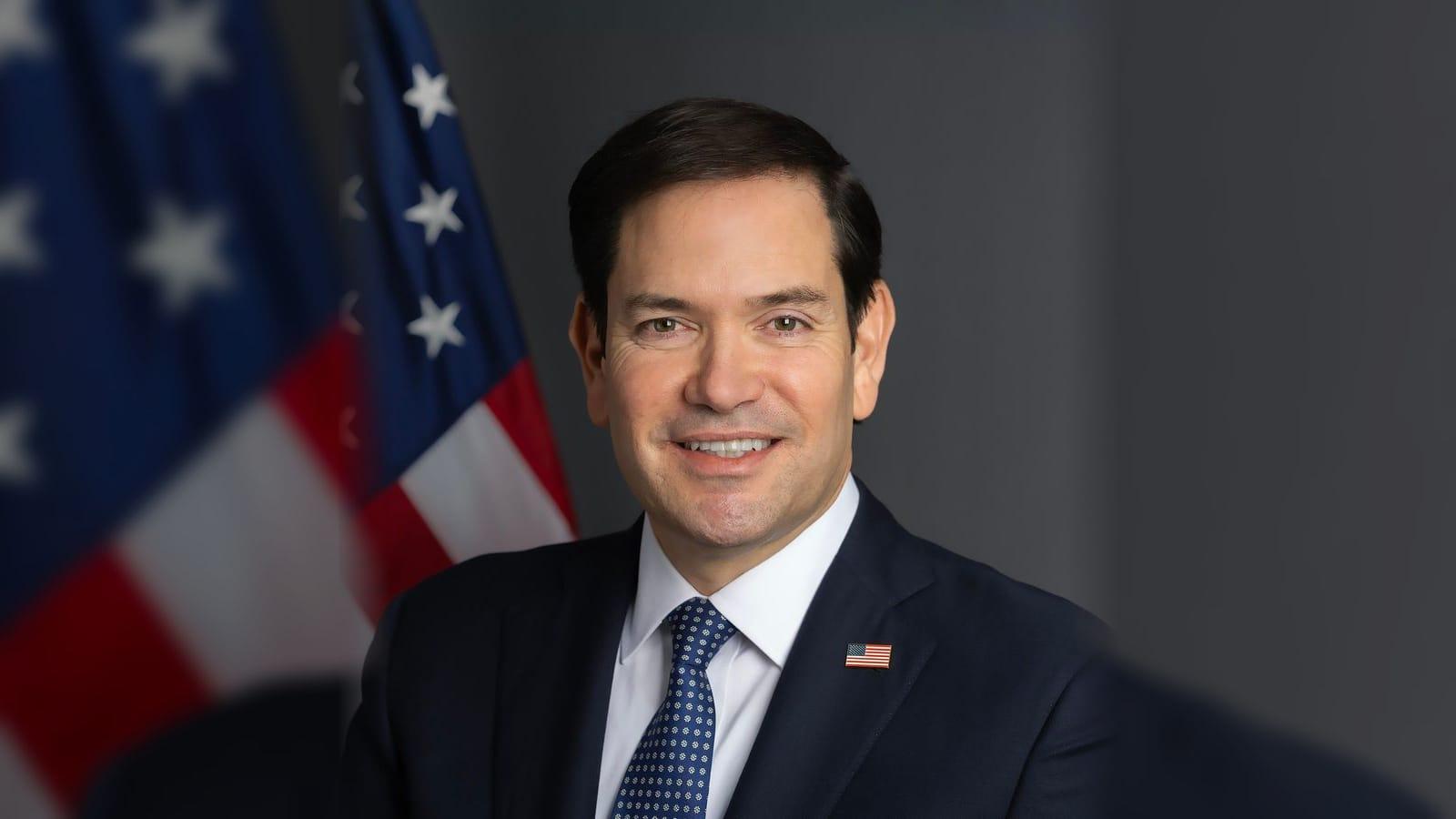
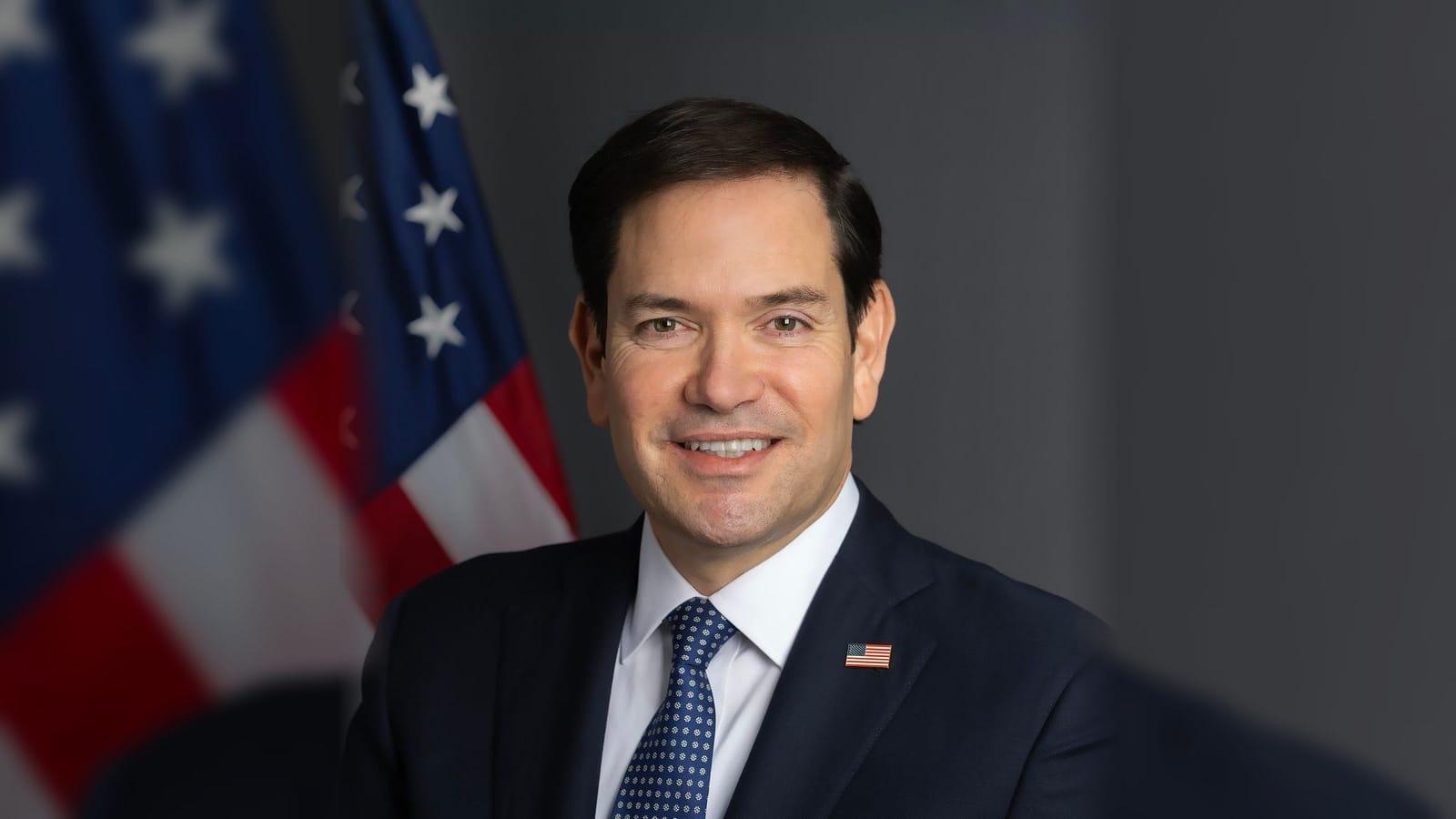
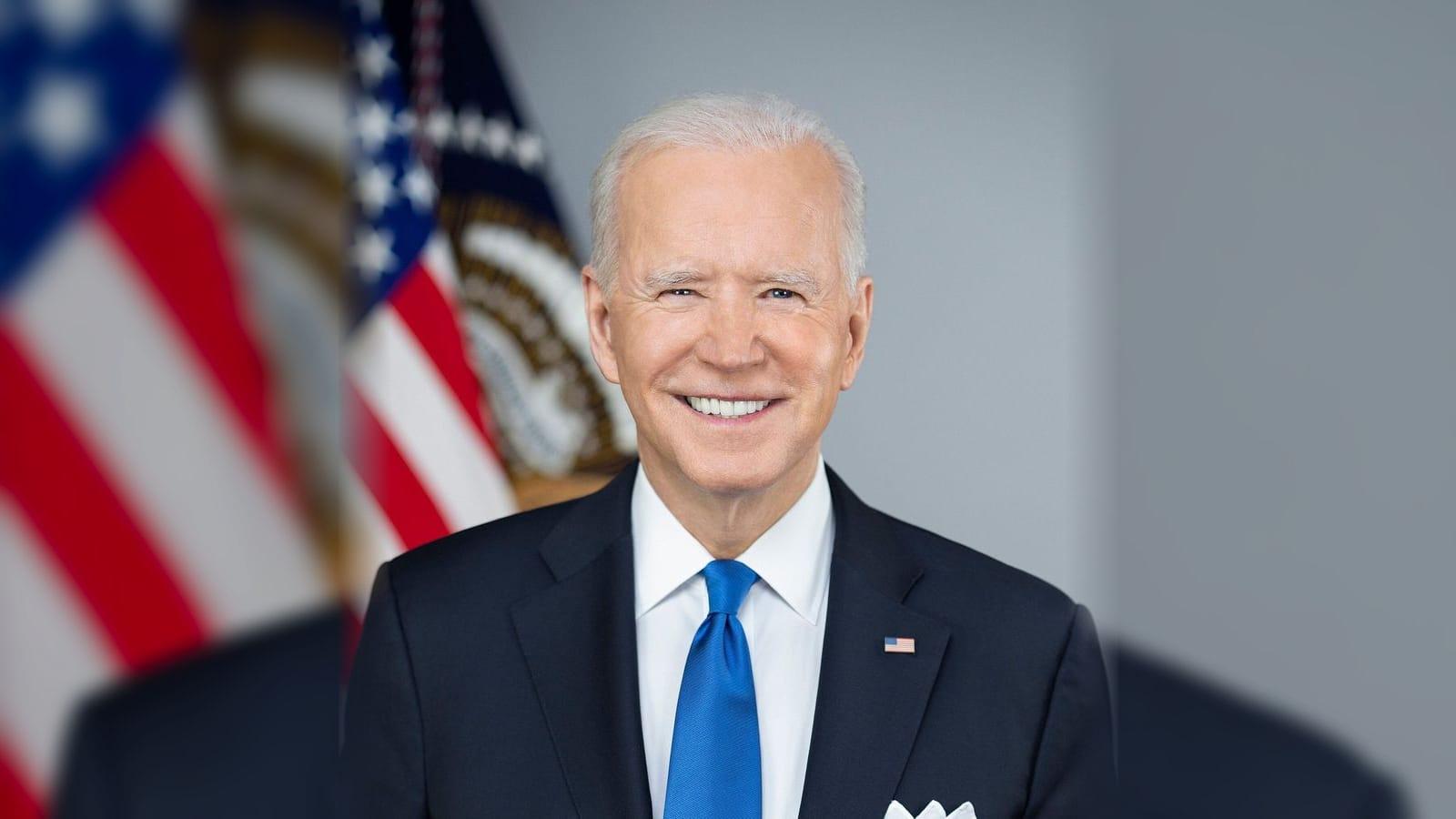
Marco Rubio. צילום ארכיון: U.S. Department of State, נחלת הכלל, מתוך ויקישיתוף.
הכתבה המלאה עדיין לא נכתבה בעברית, ולכן היא מובאת כאן באנגלית.
US Secretary of State Marco Rubio used a speech to a conservative legal audience on Friday to deliver a sharp warning to the International Criminal Court (ICC), telling it to stop "quoting laws to men with swords." The Times of Israel reported that Rubio framed what he called the "weaponization of international law" as an instrument of the elite, and accused the court of trying to impose rules that Washington does not accept.
The remarks were delivered as a keynote address to the Federalist Society National Lawyers Convention. According to the Israeli broadcaster N12, Rubio made clear that the United States would not let the court put American citizens or members of the American military on trial, and said the country would not yield to what he described as the sterile vision of radical judges and soulless global bureaucrats.
What Rubio said about the court's authority
N12's correspondent Assaf Rosenzweig relayed further passages from the speech in Hebrew. In one of those passages, Rubio argued that Americans had never consented to place themselves under the ICC's jurisdiction, and that the court, together with allies in what he called the global bureaucracy, had made itself judge, jury and executioner of the international order. The English wording of these lines is not given in the material available to us, so they are paraphrased here from N12's Hebrew rendering rather than quoted.
The line that gave the speech its headline came from antiquity. N12, citing Reuters, reported that Rubio was quoting the Roman general Pompey when he told the court to stop citing laws to armed men. According to that account, Reuters also wrote that the Secretary of State hinted the United States could respond with force if the court tried to enforce its rulings against Americans. The Times of Israel's report, as available to us, does not include that interpretation, and Rubio's own words as quoted do not specify what kind of response he had in mind.
What the International Criminal Court is
The ICC sits in The Hague, in the Netherlands. It tries individuals, not states, who are accused of the most serious atrocities, and it is designed as a court of last resort, stepping in when a country's own legal system cannot or does not provide accountability, as The Times of Israel noted.
השבוע בישראל בחמש ידיעות, בכל יום שישי
מקורות ובדיקה של מערכת Israel.com, עם זמני השבת. חינם, ואפשר להפסיק בלחיצה אחת.
רשימה אחת, הסרה בלחיצה. הפרטים במדיניות הפרטיות שלנו.
The court was created by a treaty known as the Rome Statute. The United States signed that treaty but never ratified it, which is the basis for the American position that the court has no authority over its citizens. Israel, Russia and China are also outside the ICC's membership.
Sanctions in the background
According to The Times of Israel, the speech followed by about a month a fresh round of American sanctions against the court, which Washington said were meant to cripple its work. The reports do not describe what those sanctions cover or whom they target.
צילום ארכיון
The audience
The Federalist Society is a conservative legal organisation, and its National Lawyers Convention was the venue for Rubio's keynote. N12 described the setting as a conservative legal group in Washington. The Times of Israel reported that Rubio was well received by the audience, though its account of the reception is cut off in the material available.
Why it matters to Israeli readers
Israel, like the United States, is not a member of the ICC, and both countries reject its jurisdiction. Statements by senior American officials about the court's reach are therefore followed closely in Israel. The reports themselves do not connect Rubio's remarks to any specific case, Israeli or otherwise.
What the reports do not say
No response from the ICC to Rubio's speech has been reported. The reports do not say which proceedings, if any, prompted the remarks, do not detail the content of the recent sanctions, and do not explain what concrete action Rubio meant beyond the hint of force that Reuters, as cited by N12, read into his words.
להמשך קריאה
למדור משפט ופלילים →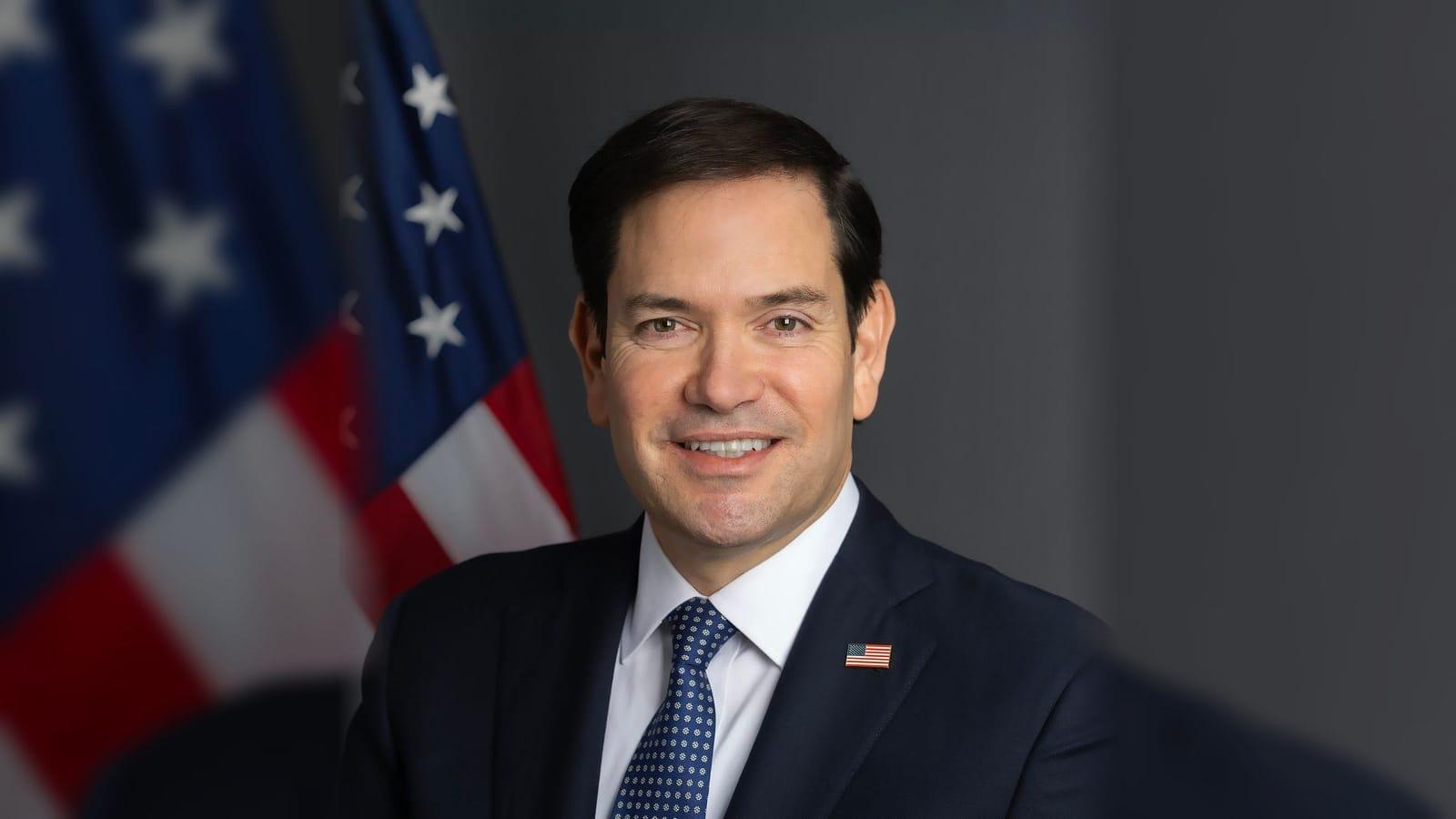
צילום ארכיון
ביטחון
רוביו אמר שארה"ב אינה קרובה לפריצת דרך עם איראן, לפני נסיעתו לפסגת G7
איור
ביטחון
שני איראנים הורשעו בלונדון בריגול אחר עיתונאי איראן אינטרנשיונל
איור
משפט ופלילים
בית המשפט התיר לפרסם את שמו של מורה בן 35 מראש העין החשוד בפגיעה בילדה
צילום ארכיון
משפט ופלילים
ליברמן מכחיש את דיווח חדשות 13 על ערוץ חשאי מול החרדים ומציב את מבחן בג"ץ
מקורות וקריאה נוספת
פתחנו ובדקנו כל קישור כאן בזמן כתיבת העמוד. הודעות רשמיות מסומנות ככאלה: זו הגרסה של הגורם עצמו, לא גרסה עצמאית.
- כתבותtoitimesofisrael.comThe Times of Israel
- כתבותkeshett.meN12
- כתבותkeshett.meN12
- כתבותkeshett.meN12
איך בדקנו את זה
The speech was reported by The Times of Israel and by N12; the suggestion that Rubio hinted at a forceful US response is attributed by N12 to Reuters and does not appear in the Times of Israel account available to us. Longer passages of the speech are paraphrased from N12's Hebrew rendering.
מדיניות המקורות והתיקונים שלנו →השבוע בישראל, במייל אחד
הכתבות החשובות, עם מקורות ואחרי בדיקה של מערכת Israel.com. חינם, פעם בשבוע, ואפשר להפסיק בלחיצה אחת.
רשימה אחת, הסרה בלחיצה. הפרטים במדיניות הפרטיות שלנו.
הכתבות האחרונות
צילום ארכיון
צילום ארכיון
צילום ארכיון

איור
משפט ופלילים
שני גברים כבני 30 נפצעו קשה בדקירה בקריית גת

איור

איור