Trump rejects Iran's week-long ceasefire offer, eyes strikes after midterms
Citing US officials, the Wall Street Journal says Trump turned down an Iranian plan tied to the Strait of Hormuz and told aides he expects bombing to resume after November's vote.
איור
הכתבה המלאה עדיין לא נכתבה בעברית, ולכן היא מובאת כאן באנגלית.
US President Donald Trump has turned down an Iranian proposal aimed at pausing the fighting and has told his advisers he expects American bombing of Iran to resume after the US midterm elections in November, according to a Wall Street Journal report that cited US officials. Israeli outlets including Ynet, The Times of Israel and The Jerusalem Post relayed the report. Ynet described the offer as a week-long ceasefire in which Iran would open the Strait of Hormuz and return to nuclear negotiations, in return for the lifting of the US blockade and economic relief.
The same officials indicated that Trump is hesitant to go back to large-scale combat. The Times of Israel, summarising the Journal, reported that his thinking could still shift and might be influenced by how the midterms turn out. Ynet added that the scope of any renewed strikes has not been decided, that depleted munitions stocks are among the reasons for his reluctance, and that officials in Washington believe economic pressure will push Tehran toward compromise. As of Saturday, Iran was still waiting for a formal American reply, according to The Times of Israel.
מהשטח

Trump rejects Iran’s seven-day ceasefire plan, sees renewed bombing after midterms US officials say president doubts Tehran will meet his demands and sees new strikes as likely after November vote; Iran offered to reopen Hormuz and... ynetnews.com/article/h1k809…


President Donald Trump declined Tehran’s proposal for a seven-day ceasefire and expects to resume bombing Iran after the US midterm elections in November, the Wall Street Journal reported bloomberg.com/news/articles/…
How the proposal was delivered
According to The Times of Israel, Iran put forward the plan as part of diplomatic activity around the United Nations General Assembly in New York, and said it had been passed to the Americans through Qatari mediators. Qatar, a Gulf state, has served as a channel between parties that do not negotiate directly. The Jerusalem Post noted that Trump himself addressed the 81st session of the General Assembly on September 22, 2026. The Times of Israel also reported that Iranian officials held contacts with Saudi Arabia, their regional rival, over the strait.
What the Iranian offer reportedly contained
The fullest description of the terms came not from the Journal but from Al Mayadeen, a Lebanese television channel, as relayed by Abu Ali Express, a Hebrew-language Telegram channel. By that account, Iran sought:
- a halt to all combat for 7 days, including in Lebanon;
- the release of at least 12 billion dollars in Iranian funds frozen abroad;
- removal of the US naval blockade on Iran;
- the lifting of US sanctions on Iranian oil exports, or waivers from them.
The same list, as published, states that the Strait of Hormuz would stay closed during the 7-day period, though the text is cut off at that point.
Why the Strait of Hormuz matters
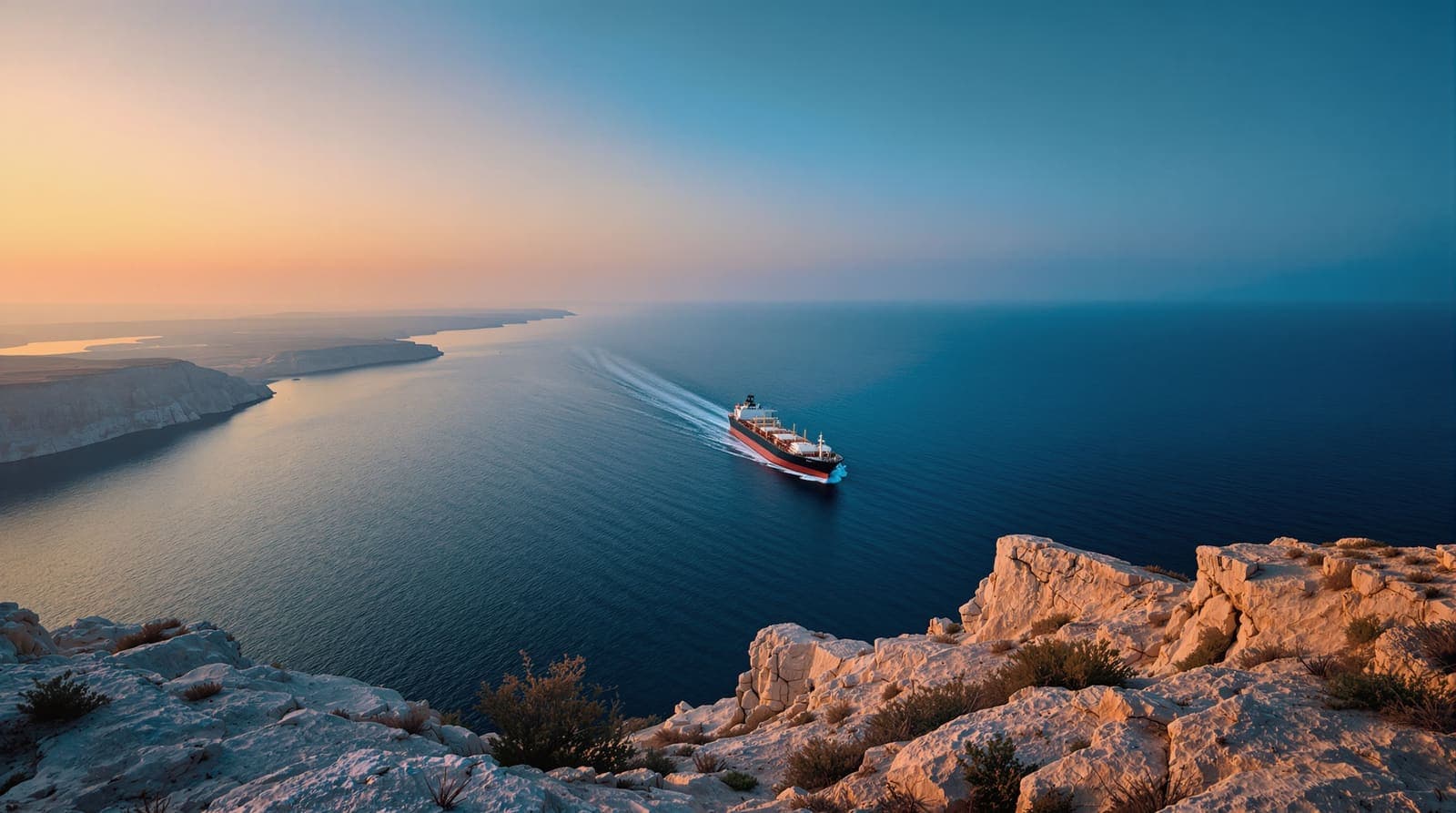
The Strait of Hormuz is the narrow waterway linking the Persian Gulf to the open sea, between Iran and the Arabian Peninsula, and it is a major route for oil shipments from the Gulf. The Times of Israel called it strategic and described the current confrontation as a seven-month-old conflict spanning the wider Middle East. Iran's ability to keep the strait shut, and the US blockade of Iran, are the two pressure points that appear on both sides of the reported offer.
The midterm elections
US midterm elections are held halfway through a presidential term and decide seats in Congress. The reports tie the timing of any resumed strikes to the November vote, and The Jerusalem Post framed the story as Trump expecting the war to continue after the elections.
Where the accounts differ
The reports do not describe the Hormuz element in the same way. Ynet and The Times of Israel present the proposal as one in which Iran would reopen the strait. Abu Ali Express headlined it as a plan to open the strait within 7 days, yet the Al Mayadeen terms it quoted say the strait would remain closed during those 7 days. Ynet also mentions a return to nuclear talks, which does not appear in the Al Mayadeen list as published.
What the reports do not say
None of the reports quotes Trump or the White House directly, and no official US or Iranian statement confirming the rejection is included in the material. The US officials cited by the Journal are not named. The Al Mayadeen terms are attributed to a single outlet and have not been confirmed by either government. The reports do not say what scale of strikes is under consideration, whether Israel was consulted, or how Iran intends to respond.
מקורות וקריאה נוספת
פתחנו ובדקנו כל קישור כאן בזמן כתיבת העמוד. הודעות רשמיות מסומנות ככאלה: זו הגרסה של הגורם עצמו, לא גרסה עצמאית.
- כתבותyediothynet.co.ilYnet
- כתבותyediotht.meYnet alerts
- כתבותtoitimesofisrael.comThe Times of Israel
- כתבותjpostjpost.comThe Jerusalem Post
- כתבותabualiexpresst.meAbu Ali Express
- כתבותabualiexpresst.meAbu Ali Express
איך בדקנו את זה
The rejection is reported by Ynet, The Times of Israel, The Jerusalem Post and Abu Ali Express, all citing the Wall Street Journal and its unnamed US officials; we have not seen an official US or Iranian confirmation. The detailed terms of the offer come only from Al Mayadeen, as relayed by Abu Ali Express.
מדיניות המקורות והתיקונים שלנו →השבוע מישראל, במייל אחד
הכתבות שהיו חשובות, עם מקורות ובדיקה של מערכת Israel.com. חינם, פעם בשבוע, הסרה בלחיצה אחת.
רשימה אחת, הסרה בלחיצה. קראו את מדיניות הפרטיות שלנו.
עוד במדור ביטחון
למדור ביטחון →

הכתבות האחרונות
- החשוד שזרק מלחיות על בנט קילל אותו בחקירה
- נתניהו ציטט באו"ם את אחיו יוני ב-1967, "אין לנו ברירה אחרת"
- נתניהו קרא לנשיאי פרגוואי, פנמה ובוליביה להצטרף להסכמי יצחק
- נתניהו נפגש עם מיליי באו"ם ושיבח את המהפכה הכלכלית שלו בארגנטינה
- משרד החינוך ואינטל חתמו בניו יורק על הסכם לקידום בינה מלאכותית ומקצועות STEM
- אוגדה תשעים ושמונה קיבלה את הפיקוד על חטיבות עציון ויהודה