דיווחים על תקיפות בנבטייה אל-פאוקא אחרי שמטען בדרום לבנון פצע שני חיילים
כלי תקשורת בעברית מציינים את מיקומי התקיפות הישראליות בעקבות מטען החבלה שפצע קל שני חיילי צה"ל בדרום לבנון.
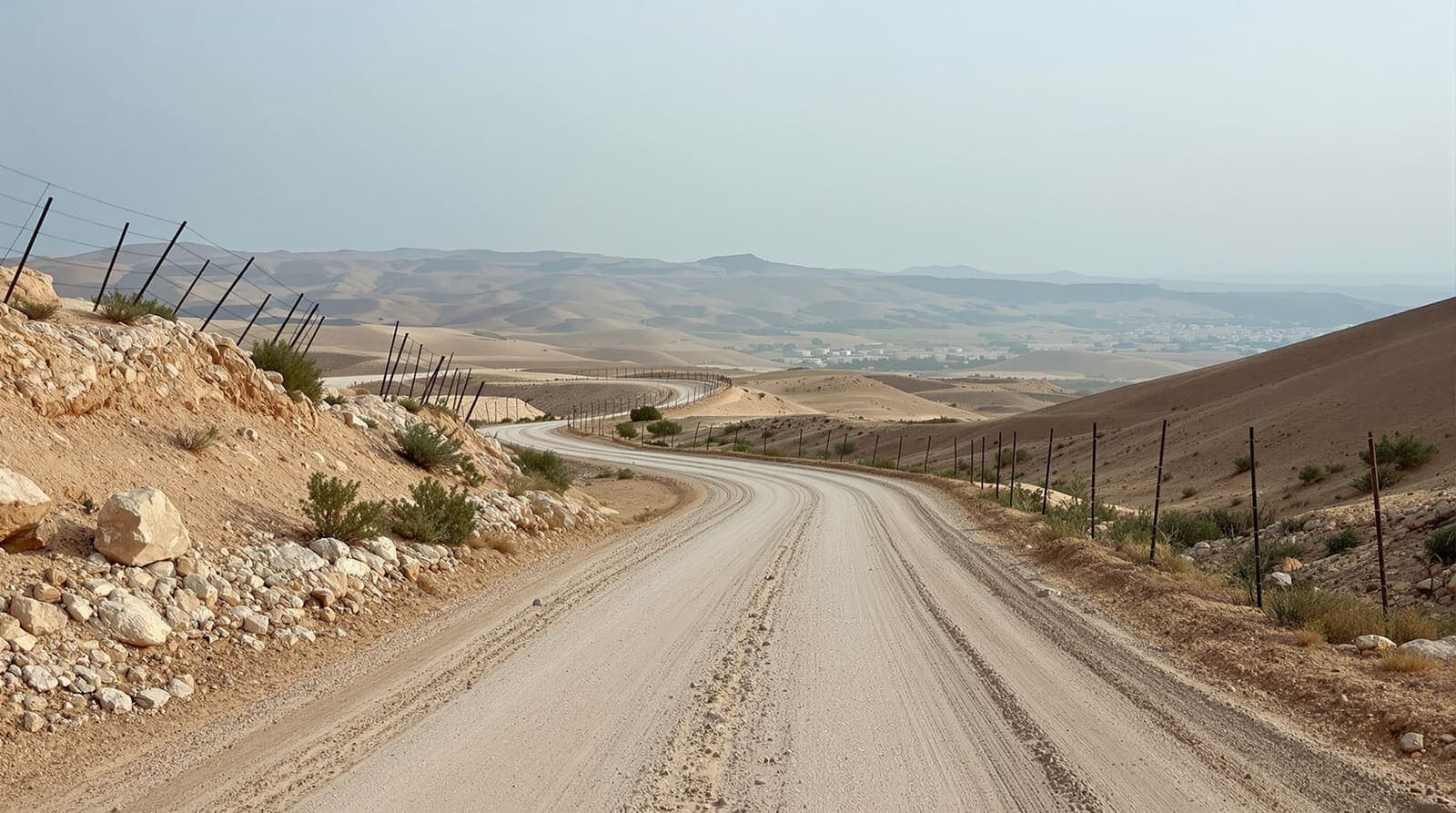
איור
עדכון אחד מאז הפרסום
- Hebrew outlets name Nabatieh al-Fawqa and the area between Haris and Haddatha as sites of Israeli strikes.
הכתבה הזאת עודכנה בזמן שהאירוע התפתח. הטקסט המוקדם נשמר מתחת לעדכונים ולא נכתב מחדש, כך שמה שהעמוד אמר בכל שלב עדיין נמצא בו.
הכתבה המלאה עדיין לא נכתבה בעברית, ולכן היא מובאת כאן באנגלית.
Update, 19 September, 20:08 Israel time
Hebrew-language outlets have begun naming locations for the Israeli strikes that followed the explosive device blast, detail the IDF statement did not provide.
Abu Ali Express reported at least four strikes by Israeli Air Force fighter jets on targets in Nabatieh al-Fawqa in southern Lebanon, and in a follow-up post tied those strikes to the military spokesperson's account of the engineering vehicle hitting the charge. The same channel later reported a further Israeli strike between the villages of Haris and Haddatha. The reports do not state whether that later strike formed part of the same response the IDF announced earlier.
מה המקורות פרסמו

🎯STRUCK: Hezbollah infrastructure in several areas in southern Lebanon. The strike was conducted in response to a Hezbollah explosive device in the Security Zone, that lightly injured 2 IDF soldiers that were in an IDF engineering vehicle. Among the targets struck were Show more

Two IDF soldiers were lightly injured by a Hezbollah explosive device in southern Lebanon this morning, the military says, prompting strikes on the terror group's sites. The IDF says an engineering vehicle was hit by a roadside bomb planted by Hezbollah inside the military's Show more
וידאו מאת Emanuel Fabian on X. הקישו כדי לנגן. שום דבר ממנו לא מוצג עד אז.
מהשטח

Israeli shelling injured two people in southern Lebanon as troops advanced towards border towns. Israeli army withdrew from the outskirts of Deir Mimas after a standoff with Lebanese soldiers. 🔗 aje.news/szgagx

Ynet's alert channel reported in the afternoon that there were reports in Lebanon of Israeli strikes in the south of the country, without specifying locations or a number of strikes.
Israeli end-of-day news roundups carried by Amit Segal and News.co.il summarised the day with the same two elements already on the record: the two lightly wounded soldiers and the retaliatory strikes on Hezbollah targets. Neither added new detail on the Lebanon incident.
There is still no Hezbollah statement, Lebanese government comment or independent account of casualties or damage on the Lebanese side in any of the material.
The story as first reported
An Israeli military engineering vehicle drove over an explosive device in southern Lebanon on Saturday morning, lightly wounding two soldiers, according to a statement issued by the Israel Defense Forces (IDF) spokesperson. The device was attributed by the military to Hezbollah, the Lebanese Shiite armed movement and political party, and the blast took place inside the area the IDF calls the Security Zone.
The two wounded soldiers were evacuated for medical treatment and their families were informed, the military said. The Times of Israel reported, citing the military, that the soldiers were taken to a hospital in good condition. In response, the IDF said it carried out strikes on Hezbollah infrastructure in several areas of southern Lebanon, including observation posts and sites the military said were used to plan and carry out attacks against its forces.
What the Security Zone is
The term used in the Hebrew statement, hamerhav habithoni, translates roughly as the security area or security space, and the IDF's own English wording renders it as the Security Zone. English-language coverage described the same ground differently: Emanuel Fabian, the Times of Israel's military correspondent, wrote that the engineering vehicle was hit by a roadside bomb planted inside the military's south Lebanon buffer zone. Both phrases refer to the strip of Lebanese territory north of the Israeli border where Israeli troops have remained deployed, and where the IDF says its forces continue to be positioned.
The distinction matters for readers trying to place the incident. This was not an attack on Israeli soil, and not a cross-border exchange of fire in the conventional sense. It was an explosive device on the ground in Lebanon, encountered by an Israeli unit operating there.
Why an engineering vehicle
Combat engineering units in the IDF handle route clearance, demolition of structures and the detection of buried munitions. An engineering vehicle moving through terrain is typically the first thing down a track precisely because the risk of mines and improvised devices is understood to be present. That the vehicle absorbed the blast, and that the injuries were classified as light, is consistent with the protective role those vehicles are built for, though the military did not characterise the vehicle's condition in its statement.
Israeli medical triage categories, used routinely in military and civilian casualty reporting, run from light through moderate to serious and critical. "Lightly injured" is a formal classification rather than a colloquial description, and it was the term used in the Hebrew alerts as well: Ynet's alert channel reported that two fighters were lightly wounded by the detonation of a charge under an engineering vehicle in southern Lebanon.
What the IDF said it struck
The military's account of its response was consistent across its Hebrew and English channels. The IDF's English-language account on X stated that Hezbollah infrastructure in several areas of southern Lebanon was struck, and that the targets included observation posts and infrastructure from which Hezbollah operatives had worked to advance and execute attacks on Israeli soldiers.
The Israeli broadcaster N12, in reporting by correspondent Nir Dvori, carried the same list of target types and attributed the footage of the strikes to the IDF spokesperson's unit. N12's account and the military's own statements do not diverge on any substantive point.
The pattern this fits
Incidents of this kind, in which an Israeli force in southern Lebanon encounters an explosive device and the military announces retaliatory strikes within hours, have become a recurring feature of the situation along the frontier. The sequence described here, a single device, light injuries, and a same-day response against fixed positions rather than a broader operation, is the shape such exchanges have generally taken. The IDF framed its strikes explicitly as a response, and said its forces remain deployed in the security area in southern Lebanon.
What the reports do not say
Several things remain unstated in all of the available material. Neither the IDF nor the news organisations gave the precise location of the blast, the unit involved, the ranks or names of the wounded soldiers, or the hospital they were taken to. No figure was given for how many strikes were carried out or how many sites were hit, beyond the word "several", and the military did not name the areas targeted.
There is no information in the reports about casualties or damage on the Lebanese side, and no Hezbollah statement, Lebanese government comment or response from the United Nations force in Lebanon appears in the material. It is also not stated when the device was planted, or whether the route had been used by Israeli forces before. Every element of the account above, including the attribution of the device to Hezbollah, rests on statements from the IDF; none of it has been independently confirmed by a party outside the Israeli military.
מקורות וקריאה נוספת
פתחנו ובדקנו כל קישור כאן בזמן כתיבת העמוד. הודעות רשמיות מסומנות ככאלה: זו הגרסה של הגורם עצמו, לא גרסה עצמאית.
- רשמיidft.meIDF spokesperson
- רשמיidfx.comIDF on X
- כתבותyediothynet.co.ilYnet
- כתבותyediotht.meYnet alerts
- כתבותtoitimesofisrael.comThe Times of Israel
- כתבותtoit.meEmanuel Fabian, Times of Israel military correspondent
- כתבותkeshett.meN12
- כתבותkeshett.meN12
- כתבותtoix.comEmanuel Fabian on X
- כתבותyediotht.meYnet alerts
- כתבותabualiexpresst.meAbu Ali Express
- כתבותabualiexpresst.meAbu Ali Express
- כתבותabualiexpresst.meAbu Ali Express
- כתבותamitsegalt.meAmit Segal
- כתבותnewssilt.meNews.co.il
איך בדקנו את זה
The wounding of the soldiers and the strikes rest entirely on IDF statements; the named strike locations come from a single Hebrew-language channel, Abu Ali Express, and have not been confirmed by the military or by Lebanese authorities.
מדיניות המקורות והתיקונים שלנו →השבוע מישראל, במייל אחד
הכתבות שהיו חשובות, עם מקורות ובדיקה של מערכת Israel.com. חינם, פעם בשבוע, הסרה בלחיצה אחת.
רשימה אחת, הסרה בלחיצה. קראו את מדיניות הפרטיות שלנו.
עוד במדור ביטחון
למדור ביטחון →

הכתבות האחרונות
- טראמפ נשא דברים בלי קול אחרי שהרשתות באמריקה השביתו את סיקור הפול
- תקלה בכבל סיבים אופטיים שיבשה טיסות בחוף המזרחי של ארה"ב
- רשתות הטלוויזיה בארה"ב השביתו את מאגר הכתבים בבית הלבן, טראמפ נשא דברים בלי קול
- צה"ל תקף מטרות חמאס בעזה אחרי שכלי הנדסי נפגע ממטען
- ארה"ב נערכת להטיל סנקציות שיחסמו את בית הדין בהאג מעסקאות בדולרים
- כלי הנדסי של צה"ל נפגע ממטען סמוך לקו הצהוב ברצועה