US aircraft fires on stern of ship trying to run Iran blockade in Gulf of Oman
US Central Command says it disabled a commercial vessel whose crew repeatedly tried to breach the naval blockade on Iran, the latest enforcement action at sea.
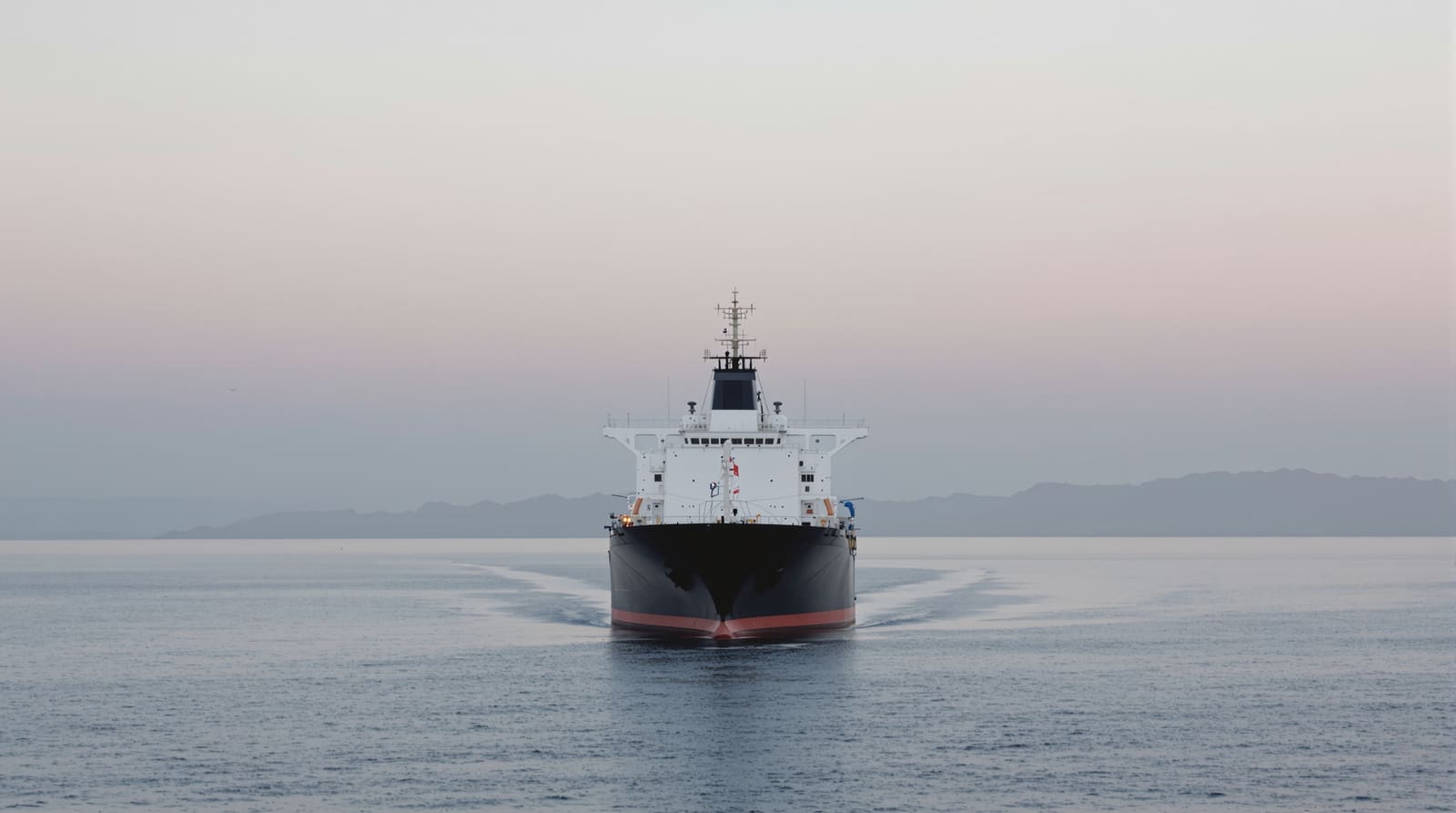
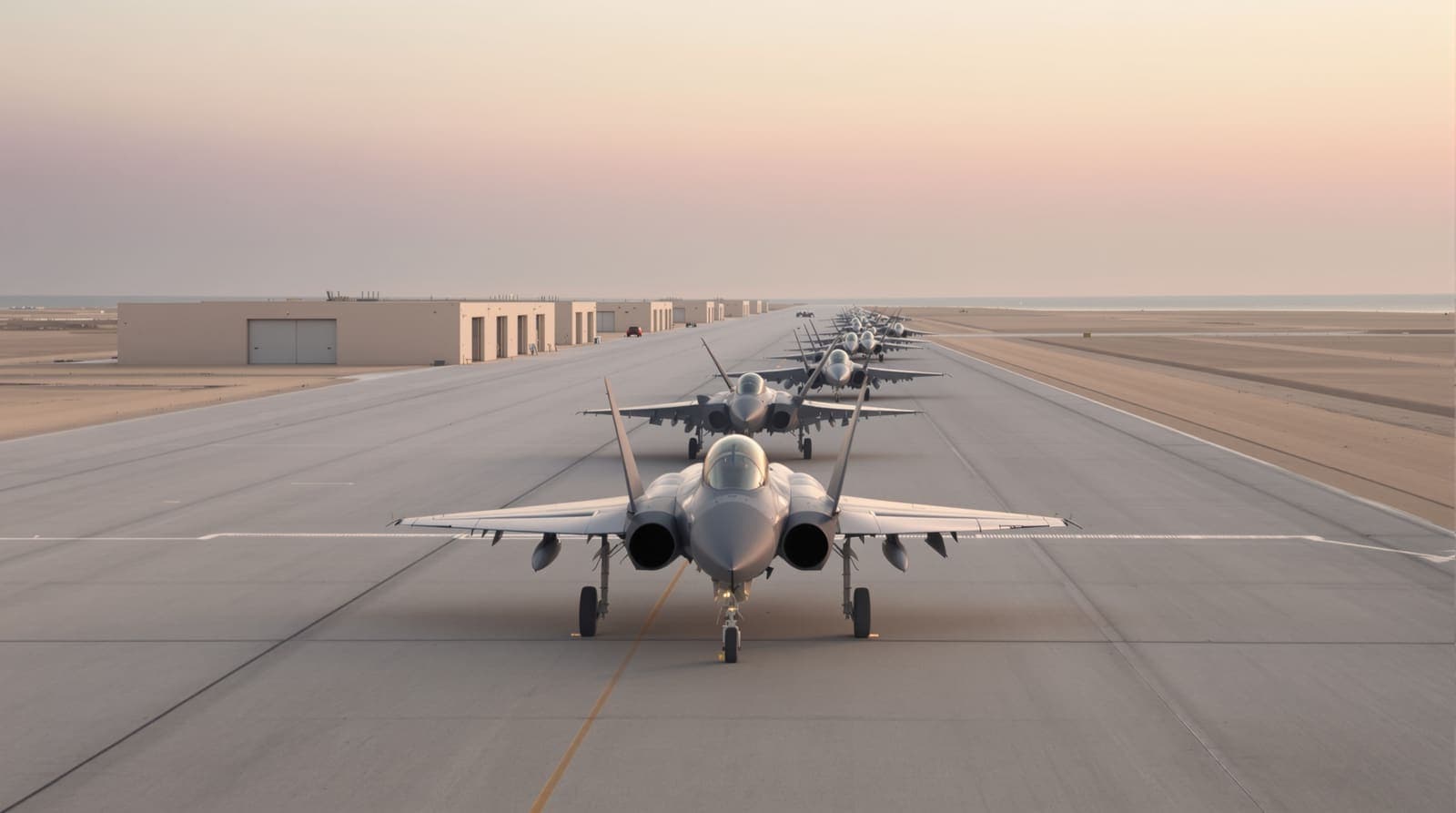
איור שנוצר בבינה מלאכותית, לא צילום של האירועים.
הכתבה המלאה עדיין לא נכתבה בעברית, ולכן היא מובאת כאן באנגלית.
A commercial ship attempting to get past the American naval blockade of Iran was put out of action by United States forces in the waters of the Gulf of Oman on November 7, according to US Central Command, the military headquarters that oversees American operations in the Middle East. The Times of Israel reported that the command said one of its aircraft fired on the rear of the ship, its stern, and left it unable to continue.
In its statement, Central Command said the civilian crew on board had disregarded warnings more than once and had made several attempts to breach the blockade before the strike. The command described the weapons used as "precision munitions". According to a post by journalist Barak Ravid on the N12 news channel, American forces instructed the crew to leave the parts of the vessel that had been marked as targets before the aircraft opened fire. The Hebrew-language outlet News.co.il reported, citing Central Command, that the ship was neutralised without any casualties among the crew.
What Central Command is
US Central Command, usually shortened to CENTCOM, is one of the Pentagon's regional combatant commands. Its area of responsibility covers the Middle East, including the waters around the Arabian Peninsula and Iran. Statements about American military activity in the region, including at sea, are typically issued through its official channels, and in this case the command announced the operation in a post on X that included images of the incident.
Where the Gulf of Oman is
The Gulf of Oman is the body of water lying between Oman on the Arabian Peninsula and the southern coast of Iran. It connects the Arabian Sea to the Strait of Hormuz, the narrow passage leading into the Persian Gulf. Because shipping bound for or leaving Iranian ports passes through these waters, they are a natural place for any force enforcing a maritime blockade of the country to intercept vessels.
How the operation unfolded
The reports, taken together, describe a sequence rather than a single sudden strike. Central Command said the crew had been warned repeatedly and that the vessel tried to push through the blockade on more than one occasion. Ravid's account adds that the crew were told to clear the targeted sections of the ship. Only after that, according to the same account, did a US military aircraft fire at the stern. Aiming at the stern, where a ship's engines, propellers and steering are usually located, is consistent with the stated goal of stopping the vessel rather than sinking it, and the command's own language speaks of disabling the ship.
השבוע בישראל בחמש ידיעות, בכל יום שישי
מקורות ובדיקה של מערכת Israel.com, עם זמני השבת. חינם, ואפשר להפסיק בלחיצה אחת.
רשימה אחת, הסרה בלחיצה. הפרטים במדיניות הפרטיות שלנו.
The Times of Israel carried the command's post in its live coverage, and the N12 channel published several short updates from Ravid over the course of the evening, first reporting the attack and then adding detail about the munitions and the warnings to the crew.
Why this matters
The episode shows the United States using force to stop a civilian ship it says was trying to evade the blockade on Iran. Central Command framed the action as a response to the crew's refusal to comply, stressing the warnings given and the instruction to vacate the targeted areas. For readers following the confrontation with Iran, it is an example of the blockade being enforced at sea with direct military action against a commercial vessel, not only through interceptions or turning ships away.
What the reports do not say
None of the reports identifies the vessel in full, its flag, its owner, its cargo or where it was heading, and the ship's name is cut off in the version of the command's post that was available. The statement that no crew members were hurt appears only in the News.co.il report, attributed to Central Command, and is not repeated in the other accounts. No response from Iran, from the ship's operators or from the crew has been reported, and the reports do not say what happened to the vessel and the people on board after it was disabled.
להמשך קריאה
למדור ביטחון →
איור
ביטחון
ימאי נהרג בפיצוץ במכלית היוונית MT Velos במפרץ, ככל הנראה מפגיעת טיל
איור
ביטחון
ישראל הזהירה את ארה"ב ומדינות המפרץ שאיראן עלולה להשתמש בנשק כימי, לפי ה"ניו יורק טיימס"
איור
ביטחון
פארס: תקיפה אמריקנית במפרץ הפרסי הרגה קברניט איראני
איור
ביטחון
ארה"ב הזהירה את בעלות בריתה במפרץ מתקיפות חדשות באיראן כבר ב-4 בנובמבר
מקורות וקריאה נוספת
פתחנו ובדקנו כל קישור כאן בזמן כתיבת העמוד. הודעות רשמיות מסומנות ככאלה: זו הגרסה של הגורם עצמו, לא גרסה עצמאית.
- כתבותtoitimesofisrael.comThe Times of Israel
- כתבותnewssilt.meNews.co.il
- כתבותkeshett.meN12
- כתבותkeshett.meN12
- כתבותkeshett.meN12
איך בדקנו את זה
The disabling of the vessel was reported by The Times of Israel, News.co.il and N12, all relying on US Central Command's statement; we have not independently verified it. The claim of no crew casualties appears only in the News.co.il report, and the detail about the crew being told to vacate targeted areas comes from Barak Ravid's posts on N12.
מדיניות המקורות והתיקונים שלנו →השבוע בישראל, במייל אחד
הכתבות החשובות, עם מקורות ואחרי בדיקה של מערכת Israel.com. חינם, פעם בשבוע, ואפשר להפסיק בלחיצה אחת.
רשימה אחת, הסרה בלחיצה. הפרטים במדיניות הפרטיות שלנו.
הכתבות האחרונות
איור

צילום ארכיון
צילום ארכיון

צילום ארכיון

צילום ארכיון

צילום ארכיון