Bahrain says no Hormuz talks with Iran until ties are restored
Manama will not join any meeting with Tehran on the Strait of Hormuz until diplomatic relations severed in 2016 are re-established, state media said.
איור
הכתבה המלאה עדיין לא נכתבה בעברית, ולכן היא מובאת כאן באנגלית.
Bahrain will not take part in any meeting with Iran about the Strait of Hormuz unless and until the two countries restore diplomatic relations, The Times of Israel reported, citing Bahraini state media. The statement sets a precondition on any Bahraini participation in discussions over one of the world's most sensitive shipping corridors.
The same position was carried by Ynet in a news alert, which said Bahrain was ruling out a meeting with Iran on Hormuz until diplomatic ties are renewed. Neither report named which body had proposed such a meeting, when it was expected to take place, or which other states had been invited.
מהשטח

Houthi advances toward the Bab al-Mandeb Strait threaten maritime traffic and regional security. Security analyst Wolfgang Pusztai discusses the impact on Saudi Arabia, global trade and the Strait of Hormuz.
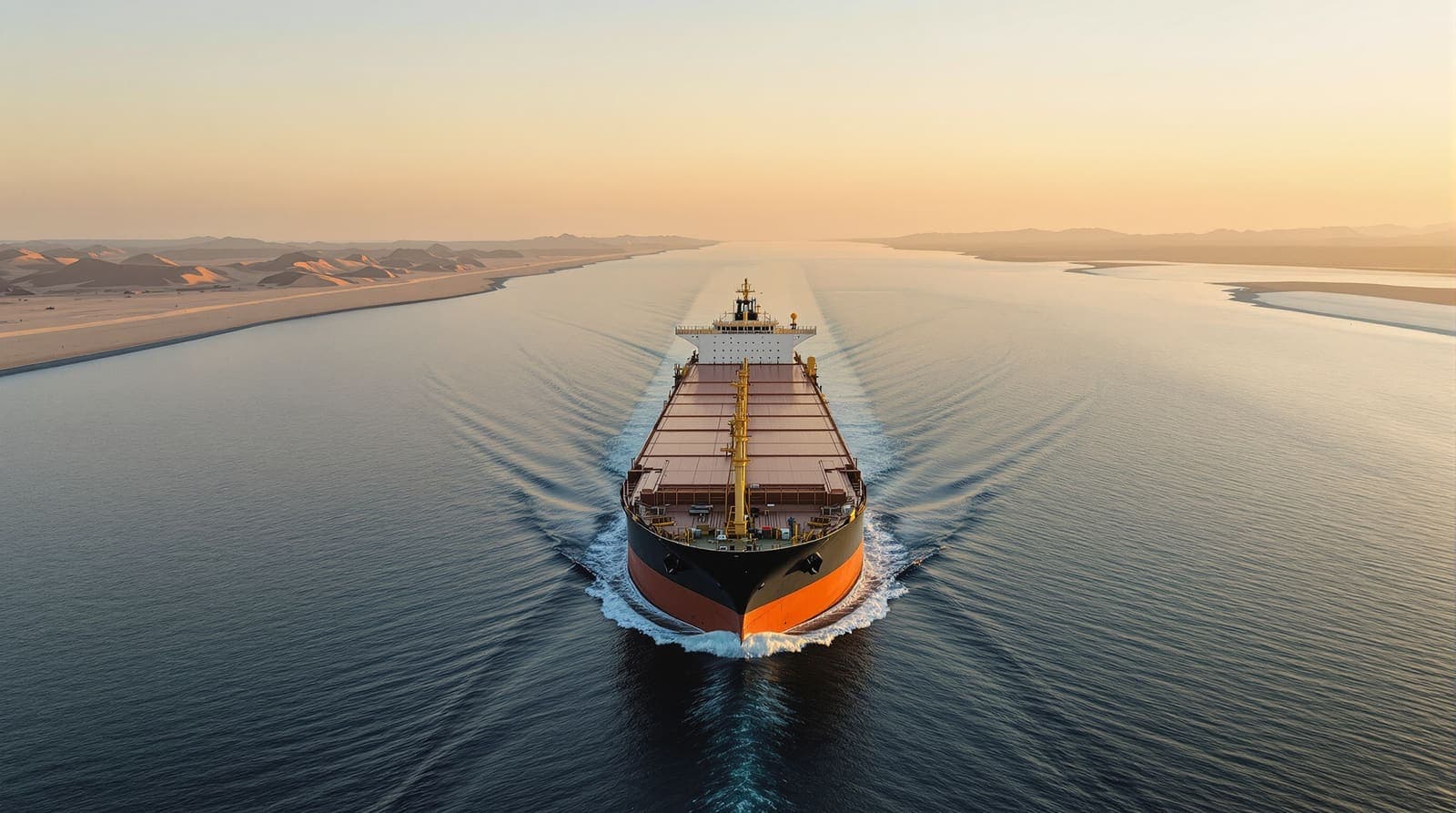
Where the Strait of Hormuz is and why it is discussed
The Strait of Hormuz is the narrow sea passage linking the Persian Gulf to the open waters beyond it, bordered by Iran on one side and the Arabian Peninsula on the other. It is the single maritime exit for oil and gas shipped out of the Gulf states, which is why proposals for talks involving the littoral countries draw attention well outside the region. Bahrain, an island kingdom in the Gulf whose capital is Manama, is one of those coastal states.
The break in relations Bahrain wants reversed first
Bahrain cut diplomatic relations with Iran in 2016, following the lead of Saudi Arabia, The Times of Israel reported. The break came after Saudi diplomatic premises in Iran were stormed by protesters who were demonstrating against the execution of a Shia cleric. Riyadh downgraded its own ties with Tehran at that point, and several Arab states aligned themselves with the Saudi move.
That history matters for how the current refusal should be read. Bahrain is not declining to discuss the strait as such. According to the state media account relayed by The Times of Israel, it is making attendance conditional on the restoration of formal diplomatic ties, which means any diplomatic process on Hormuz that assumes Bahraini participation would first have to deal with a rupture that predates the current fighting by years.
Bahrain and the Iran war
The Times of Israel reported that Bahrain has been hit by Iranian missile and drone strikes since the war between Iran on one side and the United States and Israel on the other began in February. The report did not describe the damage or casualties from those strikes, nor did it say how many attacks Bahrain has absorbed.
Bahrain's position therefore comes from a state that says it has been directly struck in the conflict, rather than from a neutral party. The Ynet alert, which was brief, did not mention the strikes at all and confined itself to the substance of the refusal and the condition attached to it.
What the two reports agree on
Both organisations report the same core fact in the same terms: Bahrain will not attend a Hormuz meeting with Iran, and the stated obstacle is the absence of diplomatic relations. There is no visible disagreement between them on the substance. The difference is one of detail, with The Times of Israel adding the 2016 rupture and the strikes on Bahraini territory as background, and Ynet carrying the headline point alone.
What the reports do not say
A number of basic questions are left open by the material available. Neither report identifies the Bahraini official or ministry that issued the statement, beyond attributing it to state media. Neither says who convened or proposed the Hormuz meeting, whether it is a multilateral initiative or a bilateral approach from Tehran, or whether any date or venue had been set.
The reports also do not say how Iran responded, or whether other Gulf states had agreed to attend. There is no indication in the material of any active process to restore Bahraini-Iranian relations, nor of what conditions either side would attach to such a step. Nothing in the two reports addresses whether shipping through the strait is currently disrupted.
Israel.com has not independently verified the Bahraini statement, which in both reports traces back to Bahraini state media.
מקורות וקריאה נוספת
פתחנו ובדקנו כל קישור כאן בזמן כתיבת העמוד. הודעות רשמיות מסומנות ככאלה: זו הגרסה של הגורם עצמו, לא גרסה עצמאית.
- כתבותyediotht.meYnet alerts
- כתבותtoitimesofisrael.comThe Times of Israel
איך בדקנו את זה
The Times of Israel and Ynet both reported the Bahraini refusal, with The Times of Israel attributing it to Bahraini state media; the account of the 2016 break in relations and of Iranian strikes on Bahrain comes from The Times of Israel alone. Israel.com has not independently verified the statement.
מדיניות המקורות והתיקונים שלנו →השבוע מישראל, במייל אחד
הכתבות שהיו חשובות, עם מקורות ובדיקה של מערכת Israel.com. חינם, פעם בשבוע, הסרה בלחיצה אחת.
רשימה אחת, הסרה בלחיצה. קראו את מדיניות הפרטיות שלנו.
עוד במדור ביטחון
למדור ביטחון →

הכתבות האחרונות
- טראמפ נשא דברים בלי קול אחרי שהרשתות באמריקה השביתו את סיקור הפול
- תקלה בכבל סיבים אופטיים שיבשה טיסות בחוף המזרחי של ארה"ב
- רשתות הטלוויזיה בארה"ב השביתו את מאגר הכתבים בבית הלבן, טראמפ נשא דברים בלי קול
- צה"ל תקף מטרות חמאס בעזה אחרי שכלי הנדסי נפגע ממטען
- ארה"ב נערכת להטיל סנקציות שיחסמו את בית הדין בהאג מעסקאות בדולרים
- כלי הנדסי של צה"ל נפגע ממטען סמוך לקו הצהוב ברצועה