Bereaved families halt Knesset vote on panel to repeal attorney general law
A Knesset session to choose who will chair a committee on repealing the attorney general law was stopped after bereaved families insisted on speaking before any vote.
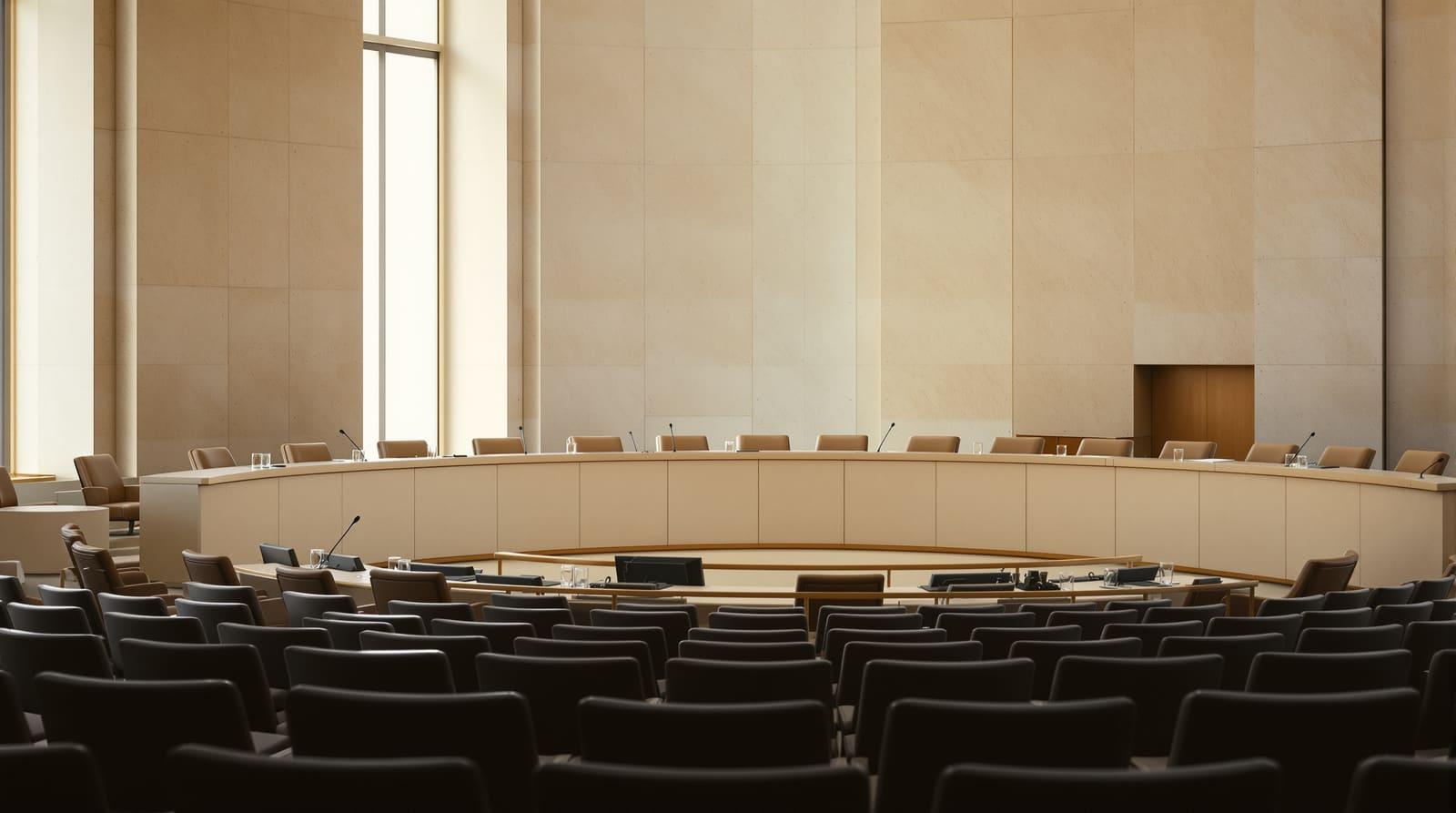
איור שנוצר בבינה מלאכותית, לא צילום של האירועים.
הכתבה המלאה עדיין לא נכתבה בעברית, ולכן היא מובאת כאן באנגלית.
A Knesset session convened to pick a chair for a committee that is to handle the repeal of a law concerning the attorney general was halted on Monday morning after bereaved families present in the room refused to let the vote go ahead. N12 political correspondent Dafna Liel reported that the families made clear they would block the vote until they had been given the chance to speak, and that the discussion was stopped as a result.
Minutes before that report, Ynet described the scene as an uproar breaking out in a Knesset committee. According to the Ynet alert, a participant identified as Reiten responded by saying that all of the bereaved families would speak and that the committee has rules of procedure. Ynet's short alert does not give Reiten's full name or role in the session.
What was being decided
The item on the agenda was procedural: choosing who would chair a committee that is to deal with cancelling what the Hebrew reports call the attorney general law. The reports use the Hebrew abbreviation for the attorney general in its feminine form, a reference to the woman who currently holds the post. Neither report explains what the law in question contains, which bill or proposal would repeal it, or which parties support or oppose the repeal.
In Israel the attorney general is the government's chief legal adviser and heads the state's public prosecution system. The office advises ministers on whether their decisions are lawful, represents the government in court and has the final say on whether to indict public officials. Because of that role, legislation touching the office tends to draw attention well beyond the Knesset, Israel's single-chamber parliament.
How Knesset committees work
Much of the Knesset's legislative work happens in committees rather than in the full plenum. Bills are sent to a committee to be prepared for their readings, and in some cases a special committee is set up to handle a particular piece of legislation. Choosing the chair of such a committee matters because the chair controls the agenda, sets the pace of discussion and decides who is invited to speak.
מייל ביום שבו תושבע הממשלה החדשה.
המגעים להרכבת הקואליציה יכולים להימשך שבועות. כשהממשלה החדשה מושבעת, מערכת החדשות של Israel.com שולחת במייל מי עומד בראשה, אילו מפלגות נכללות בה ומי קיבל איזה תיק, ואחר כך את המייל של יום שישי בכל שבוע. חינם, וההסרה בלחיצה אחת.
רשימה אחת, הסרה בלחיצה. הפרטים במדיניות הפרטיות שלנו.
Committee sessions are generally open to members of the public and to interested groups, who can be given time to address the members. That practice explains the reference in the Ynet alert to rules of procedure: the dispute, as reported, was over whether the families would be heard before the vote was held.
Who the bereaved families are
In Israeli usage, bereaved families are families who have lost a relative in war, in military service or in a terror attack. They hold a distinctive place in Israeli public life, and their appearances before the Knesset and government ministers often carry considerable weight in public debate. Groups of bereaved families have in recent years been active on a range of political questions.
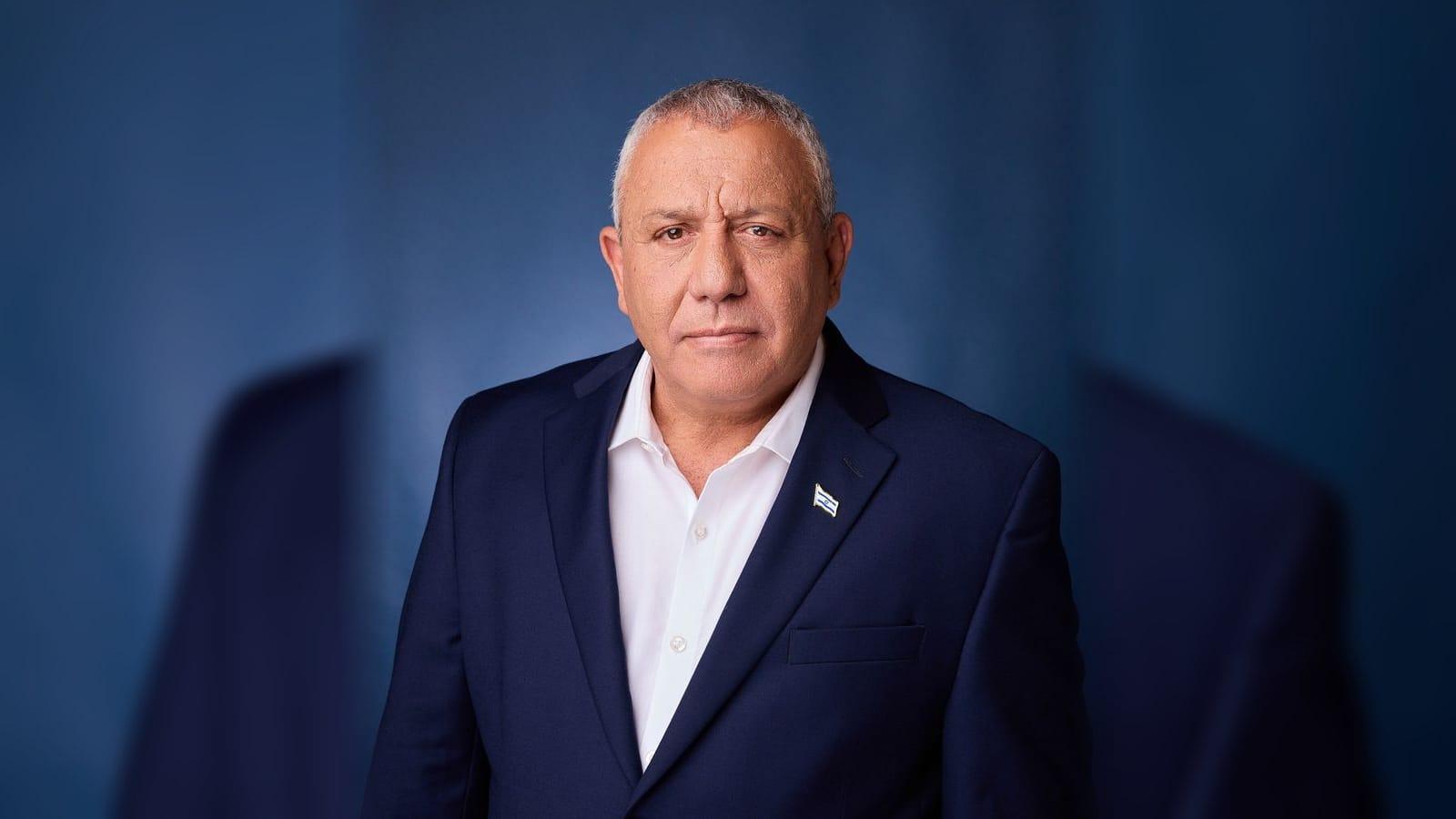
צילום ארכיון
הכתבה הבאה פוליטיקה
צוותי "ישר!" של איזנקוט והליכוד ייפגשו שוב בכנסת למרות התנגדות גולן
The reports do not say which families attended this session, whether they belong to an organised group, or what position they hold on the attorney general law or its repeal. N12 reported only that they demanded to speak before the vote and that they would not allow it to take place otherwise.
How the reports compare
The two organisations describe the same disruption from different angles. N12 links it directly to the vote on the committee chair and states that the discussion was stopped. Ynet reports a commotion in a Knesset committee and the response from Reiten, but its alert does not name the committee or say whether the session was suspended. N12 published its report twice, the second version marked as edited; the substance of the two versions is the same.
What the reports do not say
The reports do not say whether the vote has been rescheduled or who the candidates for the chair were. They do not explain what the attorney general law provides or why its repeal is being sought, and they do not report any response from the attorney general's office, the government or opposition parties. It is also not stated whether the families were eventually allowed to speak.
להמשך קריאה
למדור פוליטיקה →
צילום ארכיון
פוליטיקה
יאיר גולן קורא להפסיק את מה שכינה מגעי שקר עם הליכוד ולהקים ממשלה

איור
פוליטיקה
רוב של 63 חברי כנסת פועל לבטל את חוקי המהפכה המשפטית

צילום ארכיון
פוליטיקה
הרצוג אירח את ראשי בית המחוקקים של בוליביה, המשלחת הראשונה מזה 20 שנה

איור
פוליטיקה
הליכוד וישר פרסמו הודעה משותפת אחרי השיחות בהרצליה ויקיימו סבב נוסף
מקורות וקריאה נוספת
פתחנו ובדקנו כל קישור כאן בזמן כתיבת העמוד. הודעות רשמיות מסומנות ככאלה: זו הגרסה של הגורם עצמו, לא גרסה עצמאית.
- כתבותyediotht.meYnet alerts
- כתבותkeshett.meN12
- כתבותkeshett.meN12
איך בדקנו את זה
The disruption was reported separately by N12, citing correspondent Dafna Liel, and by Ynet. The statement that the session was stopped comes from N12; the remark about rules of procedure is attributed to Reiten by Ynet alone.
מדיניות המקורות והתיקונים שלנו →השבוע בישראל, במייל אחד
הכתבות החשובות, עם מקורות ואחרי בדיקה של מערכת Israel.com. חינם, פעם בשבוע, ואפשר להפסיק בלחיצה אחת.
רשימה אחת, הסרה בלחיצה. הפרטים במדיניות הפרטיות שלנו.

Israel.com נשאר חינמי בזכות קוראים כמוך.
מערכת החדשות של Israel.com בודקת כל ידיעה מול המקורות שלה ומפרסמת אותה בחינם. אם הידיעה עזרה לך, תמיכה בכל סכום שומרת גם את הבאה חינמית.
תשלום אחד, בלי הרשמה. סכום אחרתמיכה חודשית
הכתבות האחרונות

איור
איור

צילום ארכיון
איור

איור

איור