Eisenkot calls Netanyahu's attacks on Arab citizens racist, plays down defection threat
The Yashar leader, tasked with forming a government but holding only 48 seats, says Netanyahu is fuelling anti-Arab racism and vows to try for an emergency government.
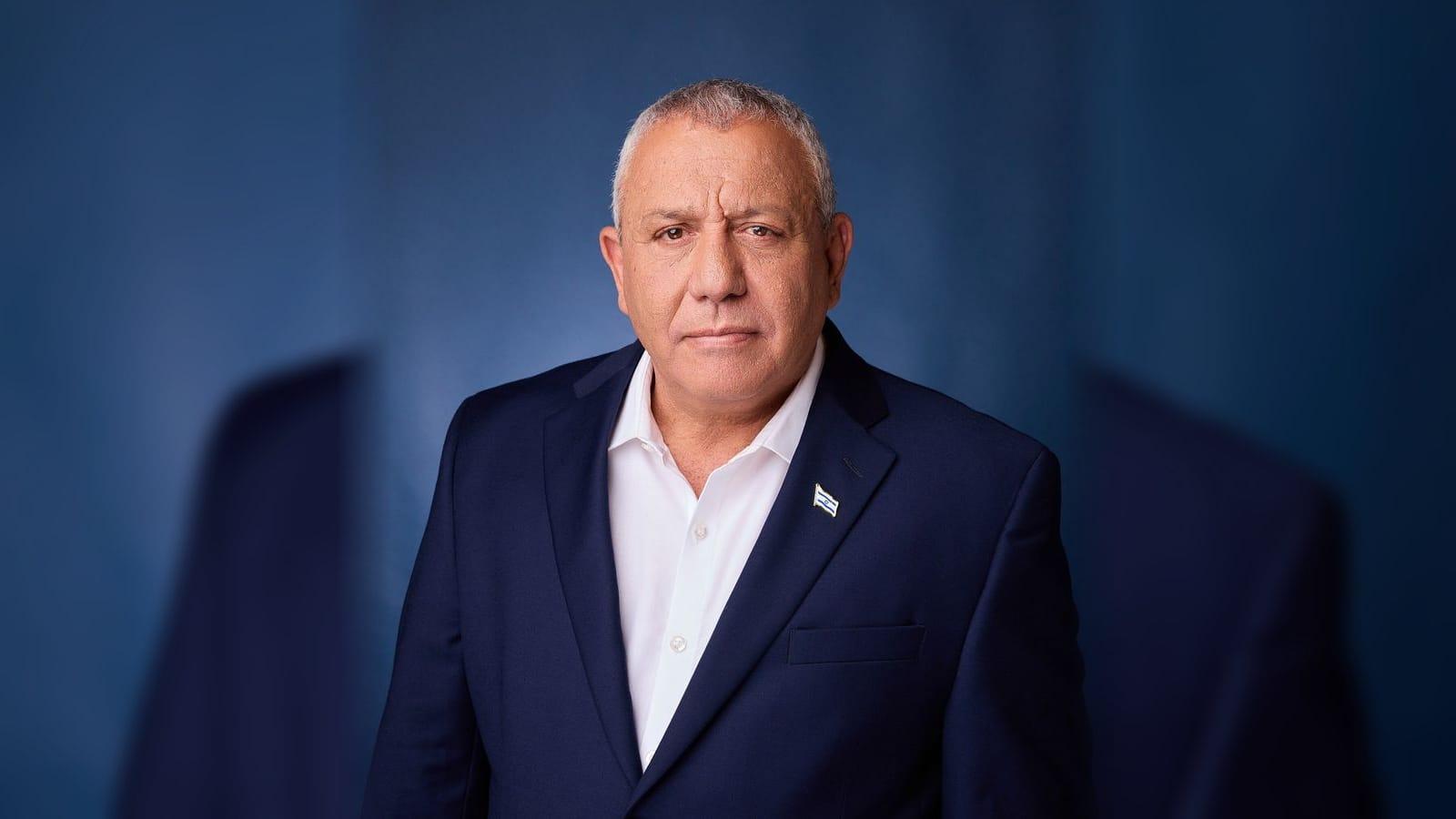
Gadi Eisenkot. צילום ארכיון: יהב טרודלר (Yahav Trudler - Yahav Studio), CC BY-SA 3.0, מתוך ויקישיתוף.
הכתבה המלאה עדיין לא נכתבה בעברית, ולכן היא מובאת כאן באנגלית.
Gadi Eisenkot, chairman of the Yashar party and the lawmaker currently tasked with forming Israel's next government, has accused Prime Minister Benjamin Netanyahu of stoking racism against the country's Arab citizens since the October 27 election. Haaretz reported that Eisenkot responded on Friday to Netanyahu's recent attacks on Arab citizens and on their elected representatives in the Knesset, calling those attacks "racist and violent."
In what The Times of Israel described as a lengthy statement, Eisenkot also said he would "exhaust all possibilities" to put together what he called an "emergency government," and said he was "not troubled" by a reported threat from one of his own party's lawmakers, Elyasaf Peretz, to quit if Yashar enters a coalition with Arab lawmakers.
מהשטח

"I think the time has come for Netanyahu to say GOODBYE and leave politics." Former Knesset Member and Israeli Minister Meir Sheetrit urges Eisenkot to include Arab lawmakers in his coalition while criticizing Netanyahu's leadership and calling for his departure from politics.
וידאו מאת Al Arabiya English. אפשר להקיש כדי לנגן. שום דבר ממנו לא מוצג עד אז.
A mandate without a majority
The Knesset is Israel's parliament, and a government needs the backing of at least 61 of its members to take office. After an election, one lawmaker is given the task of assembling a coalition that can reach that figure. Eisenkot received that mandate after the October 27 vote, but according to The Times of Israel the bloc of parties around him holds only 48 seats, leaving him well short.
The newly elected Knesset, the 26th, was sworn in on November 10, 2026. Netanyahu, whose own bloc did not secure the mandate, remains in office in the meantime. Haaretz refers to him as the caretaker prime minister, a term used in Israel for a premier who continues to run the country until a new government is approved by parliament.
Why the Arab parties matter to the arithmetic
Arab citizens are a minority within Israel, and the parties that mainly represent them sit in the Knesset alongside Jewish-majority parties. The Times of Israel reported that the Arab parties hold 19 seats and, like Eisenkot's bloc, oppose Netanyahu. On paper, that makes them a possible path to a majority for anyone trying to replace him.
מייל ביום שבו תושבע הממשלה החדשה.
המגעים להרכבת הקואליציה יכולים להימשך שבועות. כשהממשלה החדשה מושבעת, מערכת החדשות של Israel.com שולחת במייל מי עומד בראשה, אילו מפלגות נכללות בה ומי קיבל איזה תיק, ואחר כך את המייל של יום שישי בכל שבוע. חינם, וההסרה בלחיצה אחת.
רשימה אחת, הסרה בלחיצה. הפרטים במדיניות הפרטיות שלנו.
The obstacle is inside Eisenkot's own camp. According to The Times of Israel, much of his bloc has objected to forming a coalition that depends on Arab lawmakers. The reported threat by Peretz, a Yashar member of the Knesset, is one expression of that resistance. Eisenkot's comment that he is not troubled by it suggests he does not expect defections, though his statement as reported does not explain why.
Netanyahu's attacks on Arab citizens and their representatives come against this background. The reports frame them as part of the post-election contest over whether a government can be formed with Arab support, and Eisenkot's response treats them as an effort to make that option politically untouchable.
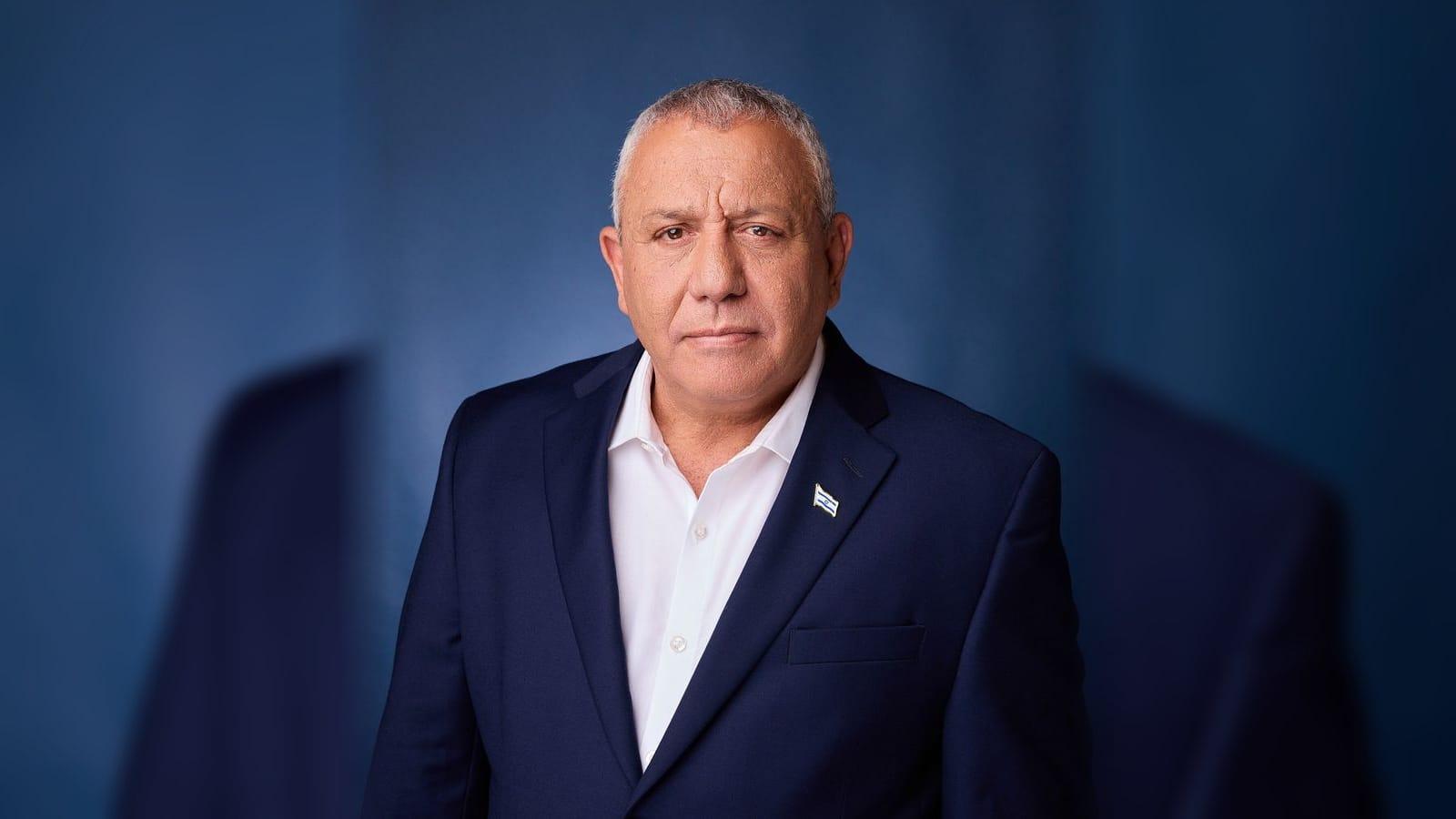
צילום ארכיון
הכתבה הבאה ביטחון
The security briefing
Eisenkot also referred to a security briefing he received from Netanyahu on Thursday. He said he would not reveal what he was told. The Times of Israel quoted him as saying that both the security situation and conditions at home require close oversight, a point he appears to link to his call for an emergency government. Briefings of this kind give the person trying to form a government a view of classified matters before any handover of power.
What an emergency government would mean
Eisenkot did not, in the material available, set out who would sit in the government he described or on what terms. The phrase signals a coalition justified by urgent circumstances rather than by ordinary political alignment, but the reports do not say which parties he has approached or whether any have agreed to talks.
How the two reports compare
The two outlets agree on the core of the story: Eisenkot accused Netanyahu of racism directed at Arab citizens. Haaretz, whose full article is behind a paywall, highlights the words "racist and violent" and places the response on Friday. The Times of Israel focuses on the wider statement, including the coalition pledge, the Peretz threat and the security briefing. Neither report contradicts the other.
What the reports do not say
Neither report includes a response from Netanyahu or his Likud party to Eisenkot's accusations, nor does either quote the specific remarks by Netanyahu that Eisenkot was answering. Peretz's threat is described as reported, and there is no statement from Peretz himself confirming it. The reports also do not say whether Eisenkot intends to seek support from the Arab parties, or what the Arab parties have said about joining or backing a government he leads.
להמשך קריאה
למדור בחירות →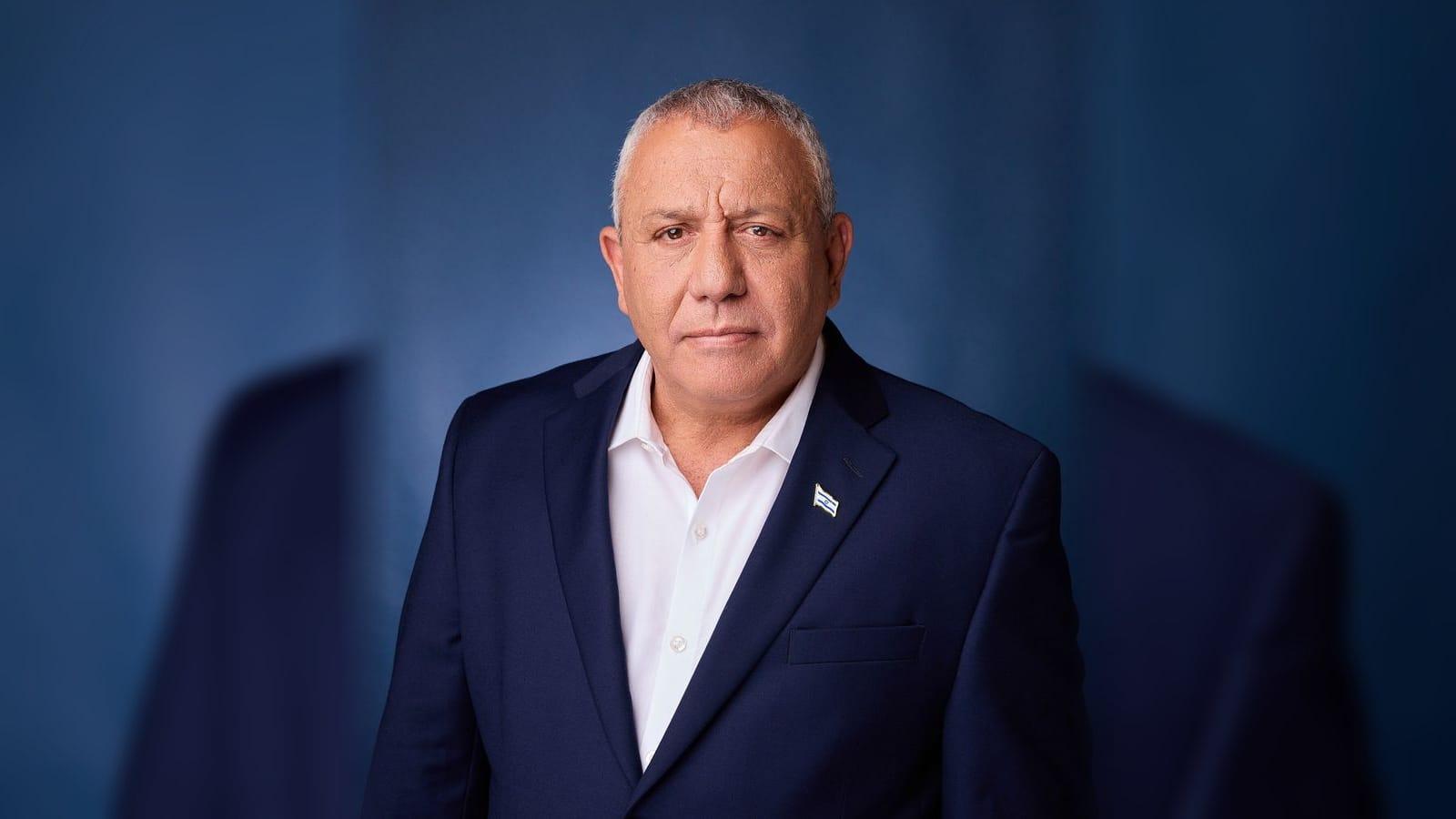
צילום ארכיון
פוליטיקה
איזנקוט מאשים את נתניהו בעיכוב כינוס ועדת החוץ והביטחון
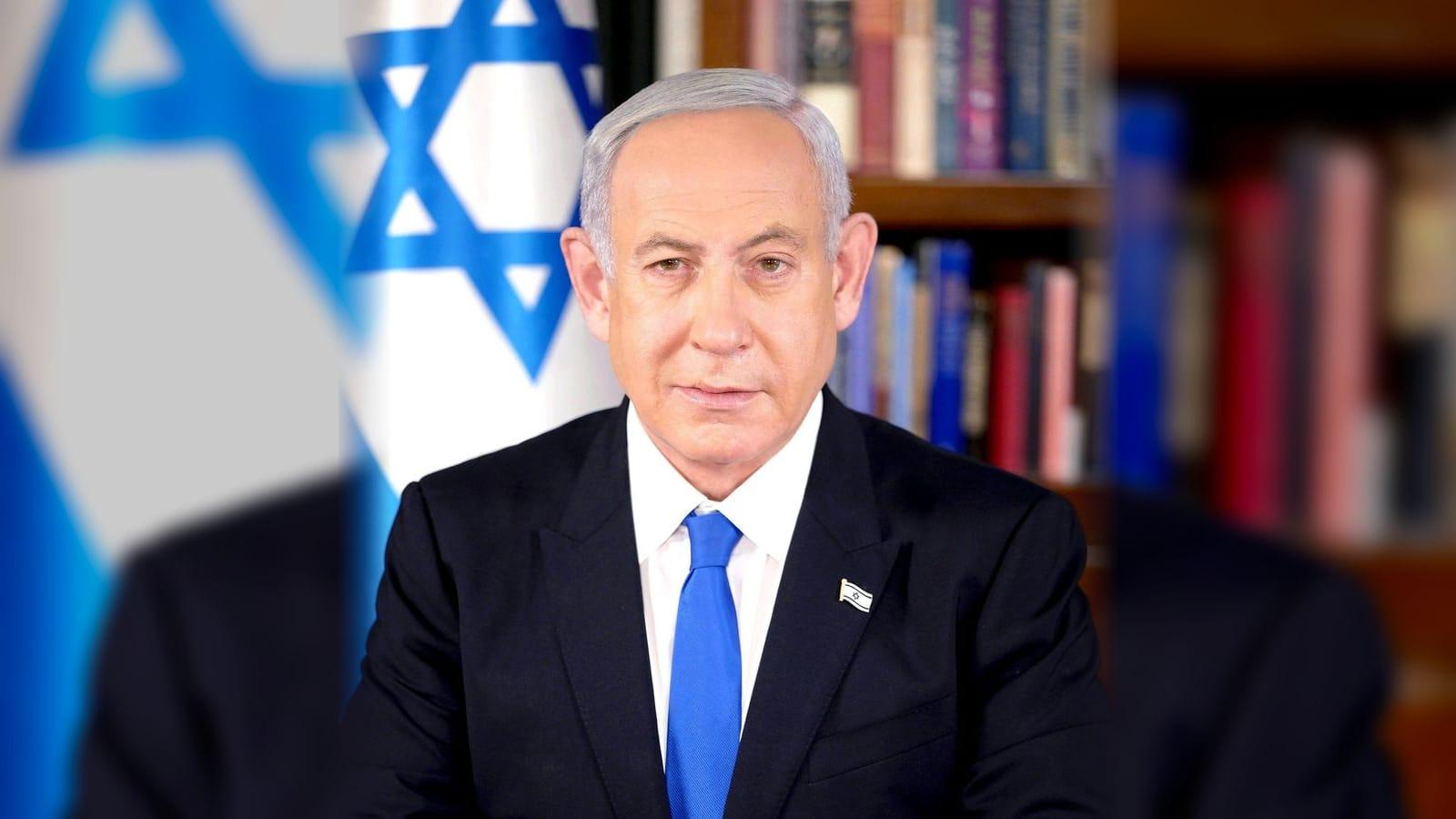
צילום ארכיון
בחירות
תדריך הביטחון של נתניהו לאיזנקוט הסתיים אחרי כשעתיים
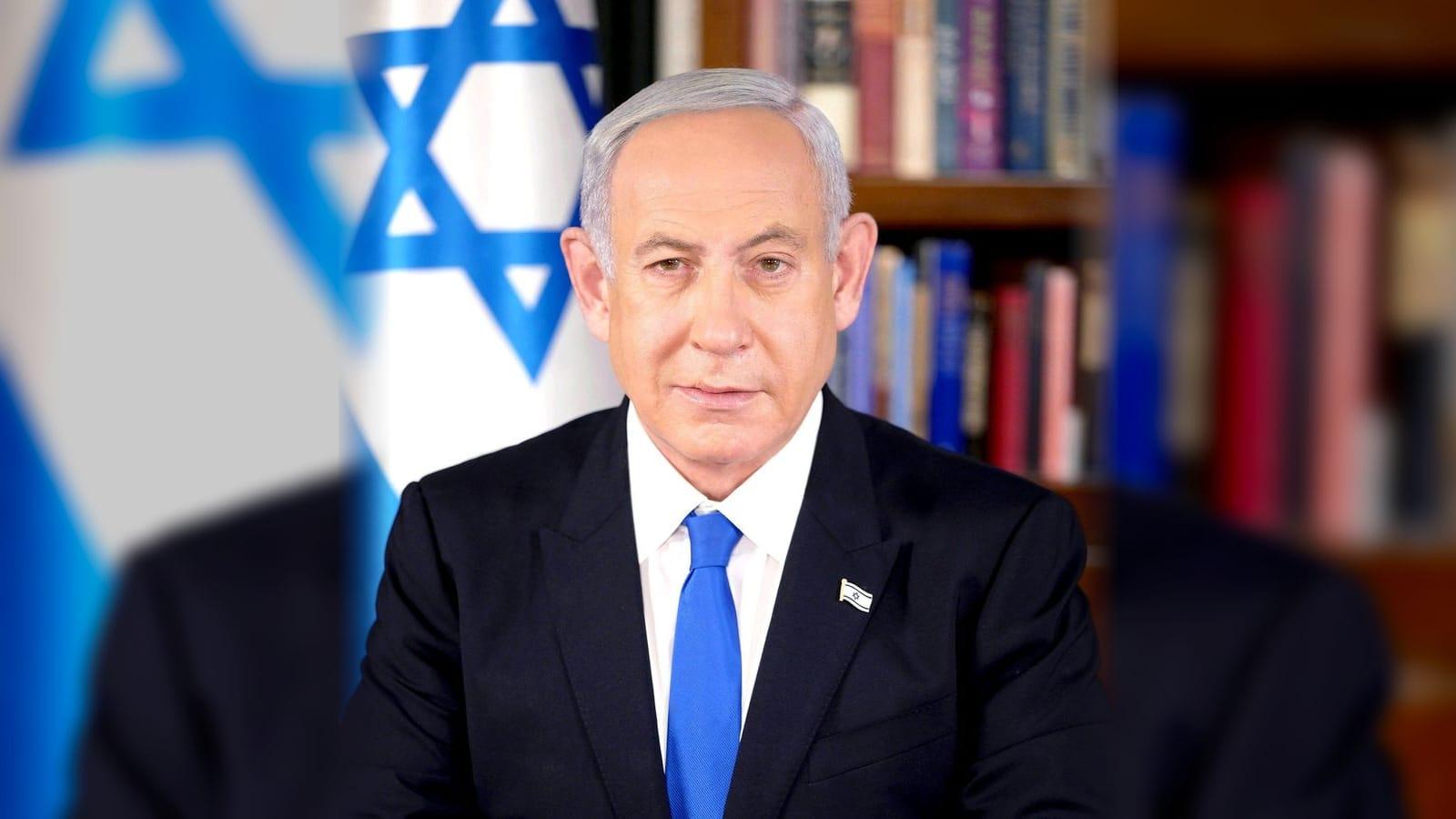
צילום ארכיון
בחירות
לשכת נתניהו מגדירה את מכתבו הפומבי של איזנקוט בענייני ביטחון חסר אחריות
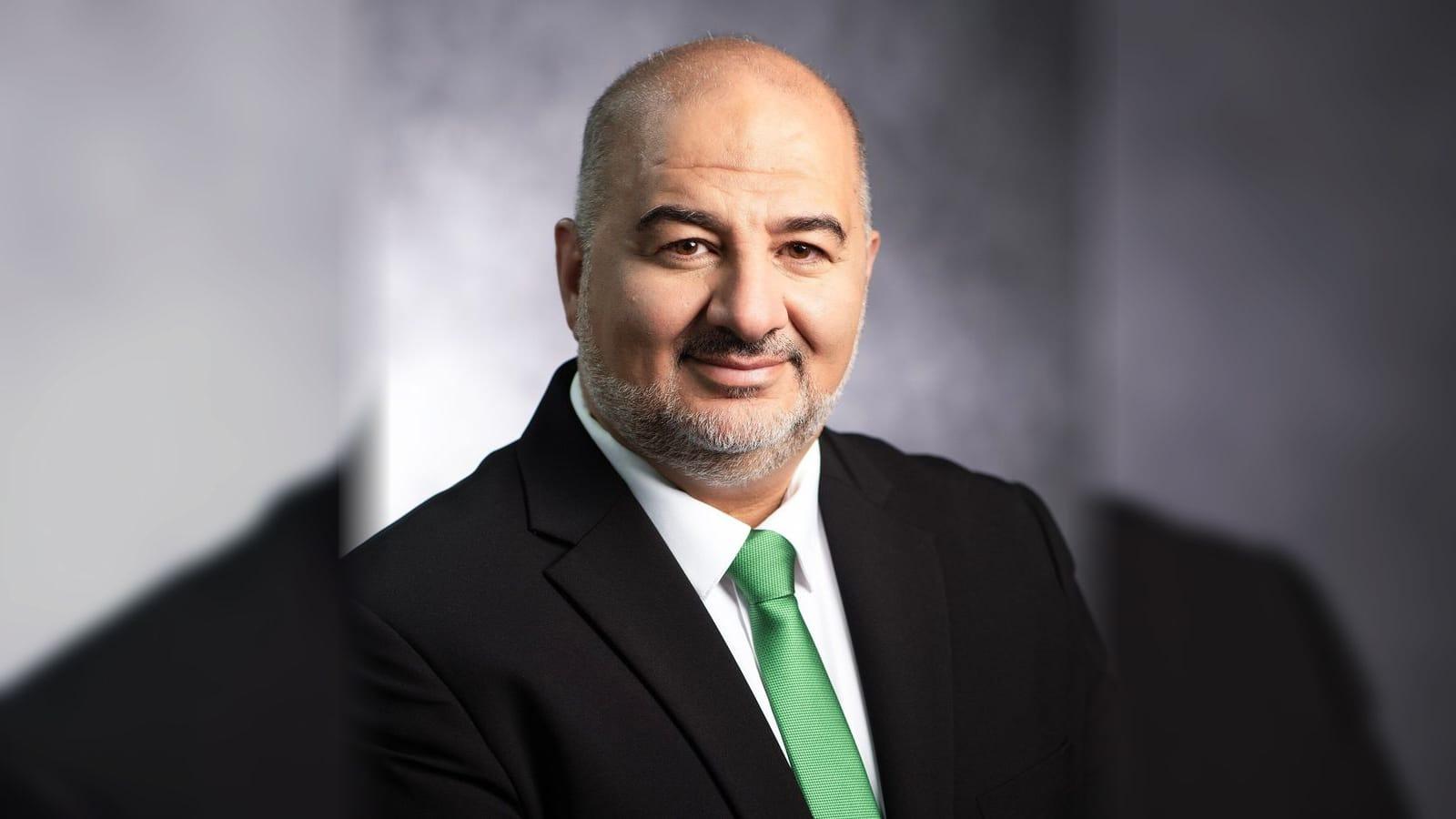
צילום ארכיון
בחירות
נתן אשל, מקורבו של נתניהו, פנה למנסור עבאס בעניין איזנקוט
מקורות וקריאה נוספת
פתחנו ובדקנו כל קישור כאן בזמן כתיבת העמוד. הודעות רשמיות מסומנות ככאלה: זו הגרסה של הגורם עצמו, לא גרסה עצמאית.
- כתבותtoitimesofisrael.comThe Times of Israel
- כתבותhaaretzhaaretz.comHaaretz
איך בדקנו את זה
Eisenkot's accusation was reported by both The Times of Israel and Haaretz. Seat figures, the Peretz threat and the security briefing details come from The Times of Israel alone, and Peretz's threat is itself described as a report.
מדיניות המקורות והתיקונים שלנו →השבוע בישראל, במייל אחד
הכתבות החשובות, עם מקורות ואחרי בדיקה של מערכת Israel.com. חינם, פעם בשבוע, ואפשר להפסיק בלחיצה אחת.
רשימה אחת, הסרה בלחיצה. הפרטים במדיניות הפרטיות שלנו.

Israel.com נשאר חינמי בזכות קוראים כמוך.
מערכת החדשות של Israel.com בודקת כל ידיעה מול המקורות שלה ומפרסמת אותה בחינם. אם הידיעה עזרה לך, תמיכה בכל סכום שומרת גם את הבאה חינמית.
תשלום אחד, בלי הרשמה. סכום אחרתמיכה חודשית
הכתבות האחרונות

איור
איור

איור
צילום ארכיון

איור

איור