Netanyahu's office calls Eisenkot's public security letter irresponsible
The prime minister's office accused Yashar leader Gadi Eisenkot of politicizing national security after he urged restraint on military moves during the transition.
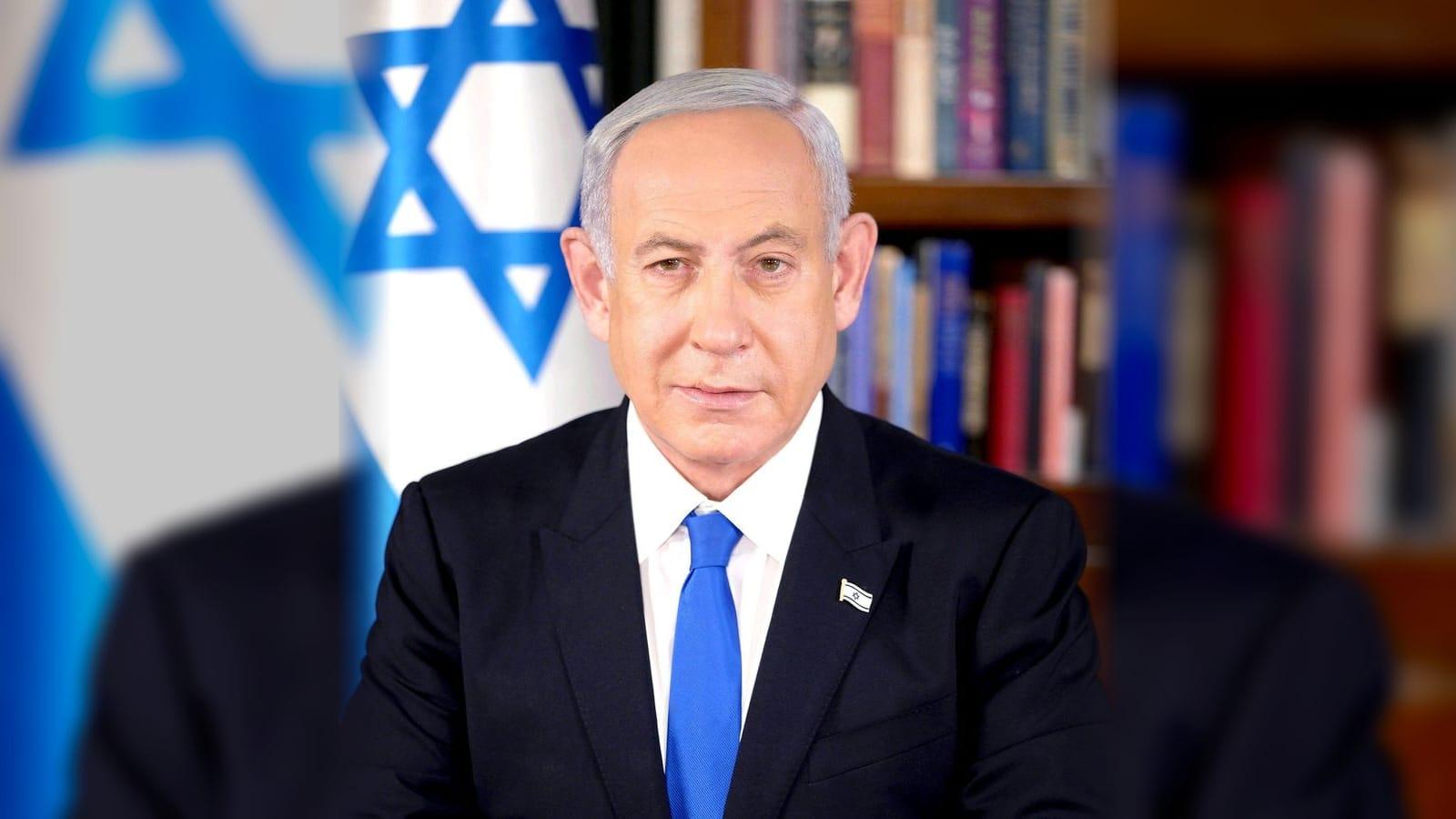
Benjamin Netanyahu. צילום ארכיון: Avi Ohayon, CC BY-SA 3.0, מתוך ויקישיתוף.
הכתבה המלאה עדיין לא נכתבה בעברית, ולכן היא מובאת כאן באנגלית.
Prime Minister Benjamin Netanyahu's office on Wednesday rejected a letter from opposition figure Gadi Eisenkot, saying it was irresponsible to air sensitive security matters in public and accusing him of trying to politicize Israel's national security. The Times of Israel reported that the Prime Minister's Office (PMO) described the letter as a "transparent attempt" to bring politics into security questions, and said every government decision had been made purely on security grounds and in full coordination with the security establishment.
Eisenkot, who leads the Yashar party and whom The Times of Israel described as Netanyahu's main political rival, had written formally to the prime minister urging him not to commit military forces without an immediate threat while the country is in a transitional period. According to Ynet, the letter asked Netanyahu to show restraint and caution and to hold back from risky steps that could wait until a new government is sworn in, and told him not to betray the public's trust.
מהשטח

🔴 Eisenkot urges Netanyahu to ‘exercise restraint and caution,’ warning against deploying security forces without a ‘direct, immediate, and urgent threat’

What the two sides said
The Times of Israel quoted Eisenkot's letter as warning of "devastating consequences for Israeli democracy" and for public confidence in state institutions if Netanyahu launched a military operation that was not strictly necessary during the transition. Ynet reported that Eisenkot also demanded a security briefing, noting that there is currently no formal head of the opposition to receive one.
The PMO's reply, also carried in full on the Telegram channel of Israeli journalist Amit Segal, called the letter an irresponsible step to discuss sensitive security issues openly. It told Eisenkot that rather than "sowing fear and division" he should behave responsibly. According to The Times of Israel, the office also invited Eisenkot to join a government led by Netanyahu.
Later in the evening, an unnamed senior official went further. In a statement posted by Amit Segal and by the News.co.il channel, the official said Eisenkot's public letter put Israel's security at risk, and that he knew the proper way such matters are raised and clarified.
מייל ביום שבו תושבע הממשלה החדשה.
המגעים להרכבת הקואליציה יכולים להימשך שבועות. כשהממשלה החדשה מושבעת, מערכת החדשות של Israel.com שולחת במייל מי עומד בראשה, אילו מפלגות נכללות בה ומי קיבל איזה תיק, ואחר כך את המייל של יום שישי בכל שבוע. חינם, וההסרה בלחיצה אחת.
רשימה אחת, הסרה בלחיצה. הפרטים במדיניות הפרטיות שלנו.
Who disputes what on the briefing
The reports diverge on the question of a security briefing. Ynet reported that Eisenkot is demanding one, while the prime minister maintains that he did summon Eisenkot. None of the reports says whether a meeting took place, when it was offered, or why Eisenkot is still asking for one. Each side's account is attributed to that side alone.
What a transitional government is
Ynet described Netanyahu as currently serving as head of a transitional government. In Israel, a government that has lost its mandate, typically after an election, continues to run the country until a new coalition wins a confidence vote in the Knesset, Israel's parliament, and is sworn in. During that interim period the outgoing cabinet keeps its legal powers, but there is a long-standing debate in Israeli politics and law about how far a caretaker government should go in making major or irreversible decisions. Eisenkot's letter draws on that debate: his argument, as reported, is that steps which are not urgent should be left for the next government.
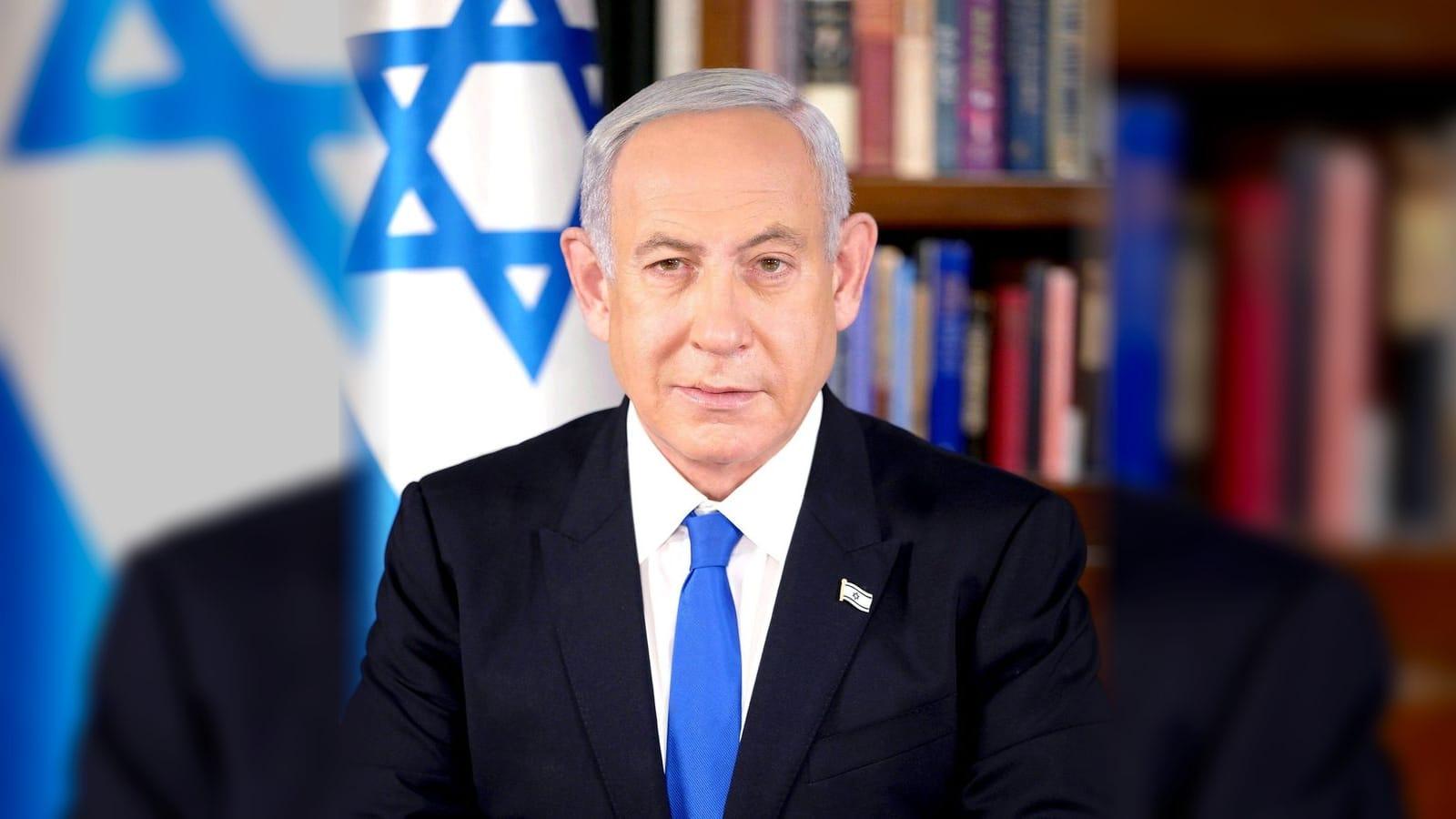
צילום ארכיון
Why the opposition leader matters here
Israeli law creates a formal post of Leader of the Opposition, normally held by the head of the largest party outside the government. The holder is entitled to periodic briefings from the prime minister on state and security affairs, a mechanism meant to keep the main alternative to the government informed on sensitive matters. According to Ynet, that post is currently unfilled, which is the gap Eisenkot cited when he asked to be briefed himself. The senior official's remark that Eisenkot knows how such issues are properly handled points to the same channel: confidential briefings rather than published letters.
A political exchange as much as a security one
The exchange combined two lines of attack. Eisenkot framed his letter around democratic norms and public trust during a transition. The PMO framed its reply around security, arguing that public discussion itself was the harm, while simultaneously inviting him into a Netanyahu-led coalition. Neither side, in the material reported so far, identified any specific military operation or decision under consideration.
What the reports do not say
- None of the reports names the military action, if any, that prompted Eisenkot's letter.
- It is not reported whether Eisenkot has received or attended a security briefing, or how he responded to the prime minister's claim that he was summoned.
- No response from Eisenkot to the PMO's invitation to join a Netanyahu-led government has been reported.
- The senior official who said the letter endangers Israel's security was not identified.
להמשך קריאה
למדור בחירות →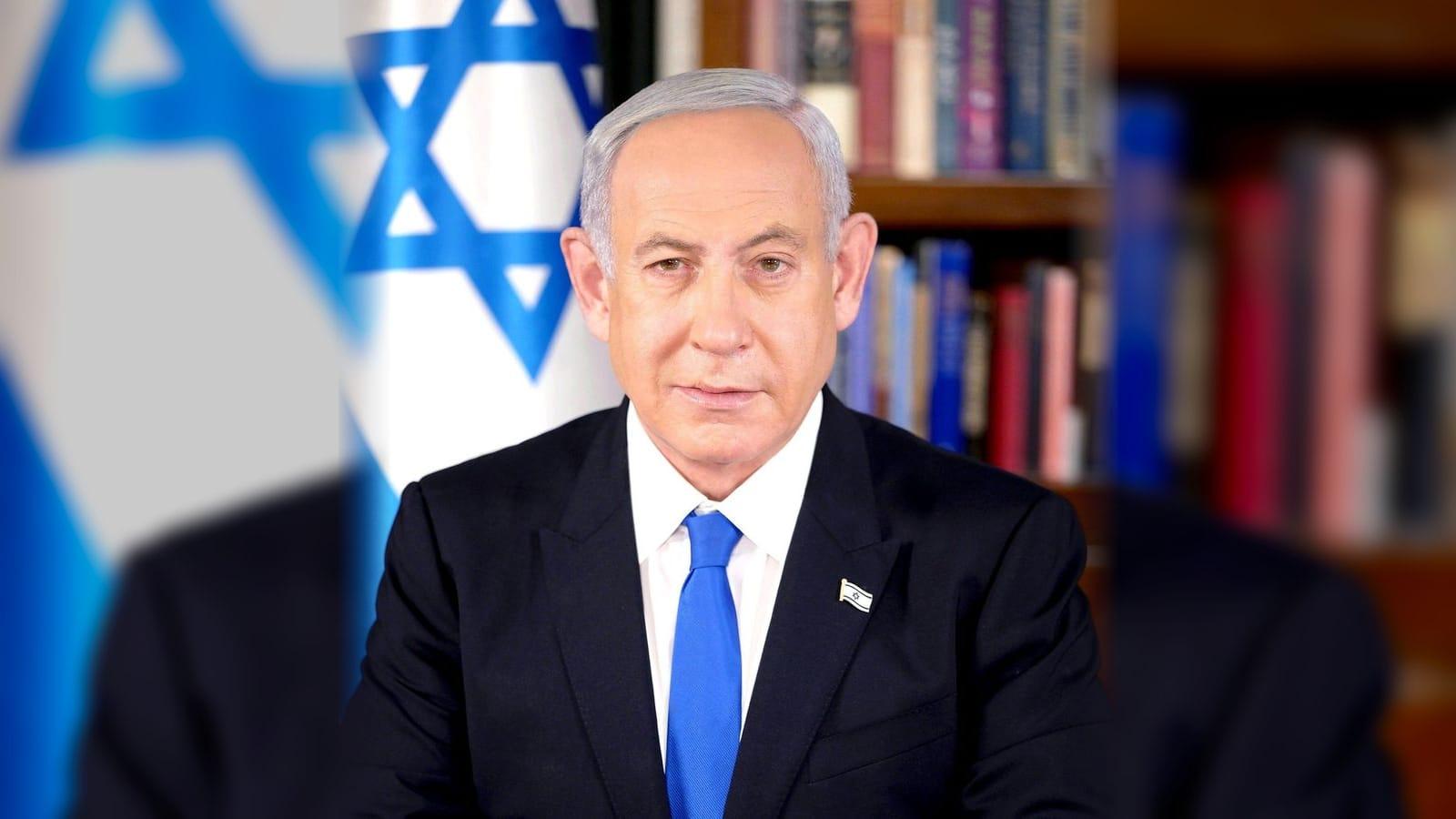
צילום ארכיון
פוליטיקה
נתניהו חוזר על קריאתו לממשלת אחדות אחרי שהרצוג הטיל את המנדט על איזנקוט
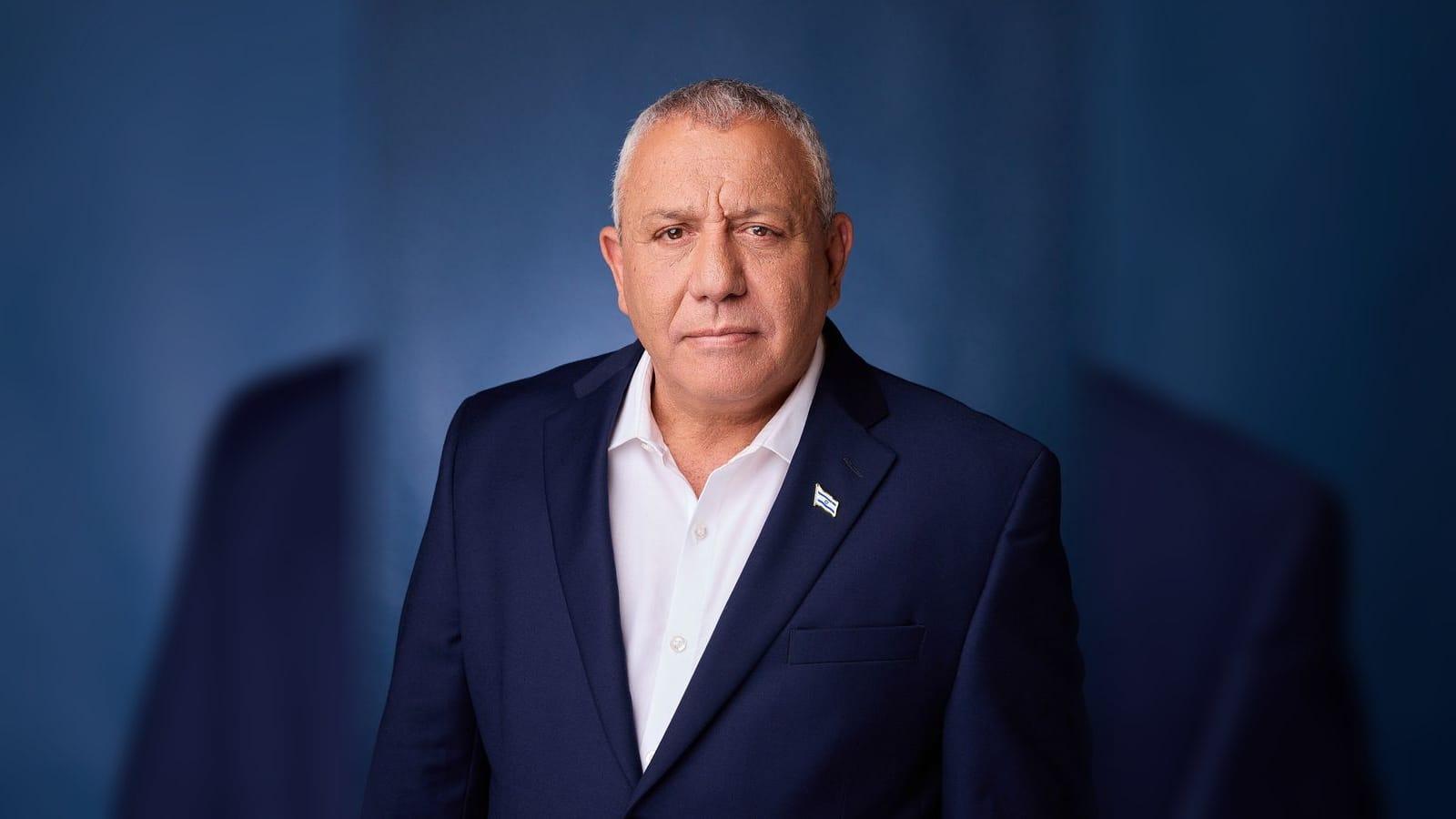
צילום ארכיון
פוליטיקה
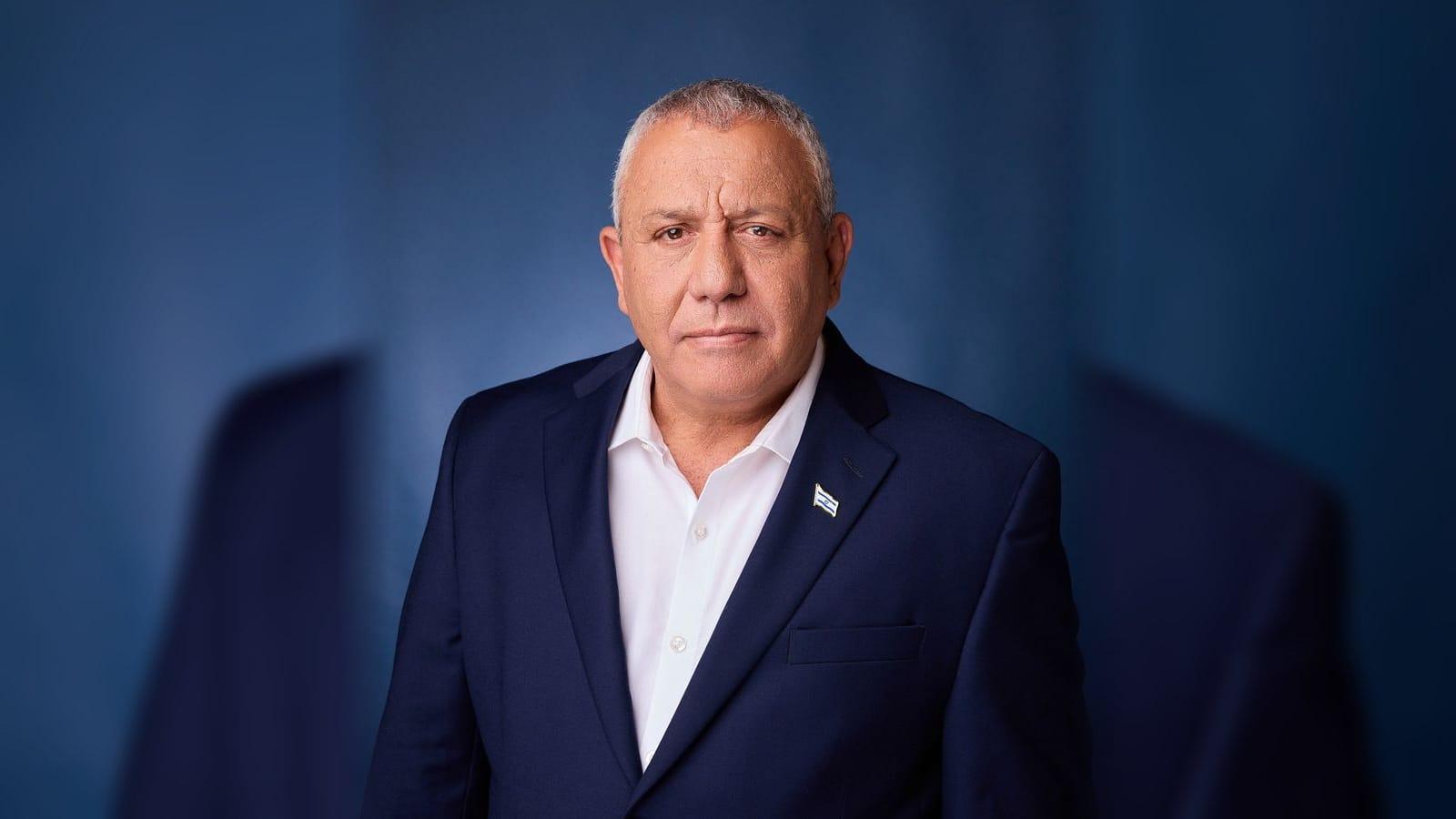
איזנקוט ביקש מהיועמ"שית לפעול כדי שנתניהו יעדכן אותו בענייני ביטחון
צילום ארכיון
פוליטיקה
איזנקוט ביטל את המגעים עם הליכוד וקבע שנתניהו אינו ראוי להמשיך בתפקיד
צילום ארכיון
בחירות
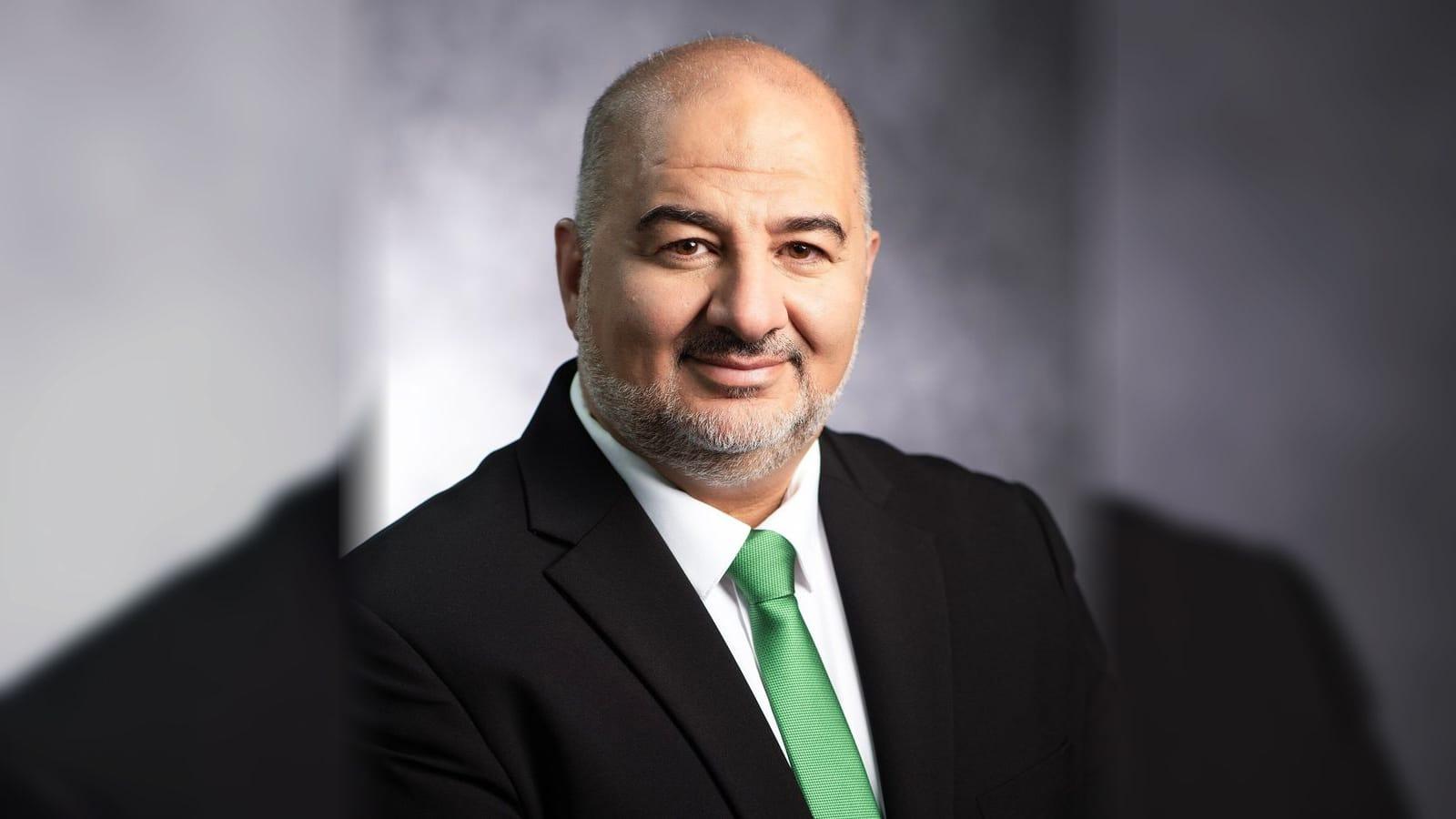
נתן אשל, מקורבו של נתניהו, פנה למנסור עבאס בעניין איזנקוט
מקורות וקריאה נוספת
פתחנו ובדקנו כל קישור כאן בזמן כתיבת העמוד. הודעות רשמיות מסומנות ככאלה: זו הגרסה של הגורם עצמו, לא גרסה עצמאית.
- כתבותyediothynet.co.ilYnet
- כתבותyediotht.meYnet alerts
- כתבותtoitimesofisrael.comThe Times of Israel
- כתבותamitsegalt.meAmit Segal
- כתבותamitsegalt.meAmit Segal
- כתבותnewssilt.meNews.co.il
איך בדקנו את זה
The letter and the prime minister's office response were reported by Ynet, The Times of Israel and Amit Segal's channel, with the PMO statement text consistent across them. The remark that the letter endangers security comes from a single unnamed senior official, carried by Amit Segal and News.co.il.
מדיניות המקורות והתיקונים שלנו →השבוע בישראל, במייל אחד
הכתבות החשובות, עם מקורות ואחרי בדיקה של מערכת Israel.com. חינם, פעם בשבוע, ואפשר להפסיק בלחיצה אחת.
רשימה אחת, הסרה בלחיצה. הפרטים במדיניות הפרטיות שלנו.

Israel.com נשאר חינמי בזכות קוראים כמוך.
מערכת החדשות של Israel.com בודקת כל ידיעה מול המקורות שלה ומפרסמת אותה בחינם. אם הידיעה עזרה לך, תמיכה בכל סכום שומרת גם את הבאה חינמית.
תשלום אחד, בלי הרשמה. סכום אחרתמיכה חודשית
הכתבות האחרונות
צילום ארכיון
צילום ארכיון
צילום ארכיון

איור
צילום ארכיון
צילום ארכיון