Herzi Halevi breaks silence on October 7: preventable, but '100%' no betrayal
Israel's former military chief called the Hamas attack preventable and rejected a betrayal theory that The Times of Israel says Yair Netanyahu has promoted.
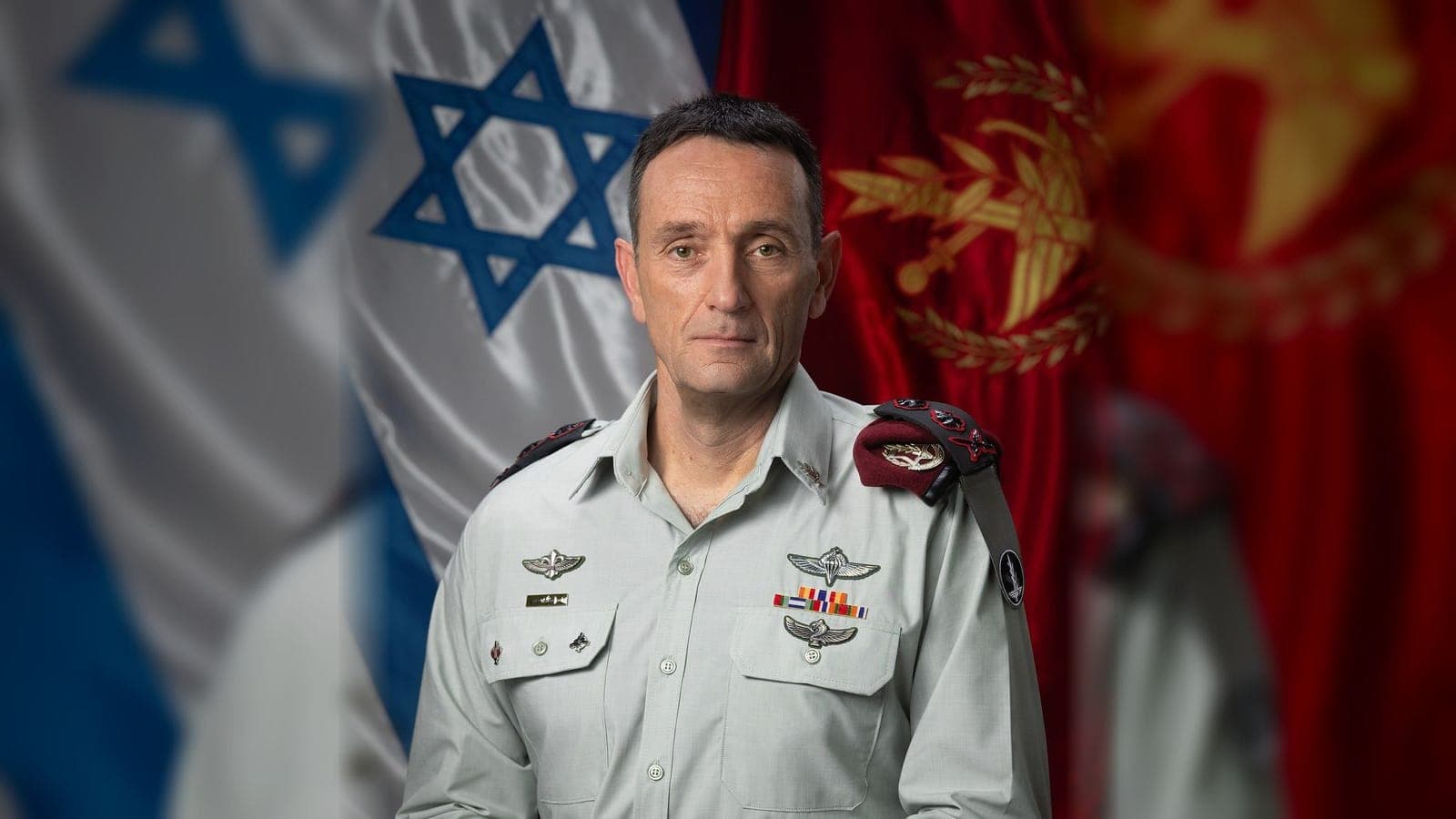
Herzi Halevi. צילום ארכיון: IDF Spokesperson's Unit photographer, CC BY-SA 3.0, מתוך ויקישיתוף.
עדכון אחד מאז הפרסום
- The Times of Israel says the betrayal theory Halevi rejected has been pushed by Israel's far right, including Yair Netanyahu.
הכתבה הזאת מתעדכנת בזמן שהאירוע מתפתח. הטקסט המוקדם נשמר מתחת לעדכונים ולא נכתב מחדש, כך שמה שהעמוד אמר בכל שלב עדיין נמצא בו.
הכתבה המלאה עדיין לא נכתבה בעברית, ולכן היא מובאת כאן באנגלית.
Update, 1 November, 22:07 Israel time
The Times of Israel, reporting on the same New York appearance, identified where the betrayal claims Halevi rejected have come from, a point earlier reports left open. According to The Times of Israel, the theory holds that people inside the defense establishment knew of Hamas's plans in advance and let the attack proceed. The paper said this idea has been promoted on the Israeli far right, naming Yair Netanyahu, the son of Prime Minister Benjamin Netanyahu, and also by many in the global anti-Israel movement.
The Times of Israel also placed the remarks in time, saying they were Halevi's first public comments since he resigned from the military, which it said happened more than a year and a half ago. Its account quotes him describing the attack as a preventable failure while stating there was absolutely no internal betrayal, wording in line with the earlier reports.
The Jerusalem Post also reported the speech, carrying the same two central points: that October 7 could have been prevented and that it was not a betrayal from within. Neither new report includes a response from the government, from Yair Netanyahu or from current IDF leadership.
The story as first reported
Herzi Halevi, the former chief of staff of the Israel Defense Forces (IDF), has addressed the October 7 attack publicly for the first time, describing it as a failure that Israel could have prevented while insisting that nobody inside the military betrayed the country. N12 reported that he made the remarks at a conference held in New York by Shurat HaDin, and that he stressed there was "100%" no betrayal.
According to News.co.il, Halevi told the audience that Israel's political leadership should state this loudly and clearly. He said he did not believe that any of his colleagues, after decades of service in which they had put their lives at risk, would one day decide to help Hamas. He also argued that, on a practical level, aiding Hamas would require not a single collaborator but a very broad network, and that after three years not even one such person had been found.
השבוע בישראל בחמש ידיעות, בכל יום שישי
מקורות ובדיקה של מערכת Israel.com, עם זמני השבת. חינם, ואפשר להפסיק בלחיצה אחת.
רשימה אחת, הסרה בלחיצה. הפרטים במדיניות הפרטיות שלנו.
Who Herzi Halevi is
The chief of staff is the most senior officer in the IDF, the head of all of Israel's ground, air and naval forces, answerable to the government. Halevi held the post when Hamas launched its attack from Gaza on southern Israel on October 7, and he oversaw the war that followed. He has since left the position. The reports describe this New York appearance as the first time he has spoken about the attack at a public event.
The setting: a Shurat HaDin conference
Shurat HaDin, sometimes known in English as the Israel Law Center, is an Israeli civil rights and legal advocacy organisation best known for pursuing lawsuits against groups it accuses of terrorism and those who fund them. The reports identify the venue only as its conference in New York. N12 credited its photograph of the event to Yuval Golan.
Why the word "betrayal" matters
In Israel, the scale of the intelligence and military failure on October 7 has fuelled persistent public argument over how the attack could have happened. Part of that debate has included suggestions that the failure could not be explained by error alone and that someone on the inside may have helped. Halevi's comments were aimed squarely at that idea. He said he could explain how the events of that day unfolded down to the small details, Ynet reported, and that he was completely certain there had been no treachery.
הכתבה הבאה ביטחון
The Hebrew word used for the failure in Ynet's coverage is mechdal, a term Israelis apply to a grave lapse by the state or its institutions. It carries strong historical weight and is commonly used to describe the surprise of the Yom Kippur War. Halevi's choice to call October 7 preventable places responsibility on the system rather than on any hidden act of sabotage.
The "conception" and Israel's priorities
According to Ynet, Halevi also spoke about what Israelis call the konseptzia, or "conception": the prevailing security assessment before the attack. He said the working assumption had been that Hamas did not want a war, and that the order of priorities placed Iran first, Hezbollah second and Hamas after them. Hezbollah is the Iranian-backed armed group in Lebanon on Israel's northern border.
Hostages and military pressure
Ynet further reported that Halevi addressed one of the most painful issues of the war, the hostages taken into Gaza. He acknowledged that Israeli bombs had killed hostages, but said that without military pressure Israel would not have brought them back. This point appears only in Ynet's account among the reports reviewed.
A call for further inquiry
Halevi urged the country to keep examining what went wrong. N12 reported that he called on the political echelon to say clearly that there had been no betrayal, and added that Israel must complete the process of clarifying what happened and ask hard questions. Ynet's account of his remarks likewise includes a call to ask difficult questions.
What the reports do not say
The reports are brief and consist mainly of short quotations. They do not say which specific allegations of betrayal Halevi was responding to, or who had made them. They do not describe the format of his appearance, whether he took questions, or how long he spoke. Beyond his general call to complete the inquiry, they do not record any position he took on the form a national investigation should take. None of the reports includes a response from the government or from current IDF leadership to his remarks. The statements on Israel's pre-war priorities and on hostages killed by Israeli fire are reported by Ynet alone.
להמשך קריאה
למדור ביטחון →


מקורות וקריאה נוספת
פתחנו ובדקנו כל קישור כאן בזמן כתיבת העמוד. הודעות רשמיות מסומנות ככאלה: זו הגרסה של הגורם עצמו, לא גרסה עצמאית.
- כתבותyediothynet.co.ilYnet
- כתבותyediotht.meYnet alerts
- כתבותnewssilt.meNews.co.il
- כתבותkeshett.meN12
- כתבותkeshett.meN12
- כתבותtoitimesofisrael.comThe Times of Israel
- כתבותjpostjpost.comThe Jerusalem Post
איך בדקנו את זה
Halevi's core statements, that October 7 was preventable and involved no internal betrayal, are now reported by N12, Ynet, The Times of Israel and The Jerusalem Post. The naming of Yair Netanyahu among promoters of the betrayal theory is The Times of Israel's characterisation; Ynet alone reports his remarks on priorities and hostages.
מדיניות המקורות והתיקונים שלנו →השבוע בישראל, במייל אחד
הכתבות החשובות, עם מקורות ואחרי בדיקה של מערכת Israel.com. חינם, פעם בשבוע, ואפשר להפסיק בלחיצה אחת.
רשימה אחת, הסרה בלחיצה. הפרטים במדיניות הפרטיות שלנו.
הכתבות האחרונות
- Sohlberg, Shin Bet chief and attorney general say Knesset vote was proper
- Eisenkot backs election chief's ruling, says Netanyahu sought to undo the vote
- דיווחים: "התקדמות מסוימת" במגעים בין ארה"ב לאיראן, הפערים בגרעין נותרו
- הליכוד מאשים את גדי איזנקוט בהפרת הבטחות בניסיון להקים ממשלה
- ה-FSB עצר קטין בחשד שתכנן פיגוע במוזיאון Tsaritsyno במוסקבה
- תושב עין החורש בן 49 הואשם בהסתה ב-21 פוסטים ב-X שקראו למותו של נתניהו