IAEA says it cannot locate or inspect Iran's declared Isfahan enrichment plant
A confidential IAEA report urges Iran to take gradual steps to let inspectors back in, and says the agency does not know where an Isfahan enrichment plant is.
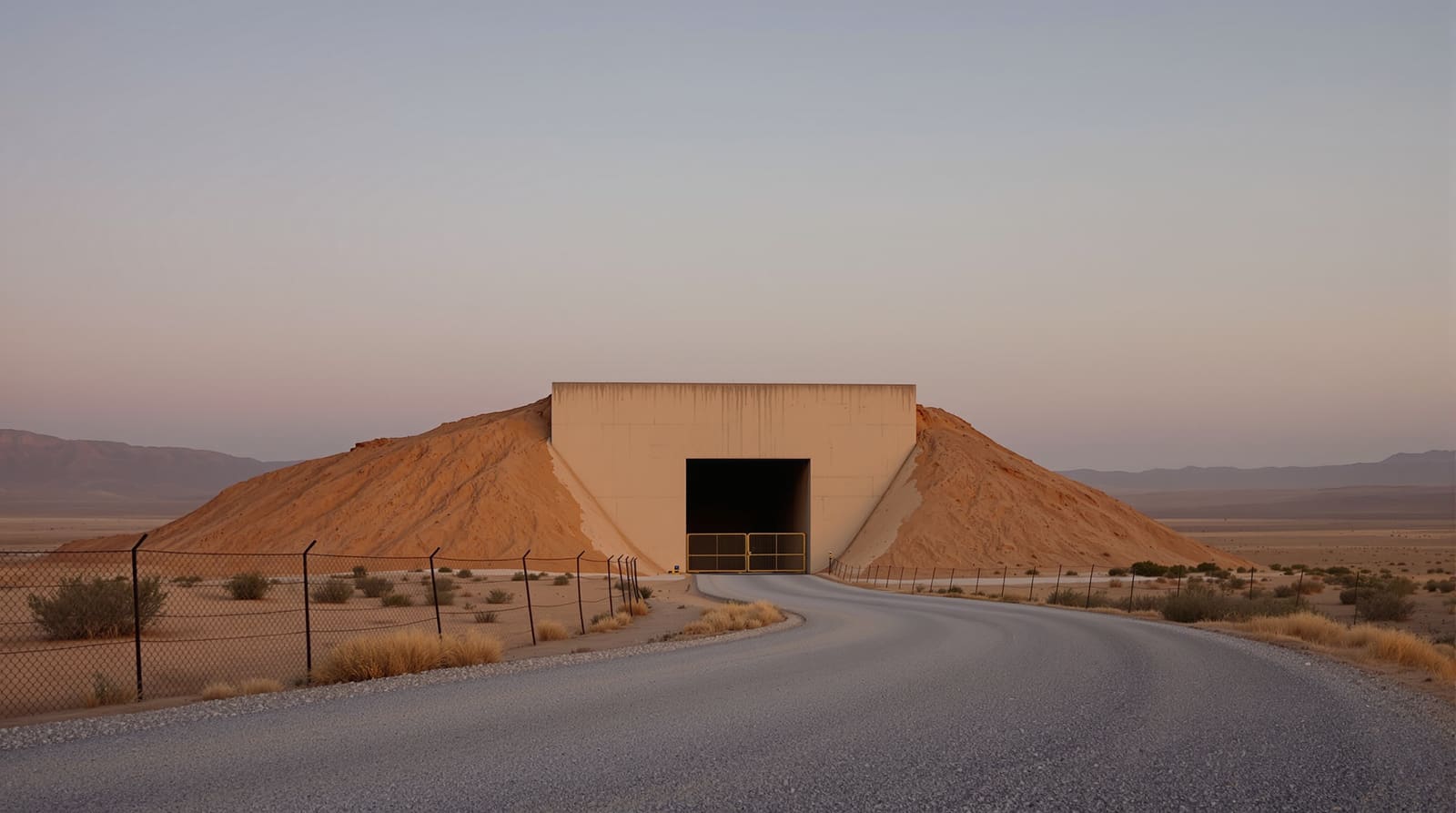
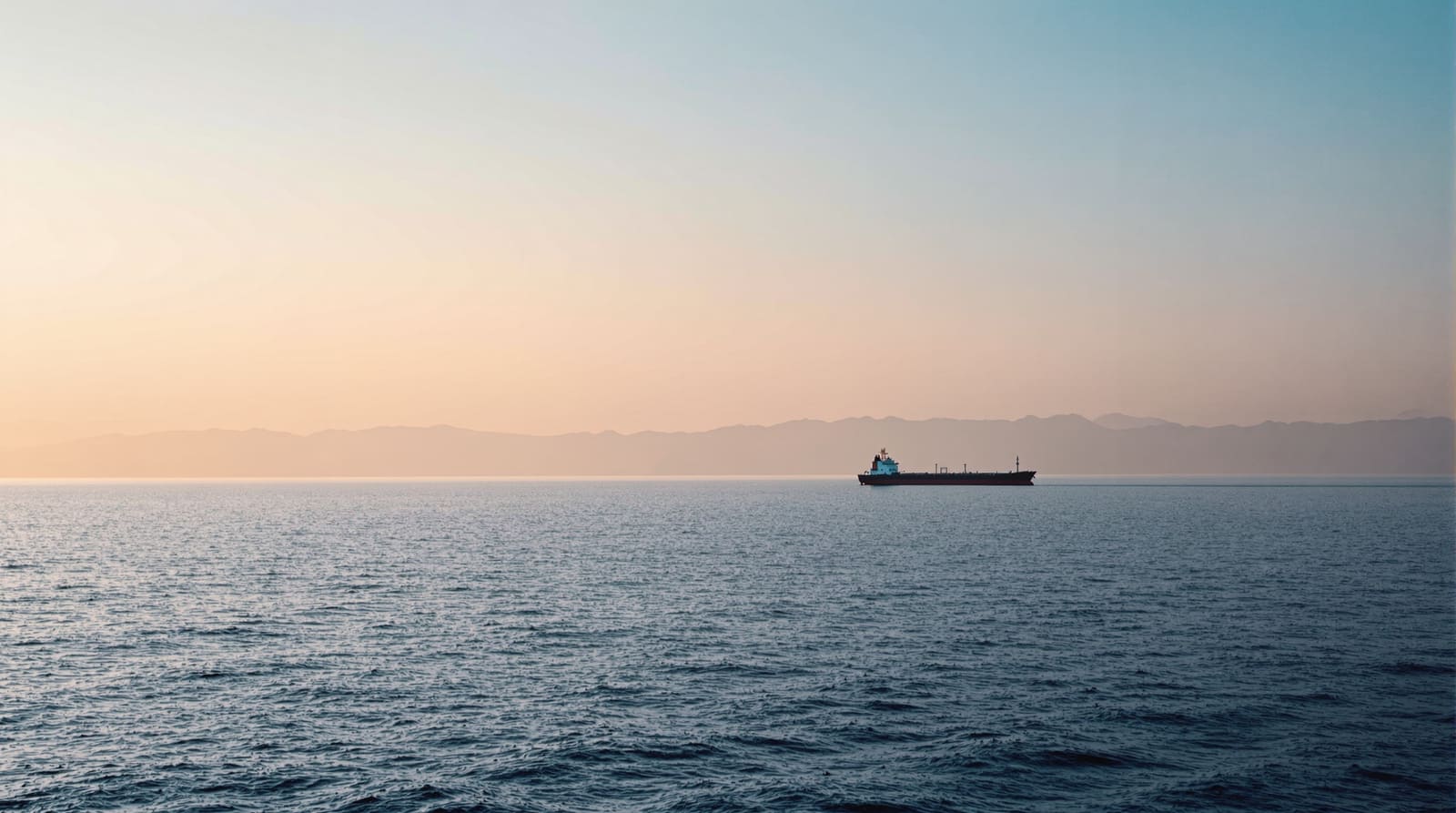
איור שנוצר בבינה מלאכותית, לא צילום של האירועים.
הכתבה המלאה עדיין לא נכתבה בעברית, ולכן היא מובאת כאן באנגלית.
The International Atomic Energy Agency (IAEA), the United Nations body that monitors nuclear programmes, is pressing Iran to take step-by-step measures that would allow its inspectors to return to key nuclear sites, The Times of Israel reported, citing a confidential agency report seen by the French news agency AFP. The report describes renewed access as "critical."
The document also voices growing unease, describing the watchdog as "increasingly concerned", over a uranium enrichment facility built below ground at Isfahan. According to the report, Iran declared the facility last year but has not permitted the IAEA to inspect it. The Jerusalem Post also reported that the watchdog had raised alarm over the uninspected Isfahan plant.
מהשטח

The International Atomic Energy Agency, the UN nuclear watchdog, is "increasingly concerned" about an underground uranium-enrichment plant at Isfahan that Iran declared last year but has not allowed the watchdog to inspect. jpost.com/middle-east/ir…
What the report asks of Iran
According to the excerpts quoted by The Times of Israel, the IAEA's director general encourages Tehran to consider measures that are technical and gradual in nature, aimed at creating conditions in which agency inspectors can come back to the country. The report frames these as "incremental steps" that could eventually lead back to normal safeguards implementation in Iran.
The language is notable for what it does not demand. Rather than calling for immediate and full access, the agency appears to be proposing a phased path, suggesting that the present arrangement falls well short of routine monitoring. The report does not, in the material available, set out what those first steps should be or attach a timetable to them.
The Isfahan facility
Isfahan is a city in central Iran that hosts several elements of the country's nuclear programme. The plant in question is referred to in the IAEA report by the abbreviation IFEP. According to the passage quoted by The Times of Israel, the agency does not know the facility's precise location, its status for safeguards purposes, or whether any nuclear material is present there.
מייל ביום שבו תושבע הממשלה החדשה.
המגעים להרכבת הקואליציה יכולים להימשך שבועות. כשהממשלה החדשה מושבעת, מערכת החדשות של Israel.com שולחת במייל מי עומד בראשה, אילו מפלגות נכללות בה ומי קיבל איזה תיק, ואחר כך את המייל של יום שישי בכל שבוע. חינם, וההסרה בלחיצה אחת.
רשימה אחת, הסרה בלחיצה. הפרטים במדיניות הפרטיות שלנו.
That is an unusual admission for a monitoring body. When a state declares a nuclear facility, the normal expectation under its safeguards obligations is that inspectors can verify what the site is and what it holds. In this case, by the agency's own account, Iran has declared the plant's existence but the IAEA has been unable to confirm even basic information about it.
Uranium enrichment is the process of raising the proportion of the fissile isotope in uranium. At low levels the product fuels civilian power reactors; at much higher levels it can be used in a weapon. For that reason, enrichment sites are among the facilities inspectors watch most closely, and an enrichment plant the agency cannot see is a central concern in its reporting.
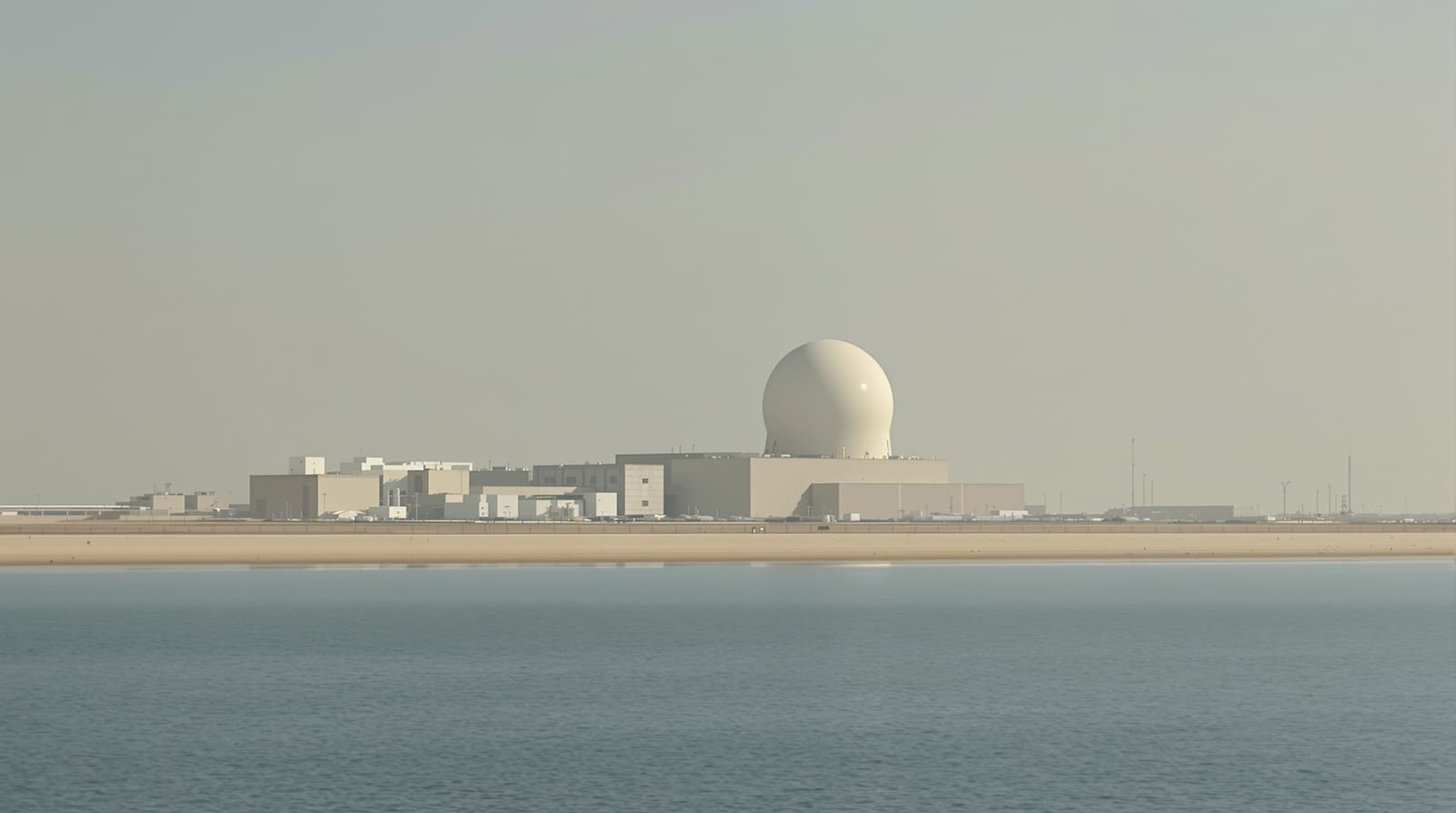
איור
הכתבה הבאה פוליטיקה
Who is the IAEA and what are safeguards
The IAEA is headquartered in Vienna, Austria, and is led by Director General Rafael Grossi. Its safeguards system is the set of inspections, declarations and monitoring arrangements through which the agency checks that nuclear material in a country is not being diverted from peaceful uses. Reports on Iran are typically prepared for the agency's Board of Governors, the body of member states that oversees its work, and are circulated confidentially before being described by news agencies.
The phrase "normal safeguards implementation" in the report signals that, in the agency's view, monitoring in Iran is currently not operating normally. The reference to inspectors returning indicates that they are not presently carrying out their usual work at the key sites mentioned.
Why this matters to Israel
Israel's governments have long regarded Iran's nuclear programme as a major security threat and follow IAEA findings closely. An enrichment site whose location and contents are unknown to international inspectors is the kind of finding that tends to feature in Israeli and international debate about Tehran's intentions. Both Israeli outlets that carried the story led on the agency's concern about the Isfahan plant.
What the reports do not say
The available reports do not include any response from Iran to the IAEA's call or to its concerns about the Isfahan facility. They do not say what specific measures the agency would consider an acceptable first step, or when the report is due to be discussed by the Board of Governors. The excerpts also do not explain why Iran has declined access to the plant, and the full text of the confidential report has not been published.
להמשך קריאה
למדור פוליטיקה →
צילום ארכיון
פוליטיקה
זלנסקי בירך על צירוף נציגים אירופים לסבב השיחות הבא עם רוסיה, והמגעים לעסקת שבויים נמשכים

צילום ארכיון
פוליטיקה
ויטקוף וקושנר נפגשו עם פוטין: אירופה תצטרף לסבב השיחות הבא על אוקראינה

צילום ארכיון
פוליטיקה
ויטקוף: יש התקדמות בשיחות עם פוטין, והאירופים יצטרפו לסבב הבא

צילום ארכיון
פוליטיקה
ראשי המפלגות הערביות ויהדות התורה בקשר שוטף סביב המגעים עם הגוש של איזנקוט
מקורות וקריאה נוספת
פתחנו ובדקנו כל קישור כאן בזמן כתיבת העמוד. הודעות רשמיות מסומנות ככאלה: זו הגרסה של הגורם עצמו, לא גרסה עצמאית.
- כתבותtoitimesofisrael.comThe Times of Israel
- כתבותjpostjpost.comThe Jerusalem Post
איך בדקנו את זה
The IAEA report's contents were described by The Times of Israel, citing AFP, and by The Jerusalem Post; we have not seen the confidential report ourselves. Direct quotations from the report come from the excerpts published by The Times of Israel.
מדיניות המקורות והתיקונים שלנו →השבוע בישראל, במייל אחד
הכתבות החשובות, עם מקורות ואחרי בדיקה של מערכת Israel.com. חינם, פעם בשבוע, ואפשר להפסיק בלחיצה אחת.
רשימה אחת, הסרה בלחיצה. הפרטים במדיניות הפרטיות שלנו.

Israel.com נשאר חינמי בזכות קוראים כמוך.
מערכת החדשות של Israel.com בודקת כל ידיעה מול המקורות שלה ומפרסמת אותה בחינם. אם הידיעה עזרה לך, תמיכה בכל סכום שומרת גם את הבאה חינמית.
תשלום אחד, בלי הרשמה. סכום אחרתמיכה חודשית
הכתבות האחרונות
איור

איור
איור
איור

איור

צילום ארכיון