IAEA says it cannot locate or inspect Iran's declared Isfahan enrichment plant
A confidential IAEA report urges Iran to take gradual steps to let inspectors back in, and says the agency does not know where an Isfahan enrichment plant is.
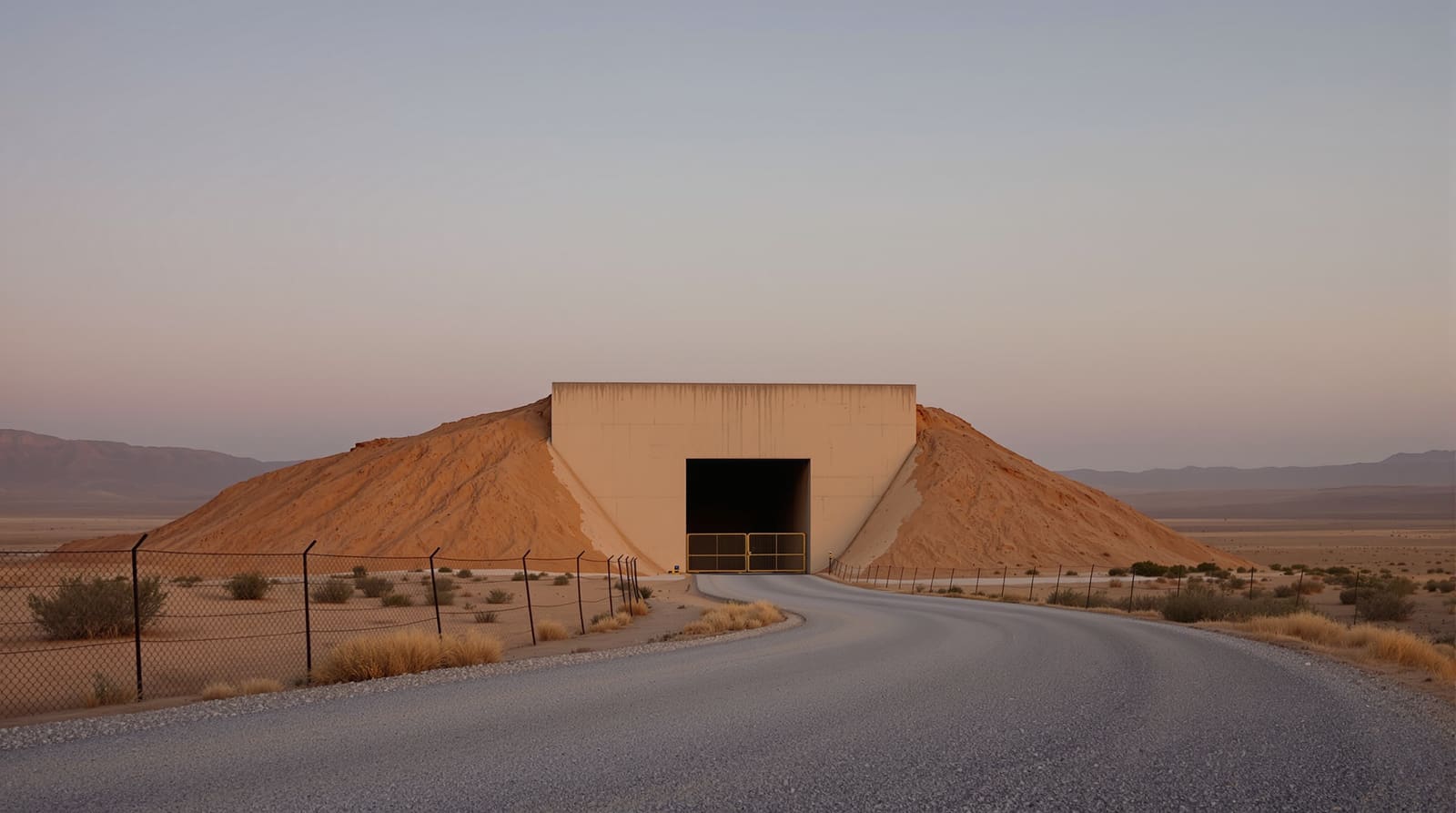
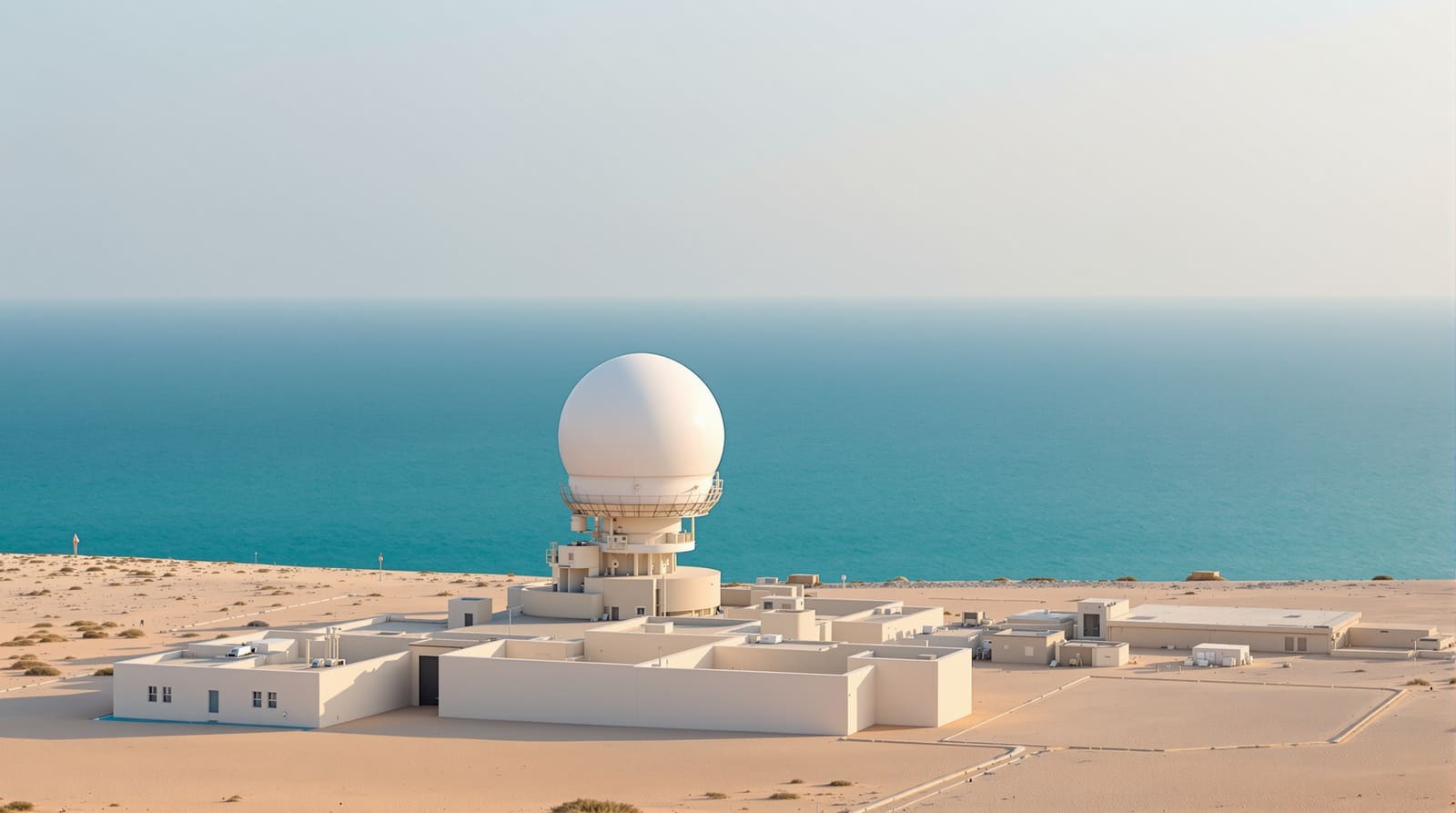
AI illustration, not a photo of the events.
The International Atomic Energy Agency (IAEA), the United Nations body that monitors nuclear programmes, is pressing Iran to take step-by-step measures that would allow its inspectors to return to key nuclear sites, The Times of Israel reported, citing a confidential agency report seen by the French news agency AFP. The report describes renewed access as "critical."
The document also voices growing unease, describing the watchdog as "increasingly concerned", over a uranium enrichment facility built below ground at Isfahan. According to the report, Iran declared the facility last year but has not permitted the IAEA to inspect it. The Jerusalem Post also reported that the watchdog had raised alarm over the uninspected Isfahan plant.
On the ground

The International Atomic Energy Agency, the UN nuclear watchdog, is "increasingly concerned" about an underground uranium-enrichment plant at Isfahan that Iran declared last year but has not allowed the watchdog to inspect. jpost.com/middle-east/ir…
What the report asks of Iran
According to the excerpts quoted by The Times of Israel, the IAEA's director general encourages Tehran to consider measures that are technical and gradual in nature, aimed at creating conditions in which agency inspectors can come back to the country. The report frames these as "incremental steps" that could eventually lead back to normal safeguards implementation in Iran.
The language is notable for what it does not demand. Rather than calling for immediate and full access, the agency appears to be proposing a phased path, suggesting that the present arrangement falls well short of routine monitoring. The report does not, in the material available, set out what those first steps should be or attach a timetable to them.
The Isfahan facility
Isfahan is a city in central Iran that hosts several elements of the country's nuclear programme. The plant in question is referred to in the IAEA report by the abbreviation IFEP. According to the passage quoted by The Times of Israel, the agency does not know the facility's precise location, its status for safeguards purposes, or whether any nuclear material is present there.
Get an email the day Israel has a new government.
Coalition talks can take weeks. When a government is sworn in, Israel.com's newsroom emails who leads it, which parties are in and who got which ministry, then the Friday email each week. Free, and one click unsubscribes.
One list, unsubscribe in a click. See our privacy policy.
That is an unusual admission for a monitoring body. When a state declares a nuclear facility, the normal expectation under its safeguards obligations is that inspectors can verify what the site is and what it holds. In this case, by the agency's own account, Iran has declared the plant's existence but the IAEA has been unable to confirm even basic information about it.
Uranium enrichment is the process of raising the proportion of the fissile isotope in uranium. At low levels the product fuels civilian power reactors; at much higher levels it can be used in a weapon. For that reason, enrichment sites are among the facilities inspectors watch most closely, and an enrichment plant the agency cannot see is a central concern in its reporting.
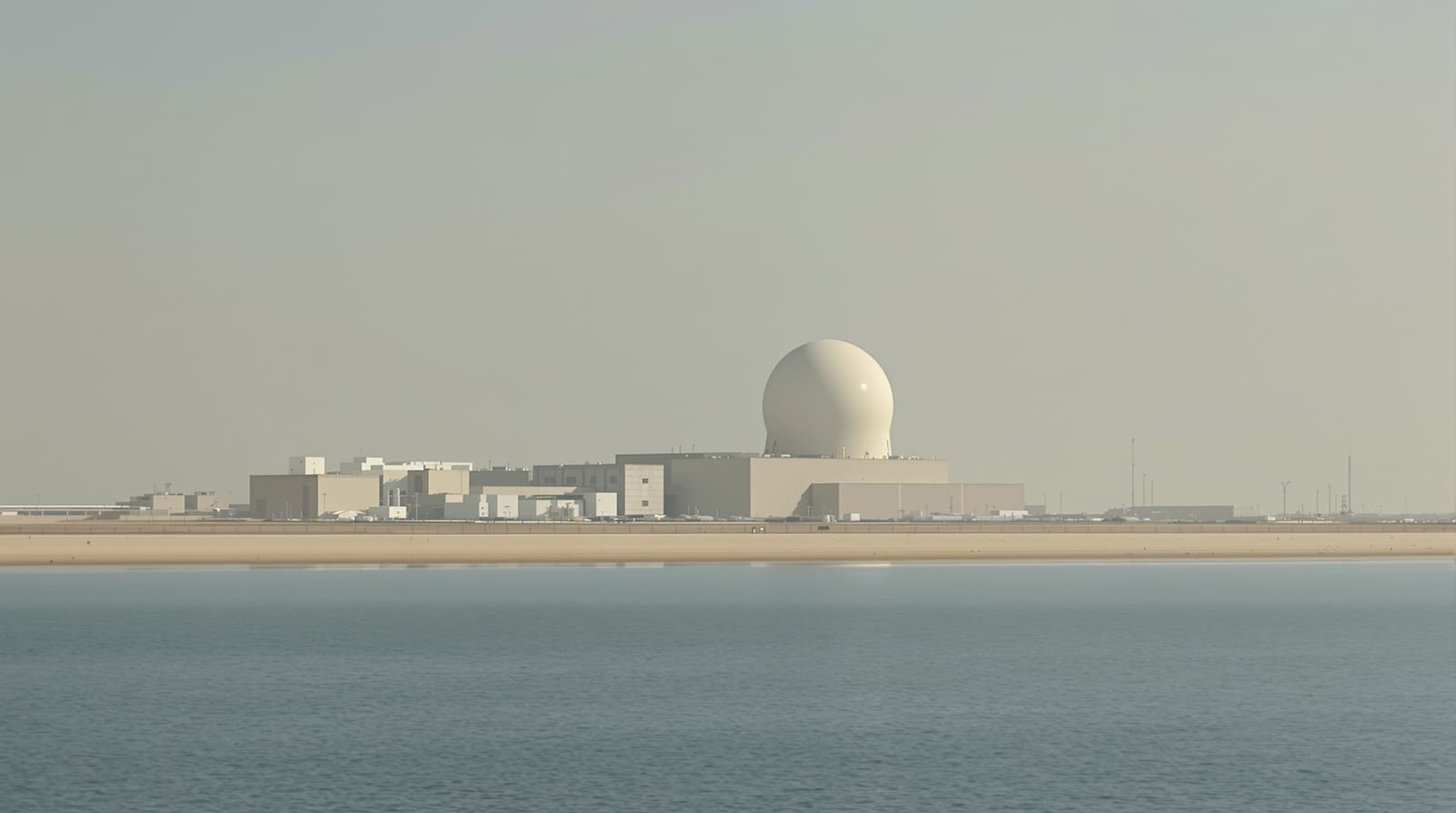
Illustration
Next story Government
Iran says IAEA inspectors visited its Bushehr nuclear facility in recent days
Who is the IAEA and what are safeguards
The IAEA is headquartered in Vienna, Austria, and is led by Director General Rafael Grossi. Its safeguards system is the set of inspections, declarations and monitoring arrangements through which the agency checks that nuclear material in a country is not being diverted from peaceful uses. Reports on Iran are typically prepared for the agency's Board of Governors, the body of member states that oversees its work, and are circulated confidentially before being described by news agencies.
The phrase "normal safeguards implementation" in the report signals that, in the agency's view, monitoring in Iran is currently not operating normally. The reference to inspectors returning indicates that they are not presently carrying out their usual work at the key sites mentioned.
Why this matters to Israel
Israel's governments have long regarded Iran's nuclear programme as a major security threat and follow IAEA findings closely. An enrichment site whose location and contents are unknown to international inspectors is the kind of finding that tends to feature in Israeli and international debate about Tehran's intentions. Both Israeli outlets that carried the story led on the agency's concern about the Isfahan plant.
What the reports do not say
The available reports do not include any response from Iran to the IAEA's call or to its concerns about the Isfahan facility. They do not say what specific measures the agency would consider an acceptable first step, or when the report is due to be discussed by the Board of Governors. The excerpts also do not explain why Iran has declined access to the plant, and the full text of the confidential report has not been published.
Read next
All government →
File photo
Government
Zelensky welcomes European role in next Russia-Ukraine talks as swap pursued

File photo
Government
Witkoff and Kushner meet Putin, say Europe will join next Ukraine talks

File photo
Government
Witkoff says Putin talks made progress and Europeans will join next round

File photo
Government
Arab party leaders and UTJ in regular contact over Eisenkot bloc talks
Sources and further reading
Every link below was opened and checked when this page was written. Official statements are marked as such: they are the subject's own account, not an independent one.
- Reportingtoitimesofisrael.comThe Times of Israel
- Reportingjpostjpost.comThe Jerusalem Post
How we checked this
The IAEA report's contents were described by The Times of Israel, citing AFP, and by The Jerusalem Post; we have not seen the confidential report ourselves. Direct quotations from the report come from the excerpts published by The Times of Israel.
Our sourcing and corrections policy →The week from Israel, in one email
The stories that mattered, sourced and checked by the Israel.com newsroom. Free, weekly, one-click unsubscribe.
One list, unsubscribe in a click. See our privacy policy.

Israel.com is free, and readers like you keep it that way.
The Israel.com newsroom checks every story against its sources and publishes it free. If this one helped, a contribution of any size keeps the next one free too.
One payment, nothing to sign up for. Another amountGive monthly
Latest
File photo
Illustration

Illustration

File photo
Illustration
Illustration