IDF chief Zamir says army returns to training after three years of war
At an exercise of the 50th Battalion, Lt. Gen. Eyal Zamir said the IDF is rebuilding training and readiness while trying to ease the load on reservists.
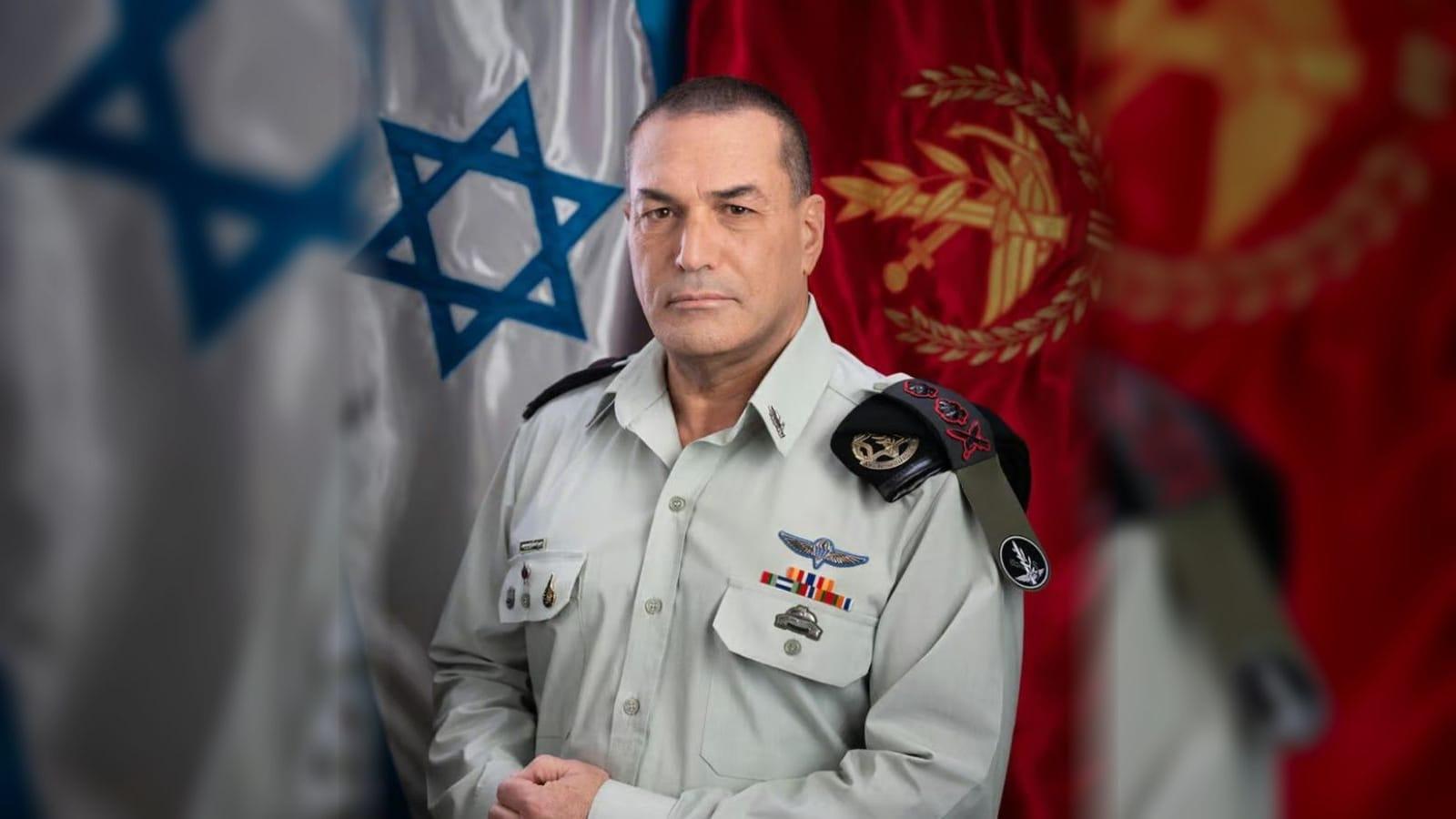
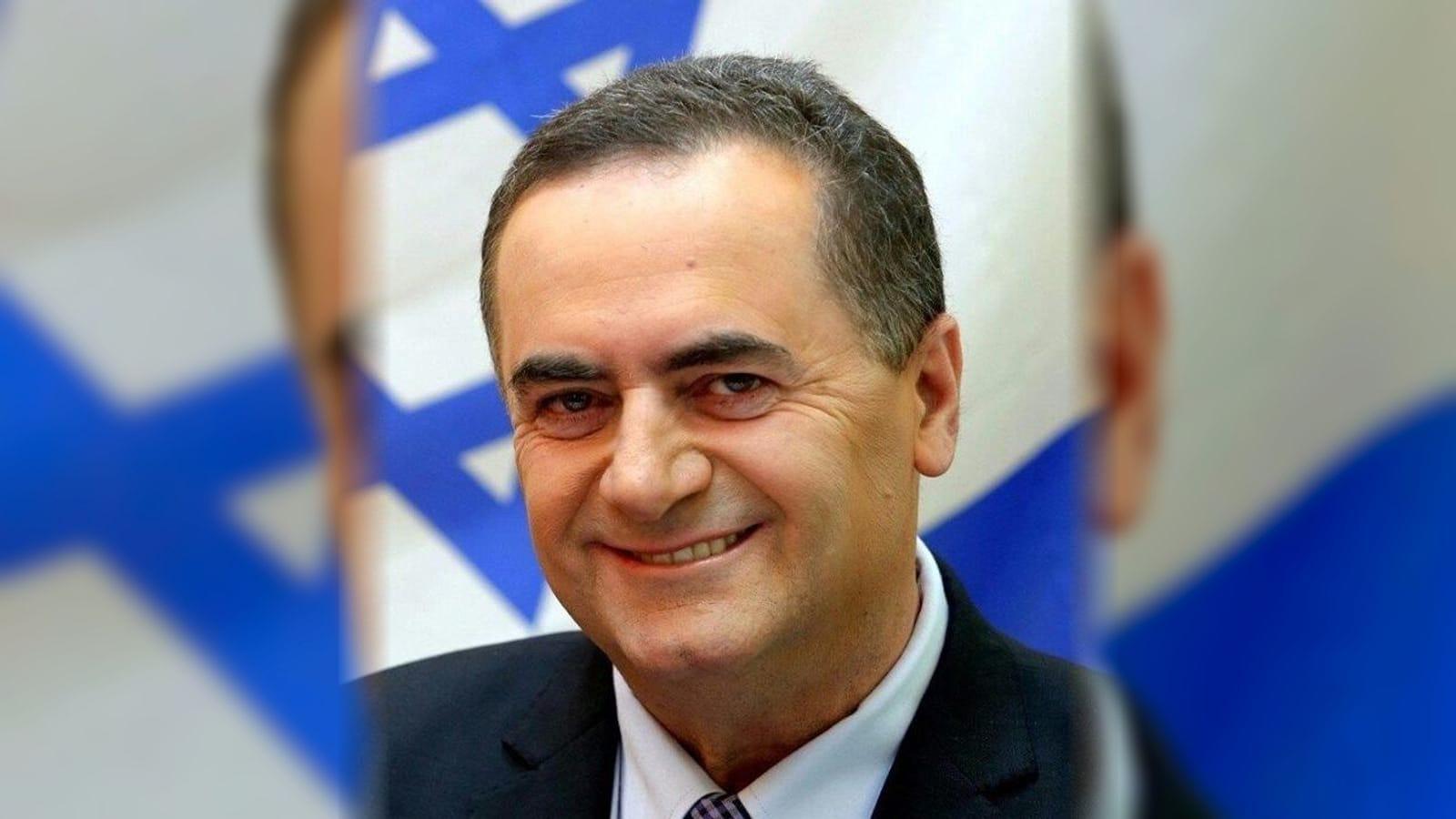
Eyal Zamir. צילום ארכיון: IDF Spokesperson's Unit photographer, CC BY-SA 3.0, מתוך ויקישיתוף.
הכתבה המלאה עדיין לא נכתבה בעברית, ולכן היא מובאת כאן באנגלית.
Israel's top military officer, Lieutenant General Eyal Zamir, visited the National Ground Training Center on Wednesday while the 50th Battalion was holding an exercise there, and used the visit to say the army is shifting back toward training after a long period of continuous fighting. According to a statement from the IDF spokesperson, Zamir said that after three years of fighting, the army "is returning to training", while it keeps reinforcing its defences on every border and guards communities from what he called "forward defensive areas".
In the same remarks, Zamir said the military was at the same time raising its readiness to "resume combat operations". Ynet led its alert on the visit with that line, quoting the chief of staff as saying the IDF's fitness for a return to fighting was being increased. N12's military correspondent Nir Dvori reported that Zamir also spoke about the IDF's training schedule and said an effort was under way to lighten the heavy burden carried by reserve soldiers after three years of war.
Who Zamir is and what the role involves
The Chief of the General Staff, often shortened to chief of staff and known in Hebrew as the Ramatkal, is the most senior officer in the Israel Defense Forces (IDF). The post carries the rank of lieutenant general, the highest in the Israeli military, and its holder answers to the defence minister and the government. Public remarks by the chief of staff at a training base are typically read as a signal of the army's priorities, and this visit was framed by the military around a single message: more training, and preparedness for further combat if it is ordered.
The National Ground Training Center is the IDF's main facility for exercising ground forces. The statement and the reports identify the unit on exercise during the visit as the 50th Battalion but do not describe the scenario it was training for.
A heavier training programme for conscripts and reservists
Beyond Zamir's own words, N12 reported that the IDF said it expects a significant rise in the amount of training, covering both its regular forces and its reserve forces. The military also said it is working through the lessons of the war and building them into its training plans, according to the same report.
השבוע בישראל בחמש ידיעות, בכל יום שישי
מקורות ובדיקה של מערכת Israel.com, עם זמני השבת. חינם, ואפשר להפסיק בלחיצה אחת.
רשימה אחת, הסרה בלחיצה. הפרטים במדיניות הפרטיות שלנו.
For readers outside Israel, the distinction matters. The regular, or standing, army is made up largely of young conscripts doing compulsory service, alongside career personnel. The reserves are made up of civilians who have completed their service and can be called back for training or for active duty. Reservists leave jobs, studies and families when they are mobilised, which is why the strain on them has become a central public issue in Israel during a prolonged war. Zamir's reference to easing that burden addresses this directly, though the reports do not set out how it would be done.
Defence on the borders and readiness for more fighting
The message Zamir delivered has two parts that sit side by side. On one hand, he described the army as stepping back from full-time combat into a period in which units can train again, something that tends to be squeezed out when forces are deployed continuously. On the other, he said border defence continues on all fronts and that the IDF is preparing to be able to go back into combat operations. His mention of protecting communities from forward defensive areas refers to positions held ahead of Israeli communities rather than directly at them; the statement does not say where those positions are.
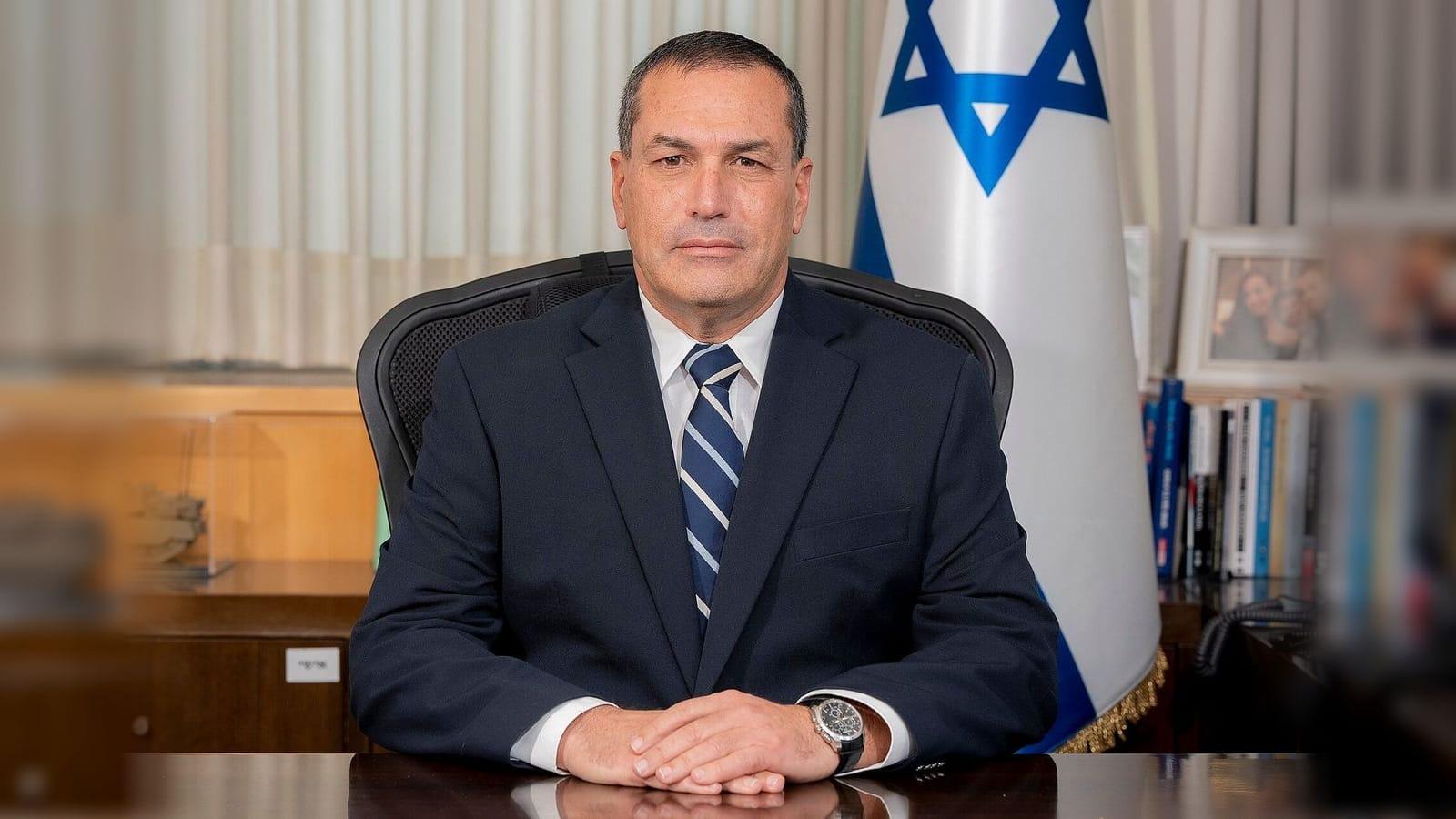
צילום ארכיון
The three organisations agree on the substance. The IDF statement and Ynet both emphasise readiness to resume fighting, while N12's reports put more weight on the reservist burden and on the planned expansion of training.
What the reports do not say
None of the reports gives figures for the planned increase in training or a timetable for it, and none explains what concrete measures will reduce the load on reservists. The IDF statement as published is cut off partway through its description of the visit, so further details from it are not available in the material. The reports also do not say which front or fronts the heightened readiness for renewed combat is aimed at.
אנשים בכתבה: אייל זמיר, ניר דבורי
להמשך קריאה
למדור ביטחון →
צילום ארכיון
ביטחון
מפקד סנטקום, האדמירל בראד קופר, בישראל לשיחות עם הרמטכ"ל זמיר
צילום ארכיון
ביטחון
צה"ל: ראש מנגנון הביטחון הפנימי של חמאס שחוסל היה שותף להחזקת גופת אורון שאול
צילום ארכיון
ביטחון
חברי פרלמנט ממפלגת השמאל מחו נגד הופעת ראש המוסד לשעבר דדי ברנע בבונדסטאג

איור
ביטחון
בכיר באכ"א אמר בכנסת שצה"ל מתקשה לשמר את המשרתים בו
אפשר לראות את Israel.com ראשון בכתבות המובילות של Google.הוספה כמקור מועדף ב־Google
מקורות וקריאה נוספת
פתחנו ובדקנו כל קישור כאן בזמן כתיבת העמוד. הודעות רשמיות מסומנות ככאלה: זו הגרסה של הגורם עצמו, לא גרסה עצמאית.
- רשמיidft.meIDF spokesperson
- כתבותyediotht.meYnet alerts
- כתבותkeshett.meN12
- כתבותkeshett.meN12
איך בדקנו את זה
The visit and Zamir's remarks were reported by the IDF spokesperson, Ynet and N12. The planned rise in training and the processing of war lessons are attributed to the IDF via N12's correspondent; no independent verification was carried out.
מדיניות המקורות והתיקונים שלנו →השבוע בישראל, במייל אחד
הכתבות החשובות, עם מקורות ואחרי בדיקה של מערכת Israel.com. חינם, פעם בשבוע, ואפשר להפסיק בלחיצה אחת.
רשימה אחת, הסרה בלחיצה. הפרטים במדיניות הפרטיות שלנו.
הכתבות האחרונות
צילום ארכיון
צילום ארכיון
איור
צילום ארכיון
איור

איור