IDF chief Zamir says army returns to training after three years of war
At an exercise of the 50th Battalion, Lt. Gen. Eyal Zamir said the IDF is rebuilding training and readiness while trying to ease the load on reservists.
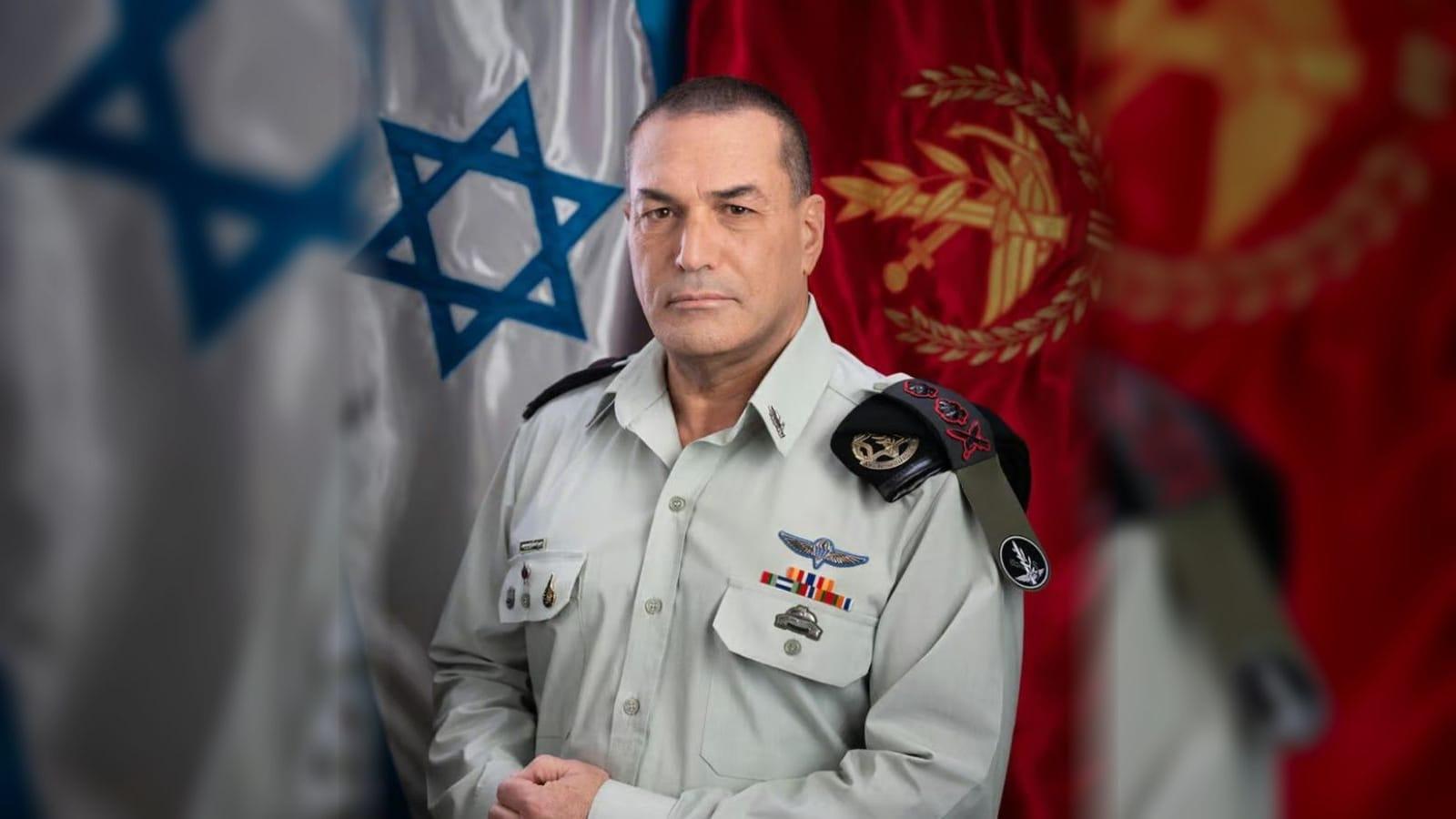
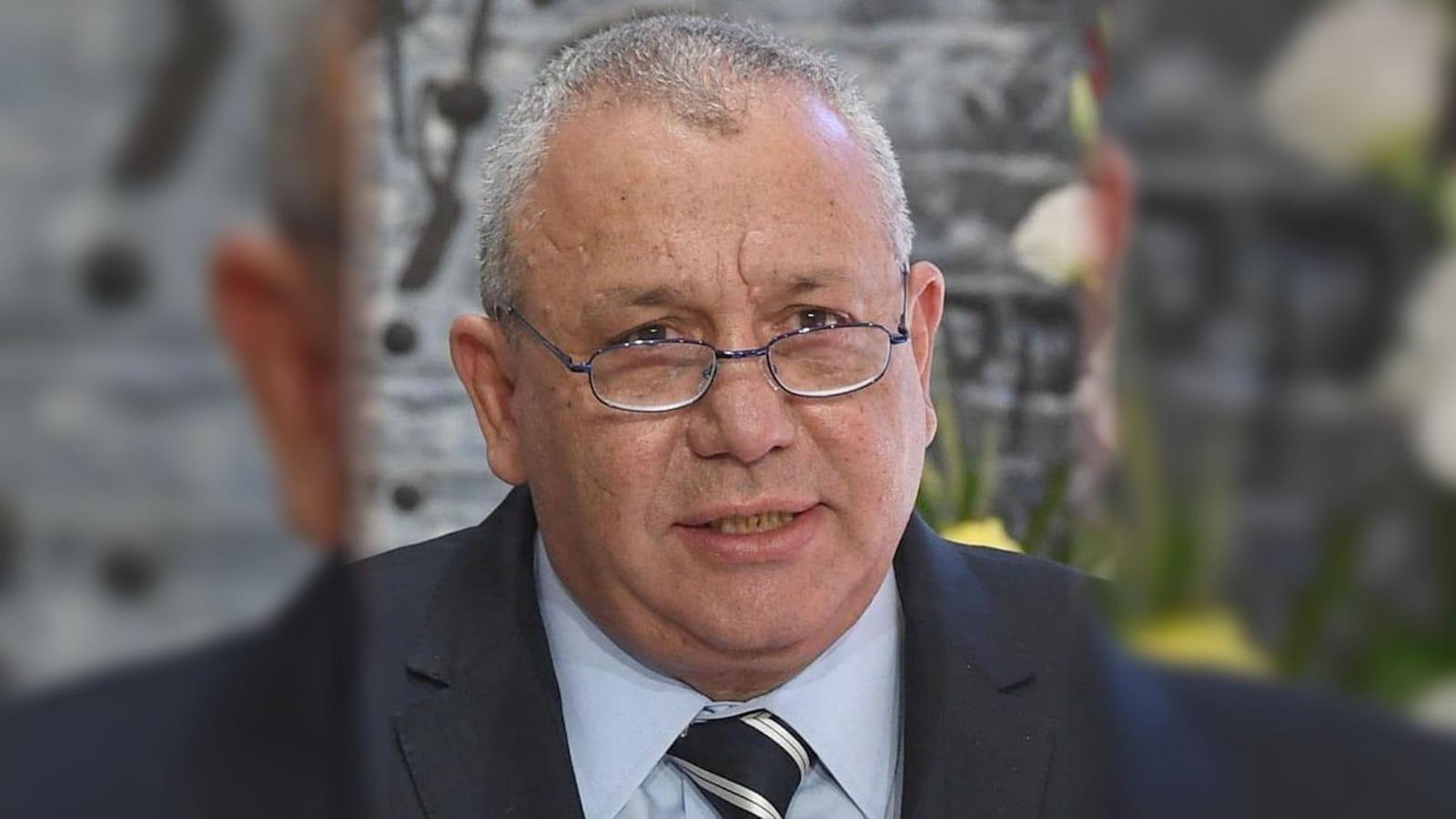
Eyal Zamir. File photo by IDF Spokesperson's Unit photographer, CC BY-SA 3.0, via Wikimedia Commons.
Israel's top military officer, Lieutenant General Eyal Zamir, visited the National Ground Training Center on Wednesday while the 50th Battalion was holding an exercise there, and used the visit to say the army is shifting back toward training after a long period of continuous fighting. According to a statement from the IDF spokesperson, Zamir said that after three years of fighting, the army "is returning to training", while it keeps reinforcing its defences on every border and guards communities from what he called "forward defensive areas".
In the same remarks, Zamir said the military was at the same time raising its readiness to "resume combat operations". Ynet led its alert on the visit with that line, quoting the chief of staff as saying the IDF's fitness for a return to fighting was being increased. N12's military correspondent Nir Dvori reported that Zamir also spoke about the IDF's training schedule and said an effort was under way to lighten the heavy burden carried by reserve soldiers after three years of war.
Who Zamir is and what the role involves
The Chief of the General Staff, often shortened to chief of staff and known in Hebrew as the Ramatkal, is the most senior officer in the Israel Defense Forces (IDF). The post carries the rank of lieutenant general, the highest in the Israeli military, and its holder answers to the defence minister and the government. Public remarks by the chief of staff at a training base are typically read as a signal of the army's priorities, and this visit was framed by the military around a single message: more training, and preparedness for further combat if it is ordered.
The National Ground Training Center is the IDF's main facility for exercising ground forces. The statement and the reports identify the unit on exercise during the visit as the 50th Battalion but do not describe the scenario it was training for.
A heavier training programme for conscripts and reservists
Beyond Zamir's own words, N12 reported that the IDF said it expects a significant rise in the amount of training, covering both its regular forces and its reserve forces. The military also said it is working through the lessons of the war and building them into its training plans, according to the same report.
Israel's week in five stories, every Friday
Sourced and checked by the Israel.com newsroom, with Shabbat times. Free, one-click unsubscribe.
One list, unsubscribe in a click. See our privacy policy.
For readers outside Israel, the distinction matters. The regular, or standing, army is made up largely of young conscripts doing compulsory service, alongside career personnel. The reserves are made up of civilians who have completed their service and can be called back for training or for active duty. Reservists leave jobs, studies and families when they are mobilised, which is why the strain on them has become a central public issue in Israel during a prolonged war. Zamir's reference to easing that burden addresses this directly, though the reports do not set out how it would be done.
Defence on the borders and readiness for more fighting
The message Zamir delivered has two parts that sit side by side. On one hand, he described the army as stepping back from full-time combat into a period in which units can train again, something that tends to be squeezed out when forces are deployed continuously. On the other, he said border defence continues on all fronts and that the IDF is preparing to be able to go back into combat operations. His mention of protecting communities from forward defensive areas refers to positions held ahead of Israeli communities rather than directly at them; the statement does not say where those positions are.
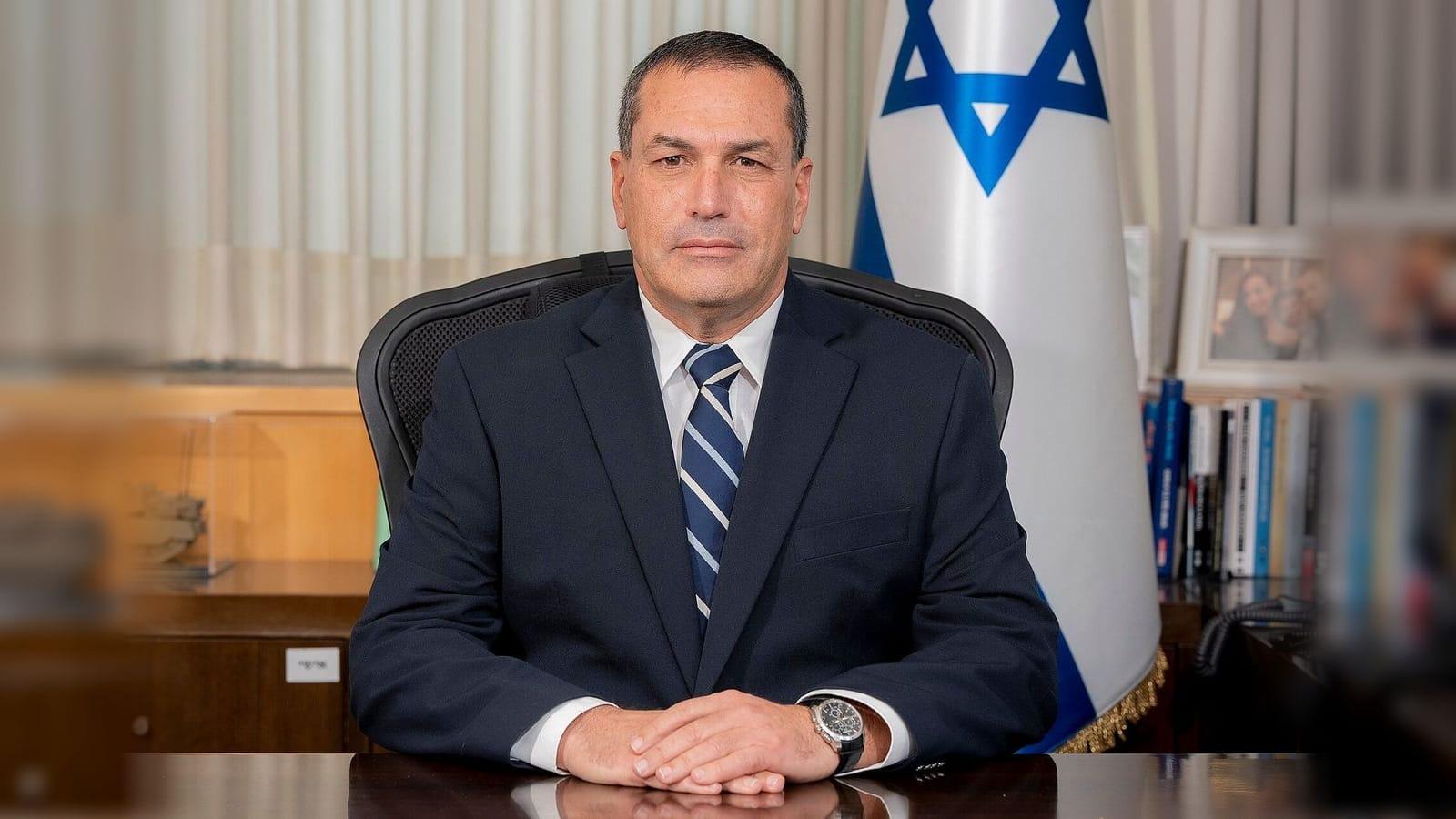
File photo
The three organisations agree on the substance. The IDF statement and Ynet both emphasise readiness to resume fighting, while N12's reports put more weight on the reservist burden and on the planned expansion of training.
What the reports do not say
None of the reports gives figures for the planned increase in training or a timetable for it, and none explains what concrete measures will reduce the load on reservists. The IDF statement as published is cut off partway through its description of the visit, so further details from it are not available in the material. The reports also do not say which front or fronts the heightened readiness for renewed combat is aimed at.
People in this story: Eyal Zamir, Nir Dvori
Read next
All security →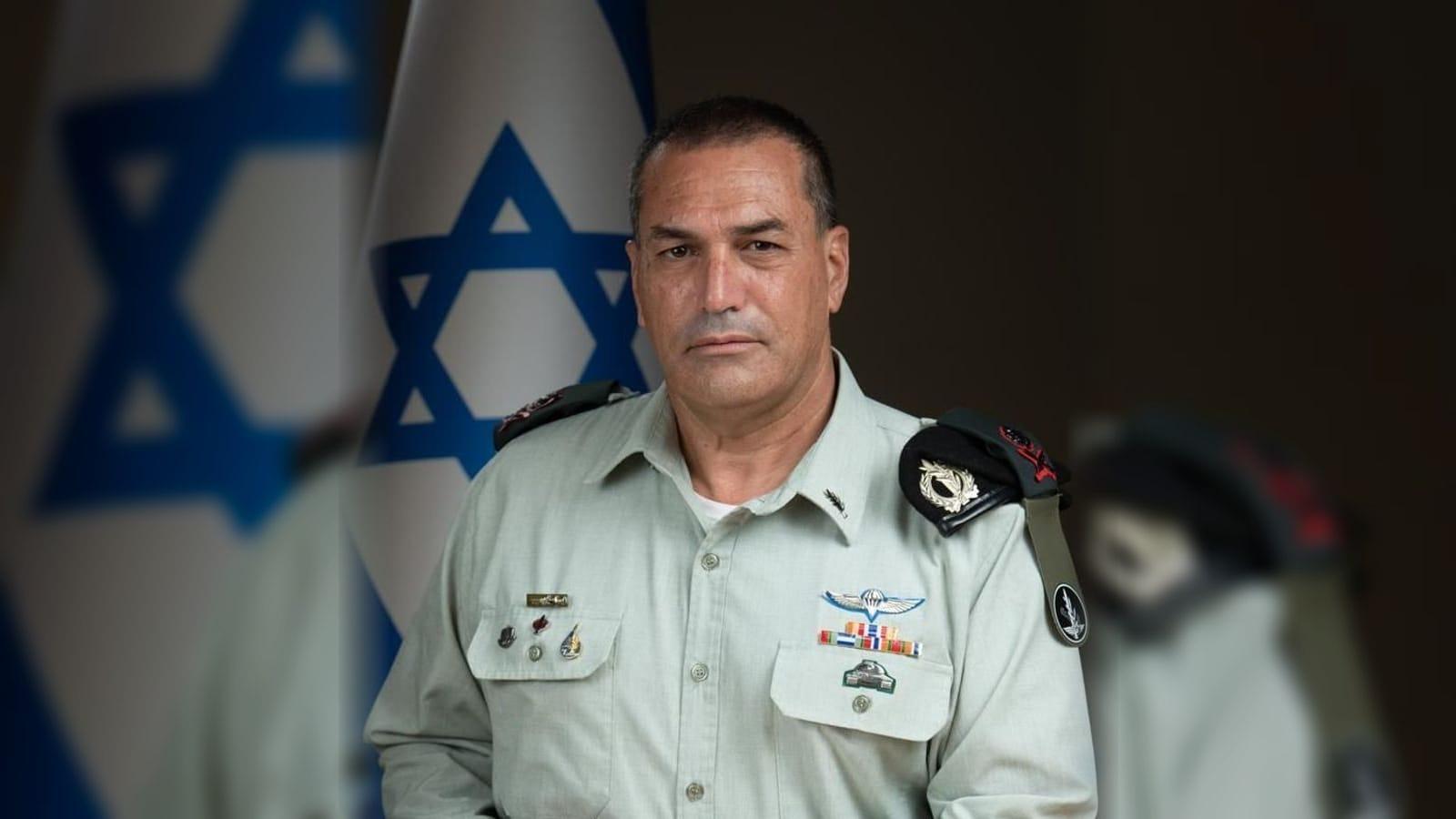
File photo
Security
US Central Command chief Brad Cooper visits Israel for talks with Zamir

Illustration
Security
IDF leaflets over Gaza City carry a warning aimed at Hamas internal security
File photo
Security
IDF says slain Hamas security chief helped hold Oron Shaul's remains
File photo
Security
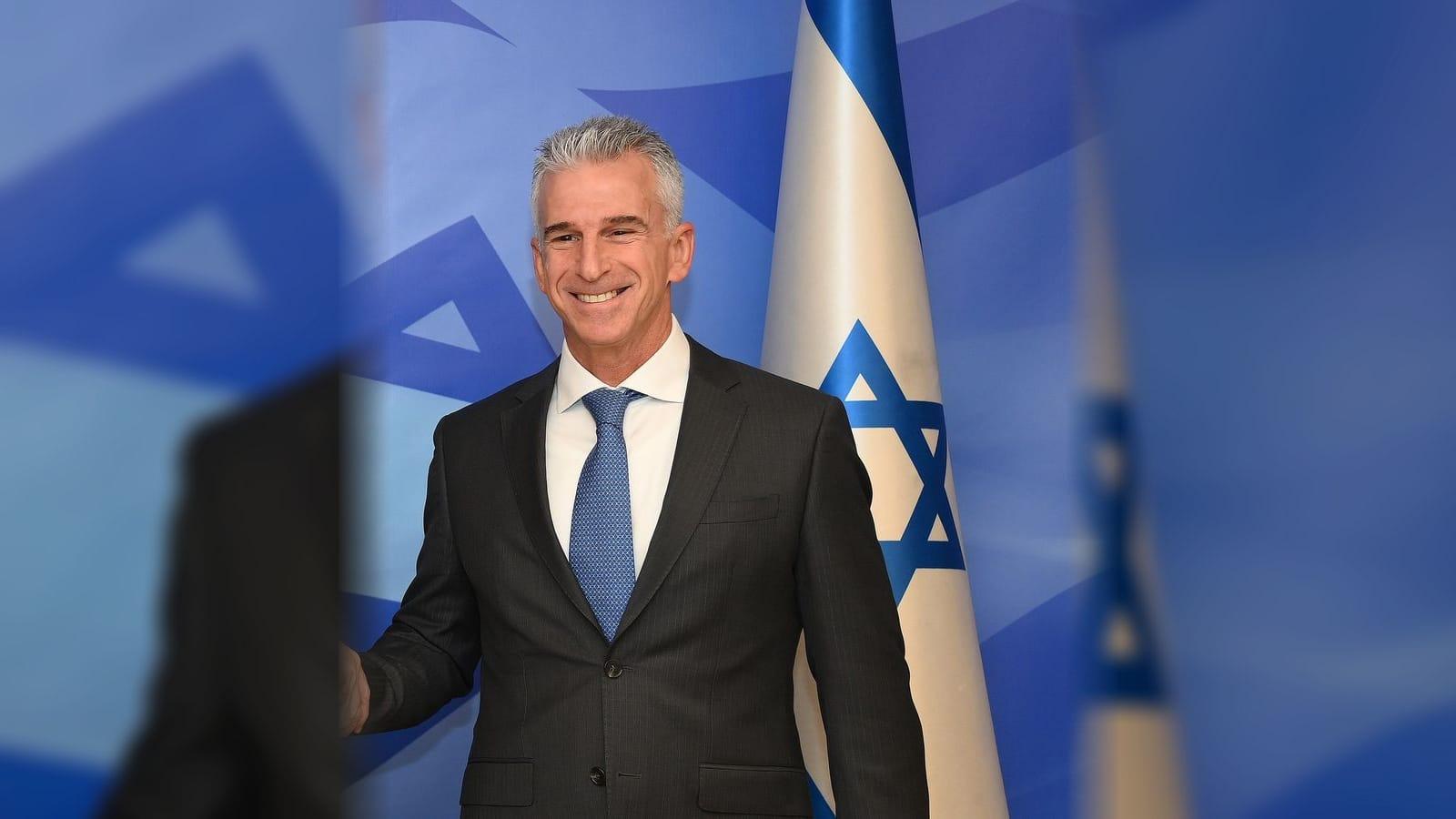
Left Party MPs protest ex-Mossad chief David Barnea's Bundestag appearance
See Israel.com first in Google's top stories.Add it as a preferred source on Google
Sources and further reading
Every link below was opened and checked when this page was written. Official statements are marked as such: they are the subject's own account, not an independent one.
- Officialidft.meIDF spokesperson
- Reportingyediotht.meYnet alerts
- Reportingkeshett.meN12
- Reportingkeshett.meN12
How we checked this
The visit and Zamir's remarks were reported by the IDF spokesperson, Ynet and N12. The planned rise in training and the processing of war lessons are attributed to the IDF via N12's correspondent; no independent verification was carried out.
Our sourcing and corrections policy →The week from Israel, in one email
The stories that mattered, sourced and checked by the Israel.com newsroom. Free, weekly, one-click unsubscribe.
One list, unsubscribe in a click. See our privacy policy.
Latest
File photo
File photo
Illustration

Illustration
File photo
Illustration