IDF chief Zamir tells Western Negev mayors their security will not be cut
Eyal Zamir met local leaders near the Gaza border with his southern commanders, as The Times of Israel tied the meeting to plans to reduce reserve troops.
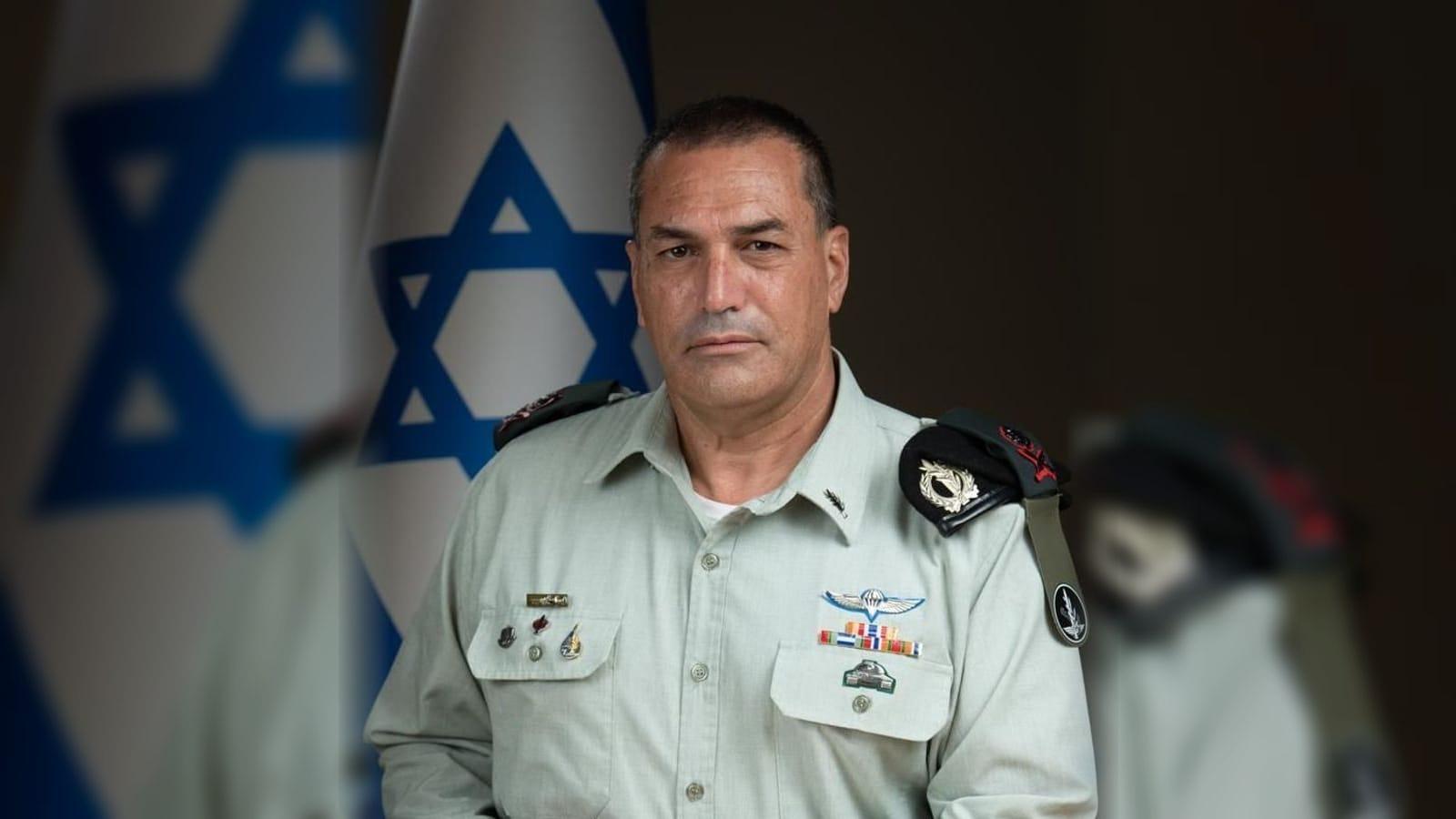
Eyal Zamir. צילום ארכיון: IDF Spokesperson's Unit photographer, CC BY-SA 3.0, מתוך ויקישיתוף.
הכתבה המלאה עדיין לא נכתבה בעברית, ולכן היא מובאת כאן באנגלית.
The chief of staff of the Israel Defense Forces (IDF), Lieutenant General Eyal Zamir, told heads of local authorities in the Western Negev on Wednesday that the military would not compromise on the security of their communities, according to a statement from the IDF spokesperson. Zamir described protecting the residents as "the primary mission of us all" and said their security was "the sole consideration driving us".
The IDF said Zamir held the discussion together with Major General Yaniv Asor, who heads the Southern Command, and Brigadier General Liron Batito, commander of the Gaza Division, alongside the local leaders. The Times of Israel reported the meeting as Zamir addressing the mayors of communities along the Gaza border, and placed it in the context of plans to scale back reservists the outlet characterised as superfluous.
Who was in the room
The chief of the general staff is the most senior officer in the Israeli military, answering to the defence minister and the government. Zamir holds the rank of lieutenant general, the highest in the IDF.
The Southern Command is one of the IDF's regional commands and is responsible for the country's south, including the frontier with the Gaza Strip. Its commanding officer, Asor, is a major general. The Gaza Division is the formation within that command that is directly responsible for the area bordering Gaza; its commander, Batito, is a brigadier general. Bringing both officers to the meeting meant the local leaders heard from the full chain of command responsible for their area, from the general staff down to the division on the ground.
The Western Negev and its local authorities
The Negev is the desert region that covers much of southern Israel. Its western part lies alongside the Gaza Strip and includes towns, kibbutzim (collective communities) and moshavim (cooperative farming villages) that sit close to the border. In Israel, rural communities of this kind are grouped into regional councils, while towns have their own municipalities. The heads of these bodies, often referred to in English as mayors, are elected locally and act as the main channel between residents and the state on issues ranging from services to security arrangements.
השבוע בישראל בחמש ידיעות, בכל יום שישי
מקורות ובדיקה של מערכת Israel.com, עם זמני השבת. חינם, ואפשר להפסיק בלחיצה אחת.
רשימה אחת, הסרה בלחיצה. הפרטים במדיניות הפרטיות שלנו.
Communities in this area have long lived with the threat of rocket fire and cross-border attacks from Gaza, and their leaders regularly press the military and the government over how they are protected. Local security arrangements typically combine soldiers deployed by the army with community-based defence measures, which is the backdrop to Zamir's reference, in the IDF statement, to the elements that make up their security.
The reservist question
Israel's military relies heavily on reserve soldiers, civilians who are called up for periods of duty in addition to the conscripts doing compulsory service. Extended reserve call-ups place a heavy load on those soldiers, their families and their employers, and the size of the reserve force on active duty is a recurring subject of debate.
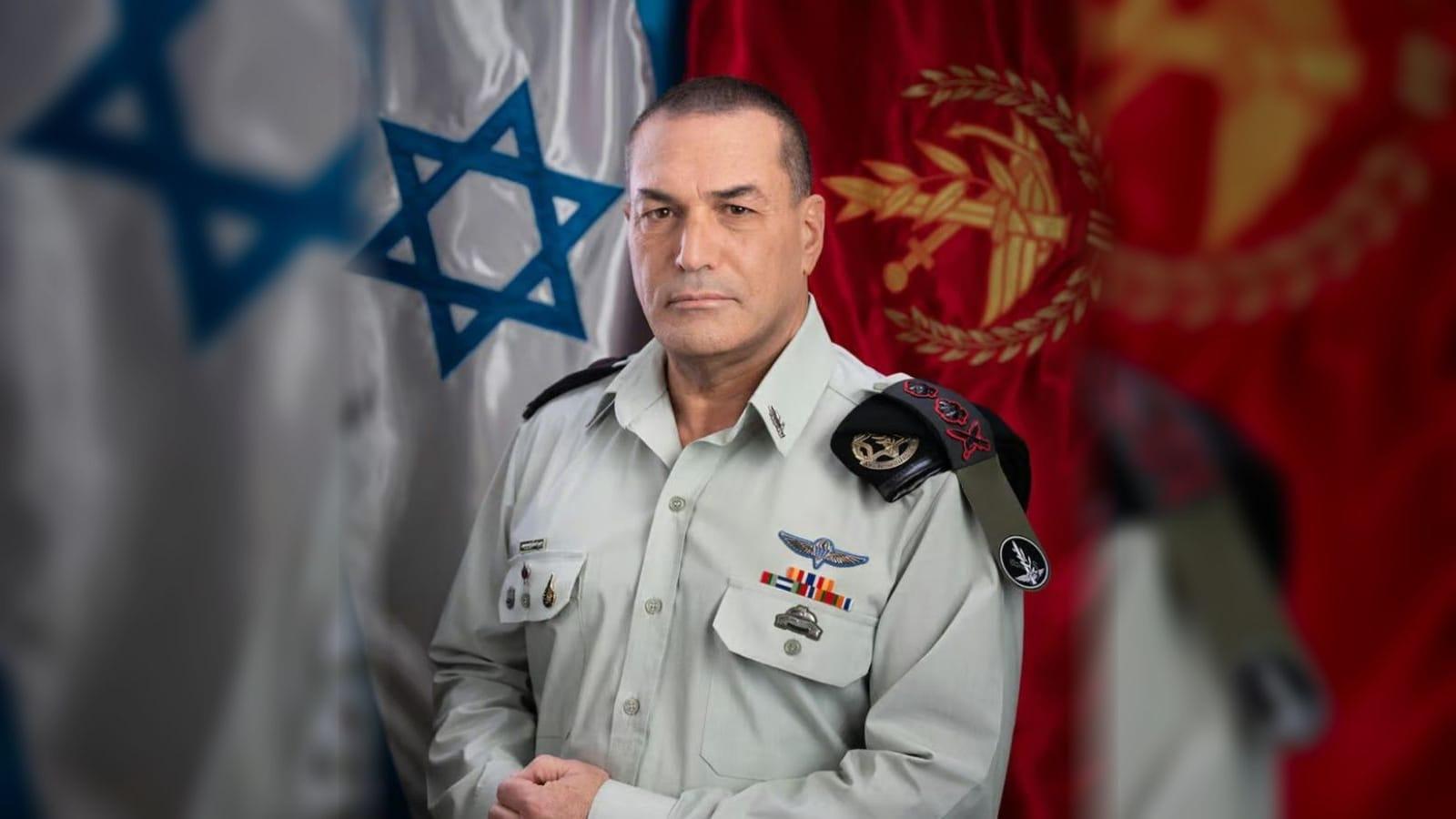
צילום ארכיון
הכתבה הבאה ביטחון
The Times of Israel linked Zamir's remarks to plans to reduce reservists described as superfluous. The IDF spokesperson's statement, as available, does not mention reservists or any change in force levels. It frames the meeting around Zamir's commitment to the residents' safety rather than around any specific decision. Read together, the two reports suggest the meeting was held against the background of concern among local leaders about possible changes to deployments, but only The Times of Israel makes that connection explicit.
What the reports do not say
Neither report sets out what the planned reduction in reservists involves, how many troops it would affect, when it would take effect or whether it would apply to the Western Negev specifically. The reports do not name the local authority heads who attended or describe what they said to the commanders, and no response from them has been reported. The IDF statement as provided is cut off partway through, so it is not clear whether the military announced any concrete measures at the meeting beyond Zamir's assurance.
אנשים בכתבה: אייל זמיר, יניב עשור
להמשך קריאה
למדור ביטחון →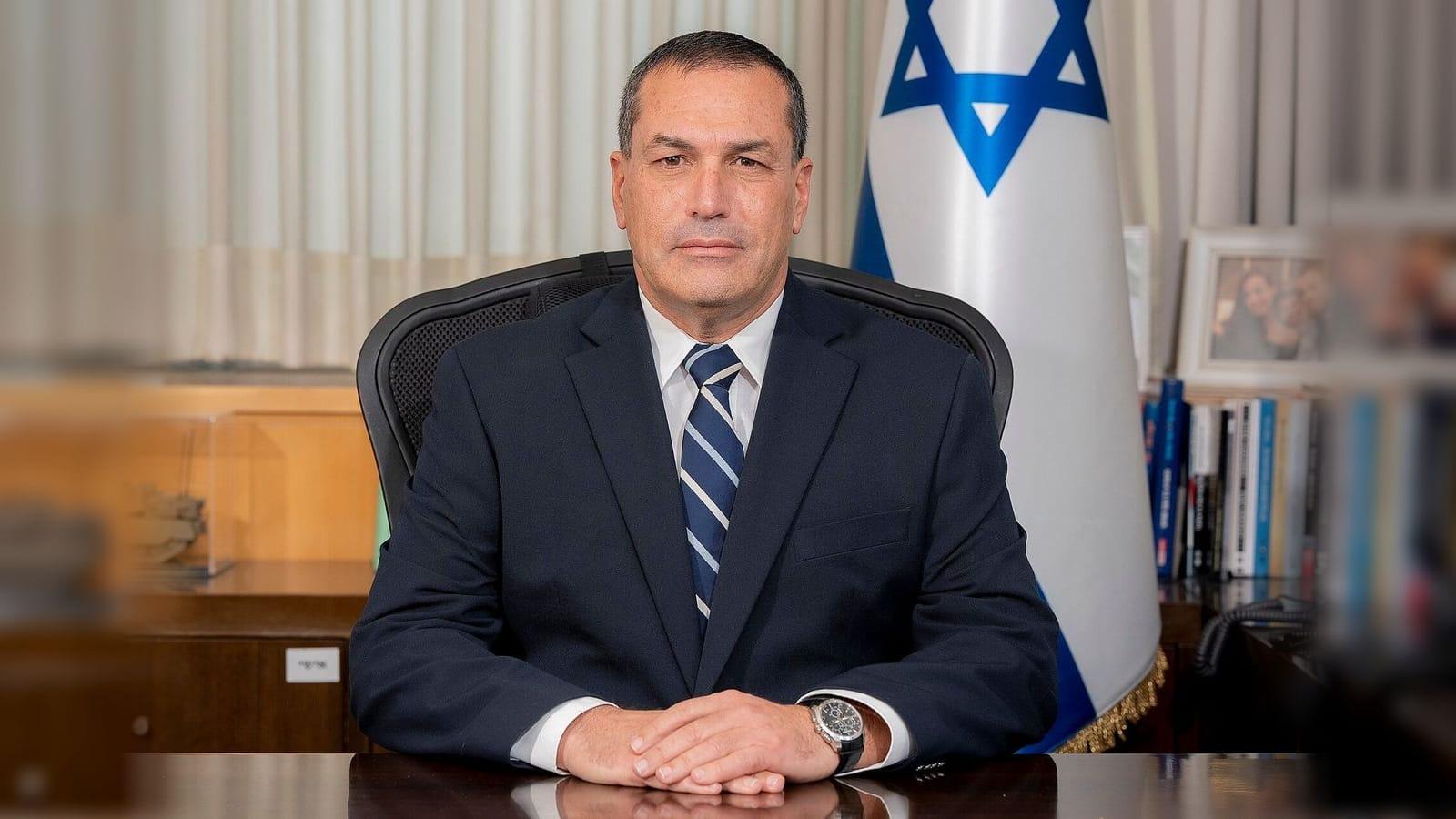
צילום ארכיון
ביטחון
הרמטכ"ל זמיר קורא להגדיל את הצבא ואומר שצה"ל רודף אחר מחבלי 7 באוקטובר

איור
ביטחון
עיתון איטלקי מדווח כי כטב"ם אוקראיני פגע בספינה איראנית שהובילה נשק ללוב
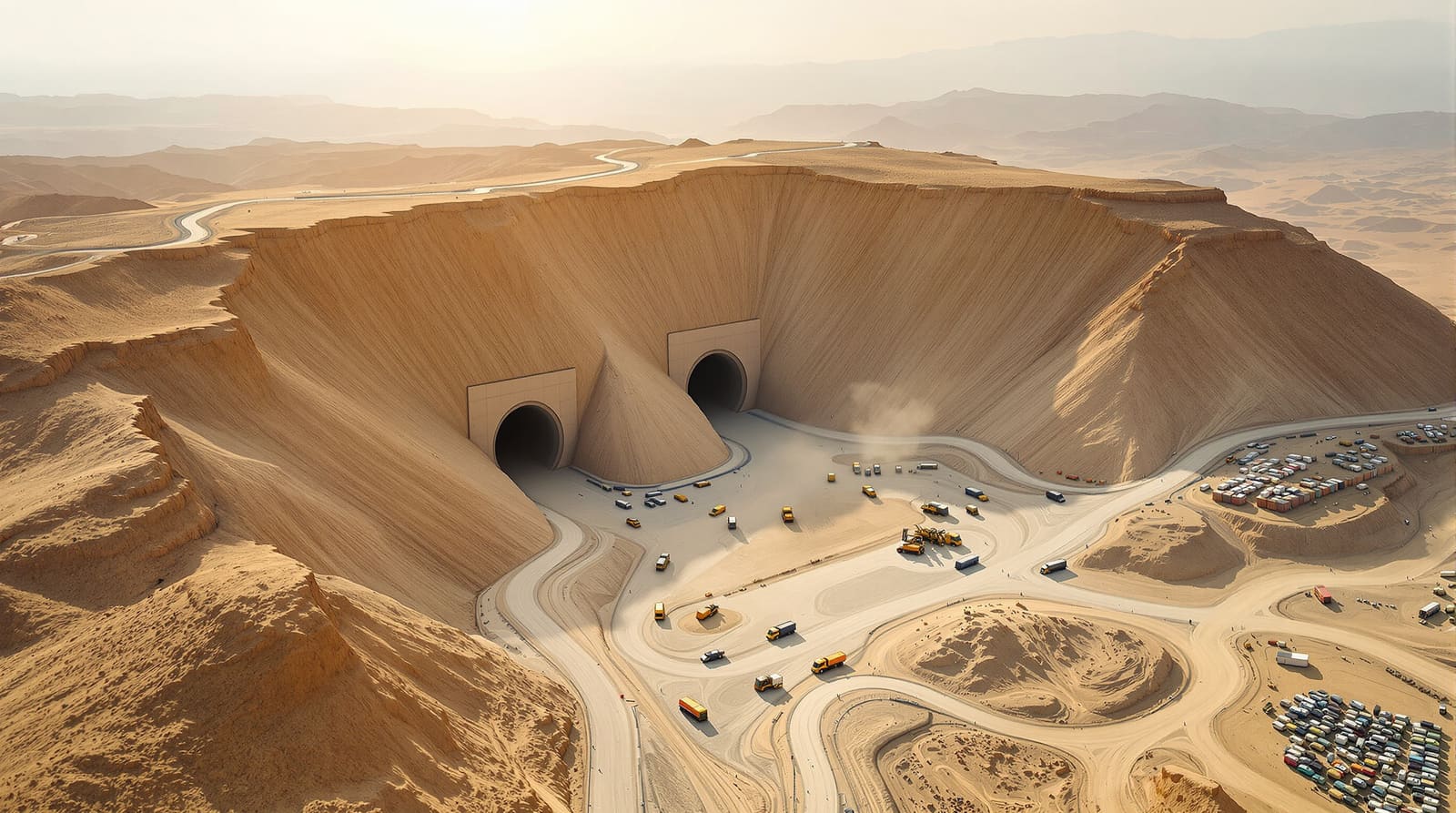
איור
ביטחון
תצלומי לוויין חושפים מתחם מבוצר בתוך הר בין נתנז לאספהאן
איור
ביטחון
פגיעת שיגור חות'י בנמל ג'יזאן בסעודיה, הקואליציה: אין נפגעים
אפשר לראות את Israel.com ראשון בכתבות המובילות של Google.הוספה כמקור מועדף ב־Google
מקורות וקריאה נוספת
פתחנו ובדקנו כל קישור כאן בזמן כתיבת העמוד. הודעות רשמיות מסומנות ככאלה: זו הגרסה של הגורם עצמו, לא גרסה עצמאית.
- רשמיidft.meIDF spokesperson
- כתבותtoitimesofisrael.comThe Times of Israel
איך בדקנו את זה
The meeting and Zamir's remarks were reported by the IDF spokesperson and by The Times of Israel. The link to plans to reduce reservists comes only from The Times of Israel; the IDF statement as available does not mention it.
מדיניות המקורות והתיקונים שלנו →
השבוע בישראל, במייל אחד
הכתבות החשובות, עם מקורות ואחרי בדיקה של מערכת Israel.com. חינם, פעם בשבוע, ואפשר להפסיק בלחיצה אחת.
רשימה אחת, הסרה בלחיצה. הפרטים במדיניות הפרטיות שלנו.
הכתבות האחרונות
צילום ארכיון
צילום ארכיון
צילום ארכיון

איור

איור

איור