Iran airs footage of a new underground 'missile city' after Trump remarks
Iranian media published video of what they called a new underground missile complex, as Tehran's foreign minister set conditions for any talks with Washington.
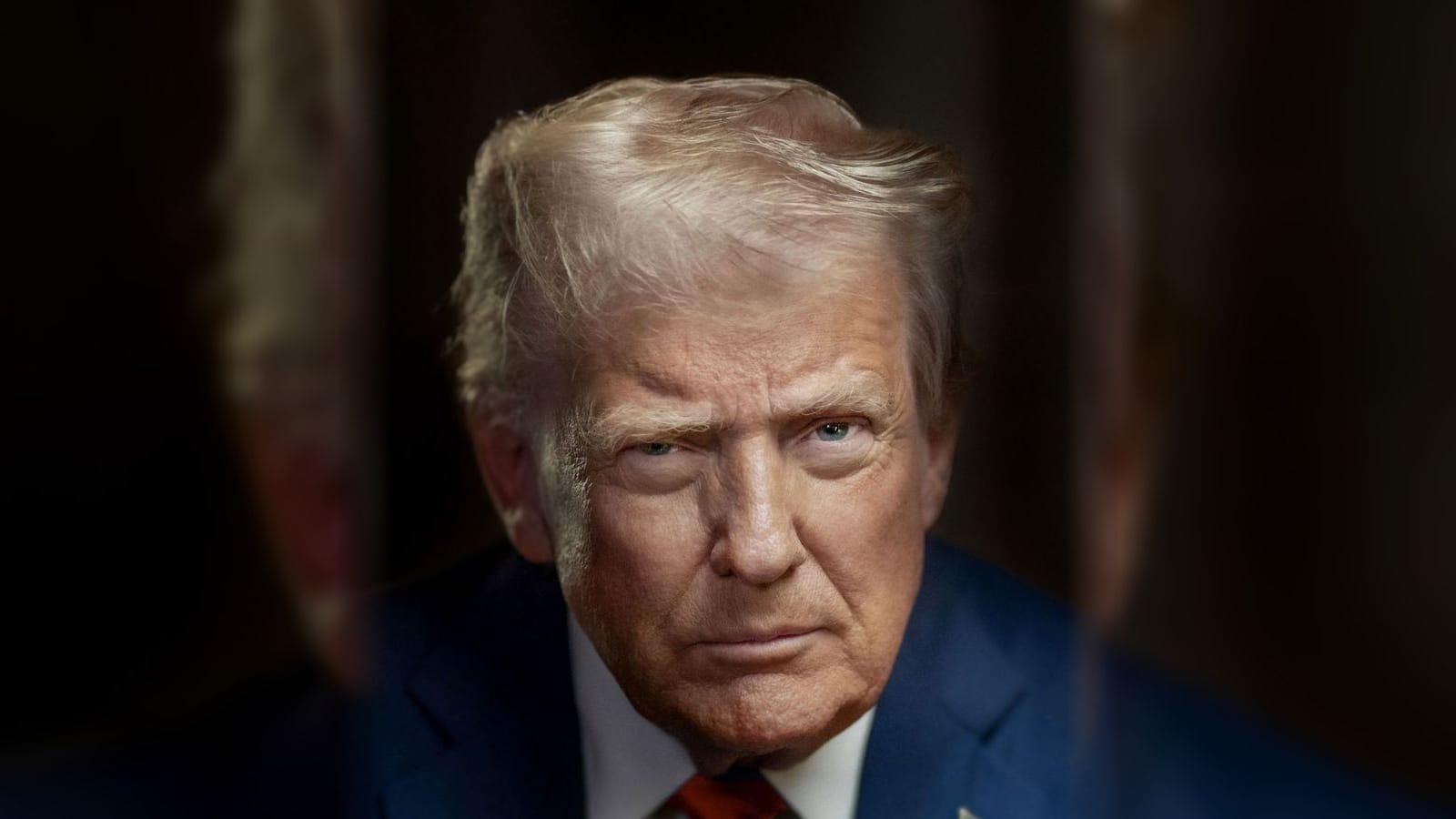
Donald Trump. צילום ארכיון: Daniel Torok, נחלת הכלל, מתוך ויקישיתוף.
הכתבה המלאה עדיין לא נכתבה בעברית, ולכן היא מובאת כאן באנגלית.
Iranian media have published footage of what they described as a new underground "missile city", according to the foreign desk of the Israeli broadcaster N12. The Israeli news site Ynet reported in a brief alert that Iran had "revealed" an underground missile facility, and that an Iranian air force commander said the country's "capabilities have expanded".
In its fuller report, Ynet framed the release as a threatening message from Tehran that came after US President Donald Trump, returning from China, said that Iran wants a deal but not one that he finds acceptable. The Israeli Telegram channel Abu Ali Express, which follows Arab and Iranian media, carried remarks by Ahmad Vahidi, whom it identified as commander of the Revolutionary Guards, filmed inside the newly shown site.
What was shown and who spoke
None of the reports describe the facility's location, size or contents. N12 referred only to documentation of a new underground site, and Ynet used the phrase "missile city" in quotation marks, signalling that the label is Iran's own rather than an independent description.
According to Abu Ali Express, Vahidi said that what the enemy is now experiencing is "only the beginning", and that the enemy would be seen "humiliated" more and more. He also framed the confrontation in religious terms, saying that justice would prevail over falsehood. The channel did not name the enemy he was addressing.
The reports name different officials. Ynet's alert attributed the line about expanded capabilities to an air force commander, while Abu Ali Express quoted Vahidi as the Revolutionary Guards commander. The reports do not make clear whether both men appeared in the same footage or whether these were separate statements.
השבוע בישראל בחמש ידיעות, בכל יום שישי
מקורות ובדיקה של מערכת Israel.com, עם זמני השבת. חינם, ואפשר להפסיק בלחיצה אחת.
רשימה אחת, הסרה בלחיצה. הפרטים במדיניות הפרטיות שלנו.
The Revolutionary Guards
The Islamic Revolutionary Guard Corps, often shortened to IRGC, is a branch of Iran's armed forces that exists alongside the regular military. It was set up to protect the Islamic Republic's system of government and answers to the country's supreme leader. It controls much of Iran's missile programme, which is why announcements about missile sites are usually made by its commanders or presented through its media channels.
The diplomatic backdrop
Ynet tied the timing of the footage directly to Trump's comments. According to its report, Trump said on his return from China that Iran wants an agreement, but not one acceptable to him.
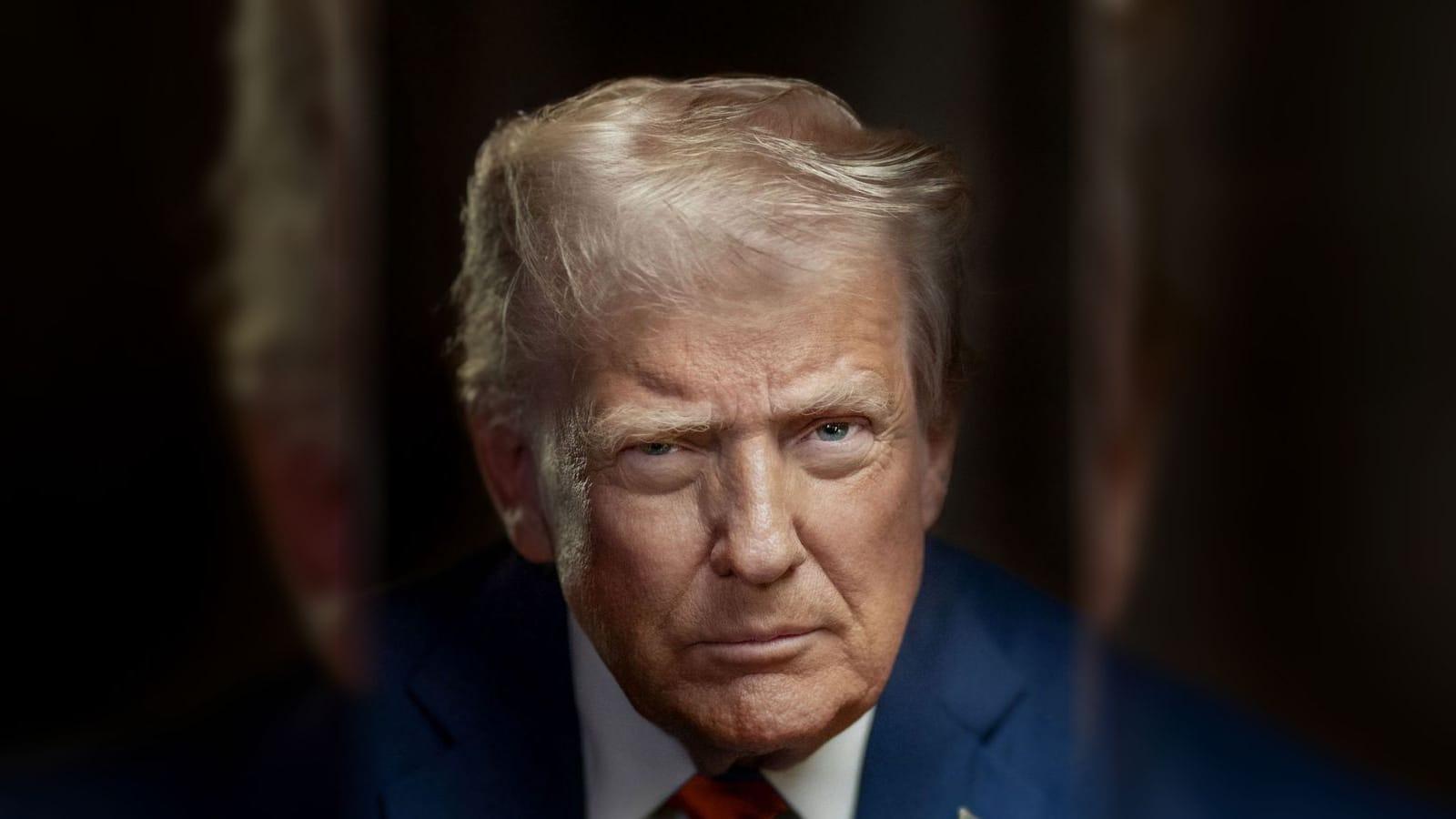
צילום ארכיון
In the same report, Ynet said that Iran's foreign minister, Araghchi, set out conditions for negotiations. He was quoted as saying that the United States must meet specific commitments and that doing so would open the way to talks. Ynet did not report what those commitments are.
Ynet also described a continuing "war of attrition" in Hormuz, a reference to the Strait of Hormuz, the narrow waterway between Iran and the Arabian Peninsula that links the Persian Gulf to the open sea and carries a large share of the world's seaborne oil trade. The report did not detail what that standoff currently involves.
Why the footage matters to Israeli outlets
Israeli media follow Iranian military announcements closely because Israel regards Iran's missile arsenal as a direct threat. All four reports here come from Israeli outlets relaying what Iranian media broadcast, and the coverage, published within a short span on the same day, treated the release as a political signal as much as a military one. Ynet explicitly described it as a response to Washington, and Vahidi's quoted remarks, as relayed by Abu Ali Express, were addressed to an unnamed enemy.
Iran has in the past used the release of footage from underground facilities to project military strength, and outlets reporting such releases generally cannot confirm the capabilities on display. Nothing in the material indicates that any independent party has inspected or verified the site shown.
What the reports do not say
The reports do not say where the facility is, when the footage was filmed, or what kinds of missiles, if any, are stored there. They give no response from the United States or Israel to the release. The specific commitments Araghchi demanded from Washington are not spelled out, and it is not clear from the material whether the air force commander cited by Ynet and Vahidi spoke in the same video.
להמשך קריאה
למדור ביטחון →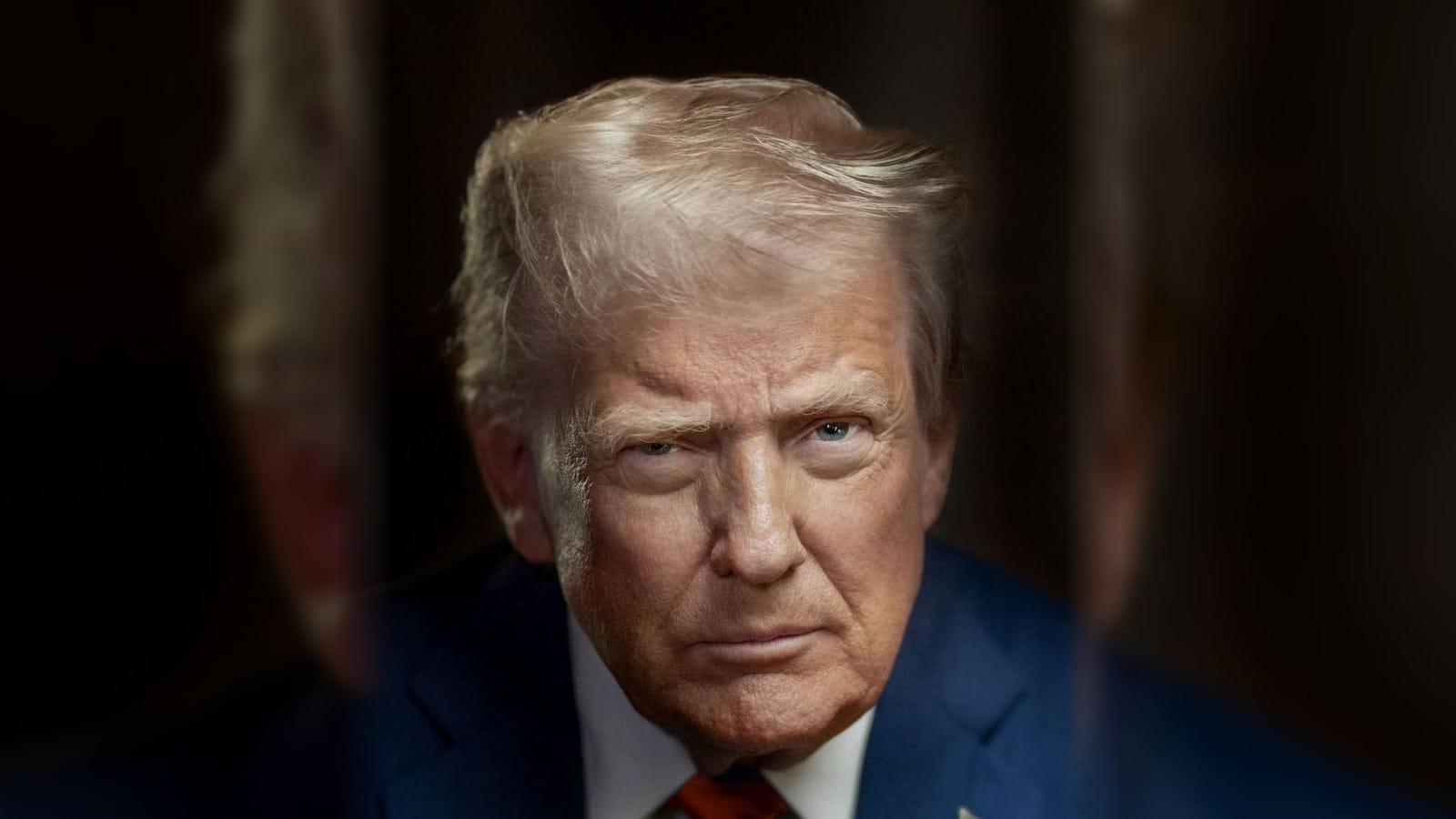
צילום ארכיון
ביטחון
טראמפ: פוטין אמר לי שהוא רוצה לסיים את המלחמה באוקראינה
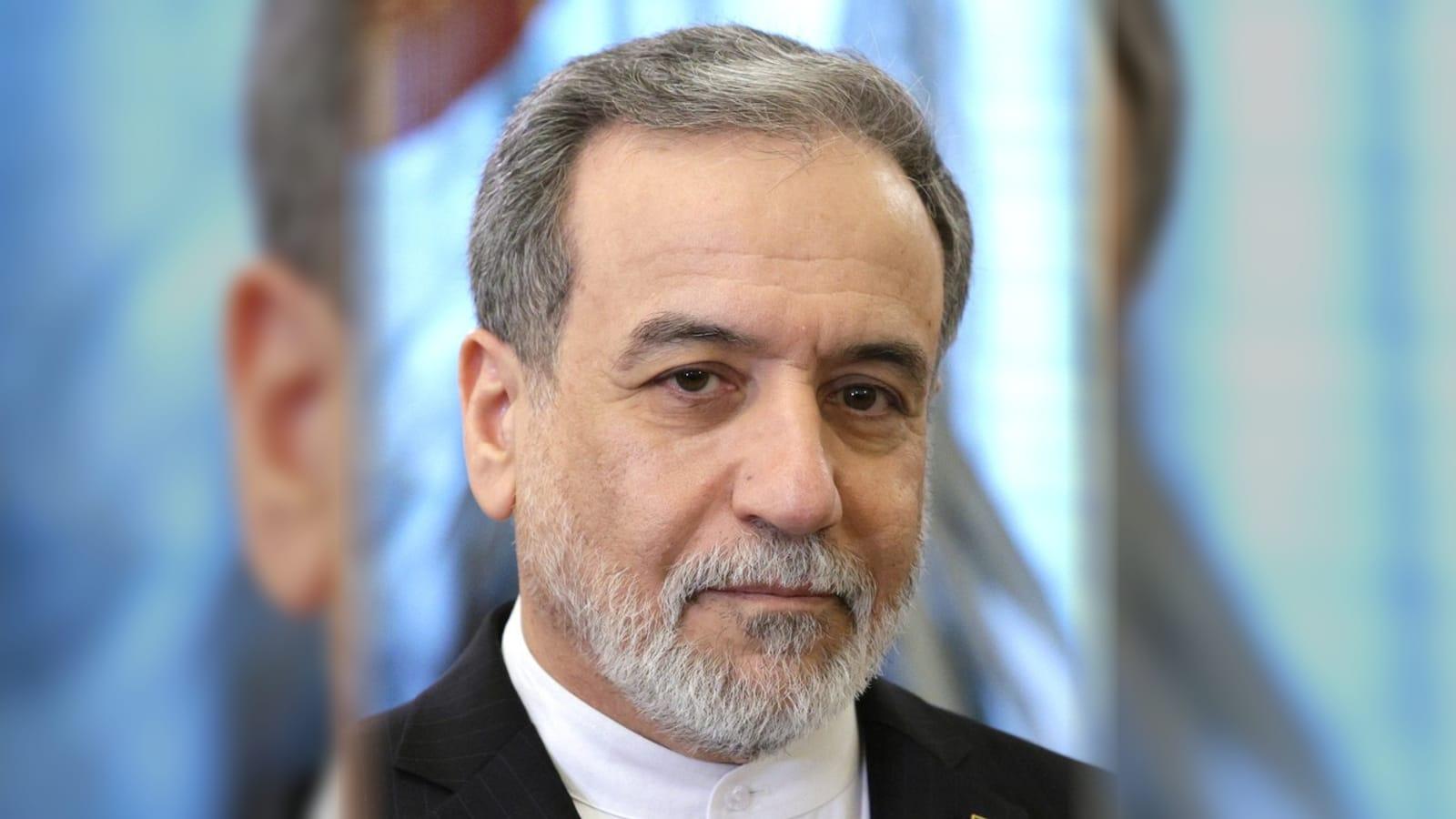
צילום ארכיון
ביטחון
עראקצ'י: מצר הורמוז יישאר סגור עד שארה"ב תעמוד בשבעה תנאים של איראן
איור
ביטחון
מכלית נפגעה מקליע לא מזוהה במצר הורמוז מול חופי עומאן
איור
ביטחון
סעודיה: יירטנו 3 טילים ששיגרו החות'ים לעבר ריאד
מקורות וקריאה נוספת
פתחנו ובדקנו כל קישור כאן בזמן כתיבת העמוד. הודעות רשמיות מסומנות ככאלה: זו הגרסה של הגורם עצמו, לא גרסה עצמאית.
- כתבותyediotht.meYnet alerts
- כתבותkeshett.meN12
- כתבותyediothynet.co.ilYnet
- כתבותabualiexpresst.meAbu Ali Express
איך בדקנו את זה
The release of the footage was reported by N12, Ynet and Abu Ali Express, all relaying Iranian media; none independently verified the site. Vahidi's quoted remarks come only from Abu Ali Express, and the link to Trump's comments and Araghchi's conditions come only from Ynet.
מדיניות המקורות והתיקונים שלנו →השבוע בישראל, במייל אחד
הכתבות החשובות, עם מקורות ואחרי בדיקה של מערכת Israel.com. חינם, פעם בשבוע, ואפשר להפסיק בלחיצה אחת.
רשימה אחת, הסרה בלחיצה. הפרטים במדיניות הפרטיות שלנו.
הכתבות האחרונות
איור
צילום ארכיון
איור

איור
איור
איור