Iran's Revolutionary Guards say two tankers caught fire near Hormuz
Iran's Revolutionary Guards claim two oil tankers were damaged near the Strait of Hormuz, a waterway vital to global energy shipping. No independent confirmation has been reported.
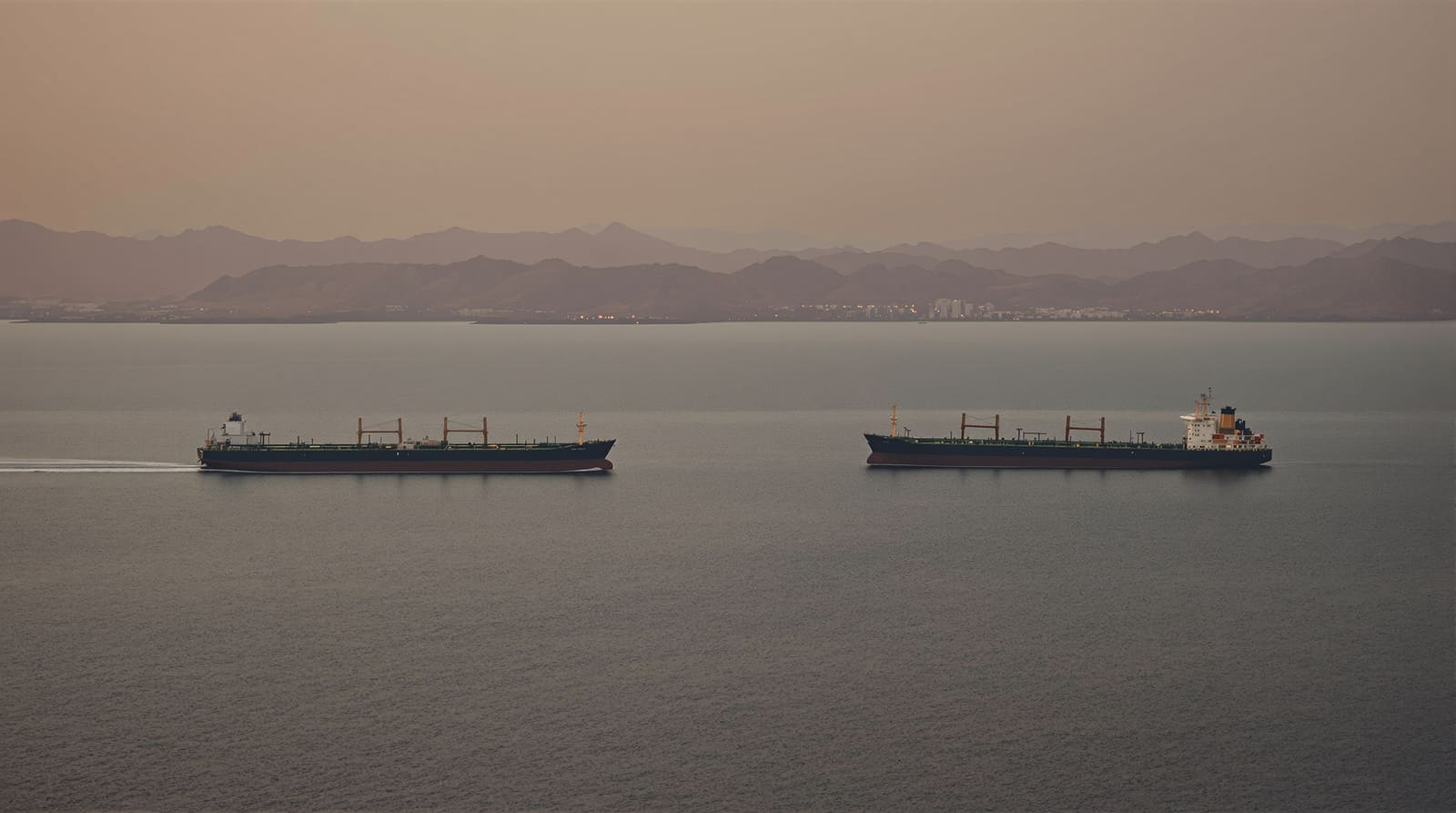
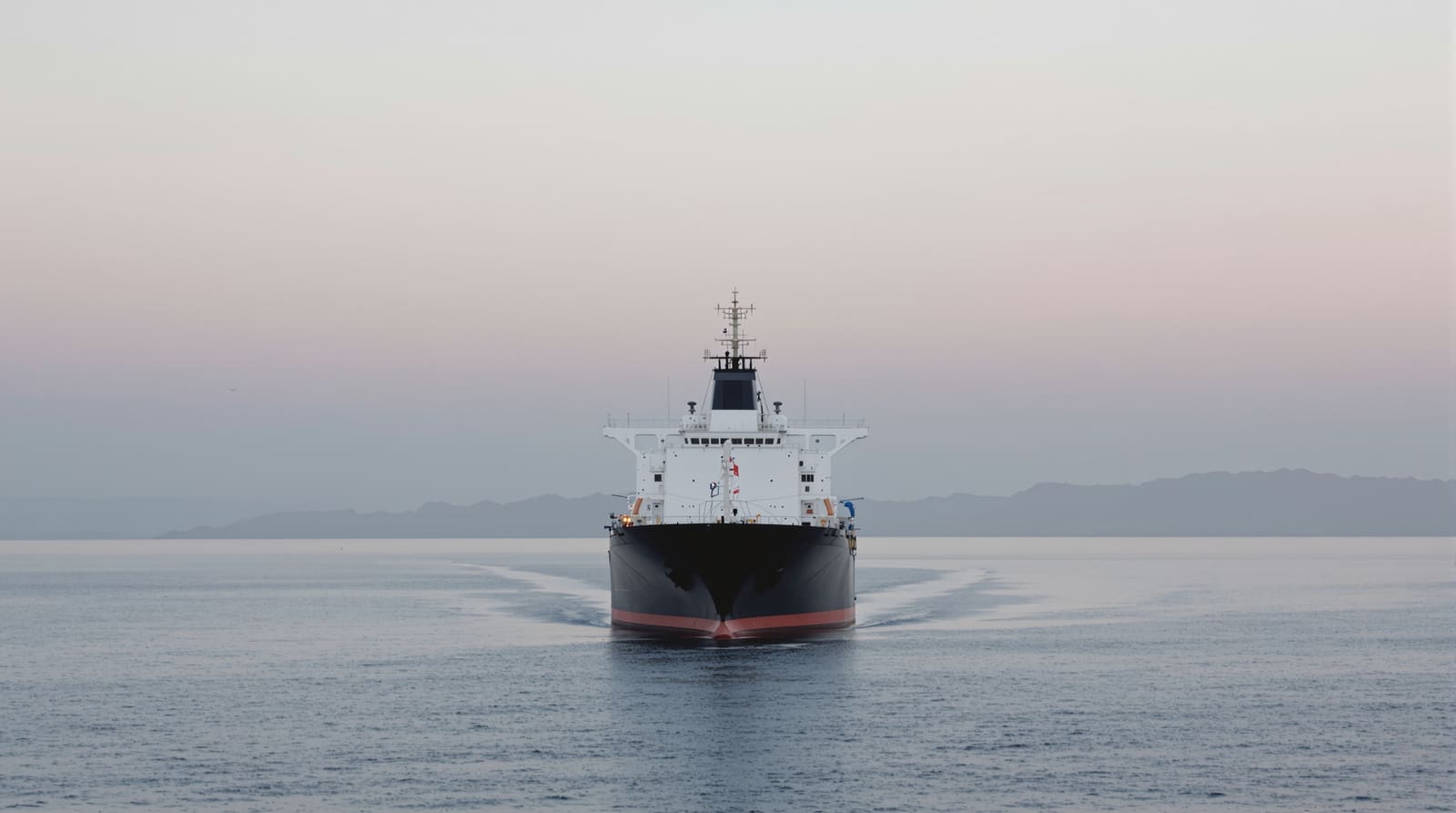
איור שנוצר בבינה מלאכותית, לא צילום של האירועים.
הכתבה המלאה עדיין לא נכתבה בעברית, ולכן היא מובאת כאן באנגלית.
Iran's Islamic Revolutionary Guard Corps (IRGC) has said that two tankers near the Strait of Hormuz were damaged, according to brief alerts published by two Israeli news outlets. Ynet reported that the Guards said the two vessels went up in flames after travelling through a route the force described as not authorised.
N12's foreign desk reported a somewhat different version of the claim, attributed to the naval arm of the Guards: that two oil tankers struck mines in the vicinity of the strait. Neither outlet named the ships, their owners, their flags or their crews, and neither reported any casualties.
Two versions of the same claim
The two alerts agree on the source of the claim, the IRGC, and on the number of vessels involved. They differ on what happened to them. In the account carried by Ynet, the emphasis is on fire and on the tankers having used a route Iran had not approved. In the account carried by N12, the cause given is mines. These descriptions are not necessarily contradictory, since a mine strike could cause a fire, but the reports as published do not connect the two, and this article does not attempt to resolve the difference.
Both reports were short breaking-news alerts posted on the messaging service Telegram, each pointing readers to fuller coverage. They relay what the Guards said; they do not present independent evidence that the incident took place as described.
What the Revolutionary Guards are
The Islamic Revolutionary Guard Corps is a branch of Iran's armed forces that operates separately from the country's regular military and answers to the Supreme Leader. It was created after the Islamic Revolution to protect the clerical system of government, and it has grown into a powerful military, political and economic institution. The Guards maintain their own navy, which is distinct from Iran's regular navy and focuses heavily on the waters of the Gulf, operating fast attack boats and patrolling the approaches to the Strait of Hormuz.
השבוע בישראל בחמש ידיעות, בכל יום שישי
מקורות ובדיקה של מערכת Israel.com, עם זמני השבת. חינם, ואפשר להפסיק בלחיצה אחת.
רשימה אחת, הסרה בלחיצה. הפרטים במדיניות הפרטיות שלנו.
Israel, the United States and a number of other countries regard the IRGC as a central instrument of Iranian regional policy, including its support for armed groups across the Middle East. Statements by the Guards about events at sea are therefore watched closely in Israel, even when they concern shipping far from Israeli waters.
Why the Strait of Hormuz matters
The Strait of Hormuz is a narrow passage between Iran to the north and Oman to the south. It links the Persian Gulf with the Gulf of Oman and, beyond it, the Arabian Sea and open ocean. Oil and gas exports from several major Gulf producers must pass through it, which makes it one of the most important shipping chokepoints in the world for energy markets.
איור
הכתבה הבאה ביטחון
משמרות המהפכה טוענים כי למלחמה עם ארה"ב אין גבולות גיאוגרפיים
Because Iran borders the strait, Tehran has long held the ability to disrupt traffic there as a source of leverage. Iranian officials have at various times threatened to close it, and the Guards' navy has in the past stopped or seized commercial vessels in and around the waterway. A claim that ships were damaged after using a route Iran did not authorise, as relayed by Ynet, suggests the Guards are asserting some control over which paths vessels may take, though the reports do not explain what route was meant or on what basis Iran considers it unauthorised.
How this fits the wider picture
Any incident involving tankers in the strait can affect shipping insurance, freight costs and oil prices, and can draw responses from naval forces of other countries that patrol the region. Israeli media follow such developments as part of their coverage of Iran, which Israel considers its principal strategic adversary. The two alerts, however, contain no information about the wider context in which the Guards made their statement, and this report does not add any.
What the reports do not say
The alerts do not identify the tankers, say where exactly they were, or report whether anyone was hurt. They do not say who laid any mines, if mines were involved, or what the unauthorised route was. No confirmation from ship owners, maritime security agencies, Oman or any foreign navy has been reported, and the claim currently rests on the IRGC's word alone.
להמשך קריאה
למדור ביטחון →
צילום ארכיון
ביטחון
חמינאי הורה על תגובה ללא הגבלה גאוגרפית, משמרות המהפכה מפיצים סרטון איום
איור
ביטחון
פיצוצים לאורך חוף הורמוז באיראן, דיווח על נפגעים בג'אסק ואין אישור למעורבות אמריקנית

צילום ארכיון
פוליטיקה
רזאי מתנה את פתיחת הורמוז ואת שיחות הגרעין בכך שארה"ב תקבל את תנאי איראן
צילום ארכיון
ביטחון
מכלית נפגעה ליד הורמוז, טראמפ: "איראן רוצה לדבר, ויש לנו זמן"
מקורות וקריאה נוספת
פתחנו ובדקנו כל קישור כאן בזמן כתיבת העמוד. הודעות רשמיות מסומנות ככאלה: זו הגרסה של הגורם עצמו, לא גרסה עצמאית.
- כתבותyediotht.meYnet alerts
- כתבותkeshett.meN12
איך בדקנו את זה
Ynet and N12 both reported that the IRGC made this claim, but the two outlets describe the cause differently (fire after an unauthorised route versus mines). The incident itself is attributed solely to the Revolutionary Guards and has not been independently verified.
מדיניות המקורות והתיקונים שלנו →השבוע בישראל, במייל אחד
הכתבות החשובות, עם מקורות ואחרי בדיקה של מערכת Israel.com. חינם, פעם בשבוע, ואפשר להפסיק בלחיצה אחת.
רשימה אחת, הסרה בלחיצה. הפרטים במדיניות הפרטיות שלנו.
הכתבות האחרונות
איור
איור
צילום ארכיון
צילום ארכיון
צילום ארכיון

צילום ארכיון