Israeli forecasters warn of heat stress across most of the country
The Israel Meteorological Service issued a yellow heat stress warning covering regions from the Upper Galilee to Eilat, with temperatures running above the seasonal average ahead of Yom Kippur.
איור
הכתבה המלאה עדיין לא נכתבה בעברית, ולכן היא מובאת כאן באנגלית.
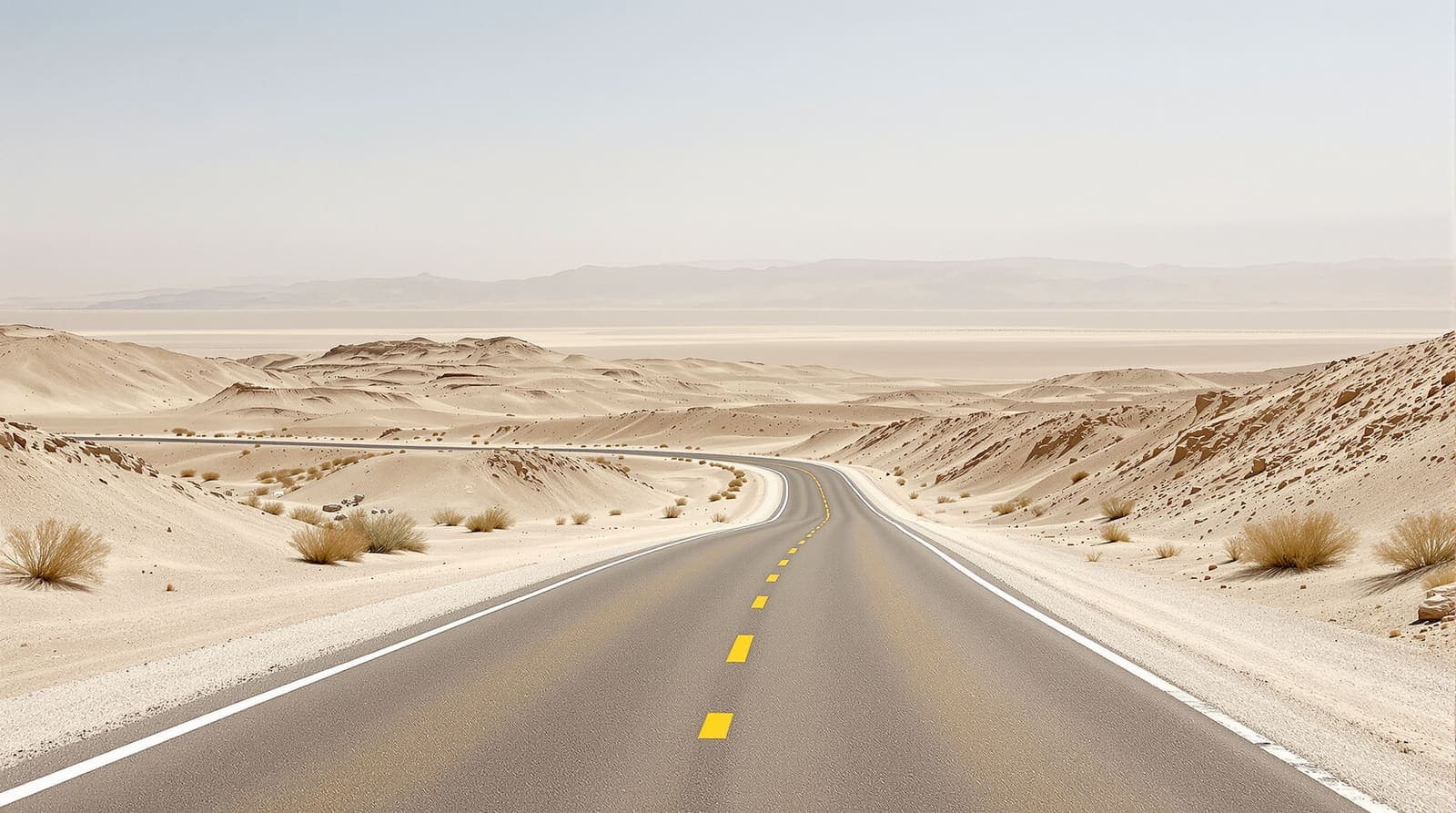
The Israel Meteorological Service, the government body responsible for weather forecasting and public weather warnings in Israel, issued a yellow warning for heat stress covering a long list of regions, in force on 14/09 from 11 until 19 local time. The areas named in the warning run almost the length of the country: the Eastern Upper Galilee, the Western Lower Galilee, the Carmel, the North Coast, the Central and South Coast, the Judean Foothills, the Center Mountains, Northern Samaria, the Judean Desert Margins, the Northern Negev, the Eastern Negev, the Southern Negev and Eilat Mountains, and the Arava.
Separately, the Hebrew-language outlet News.co.il reported the meteorological service's forecast of a rise of 3 to 4 degrees above the seasonal average in the coming days, accompanied by sharav conditions inland. According to the same report, temperatures are expected to begin falling on Thursday, with the possibility of drizzle and localised rain in the north, before rising again at the start of the following week as the Yom Kippur fast approaches.
מהשטח

Israel faces unseasonable heat before sharp cool-down and possible rain | Weather forecast Temperatures will climb 3-4°C above average inland before falling Thursday, with local rain possible in northern Israel Friday ynetnews.com/environment/ar…

What a yellow warning means
The Israel Meteorological Service, known in Hebrew as HaSherut HaMeteorologi, operates a colour-coded warning system for hazardous weather, with yellow sitting at the lower end of the scale. A yellow warning is an advisory rather than an emergency alert: it signals conditions that can affect health and outdoor activity, particularly for people working outside, the elderly, young children and those with chronic illness. Heat stress warnings are issued when the combination of temperature and humidity is expected to place strain on the body's ability to cool itself.
The warning's time window, from 11 until 19 local time, corresponds to the hottest stretch of the Israeli day, from late morning through to early evening.
What sharav means
Sharav is the Hebrew term for the hot, dry, dust-laden weather condition that affects Israel and the wider Levant, driven by air moving in from the desert interior. It is the same phenomenon known in Arabic as khamsin. Sharav episodes are characterised by a sharp jump in temperature, a collapse in relative humidity and often a haze that reduces visibility. They are most common in the transitional seasons, in spring and in autumn, when the region moves between winter rain patterns and the stable summer regime.
The News.co.il report describes the sharav conditions as affecting the interior of the country, which in Israeli weather usage means the inland valleys, the mountain regions and the desert areas rather than the Mediterranean coastal strip, where sea breezes moderate temperatures but raise humidity.
The geography in the warning
For readers unfamiliar with Israeli regional naming, the areas listed span nearly the whole state. The Eastern Upper Galilee and the Western Lower Galilee are in the north, near the Lebanese border and inland from Haifa respectively. The Carmel is the coastal mountain range around Haifa. The Center Mountains include the Jerusalem area. The Judean Desert Margins are the arid slopes descending east towards the Dead Sea. The Negev, divided in the warning into northern, eastern and southern sections, is the desert that makes up the southern half of the country, with Eilat at its far tip on the Red Sea. The Arava is the desert valley running between the Dead Sea and Eilat.
Why the timing matters
Yom Kippur, the Day of Atonement, is the most widely observed date in the Jewish calendar. Observant Jews abstain from food and drink for roughly a full day, and the fast is kept by many Israelis who are not otherwise religiously observant. Heat and fasting are a recognised combination of concern for Israeli health authorities, since dehydration risk rises when abstaining from liquids coincides with high temperatures. Israeli roads also empty almost entirely on Yom Kippur, with public transport halted and large numbers of people, including children on bicycles, spending the day outdoors.
The News.co.il report frames its forecast explicitly around the approach of the fast, describing a renewed warming at the start of the coming week.
What the reports do not say
Neither report gives specific expected temperature figures in degrees for any named location, only the departure from the seasonal average cited by News.co.il. Neither states how long the heat stress warning is expected to be extended beyond the single day covered, nor whether further warnings will be issued for the days leading into the fast.
The two reports also cover different things and do not contradict each other: the meteorological service text is a warning for a defined window, while the News.co.il item summarises a multi-day outlook attributed to the same service. No health ministry guidance, hospital data or heat-related incident figures appear in either report. Neither gives a calendar date for Yom Kippur itself, and neither quantifies the expected rainfall in the north.
מקורות וקריאה נוספת
פתחנו ובדקנו כל קישור כאן בזמן כתיבת העמוד. הודעות רשמיות מסומנות ככאלה: זו הגרסה של הגורם עצמו, לא גרסה עצמאית.
- רשמיimsims.gov.ilIsrael Meteorological Service
- כתבותnewssilt.meNews.co.il
איך בדקנו את זה
The warning text, the regions listed and its time window come from the Israel Meteorological Service's own warnings page. The multi-day outlook, including the 3 to 4 degree departure from average and the expected midweek cooling, is attributed to the meteorological service by News.co.il and has not been independently confirmed by us.
תיאור האירוע עצמו נשען על ההודעה הרשמית ולא אומת באופן עצמאי על ידי Israel.com. במקום שבו ההודעה שותקת, העמוד הזה אומר זאת במקום למלא את החסר.
מדיניות המקורות והתיקונים שלנו →השבוע מישראל, במייל אחד
הכתבות שהיו חשובות, עם מקורות ובדיקה של מערכת Israel.com. חינם, פעם בשבוע, הסרה בלחיצה אחת.
רשימה אחת, הסרה בלחיצה. קראו את מדיניות הפרטיות שלנו.
עוד במדור ביטחון
למדור ביטחון →
הכתבות האחרונות
- טראמפ נשא דברים בלי קול אחרי שהרשתות באמריקה השביתו את סיקור הפול
- תקלה בכבל סיבים אופטיים שיבשה טיסות בחוף המזרחי של ארה"ב
- רשתות הטלוויזיה בארה"ב השביתו את מאגר הכתבים בבית הלבן, טראמפ נשא דברים בלי קול
- צה"ל תקף מטרות חמאס בעזה אחרי שכלי הנדסי נפגע ממטען
- ארה"ב נערכת להטיל סנקציות שיחסמו את בית הדין בהאג מעסקאות בדולרים
- כלי הנדסי של צה"ל נפגע ממטען סמוך לקו הצהוב ברצועה