Jordan blocks Telegram nationwide, citing extremism and national security
Jordanian authorities have cut access to the Telegram messaging app across the kingdom, saying it is used to spread extremist material and threaten national security.
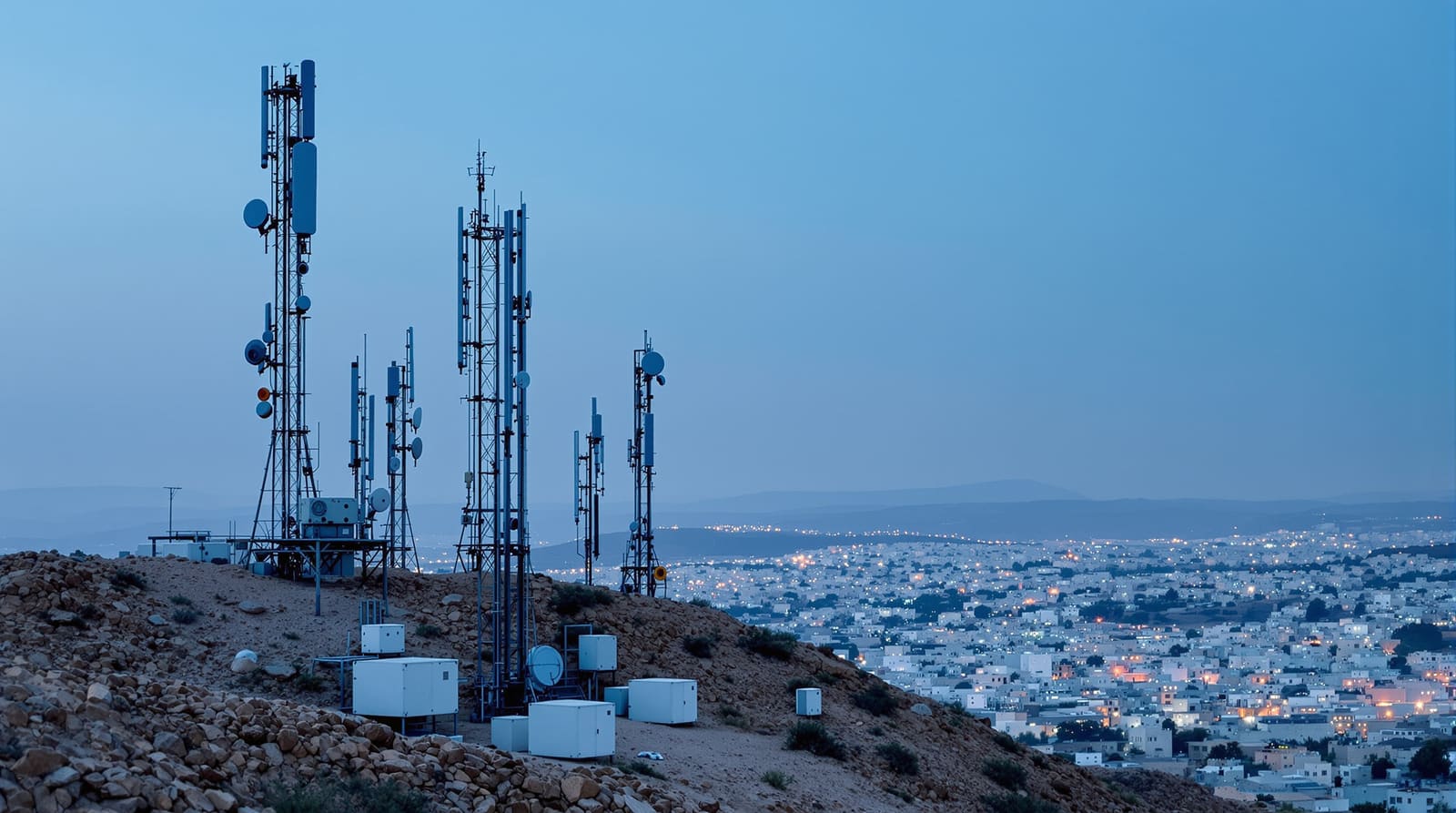
איור שנוצר בבינה מלאכותית, לא צילום של האירועים.
הכתבה המלאה עדיין לא נכתבה בעברית, ולכן היא מובאת כאן באנגלית.
Jordan has blocked the Telegram messaging app throughout the country, with authorities saying the platform poses a threat to national security. The Times of Israel reported the block, placing the words 'national security' in quotation marks as the reason given by Jordanian officials.
Hebrew-language news channels gave more detail on the stated grounds. News.co.il reported that the Jordanian authorities announced the move in the morning, arguing that Telegram serves as a vehicle for extremism, cybercrime and content that endangers the security of the state. Abu Ali Express, a Hebrew-language Telegram channel that follows Arab affairs, said the authorities declared the block in order to stop extremist agendas from circulating inside the country.
מהשטח

Jordan blocks Telegram app over national security concerns reut.rs/4t1Bhxe
Why Jordan says it acted
The reports agree on the core of the government's case: that Telegram is being used to circulate material Jordan considers dangerous. They differ in what they emphasise. The Hebrew channels focus on extremism, with News.co.il also naming cybercrime as part of the official reasoning. The Jerusalem Post linked the decision to a spate of terror attacks, though the portion of its report available to us does not identify those attacks, say where or when they happened, or state that Jordanian officials themselves drew that connection.
The Jerusalem Post also described Jordan as a partner of the United States in the fight against extremism, a framing that places the decision within the kingdom's broader security posture rather than treating it as a technology policy alone.
Jordan and its place in the region
Jordan is a kingdom that borders Israel to the east, and it is one of the Arab states that has a peace treaty with Israel. Its security services cooperate with Western governments on counterterrorism, which is the relationship the Jerusalem Post was referring to. For readers in Israel and in diaspora communities, developments in Jordan's internal security are followed closely because the two countries share a long border and security concerns that often overlap.
השבוע בישראל בחמש ידיעות, בכל יום שישי
מקורות ובדיקה של מערכת Israel.com, עם זמני השבת. חינם, ואפשר להפסיק בלחיצה אחת.
רשימה אחת, הסרה בלחיצה. הפרטים במדיניות הפרטיות שלנו.
What Telegram is and why governments target it
Telegram is a messaging app that supports private chats, large group chats and public broadcast channels that anyone can follow. Its channel format makes it a popular way to distribute news quickly, and it is widely used across the Middle East, including by Israeli news outlets. Two of the reports used for this article, from Abu Ali Express and News.co.il, were themselves published as posts on Telegram channels.
The same features that make Telegram useful for news also make it attractive to groups that want to reach large audiences with little moderation. Governments in several countries have restricted or threatened to restrict the app on those grounds, and Jordan's stated reasons, extremism and threats to national security, follow that familiar pattern.

איור
הכתבה הבאה ביטחון
How the block was reported
All four organisations whose reports we reviewed describe the same basic event: a decision by Jordanian authorities to block Telegram across the country, justified on security grounds. None of the reports quotes a named Jordanian official or cites a specific government agency by name, and none reproduces the text of an official announcement. The account here therefore rests on what those outlets reported the Jordanian authorities to have said.
What the reports do not say
The reports do not name the Jordanian body that ordered the block or quote its statement directly. They do not say whether the measure is temporary or open-ended, or whether users can still reach the app through other means. The terror attacks the Jerusalem Post referred to are not described in the material we have. No response from Telegram itself has been reported, and none of the reports indicates whether other platforms are under review.
להמשך קריאה
למדור טכנולוגיה →
איור
משפט ופלילים
בית משפט בירדן גזר דין מוות על שלושה בגין הפיגוע בכנסייה בכרכ

איור
לזכרם
בית דין בירדן גזר מוות על שלושה בגין הירי בהלוויה בכנסייה בכרכ
איור
ביטחון
פלסטיני מהבקעה נעצר לאחר שבביתו נמצאה מפה מסווגת של עוטף עזה

צילום ארכיון
ביטחון
הרמטכ"ל זמיר סייר בגבול ירדן וקרא לכוחות להיערך להפתעה בכל החזיתות
מקורות וקריאה נוספת
פתחנו ובדקנו כל קישור כאן בזמן כתיבת העמוד. הודעות רשמיות מסומנות ככאלה: זו הגרסה של הגורם עצמו, לא גרסה עצמאית.
- כתבותjpostjpost.comThe Jerusalem Post
- כתבותabualiexpresst.meAbu Ali Express
- כתבותnewssilt.meNews.co.il
- כתבותtoitimesofisrael.comThe Times of Israel
איך בדקנו את זה
The block was reported by four organisations: The Times of Israel, The Jerusalem Post, Abu Ali Express and News.co.il. The link to recent terror attacks appears only in the Jerusalem Post report, and the mention of cybercrime only in News.co.il's.
מדיניות המקורות והתיקונים שלנו →השבוע בישראל, במייל אחד
הכתבות החשובות, עם מקורות ואחרי בדיקה של מערכת Israel.com. חינם, פעם בשבוע, ואפשר להפסיק בלחיצה אחת.
רשימה אחת, הסרה בלחיצה. הפרטים במדיניות הפרטיות שלנו.

Israel.com נשאר חינמי בזכות קוראים כמוך.
מערכת החדשות של Israel.com בודקת כל ידיעה מול המקורות שלה ומפרסמת אותה בחינם. אם הידיעה עזרה לך, תמיכה בכל סכום שומרת גם את הבאה חינמית.
תשלום אחד, בלי הרשמה. סכום אחרתמיכה חודשית
הכתבות האחרונות

איור

איור

צילום ארכיון

צילום ארכיון

איור

איור