Leaked Russian data puts soldier deaths near 500,000, suicides above 1,000
A hacked Russian mortality database lists almost 500,000 soldiers killed through September, and an analysis of the leak puts the real figure above 700,000.

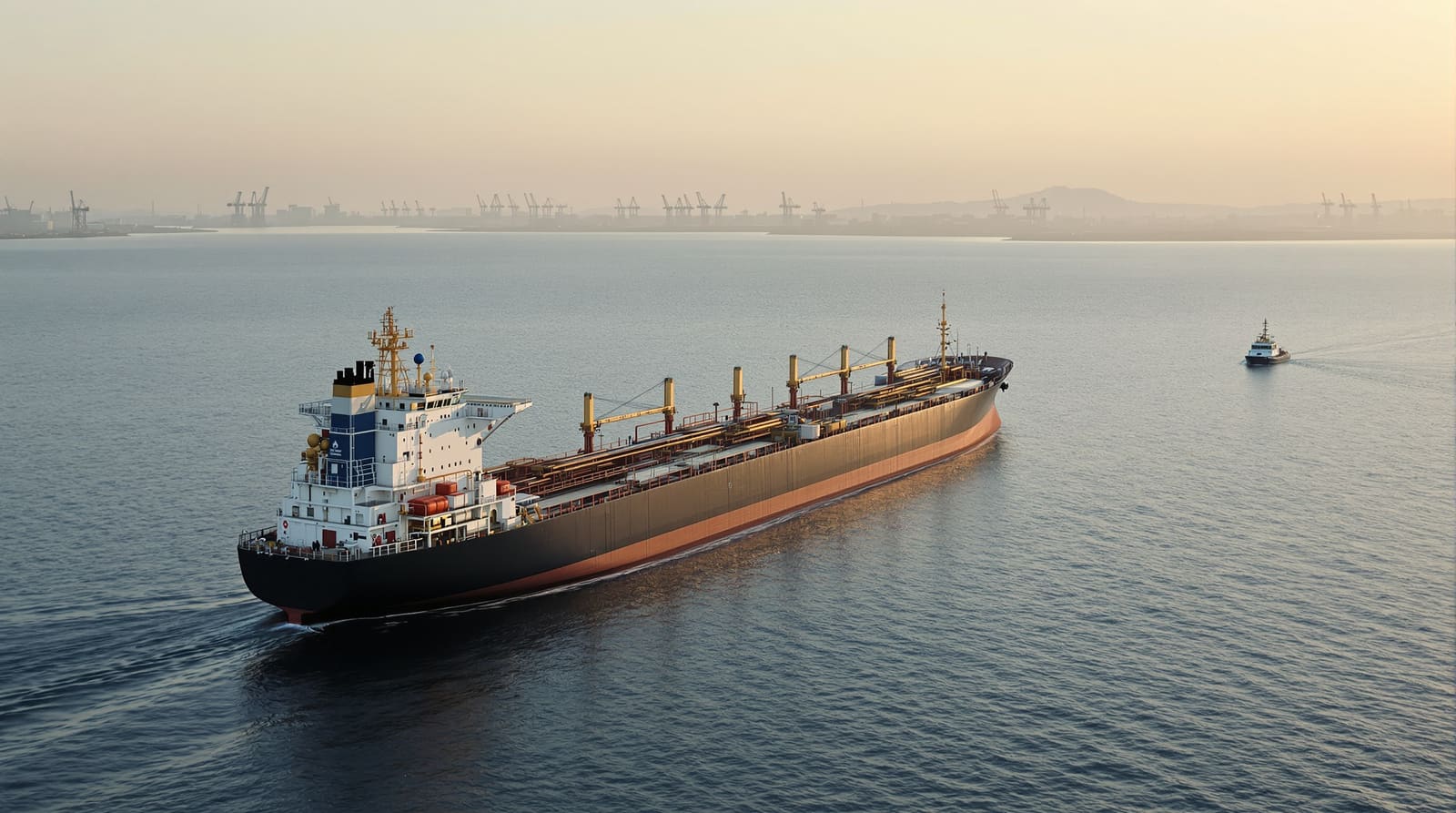
איור שנוצר בבינה מלאכותית, לא צילום של האירועים.
הכתבה המלאה עדיין לא נכתבה בעברית, ולכן היא מובאת כאן באנגלית.
A Russian database of death records that was obtained through a hack shows that close to 500,000 Russian soldiers had been killed in the war in Ukraine by September, the Israeli news site Ynet reported. Ynet said the database has many gaps, and that an analysis built on the leaked material estimates the true number of Russian military dead at more than 700,000.
The leak also points to a toll beyond combat. More than 1,000 Russian soldiers have died by suicide since the invasion of Ukraine began, according to the leaked data, The Jerusalem Post reported. Ynet attributed the suicide figure to the British newspaper the Guardian, and carried a line from that coverage saying soldiers are abused and forced to fight.
What the leaked records contain
According to Ynet, the source is a Russian mortality database that was breached, not a figure released by Moscow. The count of nearly 500,000 refers to deaths recorded up to September. Ynet described the records as incomplete, which is why the analysis it cites arrives at a much higher estimate of more than 700,000 dead. The reports seen by Israel.com do not name the group or individuals behind the hack, nor the authors of the analysis that produced the higher estimate.
The two numbers are best read as different things. The first is what the leaked records themselves list. The second is an estimate that tries to account for what the records leave out. Neither has been confirmed by the Russian government in the material available to us.
The suicide figure
The claim that more than 1,000 soldiers took their own lives appears in both reports. The Jerusalem Post framed it as drawn from leaked data and attributed the finding to a report, while Ynet identified the Guardian as the outlet that first published it. Ynet quoted the Guardian's account that soldiers face abuse and are compelled to keep fighting. Neither Israeli report sets out who made that allegation, or what evidence underpins it beyond the leaked records.
השבוע בישראל בחמש ידיעות, בכל יום שישי
מקורות ובדיקה של מערכת Israel.com, עם זמני השבת. חינם, ואפשר להפסיק בלחיצה אחת.
רשימה אחת, הסרה בלחיצה. הפרטים במדיניות הפרטיות שלנו.
The war in context
Ynet noted that the leak comes almost 5 years after Russia invaded Ukraine, a war it described as the largest in Europe since the Second World War. Ynet's headline framed the leaked figures as a measure of a heavy human cost that the Kremlin keeps hidden, and it quoted a phrase saying a turning point is approaching. The report excerpt available to us does not make clear who said those words or what kind of turning point is meant, so we do not attribute that view to any party here.
The Jerusalem Post illustrated its report with a Reuters photograph of Russian conscripts lining up at a send-off ceremony before leaving for their garrisons, taken in Bataysk in the Rostov region of southern Russia on April 10, 2026. That image shows new recruits entering service, and is not itself evidence of any of the casualty figures.
Why the figures matter to readers abroad
Casualty totals in this war have long been contested, and a leak of internal Russian records offers a rare look at numbers kept from the public. For readers following the conflict from Israel and elsewhere, the significance lies in the gap between the counted dead and the estimated dead, and in the claim that a share of the losses are suicides rather than battlefield deaths. Both Israeli outlets treated the story as international news, relying on the leaked material and on the Guardian rather than on their own reporting from Russia.
What the reports do not say
- Who hacked the database, and how its authenticity was checked.
- Who carried out the analysis that puts the death toll above 700,000, and how that estimate was calculated.
- Whether the Russian government or military has responded to the leak; no reaction is reported.
- Who is the source of the statement that a turning point is approaching.
- What evidence supports the allegation that soldiers are abused and forced to fight.
להמשך קריאה
למדור ביטחון →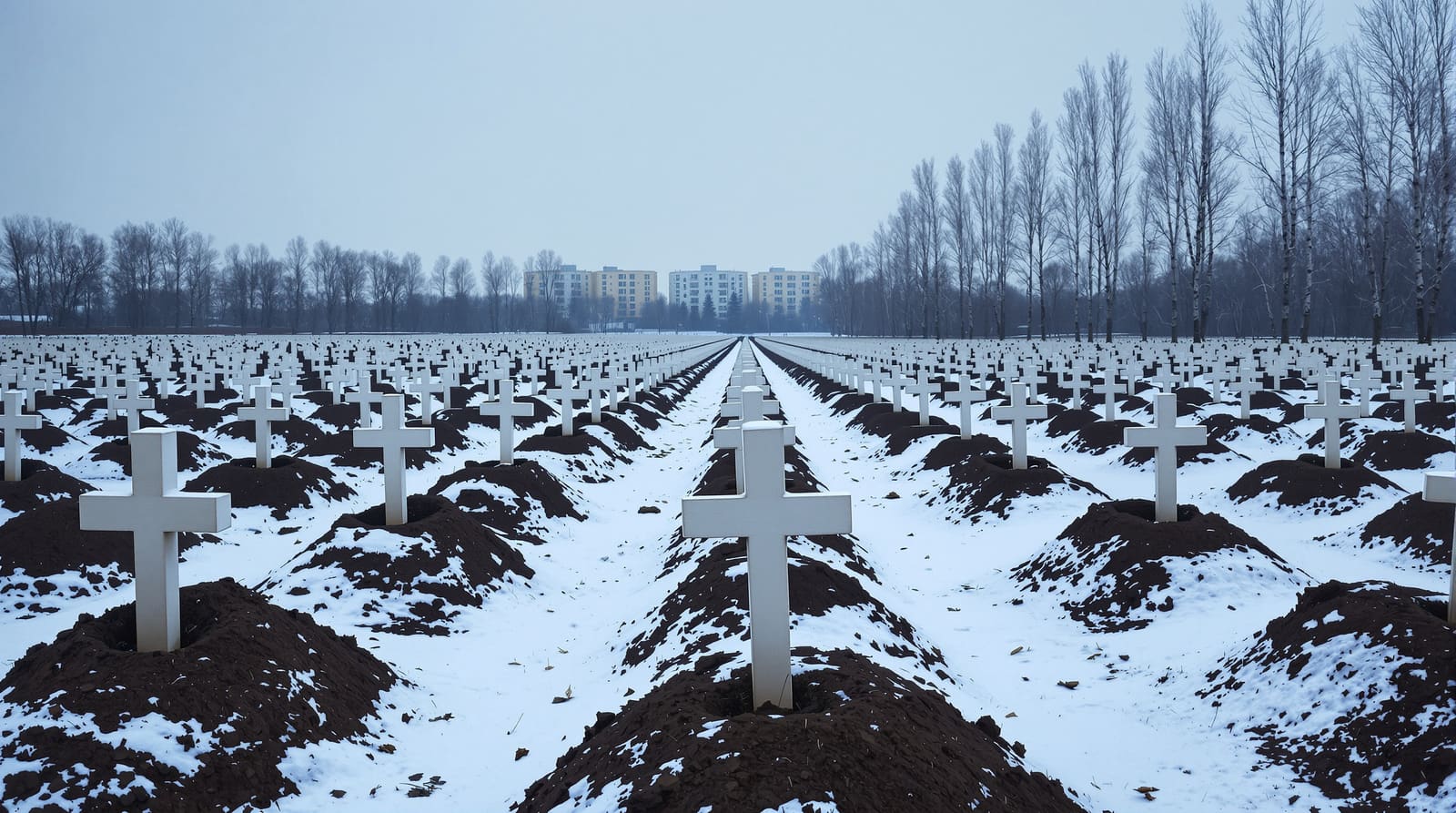
איור
ביטחון
כלי תקשורת של האופוזיציה הרוסית מעריכים שכ-700,000 חיילים רוסים נהרגו באוקראינה
איור
מסחר
הקורבטה הרוסית Merkury נפגעה מסירות נפץ בלתי מאוישות בנמל בנגאזי בלוב
איור
ביטחון
ספינת המלחמה הרוסית Mercury נפגעה בפיצוץ בבנגאזי, ולפי הדיווח יש 10 פצועים
איור
ביטחון
רחפנים ימיים פגעו בספינת מלחמה רוסית בבנגזי, 10 פצועים
אפשר לראות את Israel.com ראשון בכתבות המובילות של Google.הוספה כמקור מועדף ב־Google
מקורות וקריאה נוספת
פתחנו ובדקנו כל קישור כאן בזמן כתיבת העמוד. הודעות רשמיות מסומנות ככאלה: זו הגרסה של הגורם עצמו, לא גרסה עצמאית.
- כתבותyediothynet.co.ilYnet
- כתבותjpostjpost.comThe Jerusalem Post
איך בדקנו את זה
The figures were reported by Ynet and The Jerusalem Post, both relying on leaked data and, per Ynet, on the Guardian; Israel.com has not independently verified the database. The higher 700,000 estimate and the abuse allegation appear only in Ynet's report.
מדיניות המקורות והתיקונים שלנו →השבוע בישראל, במייל אחד
הכתבות החשובות, עם מקורות ואחרי בדיקה של מערכת Israel.com. חינם, פעם בשבוע, ואפשר להפסיק בלחיצה אחת.
רשימה אחת, הסרה בלחיצה. הפרטים במדיניות הפרטיות שלנו.
הכתבות האחרונות
צילום ארכיון
איור
משפט ופלילים
גבר מחיפה הואשם ברצח גרושתו לעיני בנם בן ה-6
איור
איור
איור

איור