Leaked Russian data puts soldier deaths near 500,000, suicides above 1,000
A hacked Russian mortality database lists almost 500,000 soldiers killed through September, and an analysis of the leak puts the real figure above 700,000.

AI illustration, not a photo of the events.
A Russian database of death records that was obtained through a hack shows that close to 500,000 Russian soldiers had been killed in the war in Ukraine by September, the Israeli news site Ynet reported. Ynet said the database has many gaps, and that an analysis built on the leaked material estimates the true number of Russian military dead at more than 700,000.
The leak also points to a toll beyond combat. More than 1,000 Russian soldiers have died by suicide since the invasion of Ukraine began, according to the leaked data, The Jerusalem Post reported. Ynet attributed the suicide figure to the British newspaper the Guardian, and carried a line from that coverage saying soldiers are abused and forced to fight.
What the leaked records contain
According to Ynet, the source is a Russian mortality database that was breached, not a figure released by Moscow. The count of nearly 500,000 refers to deaths recorded up to September. Ynet described the records as incomplete, which is why the analysis it cites arrives at a much higher estimate of more than 700,000 dead. The reports seen by Israel.com do not name the group or individuals behind the hack, nor the authors of the analysis that produced the higher estimate.
The two numbers are best read as different things. The first is what the leaked records themselves list. The second is an estimate that tries to account for what the records leave out. Neither has been confirmed by the Russian government in the material available to us.
The suicide figure
The claim that more than 1,000 soldiers took their own lives appears in both reports. The Jerusalem Post framed it as drawn from leaked data and attributed the finding to a report, while Ynet identified the Guardian as the outlet that first published it. Ynet quoted the Guardian's account that soldiers face abuse and are compelled to keep fighting. Neither Israeli report sets out who made that allegation, or what evidence underpins it beyond the leaked records.
Israel's week in five stories, every Friday
Sourced and checked by the Israel.com newsroom, with Shabbat times. Free, one-click unsubscribe.
One list, unsubscribe in a click. See our privacy policy.
The war in context
Ynet noted that the leak comes almost 5 years after Russia invaded Ukraine, a war it described as the largest in Europe since the Second World War. Ynet's headline framed the leaked figures as a measure of a heavy human cost that the Kremlin keeps hidden, and it quoted a phrase saying a turning point is approaching. The report excerpt available to us does not make clear who said those words or what kind of turning point is meant, so we do not attribute that view to any party here.
The Jerusalem Post illustrated its report with a Reuters photograph of Russian conscripts lining up at a send-off ceremony before leaving for their garrisons, taken in Bataysk in the Rostov region of southern Russia on April 10, 2026. That image shows new recruits entering service, and is not itself evidence of any of the casualty figures.
Why the figures matter to readers abroad
Casualty totals in this war have long been contested, and a leak of internal Russian records offers a rare look at numbers kept from the public. For readers following the conflict from Israel and elsewhere, the significance lies in the gap between the counted dead and the estimated dead, and in the claim that a share of the losses are suicides rather than battlefield deaths. Both Israeli outlets treated the story as international news, relying on the leaked material and on the Guardian rather than on their own reporting from Russia.
What the reports do not say
- Who hacked the database, and how its authenticity was checked.
- Who carried out the analysis that puts the death toll above 700,000, and how that estimate was calculated.
- Whether the Russian government or military has responded to the leak; no reaction is reported.
- Who is the source of the statement that a turning point is approaching.
- What evidence supports the allegation that soldiers are abused and forced to fight.
Read next
All security →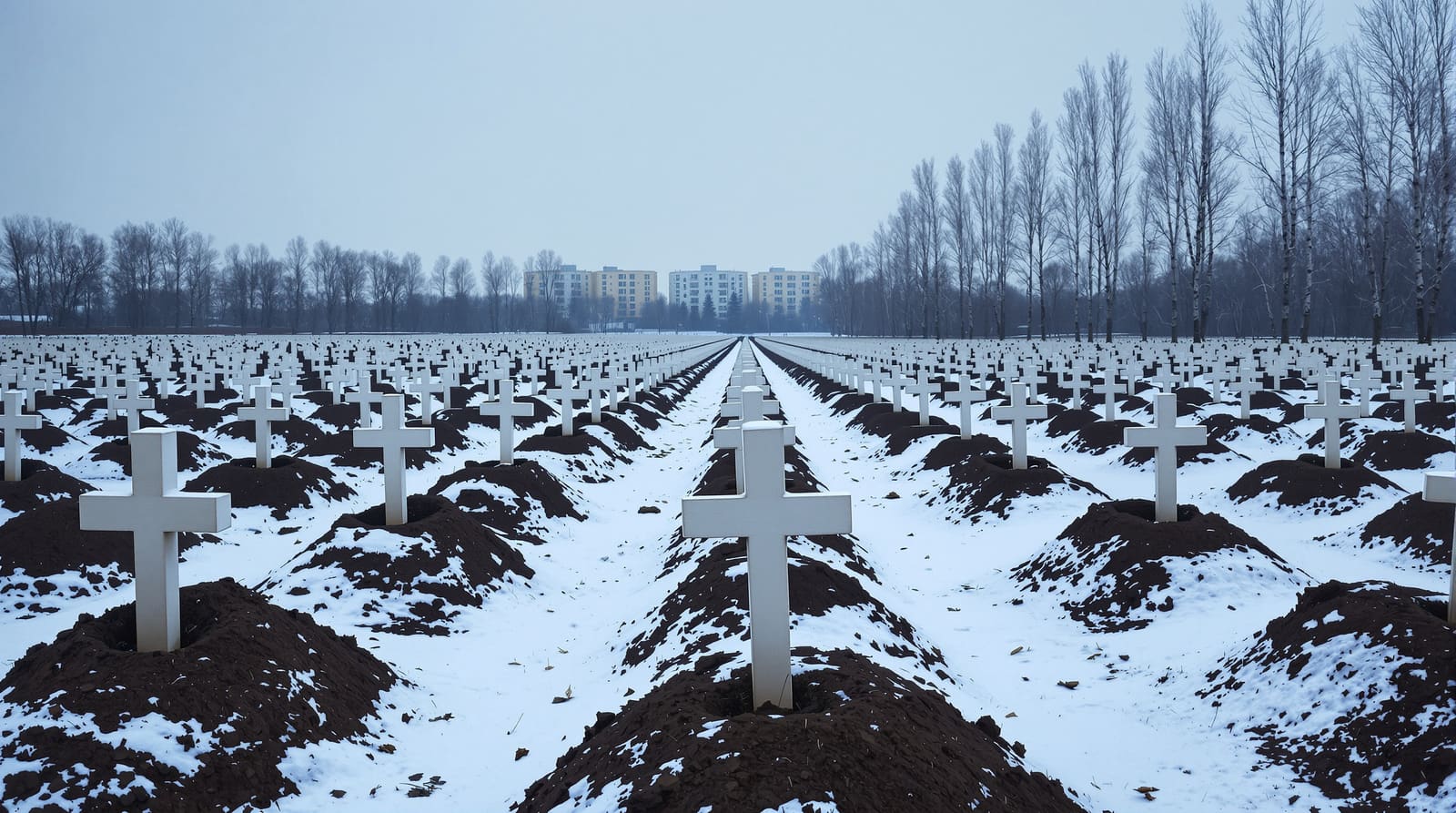
Illustration
Security
Russian opposition media put Russian war dead in Ukraine at about 700,000
Illustration
Trade
Russian corvette Merkury hit by unmanned boats in Libya's Benghazi port
Illustration
Security
Russian warship Mercury damaged in Benghazi blast, 10 reported injured
Illustration
Security
Naval drones hit Russian warship in Benghazi, 10 wounded, reports say
See Israel.com first in Google's top stories.Add it as a preferred source on Google
Sources and further reading
Every link below was opened and checked when this page was written. Official statements are marked as such: they are the subject's own account, not an independent one.
- Reportingyediothynet.co.ilYnet
- Reportingjpostjpost.comThe Jerusalem Post
How we checked this
The figures were reported by Ynet and The Jerusalem Post, both relying on leaked data and, per Ynet, on the Guardian; Israel.com has not independently verified the database. The higher 700,000 estimate and the abuse allegation appear only in Ynet's report.
Our sourcing and corrections policy →The week from Israel, in one email
The stories that mattered, sourced and checked by the Israel.com newsroom. Free, weekly, one-click unsubscribe.
One list, unsubscribe in a click. See our privacy policy.
Latest

Illustration
Illustration

Illustration

Illustration
File photo

Illustration