Man in his thirties dies in violent incident on Ashkelon street
Magen David Adom said its crews were called to Yafe Nof Street in the southern coastal city overnight and pronounced the man dead at the scene.
איור
הכתבה המלאה עדיין לא נכתבה בעברית, ולכן היא מובאת כאן באנגלית.
A man believed to be around 30 years old was pronounced dead early in the morning after what emergency responders described as a violent incident in the southern Israeli city of Ashkelon. Magen David Adom, Israel's national emergency medical service, said in a statement from its spokesperson's office that a report reached its 101 emergency dispatch centre for the Lachish region at 01:32 about a man who had apparently been injured in a violent incident on Yafe Nof Street.
Medics and paramedics who reached the address reported finding the man with no signs of life and determined his death at the scene, according to the same statement. The Israeli broadcaster N12 reported that a Magen David Adom team carried out resuscitation efforts before being forced to pronounce him dead where he was found.
What the paramedic at the scene described
N12 published an account from a Magen David Adom paramedic who arrived at the location. "He was unconscious, with no pulse and no breathing," she said, describing being led to the man as he lay on the pavement, apparently having been involved in a violent incident. She said that after resuscitation efforts at the scene, the team had no option but to determine his death.
That is the only first-hand description of the scene in any of the published material. Neither organisation named the man, gave his exact age, or said how he was injured.
Where this happened
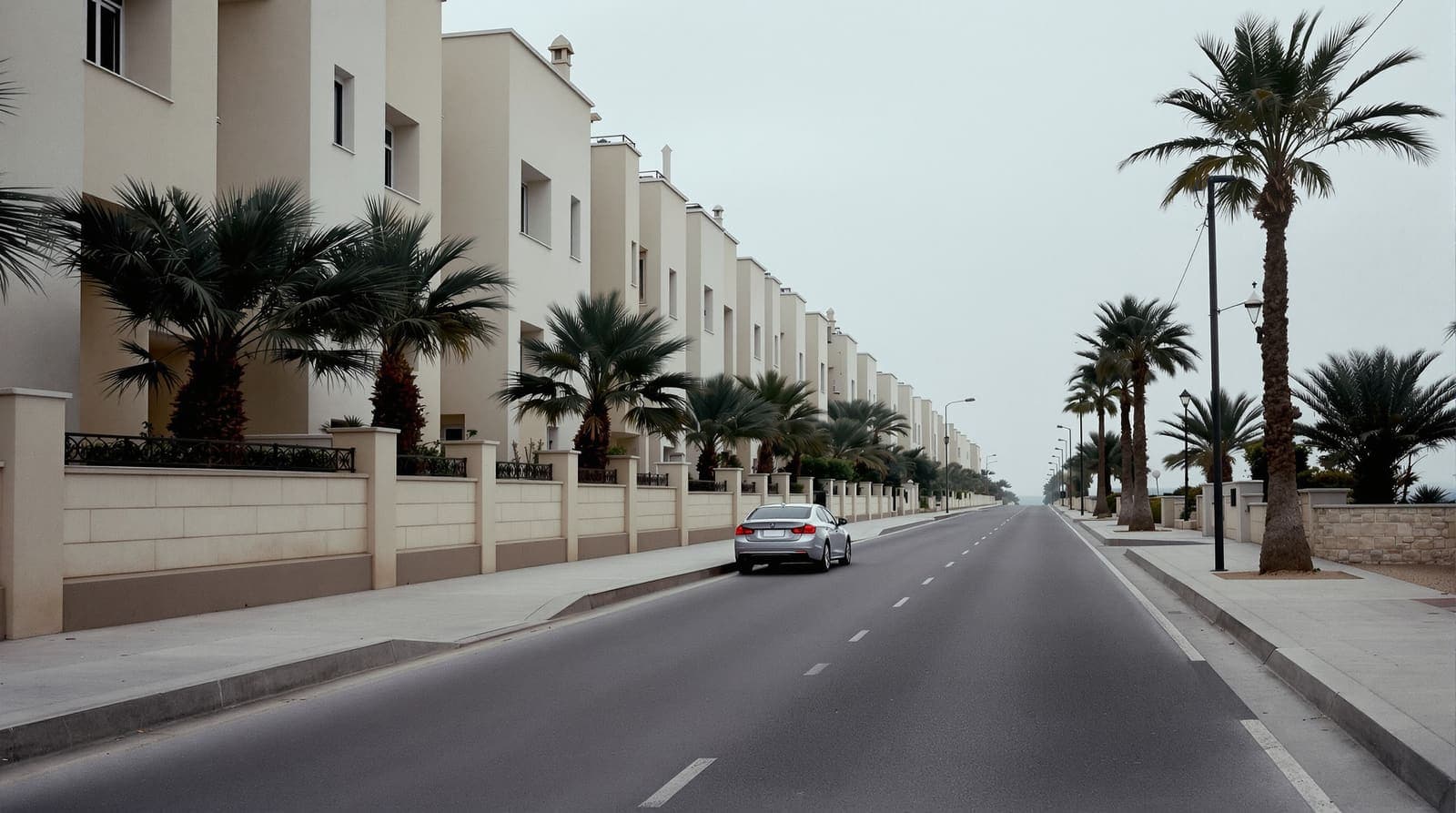
Ashkelon is a city on Israel's southern Mediterranean coast, one of the larger urban centres between Tel Aviv and the Gaza border area. Yafe Nof Street is a residential address within the city; the reports do not place it in a named neighbourhood or describe the surroundings.
Magen David Adom divides the country into operational regions for dispatch purposes, and Ashkelon falls within what the service calls the Lachish region, named after an area of the southern lowlands. The reference in the statement is to that dispatch district rather than to a separate location.
How Israeli emergency reporting works
In Israel, 101 is the telephone number for medical emergencies, answered by Magen David Anom's dispatch centres. The service, whose name means Red Shield of David, is the country's recognised national ambulance and blood services organisation and functions as the equivalent of a national Red Cross society. Its spokesperson's office routinely issues short factual bulletins within minutes of a call, listing the time the report came in, the location, the approximate age of the casualty and the medical outcome.
Those bulletins are the first public record of most Israeli emergencies, and Israeli broadcasters including N12, the news division associated with Channel 12, typically carry them almost immediately. The bulletins deliberately stop short of describing causes. Whether a death was a criminal act, and who was involved, is a matter for the Israel Police, which investigates separately and issues its own statements on its own timetable.
Both organisations here used the Hebrew phrase for a violence incident, and both hedged it with a qualifier meaning "apparently" or "in all likelihood". That wording signals that responders were describing what the scene suggested to them, not a determination of how the man was injured.
A small difference between the two accounts
The two organisations do not describe the medical sequence identically. The Magen David Adom bulletin says crews found the man with no signs of life and determined his death. N12's report, and the paramedic's own account it published, both refer to resuscitation efforts carried out before death was pronounced. The reports do not reconcile the two descriptions, and neither has been corrected in the material available.
What the reports do not say
There is no information in any of the published reports on the man's identity, on his exact age beyond the approximation, or on his connection to the street where he was found. Neither organisation describes his injuries or says what caused them.
No police statement appears in the material. There is no mention of an investigation, of any person being questioned or detained, of a weapon, or of other people being present or injured. Nothing in the reports indicates a motive, and nothing places the incident within any wider pattern. Those details would normally come from the police rather than from an ambulance service, and they had not been published at the time of these reports.
מקורות וקריאה נוספת
פתחנו ובדקנו כל קישור כאן בזמן כתיבת העמוד. הודעות רשמיות מסומנות ככאלה: זו הגרסה של הגורם עצמו, לא גרסה עצמאית.
- רשמיmdat.meMagen David Adom
- כתבותkeshett.meN12
- כתבותkeshett.meN12
איך בדקנו את זה
The time, location and outcome come from a statement by Magen David Adom's spokesperson's office, which N12 also reported along with an account from a paramedic at the scene. No police statement on the cause or any investigation appears in the material, and Israel.com has not independently verified the circumstances.
מדיניות המקורות והתיקונים שלנו →השבוע מישראל, במייל אחד
הכתבות שהיו חשובות, עם מקורות ובדיקה של מערכת Israel.com. חינם, פעם בשבוע, הסרה בלחיצה אחת.
רשימה אחת, הסרה בלחיצה. קראו את מדיניות הפרטיות שלנו.
עוד במדור ביטחון
למדור ביטחון →
הכתבות האחרונות
- טראמפ נשא דברים בלי קול אחרי שהרשתות באמריקה השביתו את סיקור הפול
- תקלה בכבל סיבים אופטיים שיבשה טיסות בחוף המזרחי של ארה"ב
- רשתות הטלוויזיה בארה"ב השביתו את מאגר הכתבים בבית הלבן, טראמפ נשא דברים בלי קול
- צה"ל תקף מטרות חמאס בעזה אחרי שכלי הנדסי נפגע ממטען
- ארה"ב נערכת להטיל סנקציות שיחסמו את בית הדין בהאג מעסקאות בדולרים
- כלי הנדסי של צה"ל נפגע ממטען סמוך לקו הצהוב ברצועה