Iran's Ghalibaf says Strait of Hormuz will not go back to its pre-war state
Iran's parliament speaker told Al Jazeera the waterway's future falls under a seven-point Iranian plan, and that Tehran wants peace if its demands are accepted.
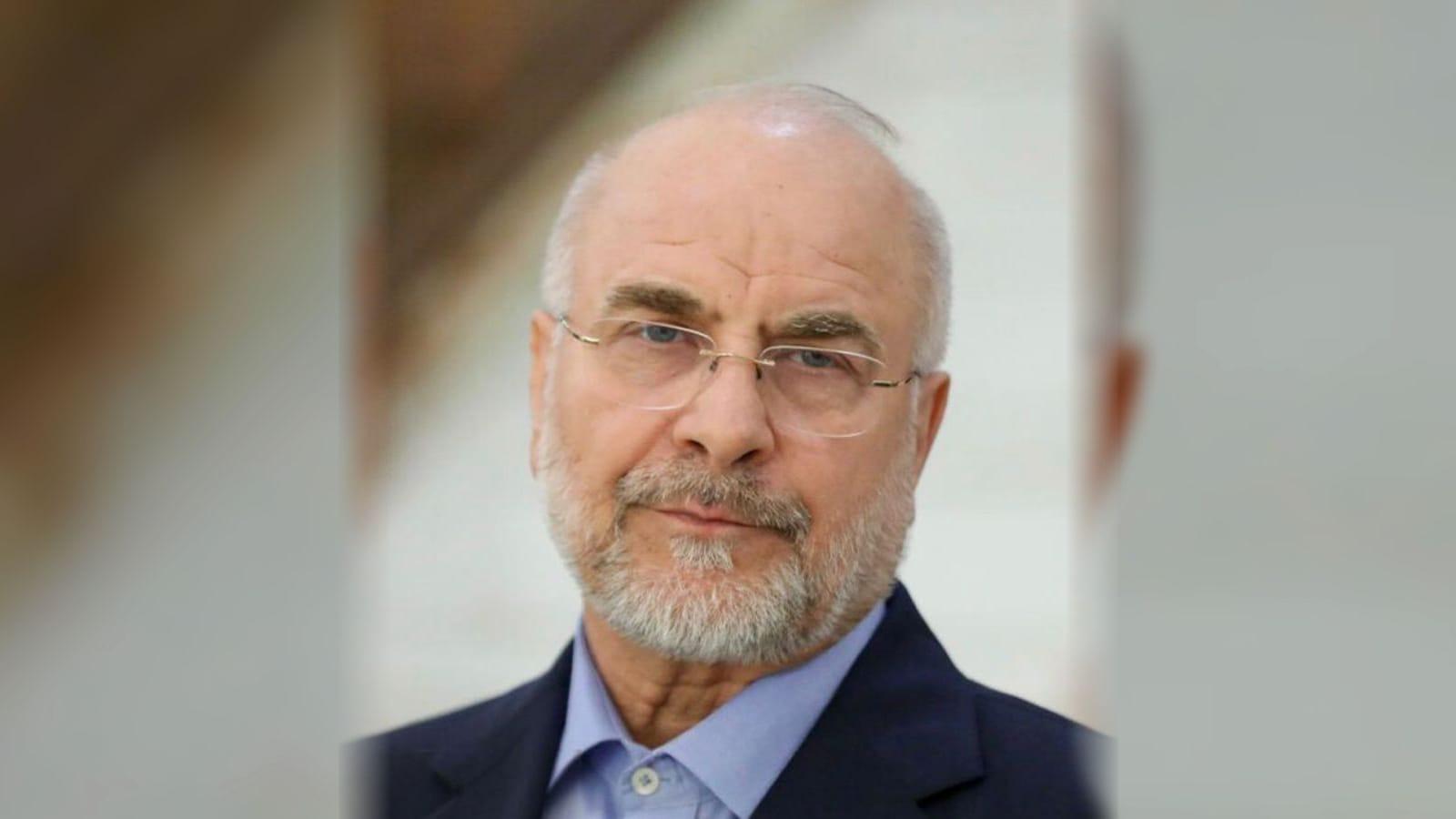
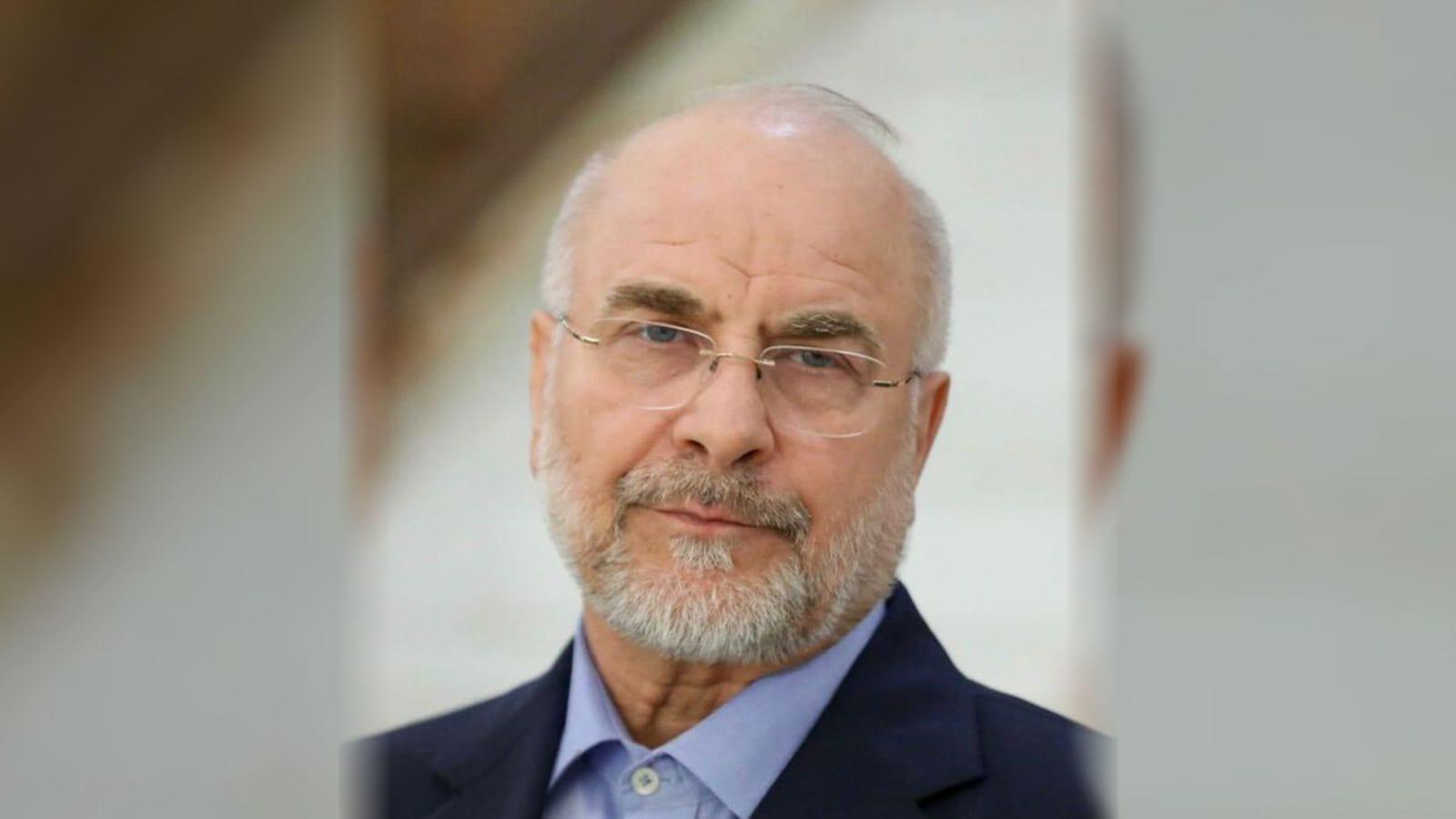
Mohammad-Bagher Ghalibaf. צילום ארכיון: Mohsen Ranginkaman, CC BY 4.0, מתוך ויקישיתוף.
הכתבה המלאה עדיין לא נכתבה בעברית, ולכן היא מובאת כאן באנגלית.
Mohammad Bagher Ghalibaf, the speaker of Iran's parliament, said in an interview with the Qatari-based broadcaster Al Jazeera that the Strait of Hormuz will not revert to the situation that existed before the war. The Times of Israel reported that he tied the waterway's future to a seven-point framework put forward by Tehran.
Ghalibaf also said Iran does not want the fighting to go on and that peace is its first priority, on condition that its demands are met. The Israeli news outlet N12 quoted him as saying that Iran is "not interested in the continuation of the war" and that peace sits at the top of its priorities, "but its demands must be met."
מהשטח

BREAKING: Iran’s Parliament Speaker Mohammad Bagher Ghalibaf and lead negotiator tells Al Jazeera, in an exclusive interview, that ball in US’s court on talks to end war. 🔴 LIVE updates: aje.news/krddz9
Who Ghalibaf is
Ghalibaf heads Iran's parliament, known in Iran as the Majlis, which makes him one of the most senior political figures in the Islamic Republic. His remarks are those of a leading official speaking to a foreign Arabic-language outlet, and they describe Iran's stated position rather than any agreement or arrangement already in place.
The interview comes in a period of upheaval at the top of the Iranian state. A photograph accompanying the Times of Israel item showed Ghalibaf at a press conference in the Iraqi shrine city of Karbala on August 20, 2026, during a gathering held 40 days after Iran's late supreme leader, Ayatollah Ali Khamenei, was laid to rest. The supreme leader is the highest authority in Iran's political system.
Why the Strait of Hormuz matters
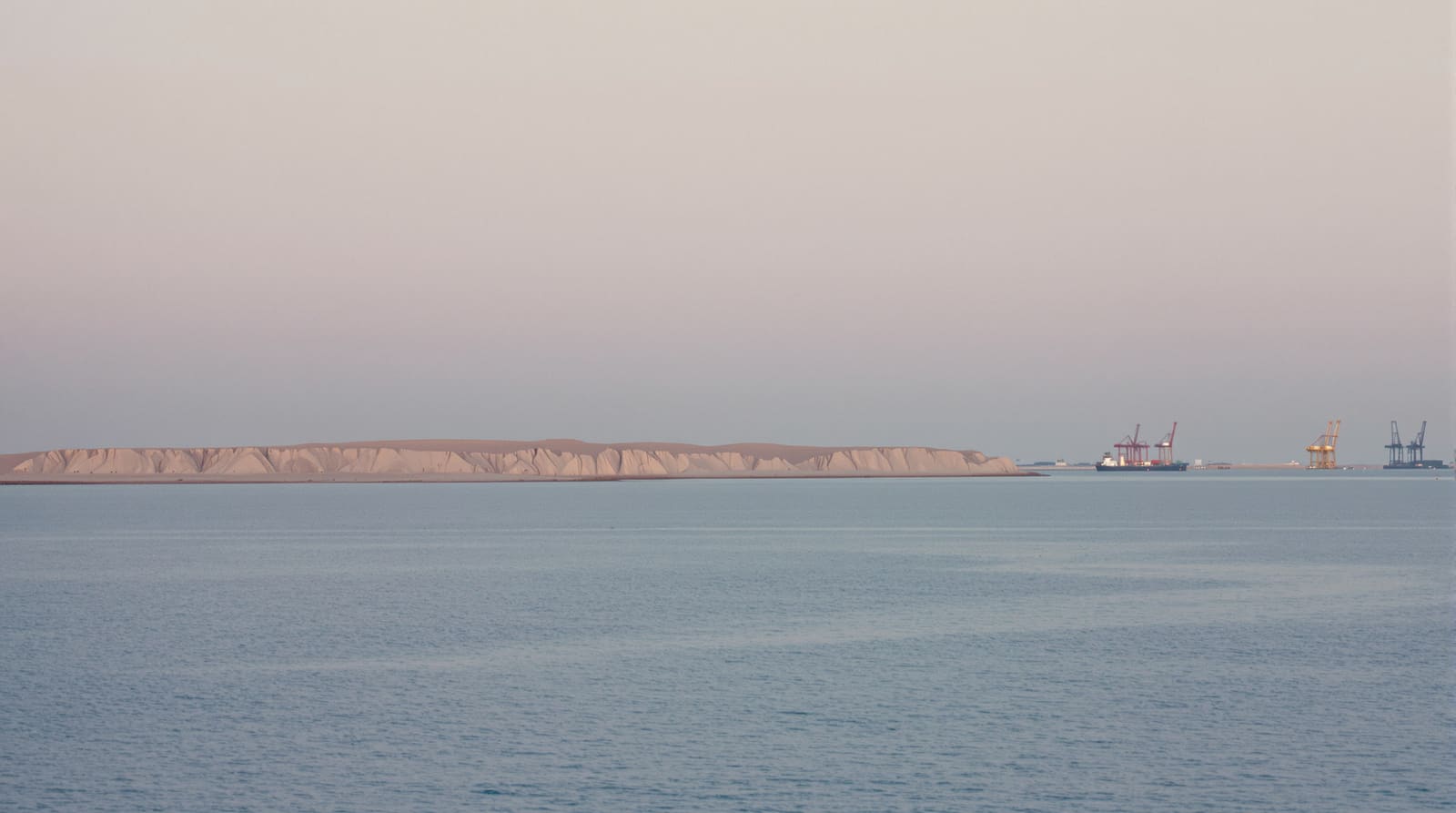
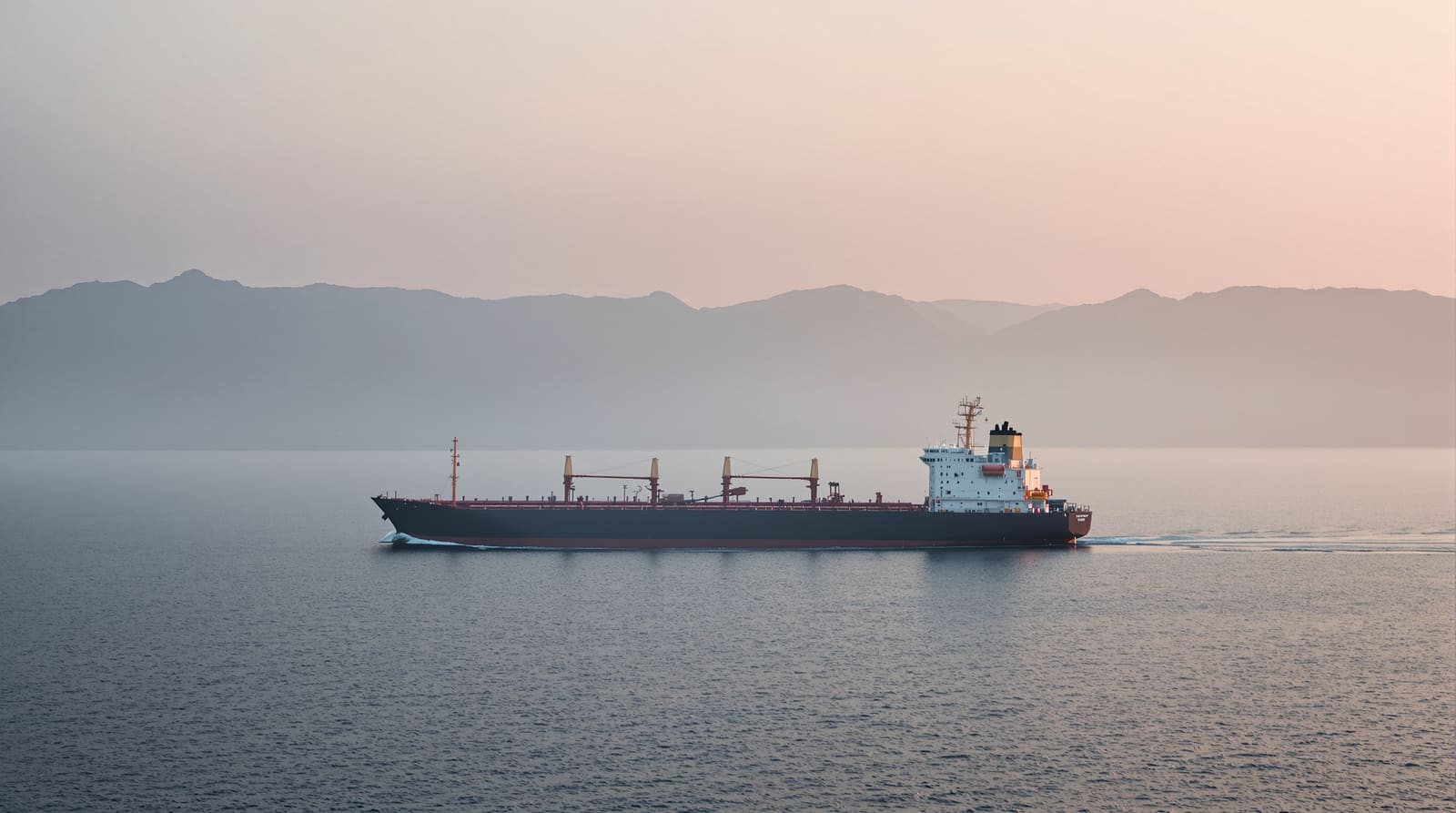
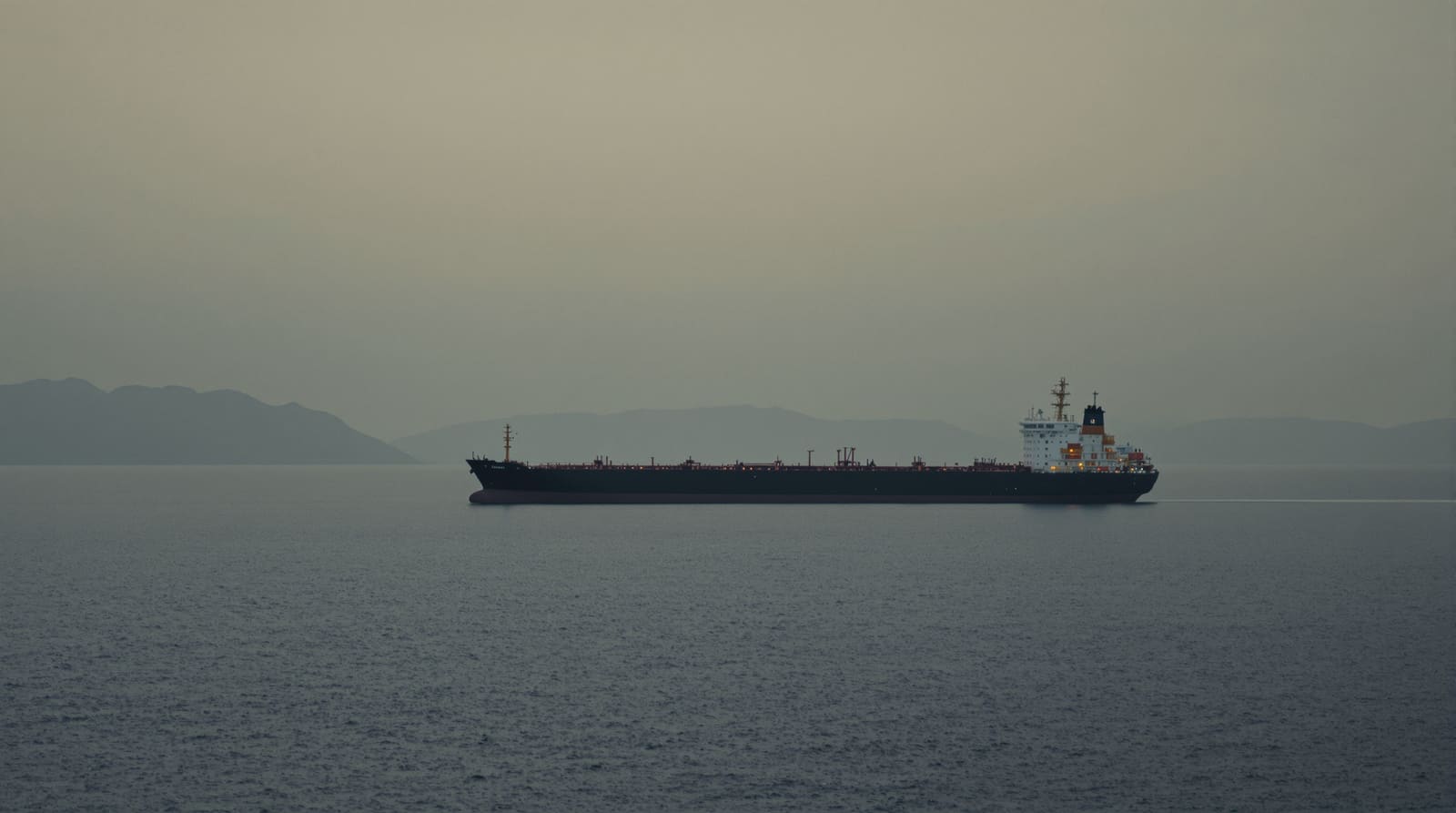
The Strait of Hormuz is the narrow sea passage between Iran and Oman that connects the Persian Gulf to the open ocean. A large share of the oil and gas exported from Gulf states passes through it, which is why any change to how it operates draws attention far beyond the region. Iran borders the strait along its northern side.
השבוע בישראל בחמש ידיעות, בכל יום שישי
מקורות ובדיקה של מערכת Israel.com, עם זמני השבת. חינם, ואפשר להפסיק בלחיצה אחת.
רשימה אחת, הסרה בלחיצה. הפרטים במדיניות הפרטיות שלנו.
By declaring that the strait will not go back to how things stood before the war, Ghalibaf signalled that Iran regards the waterway as part of what is to be settled at the end of the conflict. Neither report describes what the current arrangements in the strait are, or what specific change Iran is seeking.
The seven points
Both organisations linked the strait to a set of seven Iranian positions, though they described them slightly differently. The Times of Israel called it a seven-point framework proposed by Tehran, within which the strait's future would be determined. N12's foreign desk described the strait as one element of Iran's seven conditions. The difference is one of framing: a framework suggests a proposed structure for negotiation, while conditions suggests demands to be met. The reports do not set out the content of the seven points.
צילום ארכיון
הכתבה הבאה ביטחון
Peace on Iran's terms
Ghalibaf's message combined two elements: a stated preference for ending the war, and an insistence that Iran's demands be accepted first. The Times of Israel presented this as Ghalibaf claiming that peace comes first for Iran, as long as Tehran's terms win acceptance. N12's Hebrew wording carried the same conditional structure. Neither outlet reported any concession or flexibility on those terms in the interview.
How this was reported
The Times of Israel carried the remarks as a short item on its live blog. N12 published them in two brief messages from its foreign desk on its Telegram news channel, a few minutes before the Times of Israel item appeared. Both attributed the remarks to the Al Jazeera interview. Neither published a full transcript or video.
What the reports do not say
- The contents of Iran's seven-point framework, or seven conditions, are not described in either report.
- Neither report specifies what Iran means by the strait's pre-war status or what change it wants in its place.
- No response from Israel, the United States, Gulf states or other parties to Ghalibaf's remarks has been reported.
- The full Al Jazeera interview, and any further remarks Ghalibaf made in it, are not quoted beyond these lines.
להמשך קריאה
למדור ביטחון →
מקורות וקריאה נוספת
פתחנו ובדקנו כל קישור כאן בזמן כתיבת העמוד. הודעות רשמיות מסומנות ככאלה: זו הגרסה של הגורם עצמו, לא גרסה עצמאית.
- כתבותtoitimesofisrael.comThe Times of Israel
- כתבותkeshett.meN12
- כתבותkeshett.meN12
איך בדקנו את זה
The remarks were reported by The Times of Israel and by N12, both citing Ghalibaf's interview with Al Jazeera; we have not seen the original interview. The two outlets describe Iran's seven points slightly differently, and neither lists their contents.
מדיניות המקורות והתיקונים שלנו →השבוע בישראל, במייל אחד
הכתבות החשובות, עם מקורות ואחרי בדיקה של מערכת Israel.com. חינם, פעם בשבוע, ואפשר להפסיק בלחיצה אחת.
רשימה אחת, הסרה בלחיצה. הפרטים במדיניות הפרטיות שלנו.
הכתבות האחרונות

צילום ארכיון
איור
צילום ארכיון

איור
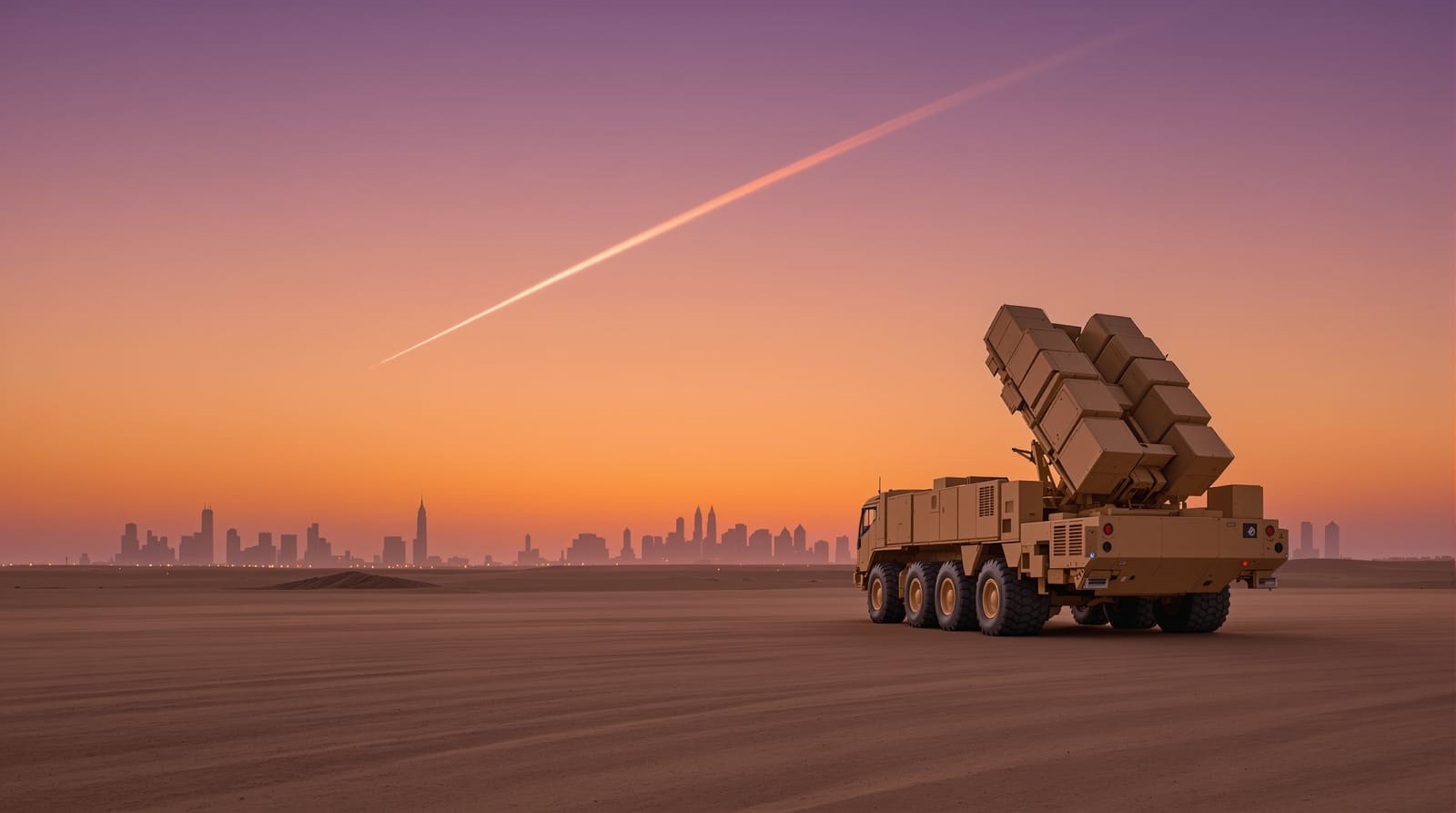
איור

צילום ארכיון