New Knesset speaker Kahana holds first working meeting with Justice Amit
The Knesset's new speaker met Supreme Court President Amit for a first working session, a meeting one commentator described as a warm welcome after Ohana's replacement.

איור שנוצר בבינה מלאכותית, לא צילום של האירועים.
הכתבה המלאה עדיין לא נכתבה בעברית, ולכן היא מובאת כאן באנגלית.
The new speaker of the Knesset, Israel's parliament, held a first working meeting with the president of the Supreme Court, according to a news alert from Ynet. The alert identified the two men by surname only: Kahana, the speaker, and Amit, the court president. It gave no further details of the agenda or of what was discussed.
Political commentator Amit Segal placed the meeting in a wider frame. Segal wrote on his Telegram channel that, following the replacement of Ohana, the Supreme Court president was receiving a warm reception at the Knesset from the new speaker. That characterisation is Segal's own; the Ynet alert described the session only as a working meeting and did not comment on its tone.
What the Knesset speaker does
The speaker presides over the Knesset, Israel's single-chamber legislature. The role covers running plenary sessions, managing the parliamentary agenda and representing the Knesset as an institution, including in its dealings with the other branches of the state. Because the speaker speaks for parliament as a body, meetings between the speaker and the heads of other institutions are often read as signals about the relationship between those institutions, not only as administrative events.
What the Supreme Court president does
The president of the Supreme Court heads Israel's judiciary. The Supreme Court sits both as the country's highest court of appeal and, when it hears petitions against state bodies, as the High Court of Justice. The court president is responsible for the administration of the court system and is its senior representative in contacts with the government and the Knesset.
A working meeting between the head of the legislature and the head of the judiciary is, in principle, a routine part of how state institutions coordinate. The interest in this one, as Segal's post suggests, lies in who holds the speaker's chair and how the previous holder approached the court.
מייל ביום שבו תושבע הממשלה החדשה.
המגעים להרכבת הקואליציה יכולים להימשך שבועות. כשהממשלה החדשה מושבעת, מערכת החדשות של Israel.com שולחת במייל מי עומד בראשה, אילו מפלגות נכללות בה ומי קיבל איזה תיק, ואחר כך את המייל של יום שישי בכל שבוע. חינם, וההסרה בלחיצה אחת.
רשימה אחת, הסרה בלחיצה. הפרטים במדיניות הפרטיות שלנו.
Why the change of speaker matters here
Segal's post explicitly ties the meeting to the departure of Ohana from the speaker's role. His wording implies a contrast: that the reception the court president now receives at the Knesset differs from what came before. Segal did not spell out that earlier relationship in the post, and the Ynet alert did not refer to Ohana at all.
For readers following Israeli politics from abroad, the relationship between parliament and the courts has been one of the most contested questions in the country's public life. A meeting at this level, described by one observer as warm and by a news outlet as the first working session between the two officials, is likely to be watched as an indication of how the new speaker intends to manage that relationship. Neither report, however, quoted either participant on that question.
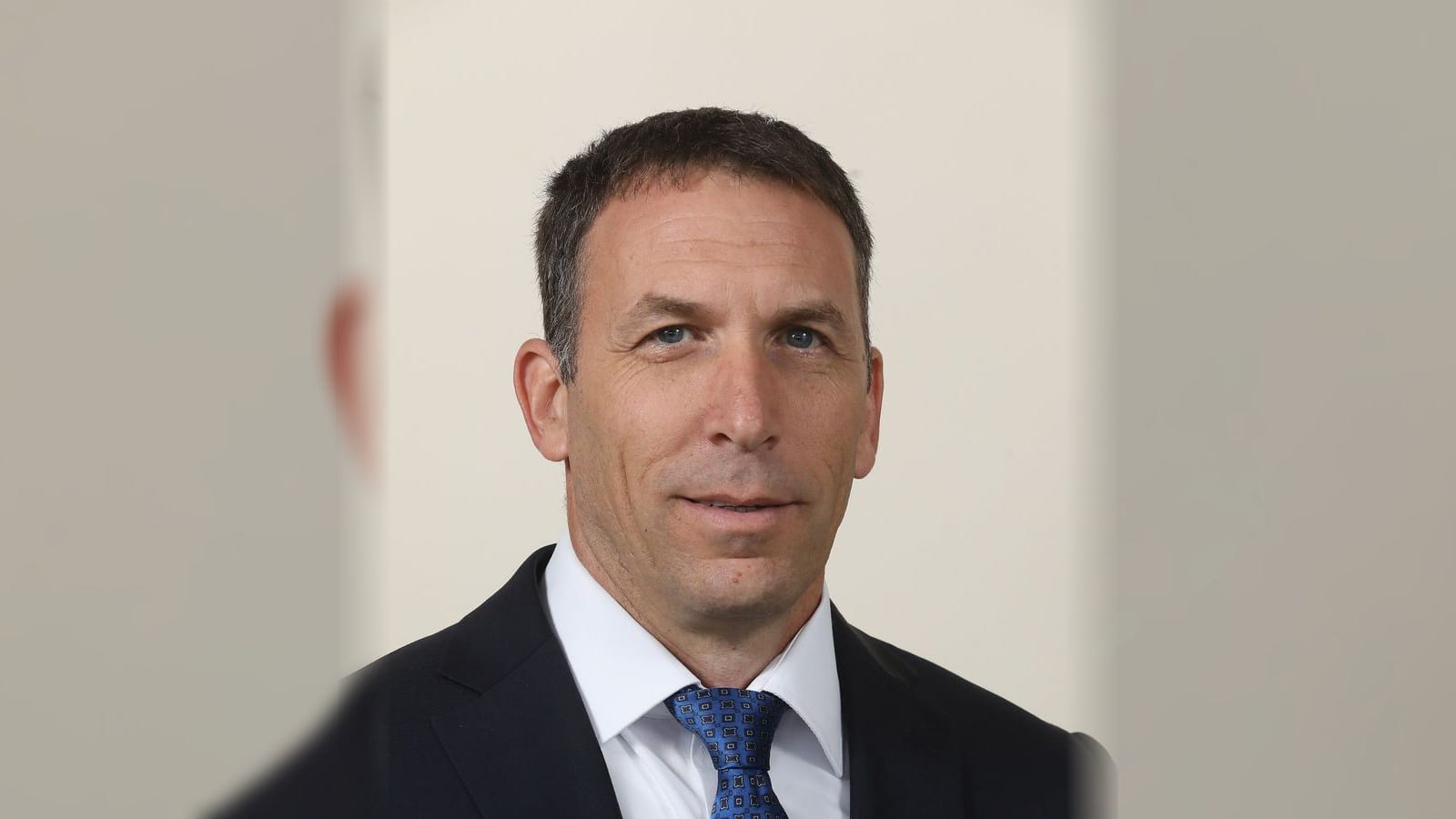
צילום ארכיון
הכתבה הבאה פוליטיקה
How the event was reported
Both reports were brief posts on Telegram, published within minutes of each other on the morning of the meeting. Ynet's item was a short alert pointing readers to a fuller story on its website, which was not part of the material available for this report. Segal's post was a single sentence of commentary rather than a news account, and should be read as his assessment of the atmosphere rather than as a description of what took place inside the room.
What the reports do not say
Neither report gives the first names of the speaker or the court president, the location or length of the meeting, or what subjects were on the table. No statement from the Knesset speaker's office or from the courts has been reported, and there is no account from either participant of the outcome. Segal's description of a warm welcome is not corroborated in the Ynet alert, and neither source explains the circumstances in which Ohana was replaced.
אנשים בכתבה: עמית סגל
להמשך קריאה
למדור פוליטיקה →
צילום ארכיון
בחירות
כהנא נבחר ליו"ר הכנסת ברוב של 66 מול 52, הליכוד מגנה וגוש איזנקוט חוגג
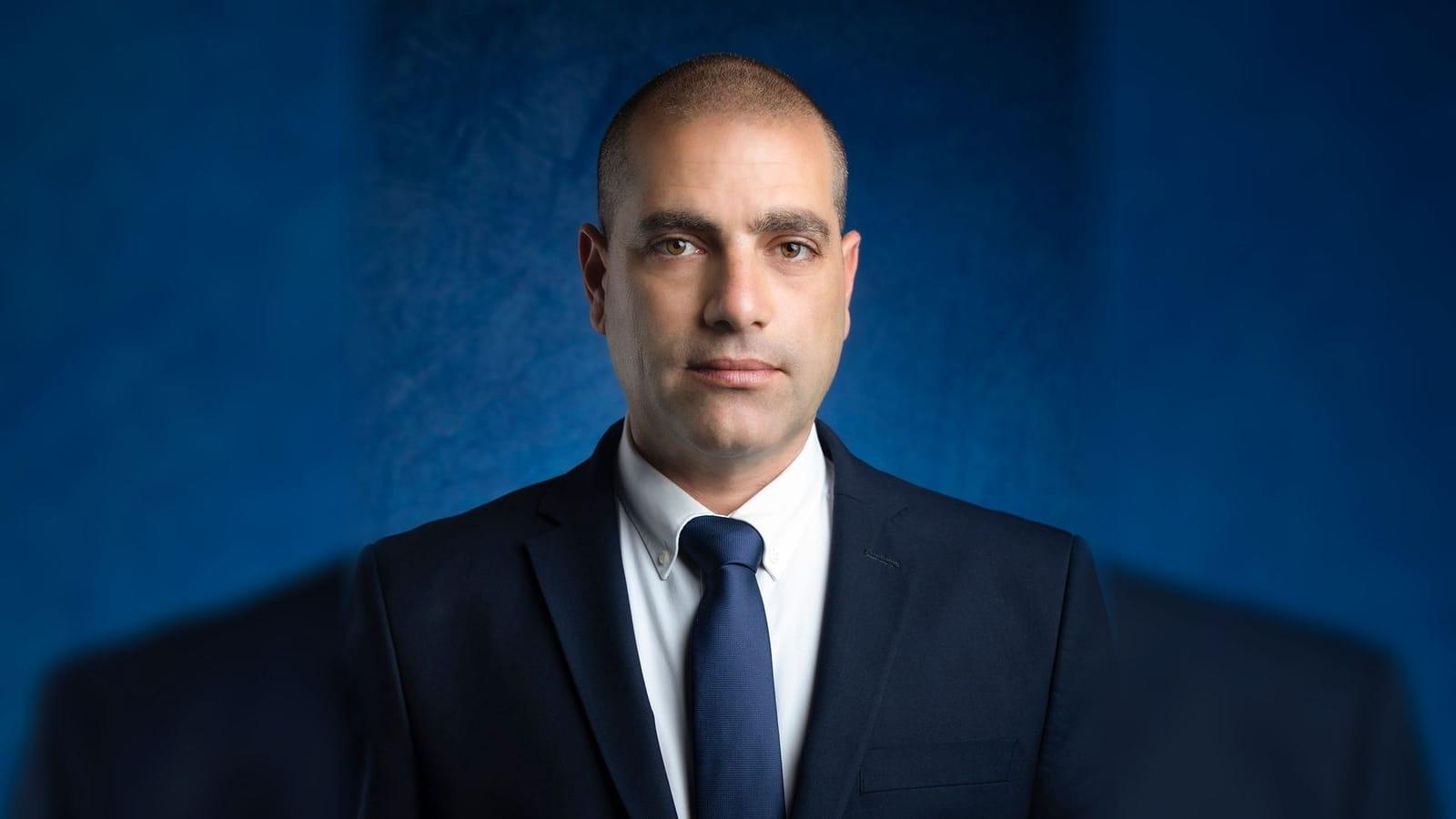
צילום ארכיון
פוליטיקה
הליכוד מריץ את אופיר כץ מול מתן כהנא לתפקיד יו"ר הכנסת
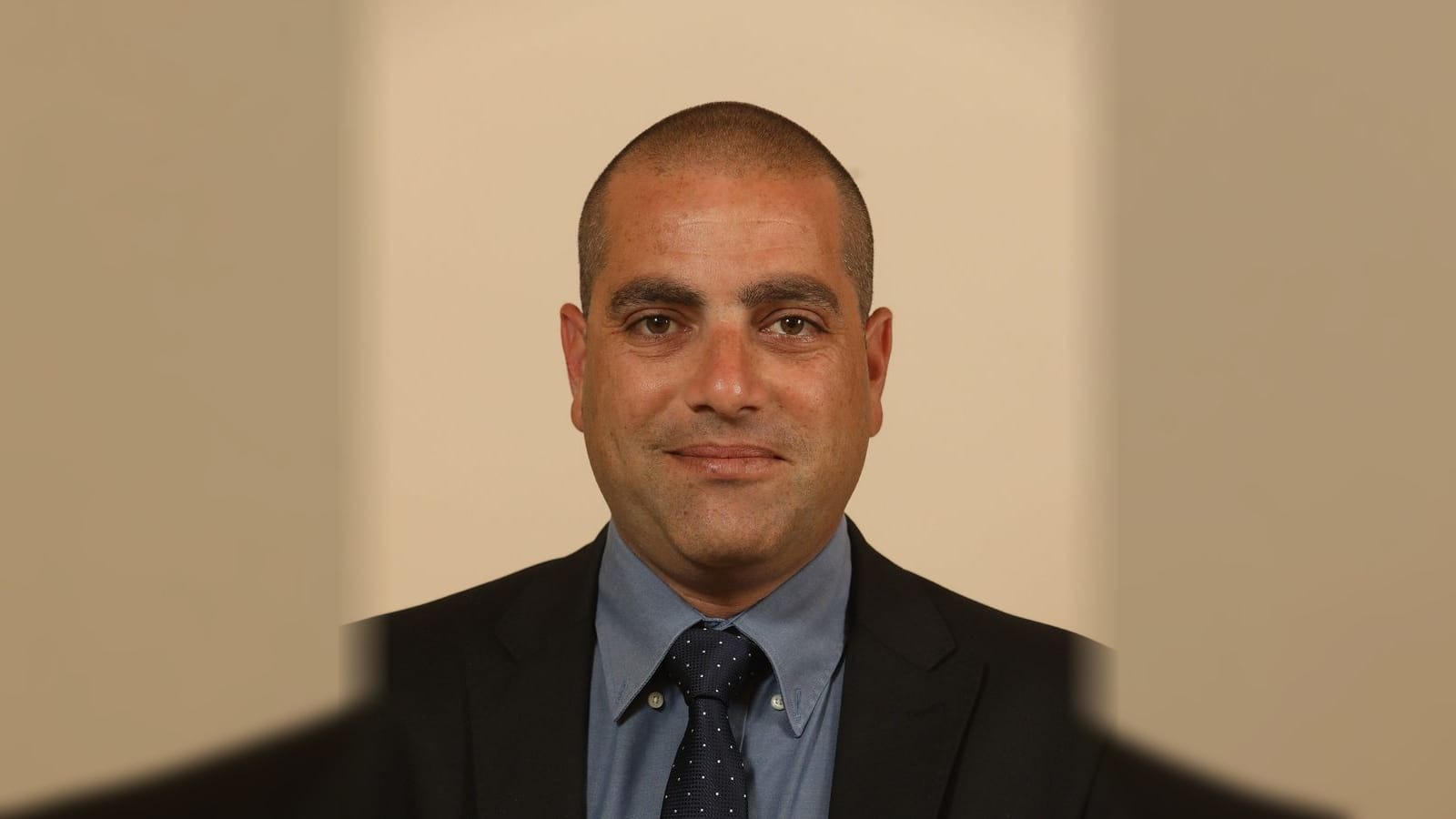
צילום ארכיון
פוליטיקה
ש"ס תתמוך באופיר כץ מהליכוד ליו"ר הכנסת ותצביע נגד מתן כהנא

צילום ארכיון
בחירות
בנט ולפיד התעמתו על הישענות על קולות ערבים, לפי עמית סגל
אפשר לראות את Israel.com ראשון בכתבות המובילות של Google.הוספה כמקור מועדף ב־Google
מקורות וקריאה נוספת
פתחנו ובדקנו כל קישור כאן בזמן כתיבת העמוד. הודעות רשמיות מסומנות ככאלה: זו הגרסה של הגורם עצמו, לא גרסה עצמאית.
- כתבותyediotht.meYnet alerts
- כתבותamitsegalt.meAmit Segal
איך בדקנו את זה
The meeting itself was reported by Ynet; the description of it as a warm welcome linked to Ohana's replacement comes only from commentator Amit Segal. We have not independently confirmed the details, and no official statement was available.
מדיניות המקורות והתיקונים שלנו →השבוע בישראל, במייל אחד
הכתבות החשובות, עם מקורות ואחרי בדיקה של מערכת Israel.com. חינם, פעם בשבוע, ואפשר להפסיק בלחיצה אחת.
רשימה אחת, הסרה בלחיצה. הפרטים במדיניות הפרטיות שלנו.

Israel.com נשאר חינמי בזכות קוראים כמוך.
מערכת החדשות של Israel.com בודקת כל ידיעה מול המקורות שלה ומפרסמת אותה בחינם. אם הידיעה עזרה לך, תמיכה בכל סכום שומרת גם את הבאה חינמית.
תשלום אחד, בלי הרשמה. סכום אחרתמיכה חודשית
הכתבות האחרונות
צילום ארכיון
צילום ארכיון

איור

איור

איור
צילום ארכיון