New Knesset speaker Kahana holds first working meeting with Justice Amit
The Knesset's new speaker met Supreme Court President Amit for a first working session, a meeting one commentator described as a warm welcome after Ohana's replacement.

AI illustration, not a photo of the events.
The new speaker of the Knesset, Israel's parliament, held a first working meeting with the president of the Supreme Court, according to a news alert from Ynet. The alert identified the two men by surname only: Kahana, the speaker, and Amit, the court president. It gave no further details of the agenda or of what was discussed.
Political commentator Amit Segal placed the meeting in a wider frame. Segal wrote on his Telegram channel that, following the replacement of Ohana, the Supreme Court president was receiving a warm reception at the Knesset from the new speaker. That characterisation is Segal's own; the Ynet alert described the session only as a working meeting and did not comment on its tone.
What the Knesset speaker does
The speaker presides over the Knesset, Israel's single-chamber legislature. The role covers running plenary sessions, managing the parliamentary agenda and representing the Knesset as an institution, including in its dealings with the other branches of the state. Because the speaker speaks for parliament as a body, meetings between the speaker and the heads of other institutions are often read as signals about the relationship between those institutions, not only as administrative events.
What the Supreme Court president does
The president of the Supreme Court heads Israel's judiciary. The Supreme Court sits both as the country's highest court of appeal and, when it hears petitions against state bodies, as the High Court of Justice. The court president is responsible for the administration of the court system and is its senior representative in contacts with the government and the Knesset.
A working meeting between the head of the legislature and the head of the judiciary is, in principle, a routine part of how state institutions coordinate. The interest in this one, as Segal's post suggests, lies in who holds the speaker's chair and how the previous holder approached the court.
Get an email the day Israel has a new government.
Coalition talks can take weeks. When a government is sworn in, Israel.com's newsroom emails who leads it, which parties are in and who got which ministry, then the Friday email each week. Free, and one click unsubscribes.
One list, unsubscribe in a click. See our privacy policy.
Why the change of speaker matters here
Segal's post explicitly ties the meeting to the departure of Ohana from the speaker's role. His wording implies a contrast: that the reception the court president now receives at the Knesset differs from what came before. Segal did not spell out that earlier relationship in the post, and the Ynet alert did not refer to Ohana at all.
For readers following Israeli politics from abroad, the relationship between parliament and the courts has been one of the most contested questions in the country's public life. A meeting at this level, described by one observer as warm and by a news outlet as the first working session between the two officials, is likely to be watched as an indication of how the new speaker intends to manage that relationship. Neither report, however, quoted either participant on that question.
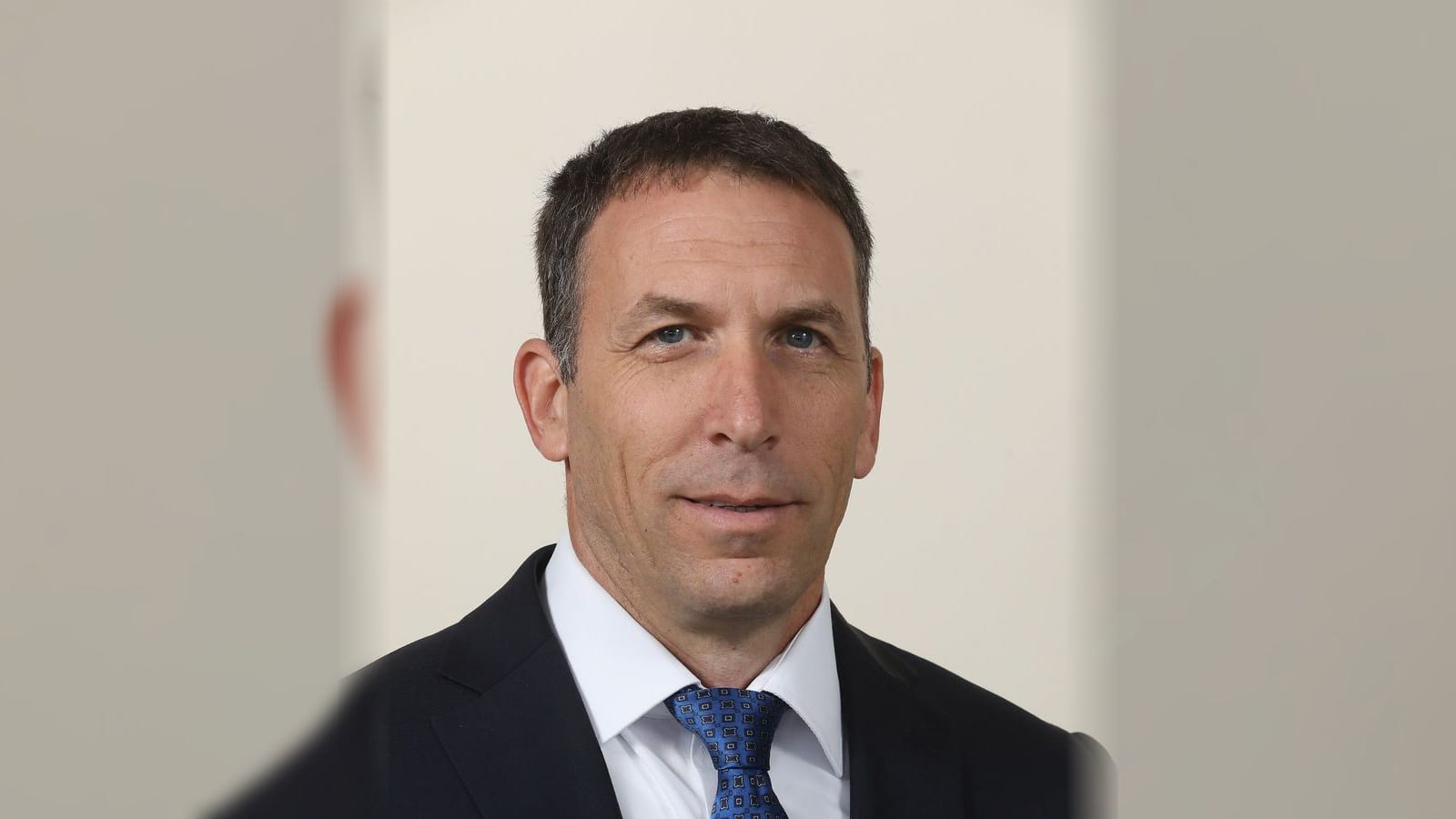
File photo
Next story Government
Eisenkot condemns Olam Katan cover mocking Knesset speaker Matan Kahana
How the event was reported
Both reports were brief posts on Telegram, published within minutes of each other on the morning of the meeting. Ynet's item was a short alert pointing readers to a fuller story on its website, which was not part of the material available for this report. Segal's post was a single sentence of commentary rather than a news account, and should be read as his assessment of the atmosphere rather than as a description of what took place inside the room.
What the reports do not say
Neither report gives the first names of the speaker or the court president, the location or length of the meeting, or what subjects were on the table. No statement from the Knesset speaker's office or from the courts has been reported, and there is no account from either participant of the outcome. Segal's description of a warm welcome is not corroborated in the Ynet alert, and neither source explains the circumstances in which Ohana was replaced.
People in this story: Amit Segal
Read next
All government →
File photo
Elections
Kahana elected Knesset speaker 66-52; Likud condemns, Eisenkot bloc celebrates
File photo
Government
Likud puts up Ofir Katz to challenge Matan Kahana for Knesset speaker
File photo
Government
Shas backs Likud's Ofir Katz for Knesset speaker, rejects Matan Kahana
File photo
Elections
Bennett and Lapid clash over relying on Arab votes, per Amit Segal
See Israel.com first in Google's top stories.Add it as a preferred source on Google
Sources and further reading
Every link below was opened and checked when this page was written. Official statements are marked as such: they are the subject's own account, not an independent one.
- Reportingyediotht.meYnet alerts
- Reportingamitsegalt.meAmit Segal
How we checked this
The meeting itself was reported by Ynet; the description of it as a warm welcome linked to Ohana's replacement comes only from commentator Amit Segal. We have not independently confirmed the details, and no official statement was available.
Our sourcing and corrections policy →The week from Israel, in one email
The stories that mattered, sourced and checked by the Israel.com newsroom. Free, weekly, one-click unsubscribe.
One list, unsubscribe in a click. See our privacy policy.

Israel.com is free, and readers like you keep it that way.
The Israel.com newsroom checks every story against its sources and publishes it free. If this one helped, a contribution of any size keeps the next one free too.
One payment, nothing to sign up for. Another amountGive monthly
Latest

Illustration

File photo
File photo
File photo
File photo

Illustration