Stun grenades and stones at Haredi protest in Beit Shemesh; bus hits protester
Police said a violent disturbance in Beit Shemesh blocked roads and saw stones thrown at officers, while Ynet reported a protester was struck by a bus.
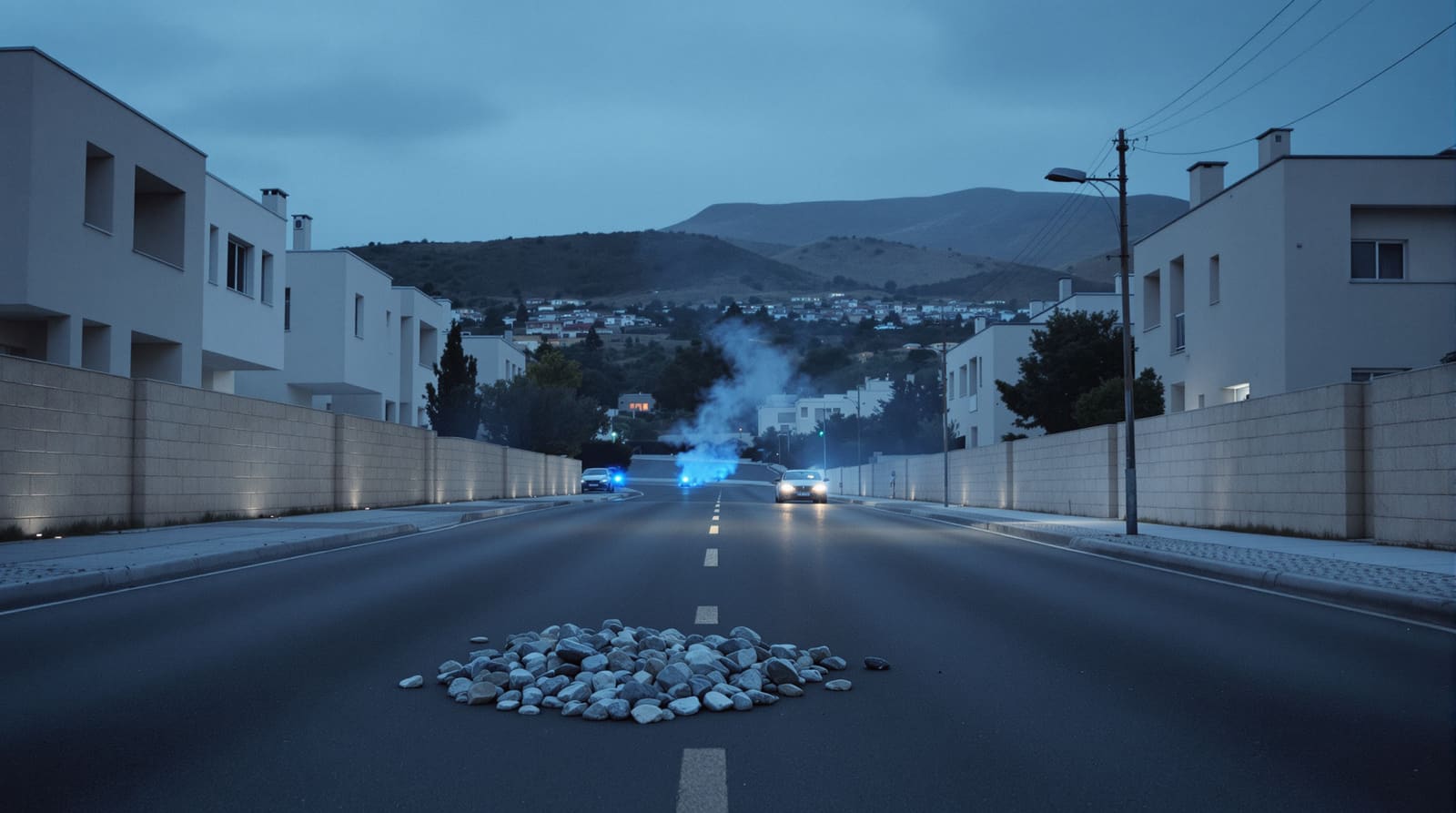
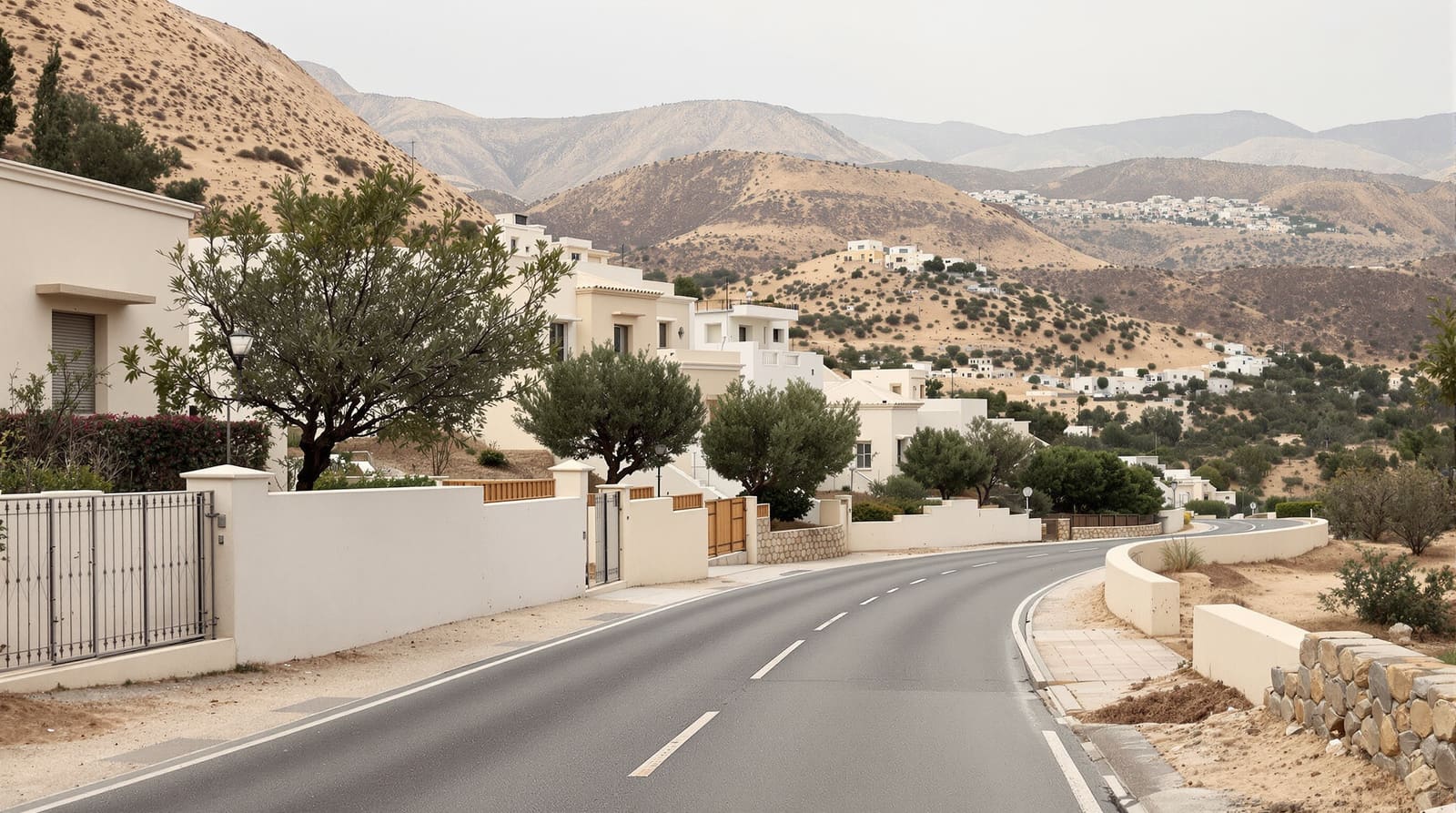
איור שנוצר בבינה מלאכותית, לא צילום של האירועים.
הכתבה המלאה עדיין לא נכתבה בעברית, ולכן היא מובאת כאן באנגלית.
A protest by Haredi, or ultra-Orthodox, demonstrators in the city of Beit Shemesh turned violent on Thursday evening, with roads blocked and stones thrown at police, according to several Israeli outlets. Ynet reported in a breaking alert that stun grenades were thrown toward the Haredi protesters and that one demonstrator was hit by a bus.
Police described the scene as a violent public disturbance. N12 correspondent Eli Hirschman relayed a police announcement that officers were dealing with the disorder around Nahar HaYarden Street in Beit Shemesh, where traffic routes had been blocked and stones hurled at the forces. The Jerusalem Post reported that the protest led to blocked roads and rocks being thrown at police officers, and that regular police together with Border Police officers moved to disperse the crowd.
What the outlets agree on
The three reports, published within roughly half an hour of each other on November 19, 2026, describe the same basic picture: a Haredi demonstration in Beit Shemesh, roads closed off by protesters, and stones thrown at the security forces sent to the scene. The police account carried by N12 and the Jerusalem Post report both mention the stone-throwing and the road blockages.
The detail about stun grenades and the protester struck by a bus comes from Ynet's alert alone. Ynet's short alert does not say who threw the stun grenades. Stun grenades are a standard crowd-dispersal tool, and the Jerusalem Post said police and Border Police were working to break up the protest, but none of the reports explicitly states that the grenades were thrown by officers. This article therefore does not attribute them to any party.
Beit Shemesh and its Haredi population
Beit Shemesh is a city in the hills west of Jerusalem. Over recent decades it has grown into one of Israel's larger centres of ultra-Orthodox life, with whole neighbourhoods home to Haredi communities living alongside secular and Modern Orthodox residents. That mix has made the city a recurring site of friction, both within the Haredi community and between Haredi groups and the authorities.
השבוע בישראל בחמש ידיעות, בכל יום שישי
מקורות ובדיקה של מערכת Israel.com, עם זמני השבת. חינם, ואפשר להפסיק בלחיצה אחת.
רשימה אחת, הסרה בלחיצה. הפרטים במדיניות הפרטיות שלנו.
The term Haredi (plural Haredim) refers to strictly observant Jewish communities that place religious study and communal rabbinic authority at the centre of daily life. They are not a single bloc: different streams and rabbinic courts often take different positions on relations with the state, and the more hardline factions are the ones most often involved in street protests.
Who the Border Police are
The Border Police, known in Hebrew as Magav, is a gendarmerie-style branch of the Israel Police. Despite its name, its work is not limited to borders: its units are frequently deployed for riot control and public-order operations inside Israeli cities, which is why they appear in reports of demonstrations such as this one alongside regular police officers.
איור
הכתבה הבאה משפט ופלילים
Context for Haredi street protests
Haredi demonstrations that block major roads have become a familiar sight in Israel, and many in recent years have centred on the question of military service for yeshiva (religious seminary) students. However, none of the reports on the Beit Shemesh protest states what the demonstrators were protesting about on this occasion, and this article does not assume a cause.
The Jerusalem Post illustrated its report with a photograph of Haredi protesters in Petah Tikva, a city east of Tel Aviv, taken the same day. The caption marks the image as illustrative, and the paper does not say in the available text whether the two gatherings were connected.
What the reports do not say
- None of the outlets reports the condition of the protester struck by the bus, or whether anyone else, including police officers, was hurt.
- Ynet does not say who threw the stun grenades, and the police statement relayed by N12 does not mention them.
- No report gives the reason for the protest or names any group or rabbi behind it.
- There is no word yet on arrests, and no response from Haredi community leaders has been reported.
- The circumstances of the bus incident, including whether the bus was moving through the blocked area, are not described.
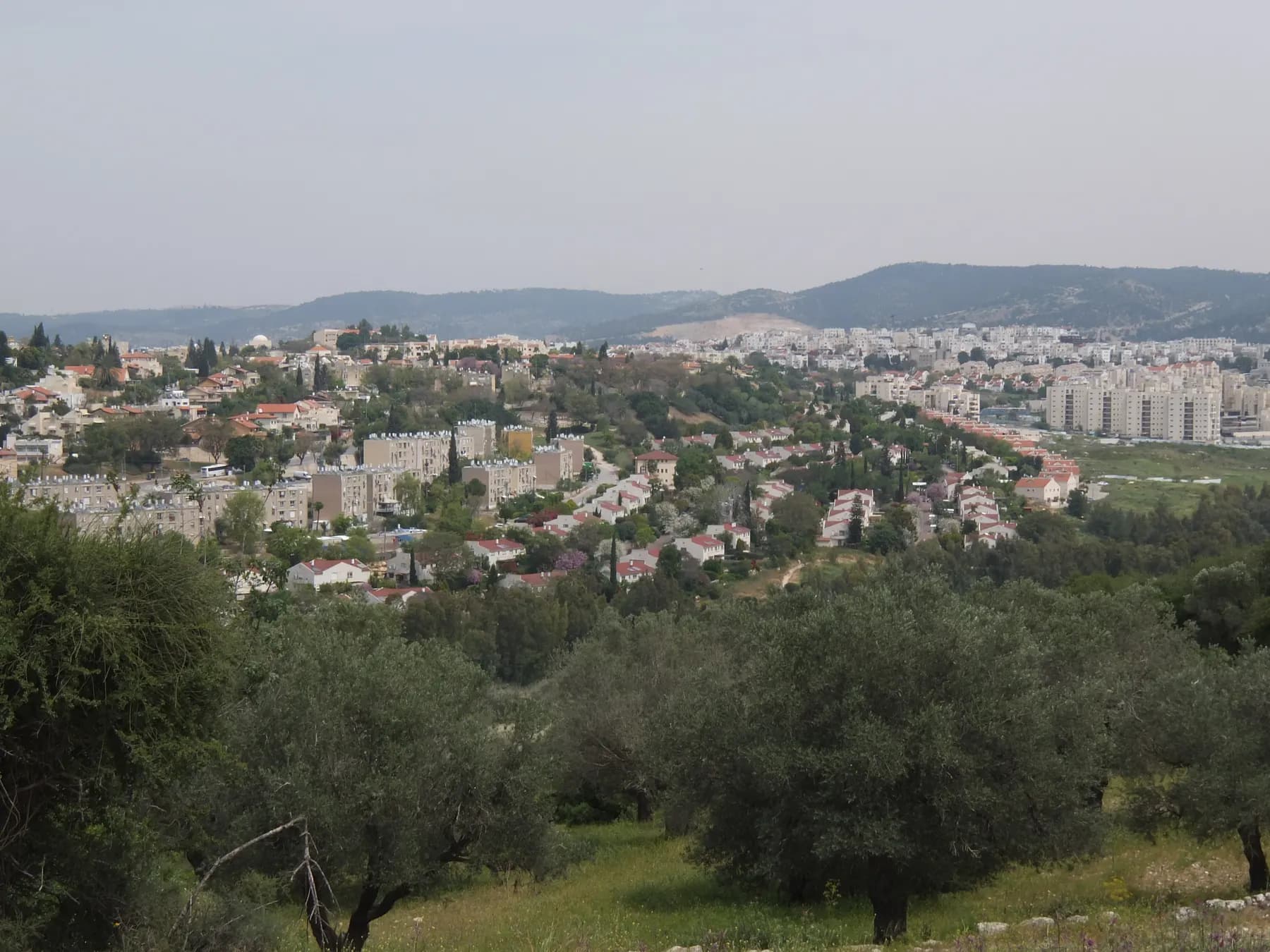
Davidbena / CC BY-SA 4.0 · Wikimedia Commons
להמשך קריאה
למדור ביטחון →
איור
ביטחון
נהג נפצע קל מאבנים שהושלכו לעבר רכבו ליד בית אומר בגוש עציון
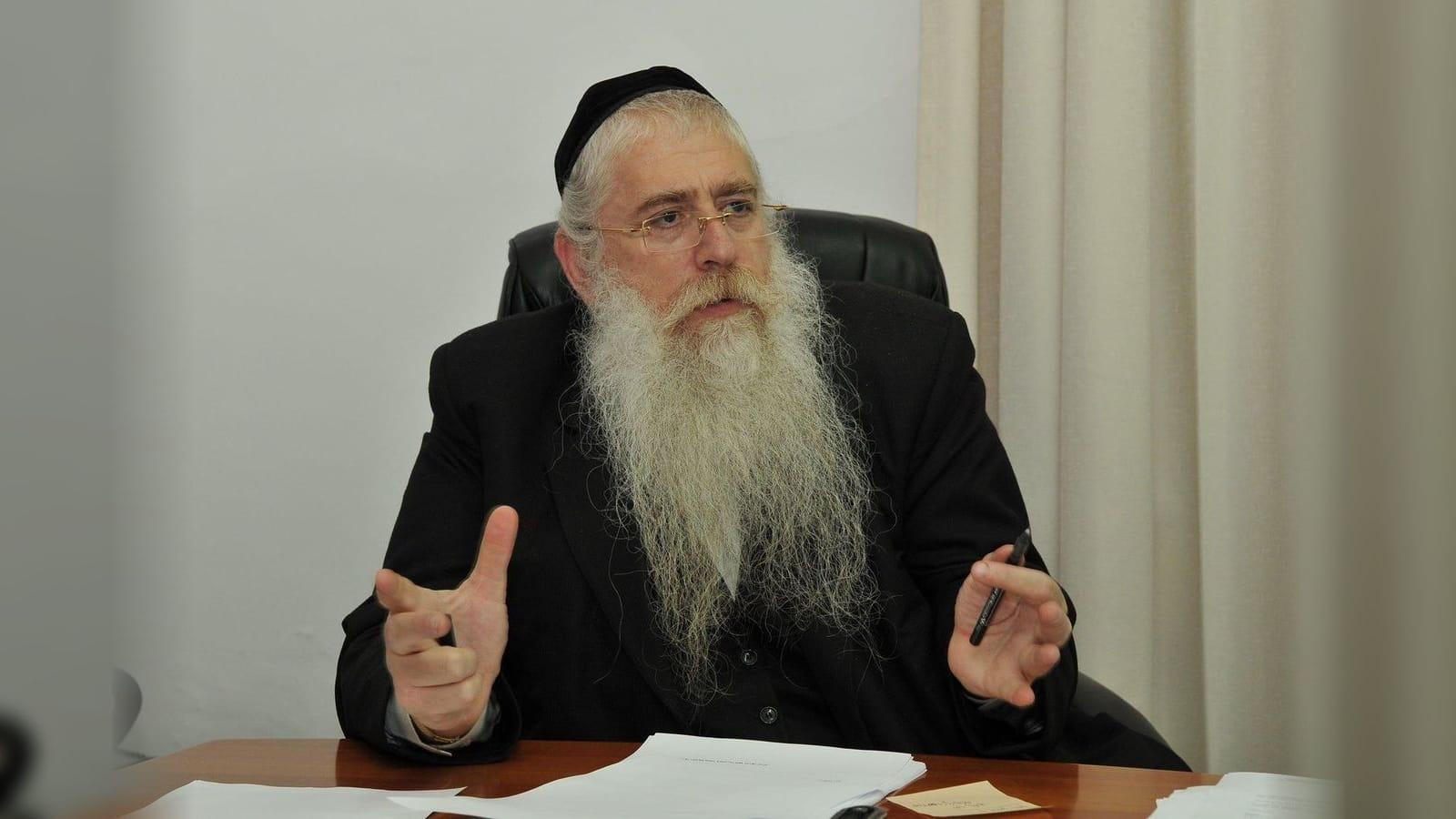
צילום ארכיון
יהדות
מפגינים חרדים חסמו לזמן קצר את רכבו של מאיר פרוש בירושלים

צילום ארכיון
יהדות
נתניהו מבטיח שהמפלגות החרדיות יהיו בכל ממשלה שירכיב

צילום ארכיון
ביטחון
המגעים בין מחנה איזנקוט למפלגות החרדיות נתקעו על הגיוס
מקורות וקריאה נוספת
פתחנו ובדקנו כל קישור כאן בזמן כתיבת העמוד. הודעות רשמיות מסומנות ככאלה: זו הגרסה של הגורם עצמו, לא גרסה עצמאית.
- כתבותyediotht.meYnet alerts
- כתבותjpostjpost.comThe Jerusalem Post
- כתבותkeshett.meN12
איך בדקנו את זה
The protest, blocked roads and stone-throwing at police were reported by N12, citing a police announcement, and by the Jerusalem Post. The stun grenades and the protester hit by a bus are reported only by Ynet, which does not say who threw the grenades.
מדיניות המקורות והתיקונים שלנו →השבוע בישראל, במייל אחד
הכתבות החשובות, עם מקורות ואחרי בדיקה של מערכת Israel.com. חינם, פעם בשבוע, ואפשר להפסיק בלחיצה אחת.
רשימה אחת, הסרה בלחיצה. הפרטים במדיניות הפרטיות שלנו.
הכתבות האחרונות

איור

צילום ארכיון
איור
איור

צילום ארכיון

צילום ארכיון