US intelligence puts Iran's missile stock at 1,500 to 2,500, WSJ reports
A Wall Street Journal report says Iran is rebuilding its missile arsenal more slowly than before the war, largely from components it stockpiled earlier.
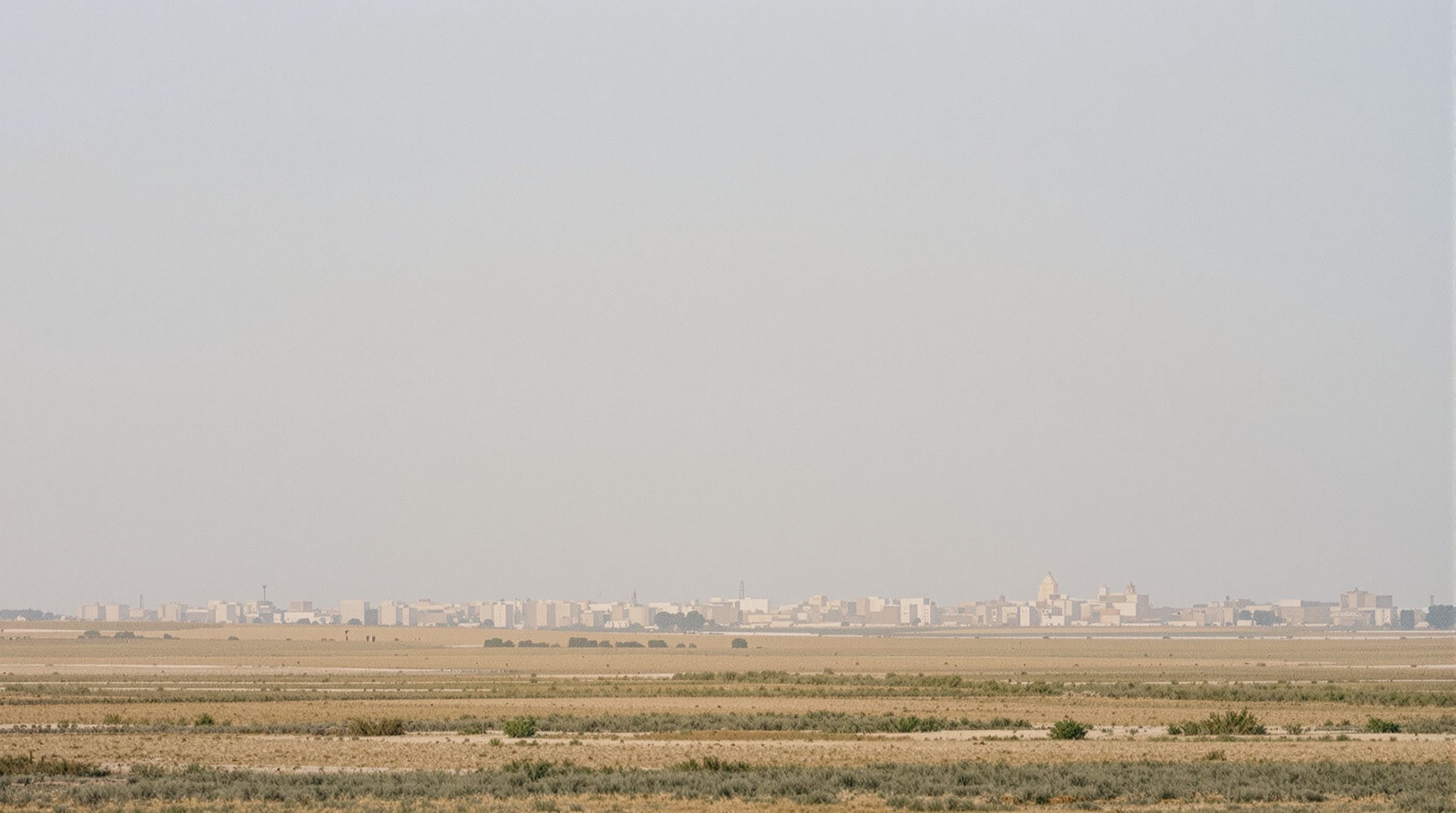
איור שנוצר בבינה מלאכותית, לא צילום של האירועים.
הכתבה המלאה עדיין לא נכתבה בעברית, ולכן היא מובאת כאן באנגלית.
United States intelligence believes Iran holds somewhere between 1,500 and 2,500 missiles, according to a report in The Wall Street Journal that was carried by the Israeli news outlets Ynet and N12. Ynet reported that American officials are not certain of the figures, but stressed that in any case Iran retains a substantial missile stockpile.
The report also says Iran is restoring its arsenal despite strikes on its production sites. N12 correspondent Asaf Rosenzweig wrote that although the United States and Israel hit Iran's missile manufacturing facilities, Tehran has kept rebuilding, at a slower pace than before the war, and mainly by drawing on components it had put aside in advance.
Two outlets, two ways of putting the number
The Israeli outlets summarised the Journal's estimate differently. Ynet, the news website of the Yedioth Ahronoth group, gave a range of 1,500 to 2,500 missiles. N12, an Israeli television news outlet, put the figure at about 2,500, the top of that range, and added that the intelligence assessment holds Iran still has a large capacity to strike targets belonging to the United States and its allies. Neither outlet published the underlying intelligence, and the reports do not explain why the estimate spans such a wide band.
A spread of this kind is common in intelligence assessments of an adversary's weapons, which are built from partial information rather than a direct count. Ynet's account of the American caution about the numbers fits that pattern: the officials quoted were confident about the broad picture, a sizeable arsenal, while declining to commit to a precise total.
Rebuilding after the strikes
The central claim in the reporting is not only how many missiles Iran has, but that the number is climbing again. According to N12's account of the Journal story, the strikes on Iran's production facilities slowed but did not halt the effort, with Iran relying largely on components stockpiled before the fighting. The reports do not say how large that reserve is or how long it could sustain production.
השבוע בישראל בחמש ידיעות, בכל יום שישי
מקורות ובדיקה של מערכת Israel.com, עם זמני השבת. חינם, ואפשר להפסיק בלחיצה אחת.
רשימה אחת, הסרה בלחיצה. הפרטים במדיניות הפרטיות שלנו.
The reports refer to "the war" without describing it further. They identify the United States and Israel as the parties that struck Iran's missile industry.
A different tone from Jerusalem
Ynet noted a contrast with statements by Israeli Prime Minister Benjamin Netanyahu, who has spoken of Iran's missile programme as having been crushed. According to Ynet, an Israeli official quoted in the Journal's report struck a more cautious note, warning that "Tehran is building and arming." The official was not named in the material.

איור
US military assets and Israel
Ynet also reported that the Journal, citing officials in Jerusalem and in Washington, said damage suffered by the United States had led it to move military assets to Israel, on the grounds that Israel is a safer location. Ynet's brief summary does not specify what damage this refers to, which assets were moved, or when. This element appears only in Ynet's report and not in N12's posts.
Who reported what
The original reporting is attributed to The Wall Street Journal, an American newspaper. The material available here consists of Israeli outlets' summaries of that report rather than the Journal's article itself. Ynet published both a short alert on its news channel and a longer item; N12's account came in two posts from Rosenzweig. Both outlets agree on the core points: an American intelligence estimate of Iran's arsenal reaching up to 2,500 missiles, and continued Iranian capability despite the strikes.
What the reports do not say
- Which US intelligence agencies produced the estimate, and what types of missiles it covers.
- How quickly Iran is rebuilding in concrete terms, and how many components it holds in reserve.
- What damage to the United States prompted the reported transfer of military assets to Israel, and what those assets are.
- No response from the Israeli Prime Minister's Office, the US government or Iran has been reported.
להמשך קריאה
למדור ביטחון →
איור
ביטחון
ארה"ב פינתה מטוסים מבסיס RAF Mildenhall בבריטניה בשל איום איראני, לפי "וול סטריט ג'ורנל"

איור
ביטחון
הקואליציה בהובלת סעודיה מסרה כי השמידה שני טילים של החות'ים ששוגרו לעבר ריאד

איור
ביטחון
חמאס אישר שמפקד חטיבת רפיח נהרג בתקיפה באל-מואסי

איור
ביטחון
שוטר מג"ב ירה בנהג בעכו ופצע אותו קשה, לפי המשטרה
מקורות וקריאה נוספת
פתחנו ובדקנו כל קישור כאן בזמן כתיבת העמוד. הודעות רשמיות מסומנות ככאלה: זו הגרסה של הגורם עצמו, לא גרסה עצמאית.
- כתבותyediothynet.co.ilYnet
- כתבותyediotht.meYnet alerts
- כתבותkeshett.meN12
- כתבותkeshett.meN12
איך בדקנו את זה
The estimate was reported by Ynet and N12, both citing The Wall Street Journal; we have not seen the Journal's article or the intelligence itself. The claim about US military assets being moved to Israel appears only in Ynet's report.
מדיניות המקורות והתיקונים שלנו →השבוע בישראל, במייל אחד
הכתבות החשובות, עם מקורות ואחרי בדיקה של מערכת Israel.com. חינם, פעם בשבוע, ואפשר להפסיק בלחיצה אחת.
רשימה אחת, הסרה בלחיצה. הפרטים במדיניות הפרטיות שלנו.
הכתבות האחרונות

איור
צילום ארכיון · Nick Karvounis / Unsplash

צילום ארכיון

איור

צילום ארכיון

איור
