Haaretz photographer Itai Ron assaulted at protest outside Eisenkot's home
Right-wing activists kicked and shoved a Haaretz photojournalist in Herzliya, the paper says, while police dispute its claim that officers watched and did nothing.

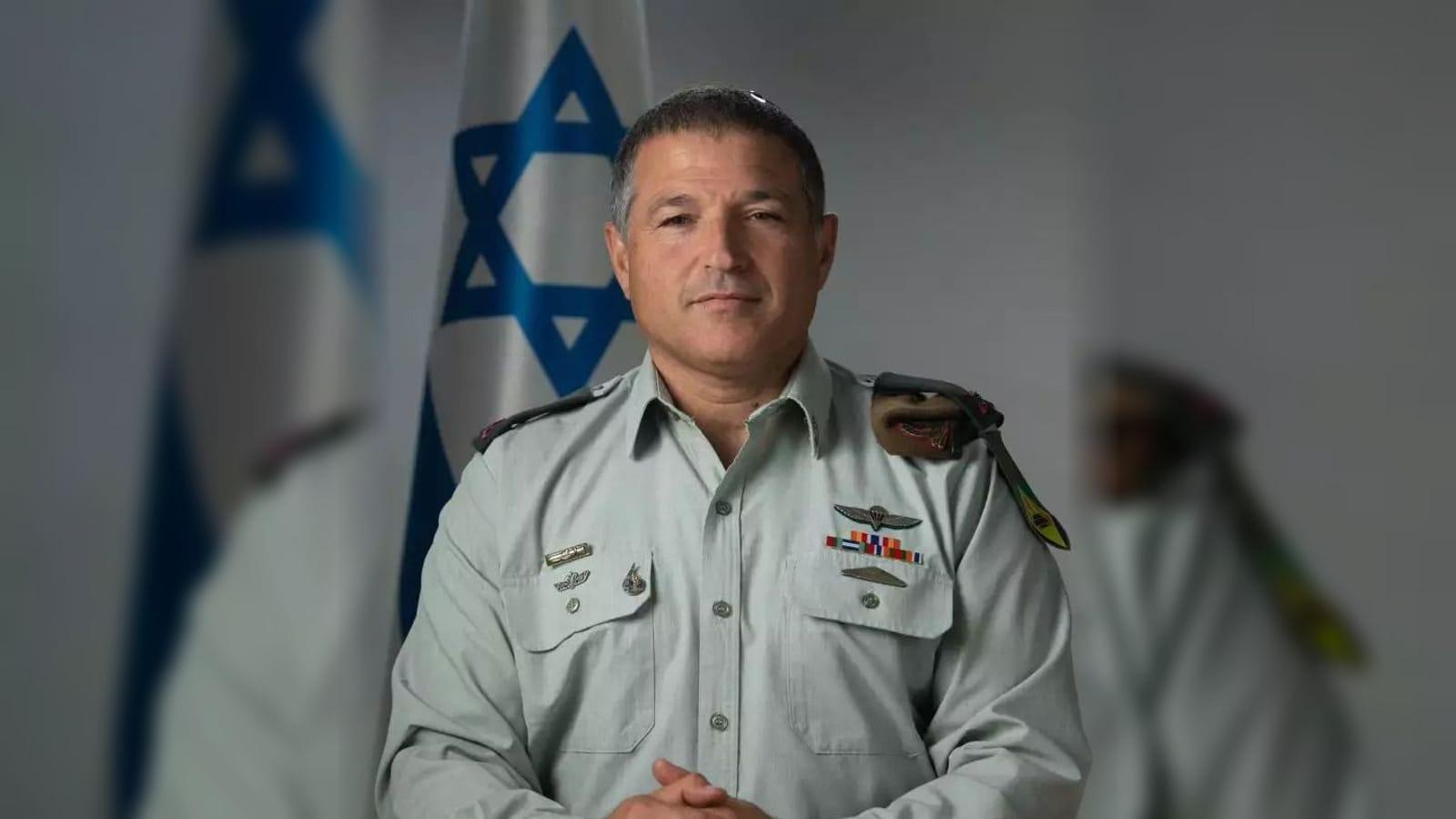
Gadi Eisenkot. צילום ארכיון: יהב טרודלר (Yahav Trudler - Yahav Studio), CC BY-SA 3.0, מתוך ויקישיתוף.
הכתבה המלאה עדיין לא נכתבה בעברית, ולכן היא מובאת כאן באנגלית.
A photojournalist for the Israeli daily Haaretz was assaulted by right-wing activists on Saturday evening while covering a demonstration outside the Herzliya home of Gadi Eisenkot, who leads the Yashar party. Haaretz reported that its photographer, Itai Ron, was kicked and shoved by protesters who shouted "traitor" at him.
The Times of Israel, citing the Haaretz account, said roughly 50 activists took part in the demonstration and that some of them beat Ron. According to that report, Haaretz also said police officers saw the attack and did not step in. The Israel Police rejected that claim.
מהשטח

Opinion | A message to Eisenkot: You won't save Israel without ending the occupation haaretz.com/opinion/2026-1…
Who was involved
Itai Ron works as a photographer for Haaretz, one of Israel's oldest daily newspapers, generally regarded as the country's main left-leaning paper and frequently a target of criticism from the political right. The account of the assault comes from Ron's own employer, which published the first report of the incident.
Gadi Eisenkot is a former chief of staff of the Israel Defense Forces (IDF) who moved into politics after leaving the military. The reports describe him as the leader, or chair, of Yashar, the party he heads. Demonstrations outside the private homes of politicians are a recurring feature of Israeli political life, used by activists on both the left and the right to press public figures directly.
Herzliya, where Eisenkot lives, is a coastal city just north of Tel Aviv in central Israel.
השבוע בישראל בחמש ידיעות, בכל יום שישי
מקורות ובדיקה של מערכת Israel.com, עם זמני השבת. חינם, ואפשר להפסיק בלחיצה אחת.
רשימה אחת, הסרה בלחיצה. הפרטים במדיניות הפרטיות שלנו.
The reports describe the protesters only as right-wing activists. Neither names any organisation behind the demonstration, and neither sets out what the protest was specifically about beyond its location outside Eisenkot's home.
The dispute over the police response
The two sides give conflicting accounts of what officers at the scene saw and did.
According to Haaretz, as relayed by The Times of Israel, police officers present at the demonstration witnessed the assault and did not intervene.

צילום ארכיון
הכתבה הבאה פוליטיקה
איזנקוט מנהל מגעים בשלושה ערוצים, והשיחות עם הליכוד עומדות להיפתח
The Israel Police denied that its officers saw the attack. In a statement quoted by The Times of Israel, the police said Ron came to the commander of the unit on site and said he had been assaulted. According to the police, officers asked him to point out the people responsible, yet he did not help them do so and went away.
The police added that anyone who suspects a criminal offence has taken place may file a complaint, and that any such complaint would be looked into. The statement did not say whether a complaint had been filed or whether an investigation had been opened.
Neither report resolves the contradiction between the newspaper's account and the police version, and this article does not attempt to either.
What the word "traitor" signals
Both reports note that the attackers called Ron a "traitor." In Israeli political discourse the Hebrew term, often heard as boged, is a charged insult that has been aimed at journalists, left-wing activists and political opponents. Haaretz has long drawn this kind of accusation from parts of the right because of its critical coverage of governments and the military.
How the incident was reported
Haaretz published its account on Saturday night under the bylines of three reporters, Yair Foldes, Bar Peleg and Adi Hashmonai. The Times of Israel carried the story a few hours later in its live blog, attributing the description of the assault to Haaretz and adding the police response.
The Times of Israel framed the assault as alleged, writing that the photographer was "said" to have been attacked, reflecting that its information came from the Haaretz report rather than from its own reporters at the scene.
What the reports do not say
- Whether Ron was injured, and if so how seriously, is not stated in either report.
- Neither report says whether a police complaint has been filed or whether any of the attackers has been identified or detained.
- No response from Eisenkot or his party to the assault outside his home has been reported.
- No independent witness account or footage has been cited to settle whether officers saw the attack, as Haaretz says, or did not, as the police say.
- The organisers of the demonstration and the specific purpose of the protest are not identified.
יודקה yudkey / CC BY 3.0 · Wikimedia Commons
להמשך קריאה
למדור משפט ופלילים →
צילום ארכיון
פוליטיקה
כמעט שבוע אחרי שקיבל את המנדט, איזנקוט אומר שהמגעים הקואליציוניים מתקדמים
צילום ארכיון
ביטחון
השב"כ לא גיבה את טענות זיני על התערבות זרה בבחירות, אמרו גורמים בכירים ל"הארץ"
איור
משפט ופלילים
צעיר בן 20 נעצר במומבאי בחשד שאסף מודיעין על בית חב"ד בעיר

צילום ארכיון
משפט ופלילים
הרצוג: הרצח בכפר מנדא, הקורבן המאתיים בחברה הערבית השנה, "מצמרר"
מקורות וקריאה נוספת
פתחנו ובדקנו כל קישור כאן בזמן כתיבת העמוד. הודעות רשמיות מסומנות ככאלה: זו הגרסה של הגורם עצמו, לא גרסה עצמאית.
- כתבותhaaretzhaaretz.comHaaretz
- כתבותtoitimesofisrael.comThe Times of Israel
איך בדקנו את זה
The assault was reported by Haaretz, the photographer's employer, and by The Times of Israel, which attributed its account to Haaretz; no outlet reported independent eyewitness confirmation. The police denial is attributed to an Israel Police statement quoted by The Times of Israel.
מדיניות המקורות והתיקונים שלנו →השבוע בישראל, במייל אחד
הכתבות החשובות, עם מקורות ואחרי בדיקה של מערכת Israel.com. חינם, פעם בשבוע, ואפשר להפסיק בלחיצה אחת.
רשימה אחת, הסרה בלחיצה. הפרטים במדיניות הפרטיות שלנו.
הכתבות האחרונות

צילום ארכיון
איור
איור
איור
איור

איור