Eisenkot plans Knesset vote on an emergency government if unity talks fail
Yashar! leader Gadi Eisenkot will not hand back his mandate without a plenum vote, reports say, wagering on outside backing from Ra'am despite Lieberman's objections.
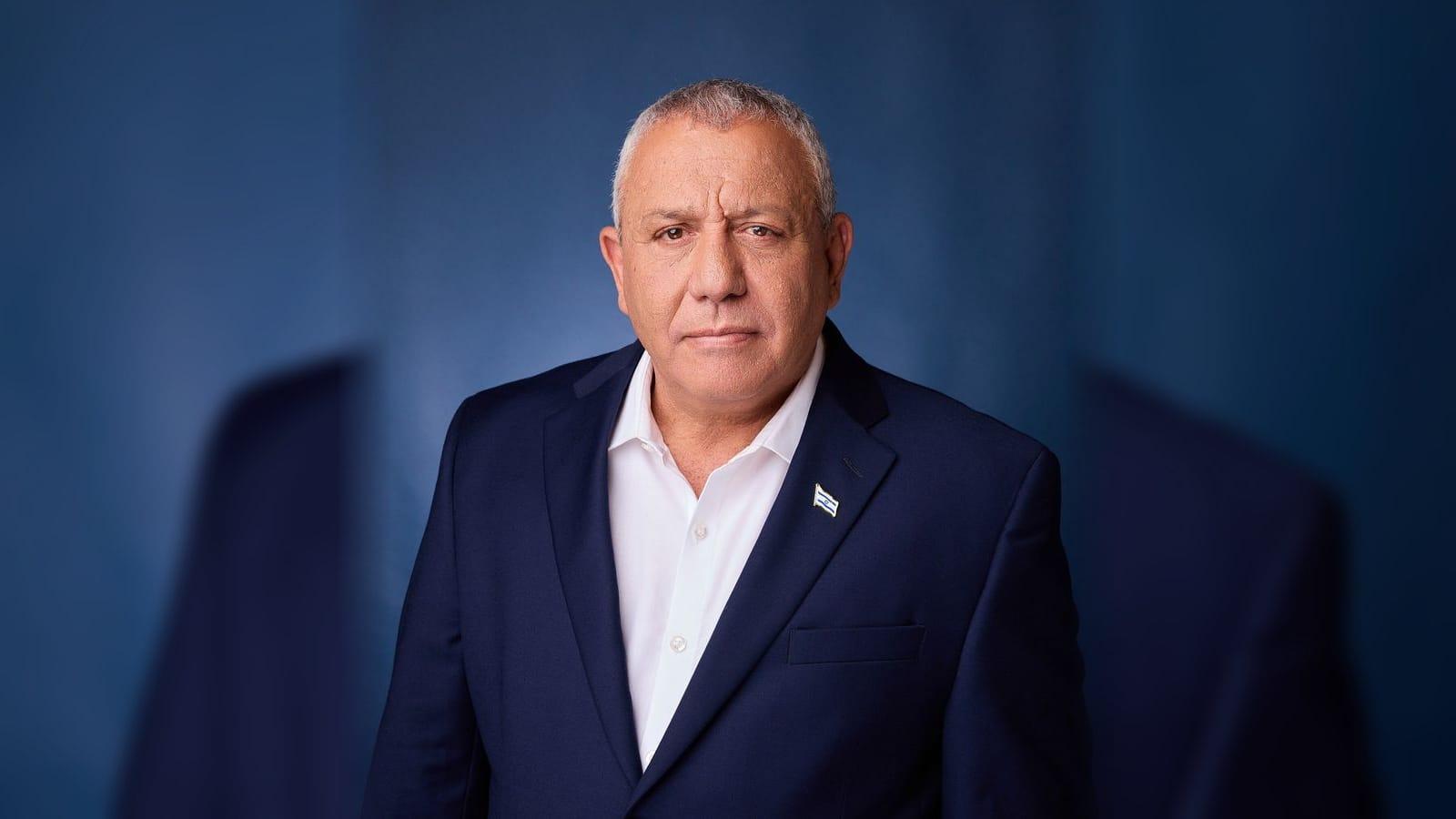
Gadi Eisenkot. צילום ארכיון: יהב טרודלר (Yahav Trudler - Yahav Studio), CC BY-SA 3.0, מתוך ויקישיתוף.
הכתבה המלאה עדיין לא נכתבה בעברית, ולכן היא מובאת כאן באנגלית.
Gadi Eisenkot, chairman of the Yashar! party, intends to put a government to a vote in the Knesset before his mandate to form a coalition runs out, even if he has not secured a majority, The Times of Israel reported, citing reports in the Hebrew press.
According to Ynet, Eisenkot is still trying to exhaust two options: a national unity government, or a coalition that includes the Haredi (ultra-Orthodox) parties. If neither materialises, Ynet said, he does not plan to return the mandate to the President without first holding a vote in the Knesset plenum on what he calls an "emergency government". That government would rest on the so-called change bloc, and the plan assumes that Ra'am would back it from outside the coalition, even without formal coalition negotiations.
How the mandate works
In Israel's parliamentary system, after an election the President consults the parties represented in the Knesset, the national parliament, and then asks one lawmaker to try to assemble a governing coalition. That assignment is commonly called the mandate. The lawmaker has a limited period to build a government that can win a vote of confidence in the full chamber, known as the plenum. If the effort fails, the mandate goes back to the President.
The reported plan is notable because Eisenkot would not simply return the mandate if talks stall. Instead, he would bring a proposed government before the plenum and force lawmakers to vote on it. The Times of Israel's account stresses that he would do so even without a majority in hand, meaning the vote's outcome would depend on how other parties, including those outside his government, choose to act on the floor.
The parties involved
The "change bloc" is a term used in Israeli politics for the parties opposed to Benjamin Netanyahu continuing as prime minister. Likud is Netanyahu's party. The Haredi parties represent ultra-Orthodox Jewish voters and have often sat in coalitions with Likud.
מייל ביום שבו תושבע הממשלה החדשה.
המגעים להרכבת הקואליציה יכולים להימשך שבועות. כשהממשלה החדשה מושבעת, מערכת החדשות של Israel.com שולחת במייל מי עומד בראשה, אילו מפלגות נכללות בה ומי קיבל איזה תיק, ואחר כך את המייל של יום שישי בכל שבוע. חינם, וההסרה בלחיצה אחת.
רשימה אחת, הסרה בלחיצה. הפרטים במדיניות הפרטיות שלנו.
Ra'am is an Arab Israeli party. Under the plan described by Ynet, it would not formally join the government but would support it from outside, an arrangement in which a party votes to let a government take office without receiving cabinet posts or signing a coalition agreement.
Avigdor Lieberman heads the Yisrael Beytenu party, which is counted among Netanyahu's opponents. Ynet reported that Lieberman opposes the plan. In response, according to Ynet, Eisenkot will argue that Netanyahu has to be replaced, even if the government that replaces him serves only as a transitional administration leading to a repeat election.
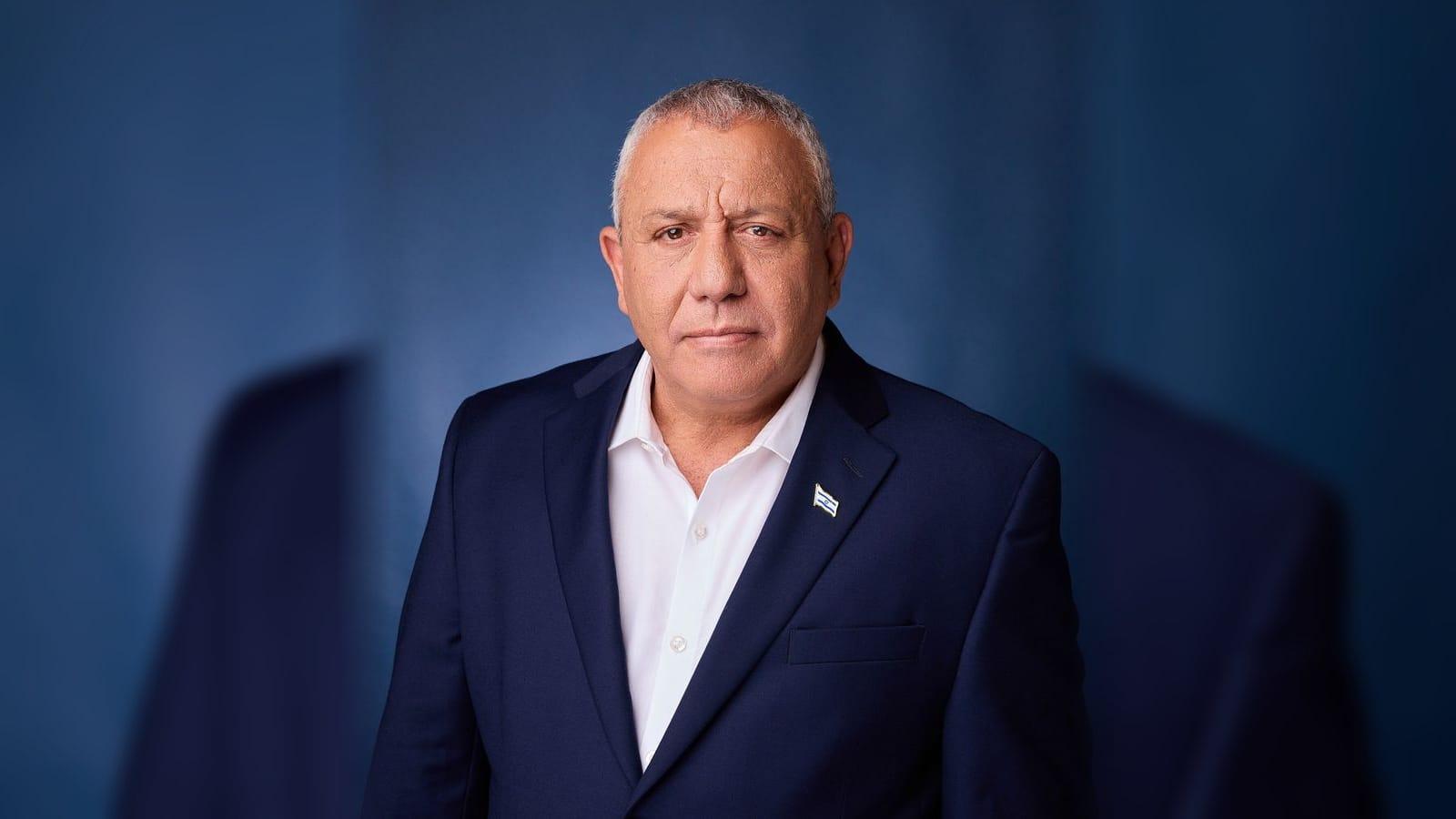
צילום ארכיון
הכתבה הבאה פוליטיקה
חוק ההגנה על מניחי תפילין עבר בטרומית 44-0, גוש איזנקוט החרים את ההצבעה
Likud's response
Likud said that despite the reported plan, a meeting would still go ahead on Sunday, according to Ynet. The brief report did not detail who would attend or what would be discussed, though it came in the context of the unity talks Eisenkot is pursuing.
Where the two reports differ in emphasis
The two accounts describe the same plan but frame it differently. The Times of Israel highlighted that the vote would take place without a guaranteed majority. Ynet's account places more weight on the expectation that Ra'am's outside support would carry the proposed emergency government, while also making clear that this rests on an assumption rather than an agreement. Neither report quotes Eisenkot directly, and both describe his intentions rather than a decision he has announced.
What the reports do not say
Neither report says whether Ra'am has agreed to support an Eisenkot government from outside, or whether it has been approached at all. Neither gives the date on which the mandate expires, a vote count for the proposed government, or a response from the Haredi parties. Lieberman's own reasons for opposing the plan are not set out, and it is not reported whether Eisenkot has made his argument to him yet. Likud's statement about Sunday's meeting does not say what, if anything, it expects that meeting to achieve.
אנשים בכתבה: גדי איזנקוט, בנימין נתניהו, אביגדור ליברמן
להמשך קריאה
למדור פוליטיקה →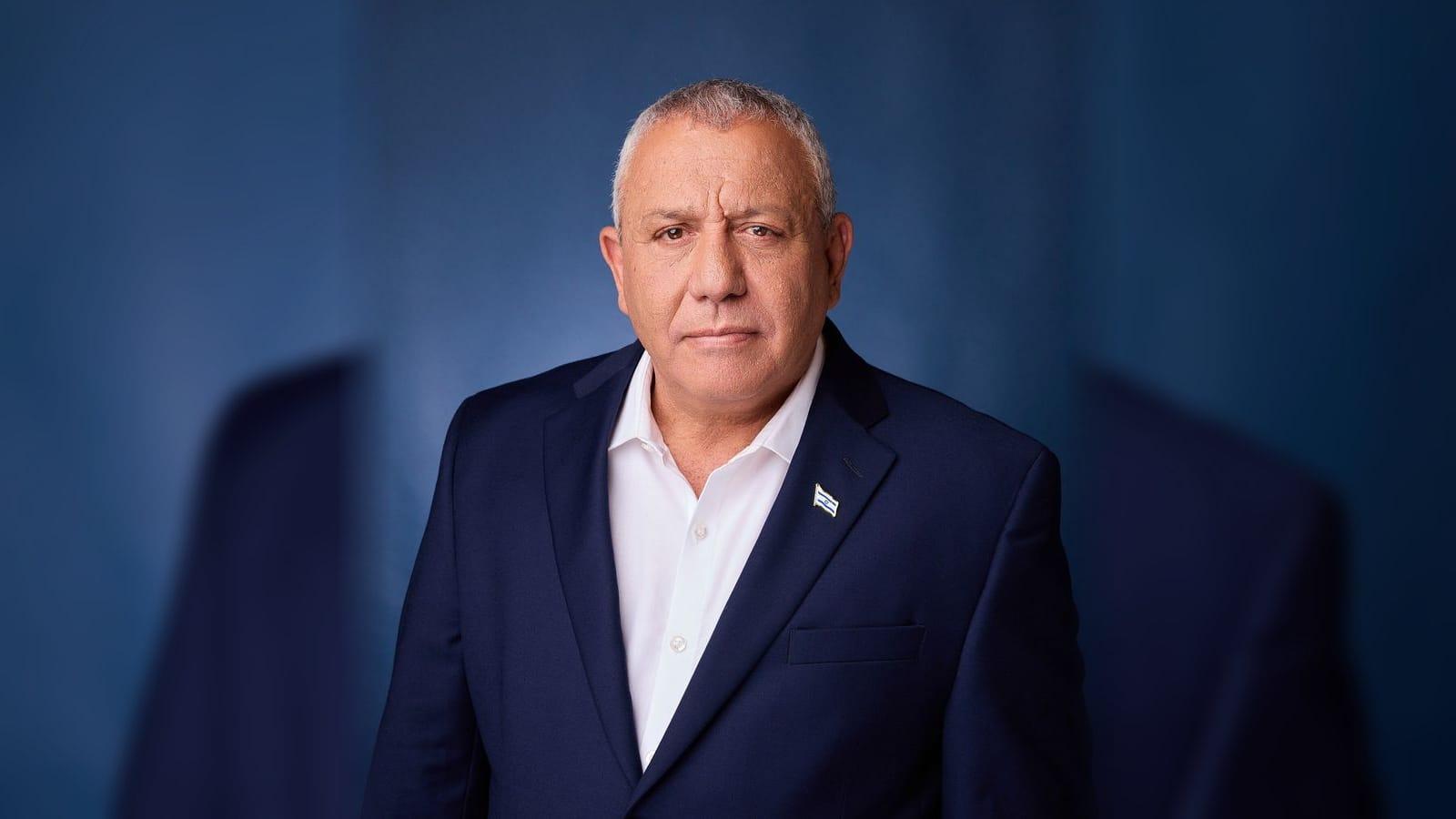
צילום ארכיון
פוליטיקה
איזנקוט מאשים את נתניהו בעיכוב כינוס ועדת החוץ והביטחון

צילום ארכיון
פוליטיקה
איזנקוט גינה את שער "עולם קטן" שלועג ליו"ר הכנסת מתן כהנא

צילום ארכיון
בחירות
כהנא נבחר ליו"ר הכנסת ברוב של 66 מול 52, הליכוד מגנה וגוש איזנקוט חוגג
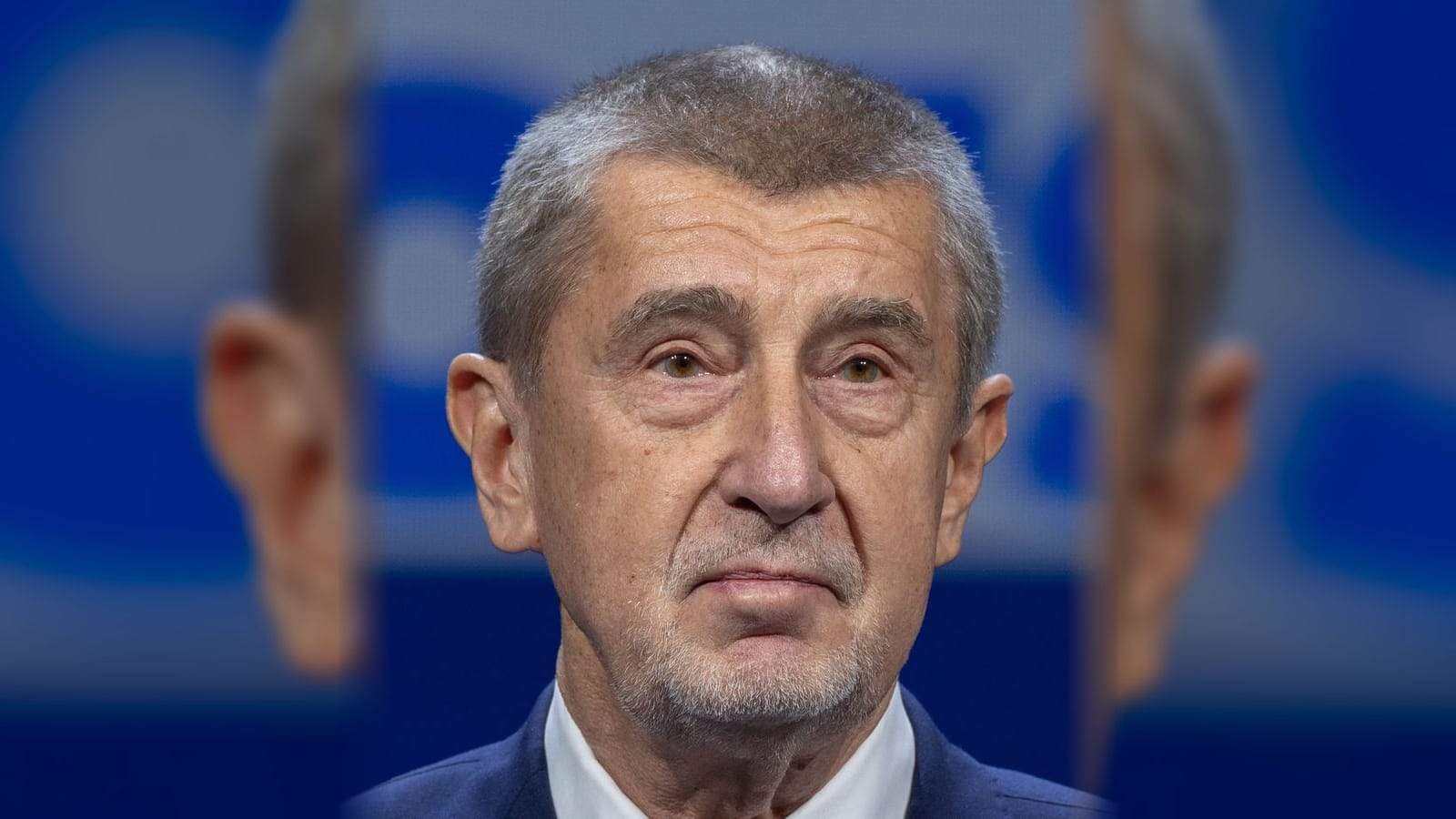
צילום ארכיון
בחירות
ראש ממשלת צ'כיה באביש נפגש בכנסת עם גדי איזנקוט לבקשת פראג
מקורות וקריאה נוספת
פתחנו ובדקנו כל קישור כאן בזמן כתיבת העמוד. הודעות רשמיות מסומנות ככאלה: זו הגרסה של הגורם עצמו, לא גרסה עצמאית.
- כתבותyediothynet.co.ilYnet
- כתבותtoitimesofisrael.comThe Times of Israel
איך בדקנו את זה
The plan was reported by Ynet and by The Times of Israel, which cited Hebrew media reports. Details on Ra'am's expected support, Lieberman's opposition and Likud's response come from Ynet alone, and none of the plan has been confirmed by Eisenkot on the record.
מדיניות המקורות והתיקונים שלנו →השבוע בישראל, במייל אחד
הכתבות החשובות, עם מקורות ואחרי בדיקה של מערכת Israel.com. חינם, פעם בשבוע, ואפשר להפסיק בלחיצה אחת.
רשימה אחת, הסרה בלחיצה. הפרטים במדיניות הפרטיות שלנו.

Israel.com נשאר חינמי בזכות קוראים כמוך.
מערכת החדשות של Israel.com בודקת כל ידיעה מול המקורות שלה ומפרסמת אותה בחינם. אם הידיעה עזרה לך, תמיכה בכל סכום שומרת גם את הבאה חינמית.
תשלום אחד, בלי הרשמה. סכום אחרתמיכה חודשית
הכתבות האחרונות

איור

איור
איור
איור

איור

איור
משפט ופלילים
בן 23 נפצע קשה מפציעות חודרות באירוע אלים בסכנין