Israeli jets hit former Hezbollah missile site at Janta in Beqaa Valley
The IDF says it struck the entrances of a Hezbollah weapons production and storage site in eastern Lebanon to stop the group from restoring it.
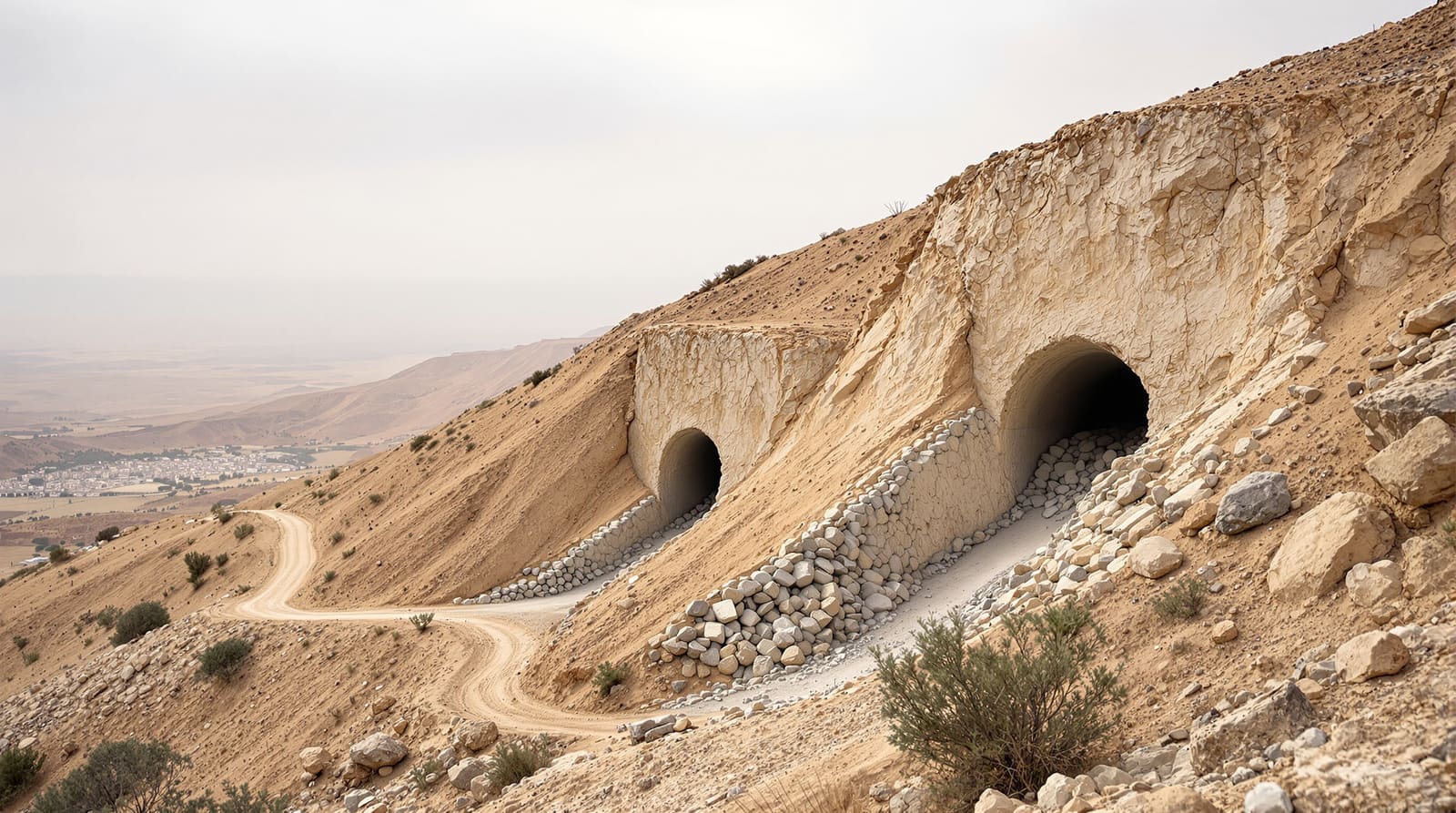
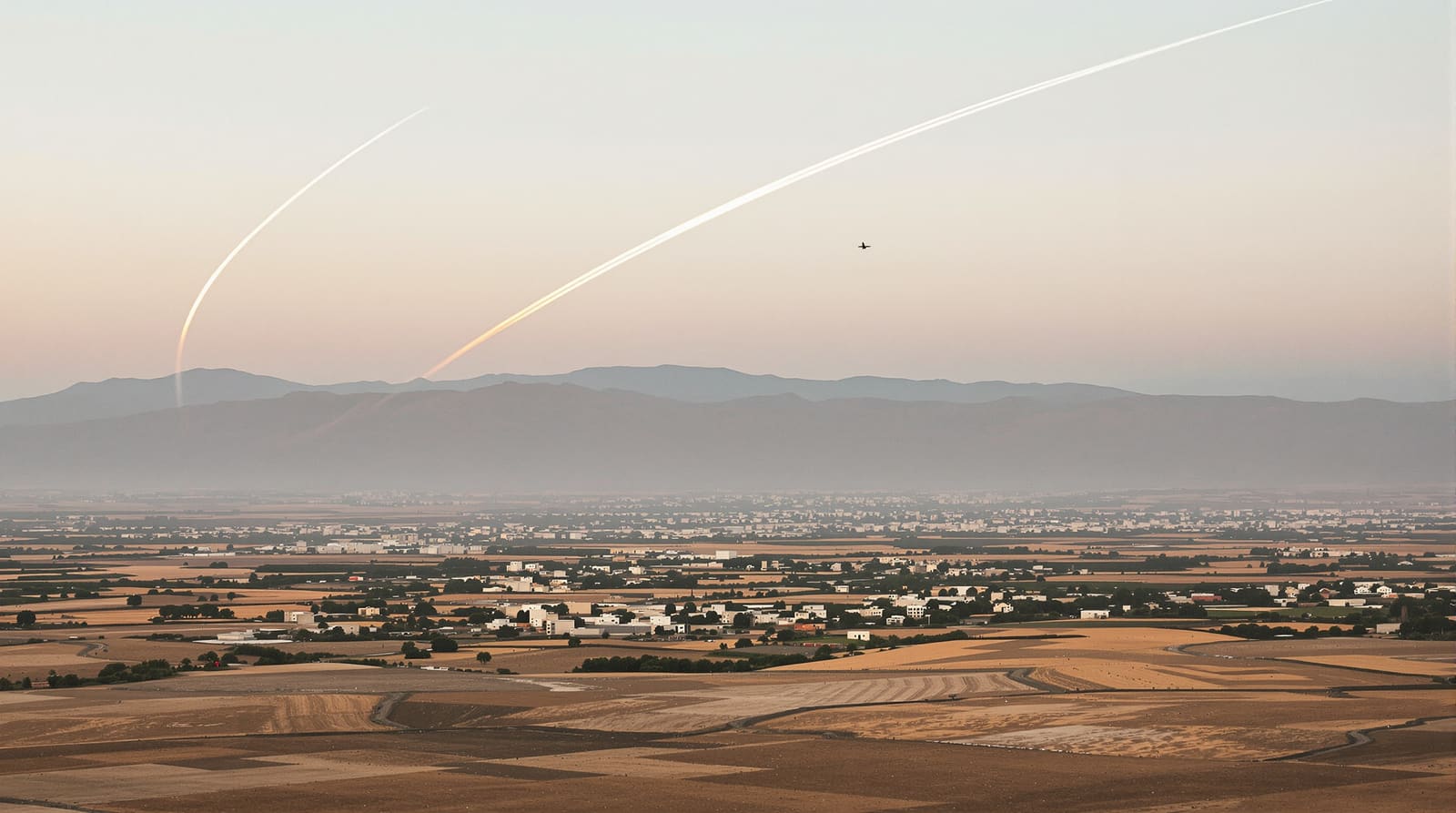
איור שנוצר בבינה מלאכותית, לא צילום של האירועים.
הכתבה המלאה עדיין לא נכתבה בעברית, ולכן היא מובאת כאן באנגלית.
The Israeli Air Force struck a site in the Janta area of Lebanon's Beqaa Valley that Hezbollah had used to produce missiles and store weapons, according to a statement from the Israel Defense Forces (IDF) spokesperson. The military said the site had been hit several times during the war, and that it acted after identifying Hezbollah operatives who had recently returned there.
The IDF said it targeted the entrances to the site with the aim of preventing it from being rebuilt. Lebanese media had reported Israeli airstrikes in the area before the Israeli military commented, and those early accounts named several locations in the east of the valley rather than a single target.
What the IDF says it hit
In its statement, the military described the strike as based on "precise intelligence" and called the target a site that was "previously used" by Hezbollah, which Israel designates a terrorist organisation. The wording matters: the IDF did not claim the site was producing weapons at the time of the strike. Its stated reason was that Hezbollah members had been seen arriving there, and that hitting the entrances would block efforts to restore the facility.
Nitzan Shapira, a correspondent for the Israeli television news outlet N12, relayed the same account, describing it as a further strike in the Beqaa and noting that the site had been attacked repeatedly over the course of the war.
Where Janta and the Beqaa Valley are
The Beqaa Valley runs through eastern Lebanon, well away from the southern border area with Israel that draws most of the attention in coverage of Israel and Hezbollah. Abu Ali Express, an Israeli Telegram channel that tracks Arab media, placed the strikes near the villages of Janta and Nabi Sheet, close to the border between Lebanon and Syria. That proximity to Syria is part of why the region features in Israeli reporting about weapons moving to Hezbollah.
השבוע בישראל בחמש ידיעות, בכל יום שישי
מקורות ובדיקה של מערכת Israel.com, עם זמני השבת. חינם, ואפשר להפסיק בלחיצה אחת.
רשימה אחת, הסרה בלחיצה. הפרטים במדיניות הפרטיות שלנו.
Israeli outlets citing Lebanese sources listed several place names. Emanuel Fabian, military correspondent for The Times of Israel, wrote that Lebanese media reported strikes in the eastern Beqaa, with the al-Sha'ra area reportedly hit. News.co.il named al-Sha'ra, Janta, Yahfoufa and Nabi Sheet as the areas where Hezbollah targets were struck, describing them as deep inside Lebanon.
How many strikes
Reports relaying Lebanese sources gave different counts. News.co.il said those sources described 4 strikes in the eastern part of the valley. Abu Ali Express put the figure at 6 strikes by Israeli fighter jets. The IDF statement refers to a strike on one site and does not give a number of munitions or sorties, so the gap between the Lebanese-sourced figures is unresolved.
איור
הכתבה הבאה ביטחון
פלסטיני מהבקעה נעצר לאחר שבביתו נמצאה מפה מסווגת של עוטף עזה
An earlier strike in the same area
Abu Ali Express also reported that the IDF had struck the same location three days earlier, the first attack there in three months, in order to stop a truck carrying smuggled weapons intended for Hezbollah. That earlier strike and its purpose are described only by this one channel in the material available, and the IDF statement on the latest strike does not mention it. The Hebrew abbreviation used in that report, often transliterated as amlach, refers to weapons and military equipment.
How the news emerged
As is common with Israeli action in Lebanon, the first word came from Lebanese reports picked up by Israeli outlets. Ynet, the news site of the Yedioth Ahronoth group, carried an alert about a strike in the Beqaa, and The Times of Israel's live blog noted that Lebanese outlets were reporting Israeli airstrikes. The IDF spokesperson's statement followed, confirming an operation and setting out the military's rationale.
What the reports do not say
None of the reports give any information on casualties or damage beyond the IDF's description of hitting the site's entrances. There is no reported response from Hezbollah or from the Lebanese government in the material. The IDF did not say how many Hezbollah members it identified at the site or what they were doing there. It is also not clear whether all the villages named by Lebanese sources, including Yahfoufa and al-Sha'ra, were targeted as part of this operation, or why counts of 4 and 6 strikes circulated.
אנשים בכתבה: ניצן שפירא
להמשך קריאה
למדור ביטחון →
מקורות וקריאה נוספת
פתחנו ובדקנו כל קישור כאן בזמן כתיבת העמוד. הודעות רשמיות מסומנות ככאלה: זו הגרסה של הגורם עצמו, לא גרסה עצמאית.
- רשמיidft.meIDF spokesperson
- כתבותyediotht.meYnet alerts
- כתבותtoitimesofisrael.comThe Times of Israel
- כתבותtoit.meEmanuel Fabian, Times of Israel military correspondent
- כתבותtoit.meEmanuel Fabian, Times of Israel military correspondent
- כתבותabualiexpresst.meAbu Ali Express
- כתבותnewssilt.meNews.co.il
- כתבותnewssilt.meNews.co.il
- כתבותkeshett.meN12
- כתבותkeshett.meN12
איך בדקנו את זה
The strike was confirmed by the IDF spokesperson and reported by N12, The Times of Israel, Ynet, News.co.il and Abu Ali Express, mostly citing Lebanese media. The strike counts and the account of an earlier strike on a weapons truck come from single outlets relaying Lebanese sources and have not been confirmed by the IDF.
מדיניות המקורות והתיקונים שלנו →השבוע בישראל, במייל אחד
הכתבות החשובות, עם מקורות ואחרי בדיקה של מערכת Israel.com. חינם, פעם בשבוע, ואפשר להפסיק בלחיצה אחת.
רשימה אחת, הסרה בלחיצה. הפרטים במדיניות הפרטיות שלנו.
הכתבות האחרונות

איור
איור
איור

צילום ארכיון

צילום ארכיון
איור