Almost a week into his mandate, Eisenkot says coalition talks are moving
Gadi Eisenkot says he is making progress toward a government he would lead, while reports describe only early contacts and low trust with the Haredi parties.
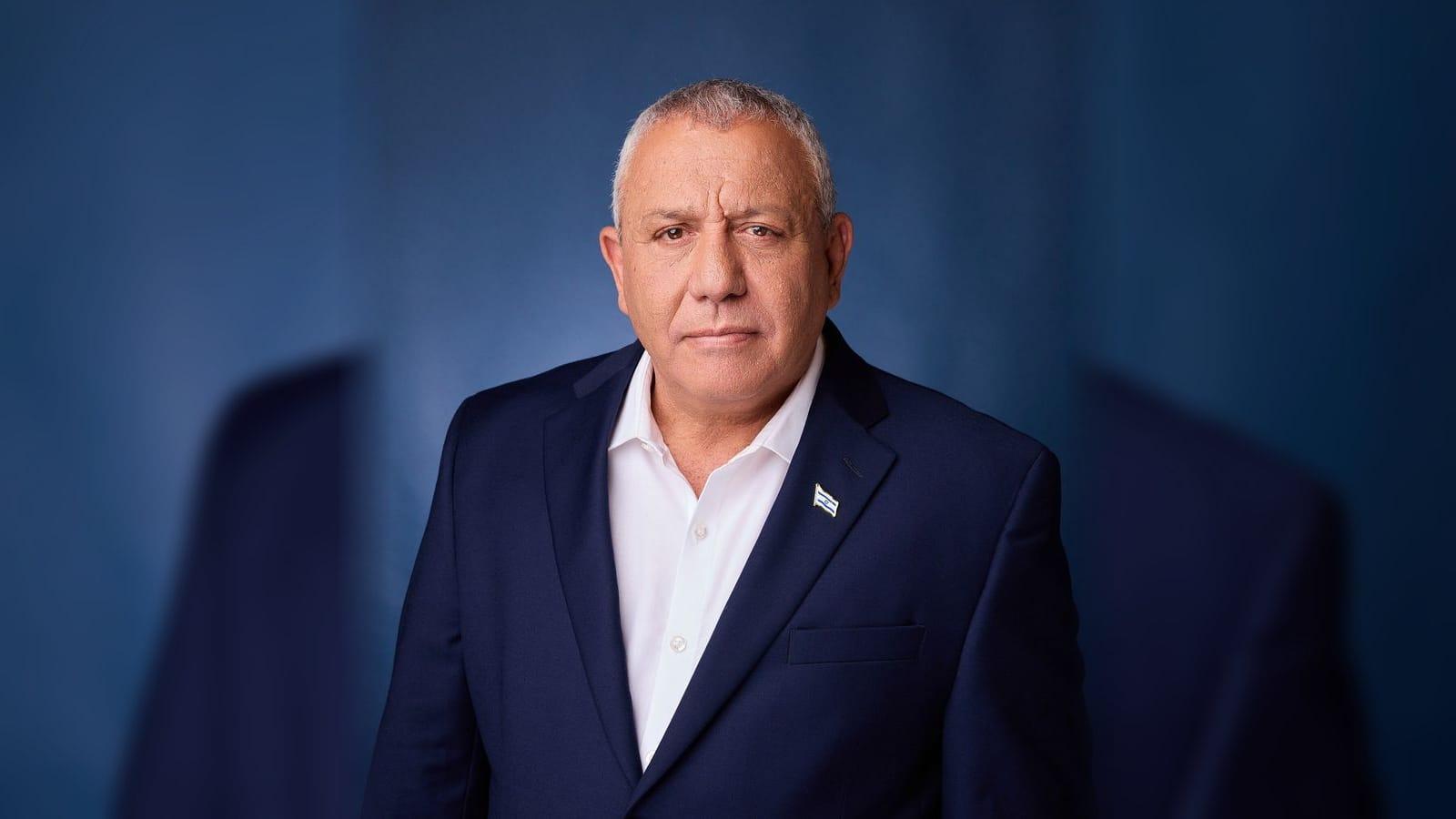
Gadi Eisenkot. צילום ארכיון: יהב טרודלר (Yahav Trudler - Yahav Studio), CC BY-SA 3.0, מתוך ויקישיתוף.
הכתבה המלאה עדיין לא נכתבה בעברית, ולכן היא מובאת כאן באנגלית.
Gadi Eisenkot, the leader of the Yashar! party, said on Friday that his efforts to assemble a governing coalition were advancing, close to a week after he was handed the mandate to form Israel's next government. In a statement circulated by the political commentator Amit Segal on Telegram, Eisenkot said talks with prospective partners were moving forward and that he would try every option to build a stable government under his own leadership, adding that there was no other alternative.
Other reporting painted a more tentative picture. Ynet reported that people within Eisenkot's bloc describe the contacts so far as no more than "initial feelers", and that Eisenkot has been running two tracks at once: coalition building on one side, and moves to secure control of the Knesset, Israel's parliament, on the other. According to Ynet, Eisenkot has said he will first set up an emergency government and then do everything he can to widen it.
מהשטח

Eisenkot vows to ‘leave no stone unturned’ to form new government A week after receiving the mandate from President Herzog, the Yashar! leader says coalition talks are advancing, condemns threats against his lawmakers and accuses ... ynetnews.com/article/bjq00l…

What the mandate means
After an Israeli general election, the president consults the parties elected to the Knesset and then assigns one member the task of forming a government. That person must assemble a coalition commanding a majority in the Knesset within a set period, which can be extended. If they fail, the mandate can pass to someone else. Holding the mandate therefore gives a candidate the first opportunity to build a government, but not a guarantee of one.
The current round follows the swearing-in of the 26th Knesset, which The Jerusalem Post noted took place on Tuesday. An opinion piece in that paper framed the contest between Eisenkot and Benjamin Netanyahu, the leader of the Likud party, as a game of political bluff, with the writer arguing that the outcome will turn on how much each side is willing to give up to reach a government.
The four principles and the 'emergency government'
In his statement, Eisenkot said he intended to leave no stone unturned and to speak with any elected official who accepts what he called the four principles, with the aim of forming a stable government quickly. He described this as the demand of the moment and the mandate voters had given him, and warned it would be "a bitter mistake" not to act in this way. The reports do not set out what those four principles are.
מייל ביום שבו תושבע הממשלה החדשה.
המגעים להרכבת הקואליציה יכולים להימשך שבועות. כשהממשלה החדשה מושבעת, מערכת החדשות של Israel.com שולחת במייל מי עומד בראשה, אילו מפלגות נכללות בה ומי קיבל איזה תיק, ואחר כך את המייל של יום שישי בכל שבוע. חינם, וההסרה בלחיצה אחת.
רשימה אחת, הסרה בלחיצה. הפרטים במדיניות הפרטיות שלנו.
His stated approach, as described by Ynet, is to establish an emergency government first and broaden it afterwards. Eisenkot himself framed the method as consolidating existing partnerships while expanding the range of options.
Contacts with the Haredi parties
A central question is the position of the Haredi, or ultra-Orthodox, parties, which have often been decisive in forming Israeli coalitions. Dafna Liel, the political correspondent of N12, the news arm of Israel's Channel 12, reported that what she called the change bloc, the camp opposed to Netanyahu, is holding informal negotiations with the Haredi parties. She said there are gaps in trust between the two sides, each of which is wary of falling into a political trap.
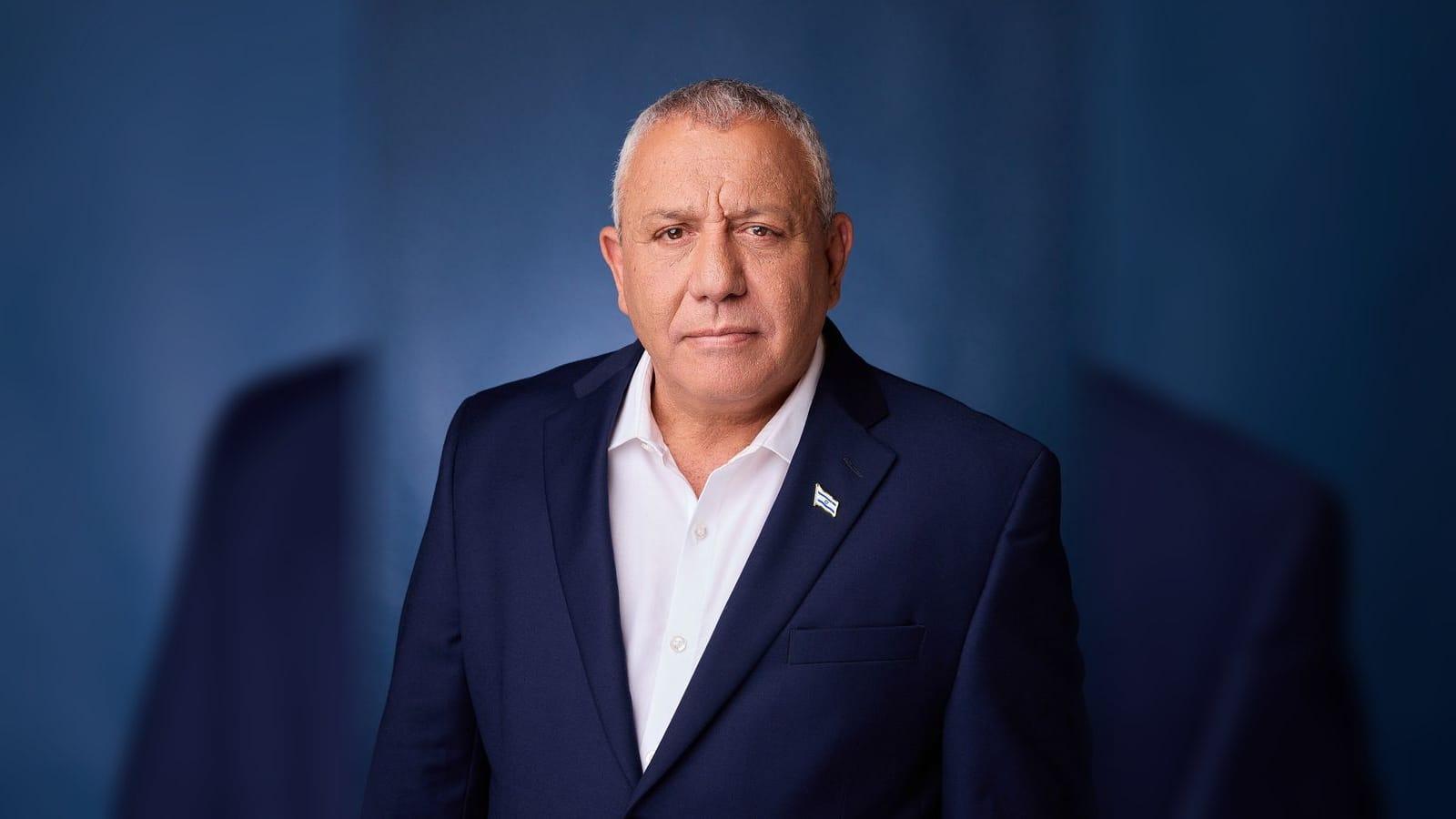
צילום ארכיון
הכתבה הבאה פוליטיקה
איזנקוט אומר שהמגעים הקואליציוניים מתקדמים, שבוע אחרי שקיבל את המנדט
Ynet similarly reported concern that the talks with the Haredi parties could be exposed publicly, which may explain why they are being conducted informally.
Outreach to Likud and Religious Zionism
According to Liel, Eisenkot will also try to invite the various parties to join a government under him, and is expected to call in Likud and Religious Zionism, a right-wing party aligned with Netanyahu, for meetings. Neither party's response to such an invitation has been reported.
The Netanyahu meeting
Eisenkot and Netanyahu recently met, and Ynet raised the question of whether a joint announcement the two issued pointed to any chance of a unity government. N12 suggested it did not. Liel reported that the meeting did not necessarily bring the two men closer to political partnership, and quoted a source in Yashar! telling Channel 12 that it had not altered Eisenkot's view that Netanyahu should be removed as soon as possible.
Where the accounts differ
The reports do not fully agree on how far the talks have come. Eisenkot describes progress with partners. Ynet quotes people in his own bloc describing only preliminary contacts. N12 describes informal talks with the Haredi parties held back by mutual distrust. Readers should treat the state of the negotiations as unsettled.
What the reports do not say
None of the reports spells out the four principles Eisenkot has made a condition for joining his government, or the wording of his joint announcement with Netanyahu. There is no reported response from the Haredi parties, Likud or Religious Zionism to Eisenkot's outreach, and Ynet does not detail what his moves regarding control of the Knesset involve in practice.
להמשך קריאה
למדור פוליטיקה →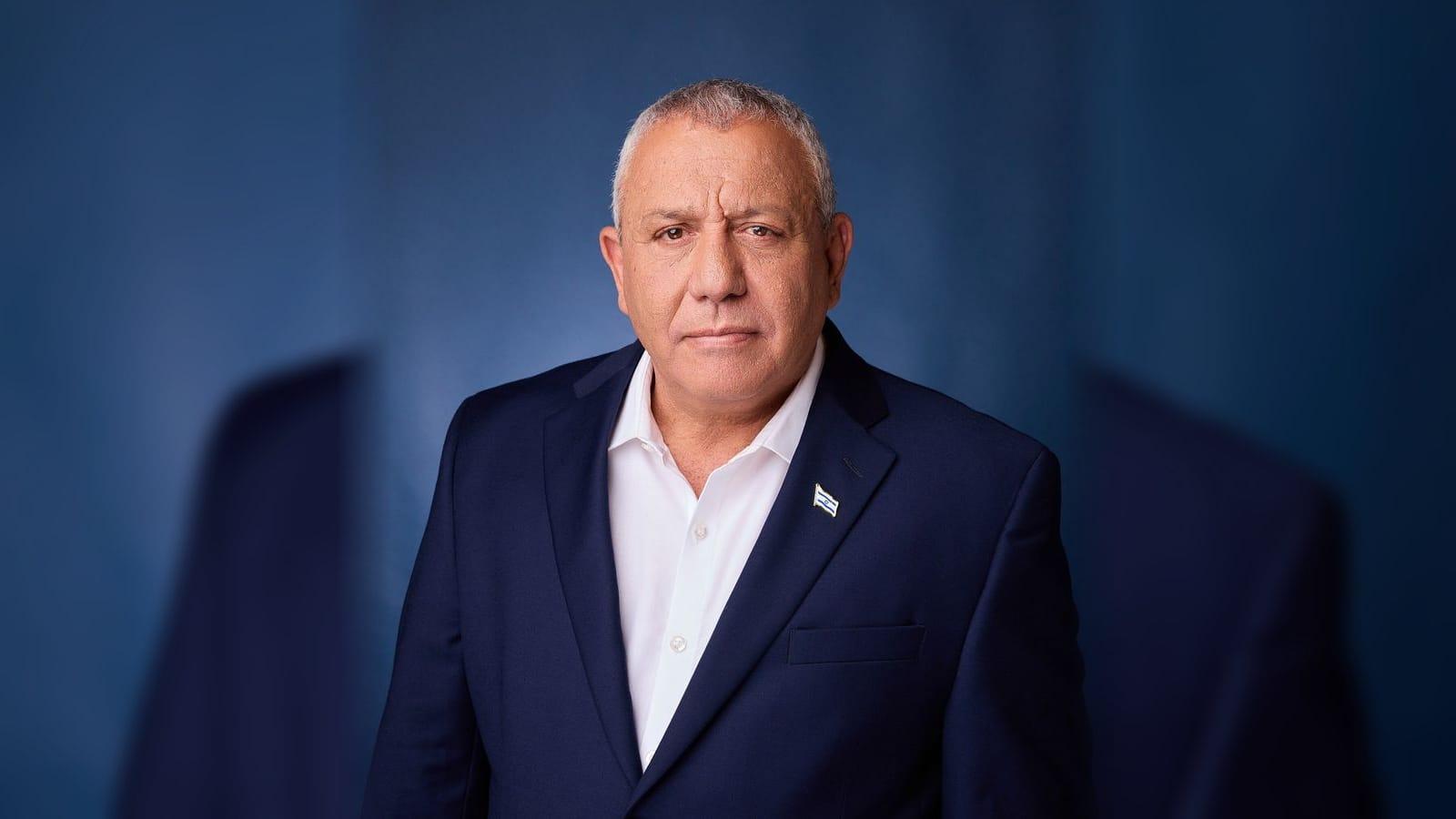
צילום ארכיון
פוליטיקה
איזנקוט מגבה את ח"כ אליסף פרץ ומאשים את נתניהו בקמפיין גזעני נגד הערבים
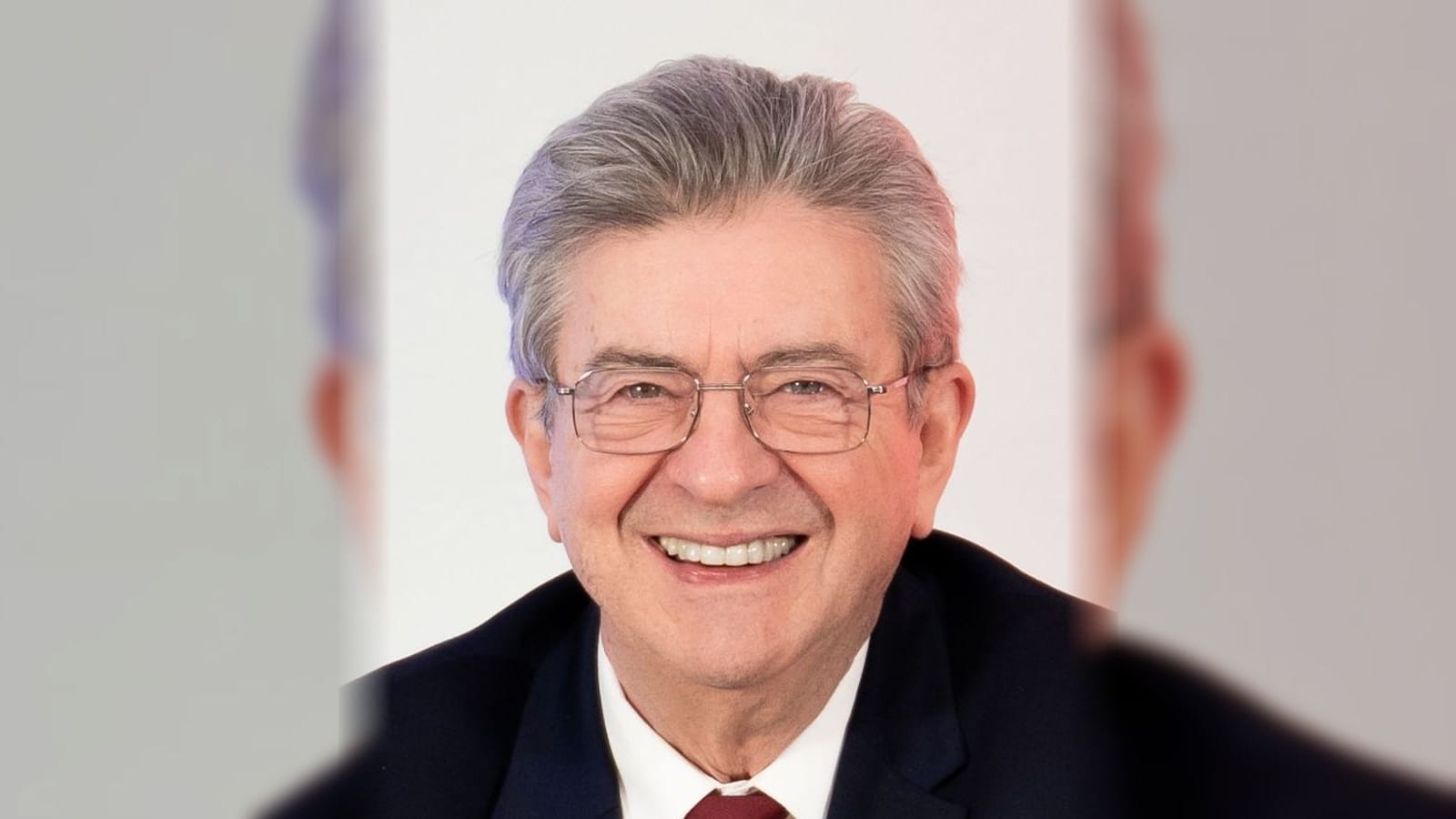
צילום ארכיון
פוליטיקה
שר החוץ של צרפת: ההחלטה למנוע ממלנשון להיכנס לישראל "דמגוגית"

איור
פוליטיקה
סבא"א לא יכולה לשלול שאיראן הסיטה חומר גרעיני
צילום ארכיון
פוליטיקה
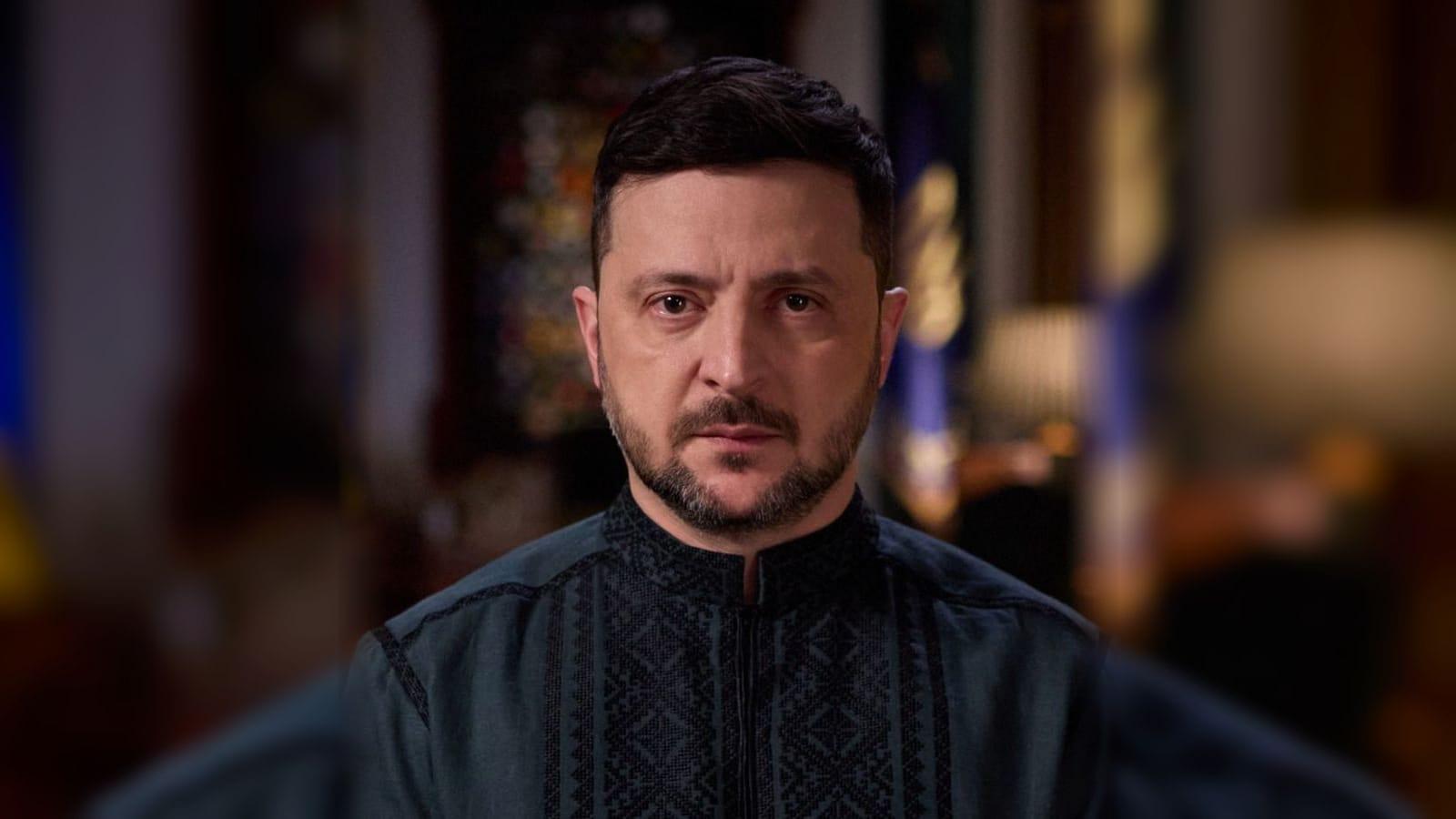
זלנסקי בירך על צירוף נציגים אירופים לסבב השיחות הבא עם רוסיה, והמגעים לעסקת שבויים נמשכים
מקורות וקריאה נוספת
פתחנו ובדקנו כל קישור כאן בזמן כתיבת העמוד. הודעות רשמיות מסומנות ככאלה: זו הגרסה של הגורם עצמו, לא גרסה עצמאית.
- כתבותyediothynet.co.ilYnet
- כתבותjpostjpost.comThe Jerusalem Post
- כתבותamitsegalt.meAmit Segal
- כתבותkeshett.meN12
- כתבותkeshett.meN12
איך בדקנו את זה
The account of the negotiations draws on reporting by Ynet, N12 and The Jerusalem Post, and on Eisenkot's own statement as circulated by Amit Segal. The quote about Netanyahu comes from a single unnamed Yashar! source cited by N12, and The Jerusalem Post item is an opinion piece.
מדיניות המקורות והתיקונים שלנו →השבוע בישראל, במייל אחד
הכתבות החשובות, עם מקורות ואחרי בדיקה של מערכת Israel.com. חינם, פעם בשבוע, ואפשר להפסיק בלחיצה אחת.
רשימה אחת, הסרה בלחיצה. הפרטים במדיניות הפרטיות שלנו.

Israel.com נשאר חינמי בזכות קוראים כמוך.
מערכת החדשות של Israel.com בודקת כל ידיעה מול המקורות שלה ומפרסמת אותה בחינם. אם הידיעה עזרה לך, תמיכה בכל סכום שומרת גם את הבאה חינמית.
תשלום אחד, בלי הרשמה. סכום אחרתמיכה חודשית
הכתבות האחרונות

איור
צילום ארכיון

איור

איור
צילום ארכיון
צילום ארכיון