Haredi parties push bills to halt draft arrests until a new government forms
Shas and United Torah Judaism bills to stop arrests of yeshiva students face a Knesset vote, a move Ynet links to Netanyahu's bid to block an Eisenkot-backed government.

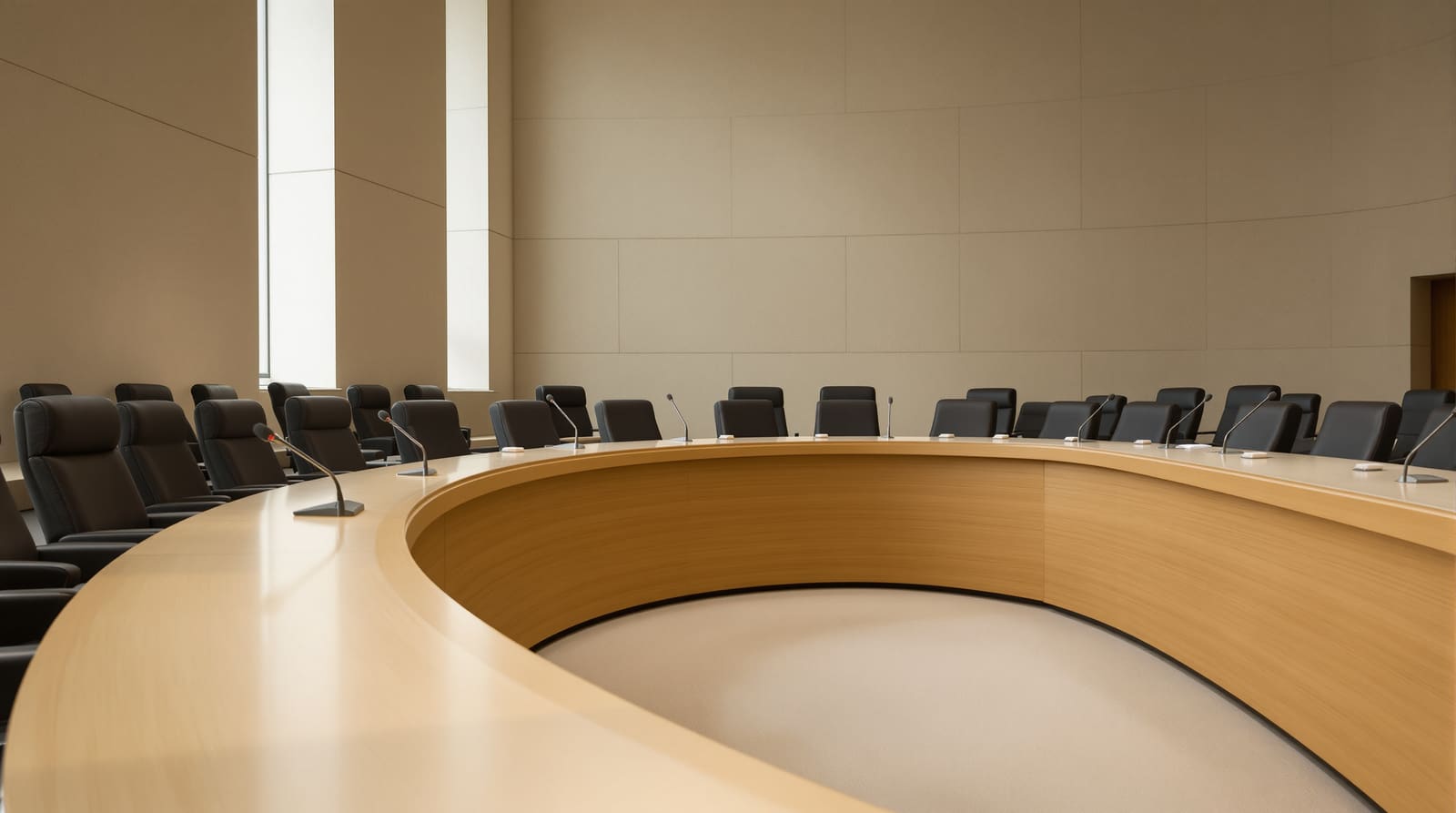
איור שנוצר בבינה מלאכותית, לא צילום של האירועים.
הכתבה המלאה עדיין לא נכתבה בעברית, ולכן היא מובאת כאן באנגלית.
Israel's two ultra-Orthodox (Haredi) parties, Shas and United Torah Judaism, plan to bring legislation to a parliamentary vote this week that would stop the arrest of yeshiva students who are due to be drafted into the army. Ynet reported that the effort has the backing of the bloc led by Prime Minister Benjamin Netanyahu, and that the freeze would remain in place until a new government is formed.
According to Ynet, the move is part of a strategy by Netanyahu to drive a wedge between the Haredi parties and the opposing camp, known in Israeli politics as the "change bloc", and so to prevent the formation of a government involving Gadi Eisenkot that would rely on Haredi support. Ynet said the opposition, which it described as divided, will have to decide how to respond. News.co.il reported that bills from Knesset members Meir Porush and Yinon Azoulay are scheduled for a preliminary reading on Wednesday.
Two bills with different scope
The reports describe more than one proposal, and the details differ between them. N12 political correspondent Eli Hirshman reported that Porush and fellow United Torah Judaism lawmaker Stark have tabled a bill to freeze arrests. Under that proposal, enforcement would be suspended for one year, and it would apply only to Haredi men classed as deserters who declare that they are studying in a yeshiva. Hirshman wrote that in practice this would amount to a one-year exemption from military service.
The Shas proposal, by Hirshman's account, is narrower in time: it would halt arrests only until a new government takes office. Hirshman's description of the Shas bill was revised several times on N12's channel. An early version said it would stop enforcement in general; the final edited version said it would stop arrests alone until a new government is formed. Readers should treat the precise wording of the Shas bill as not yet settled in the reporting.
There is also a difference over who is sponsoring what. News.co.il names Porush and Azoulay as the authors of the bills going to a vote, while N12 names Porush and Stark as the sponsors of the United Torah Judaism bill. Azoulay is a Shas lawmaker, so the two accounts may be describing the separate bills of each party, but none of the reports spells this out.
השבוע בישראל בחמש ידיעות, בכל יום שישי
מקורות ובדיקה של מערכת Israel.com, עם זמני השבת. חינם, ואפשר להפסיק בלחיצה אחת.
רשימה אחת, הסרה בלחיצה. הפרטים במדיניות הפרטיות שלנו.
What a preliminary reading is
The Knesset is Israel's parliament. A bill proposed by an individual lawmaker, rather than by the government, must first pass a preliminary reading: a vote on whether the idea should go forward at all. If it passes, the bill goes to a committee and then faces three further readings before it becomes law. Passing a preliminary reading therefore does not change the law, but it does force every faction to record a position.
The draft dispute behind the bills
Haredi parties represent Israel's ultra-Orthodox community, many of whose young men study full time in yeshivas, religious seminaries devoted to Torah study. Military service is compulsory for most Jewish Israelis, and the question of whether yeshiva students should be conscripted has been one of the most divisive issues in Israeli politics for decades. Haredi men who do not report for service when called up are treated as deserters, and the reports refer to arrests of such men by the authorities. The bills discussed here are aimed at stopping those arrests.

איור
הכתבה הבאה משפט ופלילים
הכנסת תצביע ביום רביעי על ועדת חקירה ל-7 באוקטובר ועל מעצרי חרדים שלא התגייסו
For the Haredi parties, halting the arrests is a central demand. That is what makes the bills politically useful in the way Ynet describes: a vote on them asks parties on the other side whether they are willing to support the Haredi position in order to keep the Haredi parties open to a future partnership.
Why the timing matters
The phrase "until a new government is formed" places the debate in a period of coalition building, when no new government has yet taken office. In Israel, a government needs the backing of a majority in the Knesset, and parties negotiate over policy demands to assemble one. Gadi Eisenkot, a former military chief of staff, is an opposition figure, and Ynet's reporting indicates that a government in which he takes part could depend on Haredi support.
According to Ynet's analysis, the vote is designed to put the change bloc in a difficult position. If opposition parties back the bills, they would be voting to suspend enforcement of the draft, a position many of their voters oppose. If they vote against, they risk alienating the Haredi parties whose support they may need. Ynet attributed this strategy to Netanyahu; the other reports do not discuss the political motive.
What the reports do not say
None of the reports gives a response from Eisenkot, from other opposition parties or from the army. They do not say how the parties in the Netanyahu bloc will vote beyond Ynet's report of their support, and they do not say whether the two bills will be voted on separately or merged. The final text of the Shas bill, which N12 revised several times, has not been published in the material.
אנשים בכתבה: בנימין נתניהו, גדי איזנקוט, מאיר פרוש
להמשך קריאה
למדור משפט ופלילים →



אפשר לראות את Israel.com ראשון בכתבות המובילות של Google.הוספה כמקור מועדף ב־Google
מקורות וקריאה נוספת
פתחנו ובדקנו כל קישור כאן בזמן כתיבת העמוד. הודעות רשמיות מסומנות ככאלה: זו הגרסה של הגורם עצמו, לא גרסה עצמאית.
איך בדקנו את זה
The planned bills were reported by Ynet, News.co.il and N12. The claim that the move is a Netanyahu strategy to block a government involving Gadi Eisenkot comes from Ynet alone, and N12's description of the Shas bill was edited several times.
מדיניות המקורות והתיקונים שלנו →השבוע בישראל, במייל אחד
הכתבות החשובות, עם מקורות ואחרי בדיקה של מערכת Israel.com. חינם, פעם בשבוע, ואפשר להפסיק בלחיצה אחת.
רשימה אחת, הסרה בלחיצה. הפרטים במדיניות הפרטיות שלנו.
הכתבות האחרונות

איור

איור
איור

איור

איור

צילום ארכיון