IDF chief Eyal Zamir visits wounded soldiers at Sheba before Rosh Hashanah
The military said Lieutenant General Eyal Zamir met wounded troops, including commanders, at Sheba Medical Center at Tel Hashomer in the days before the Jewish new year.
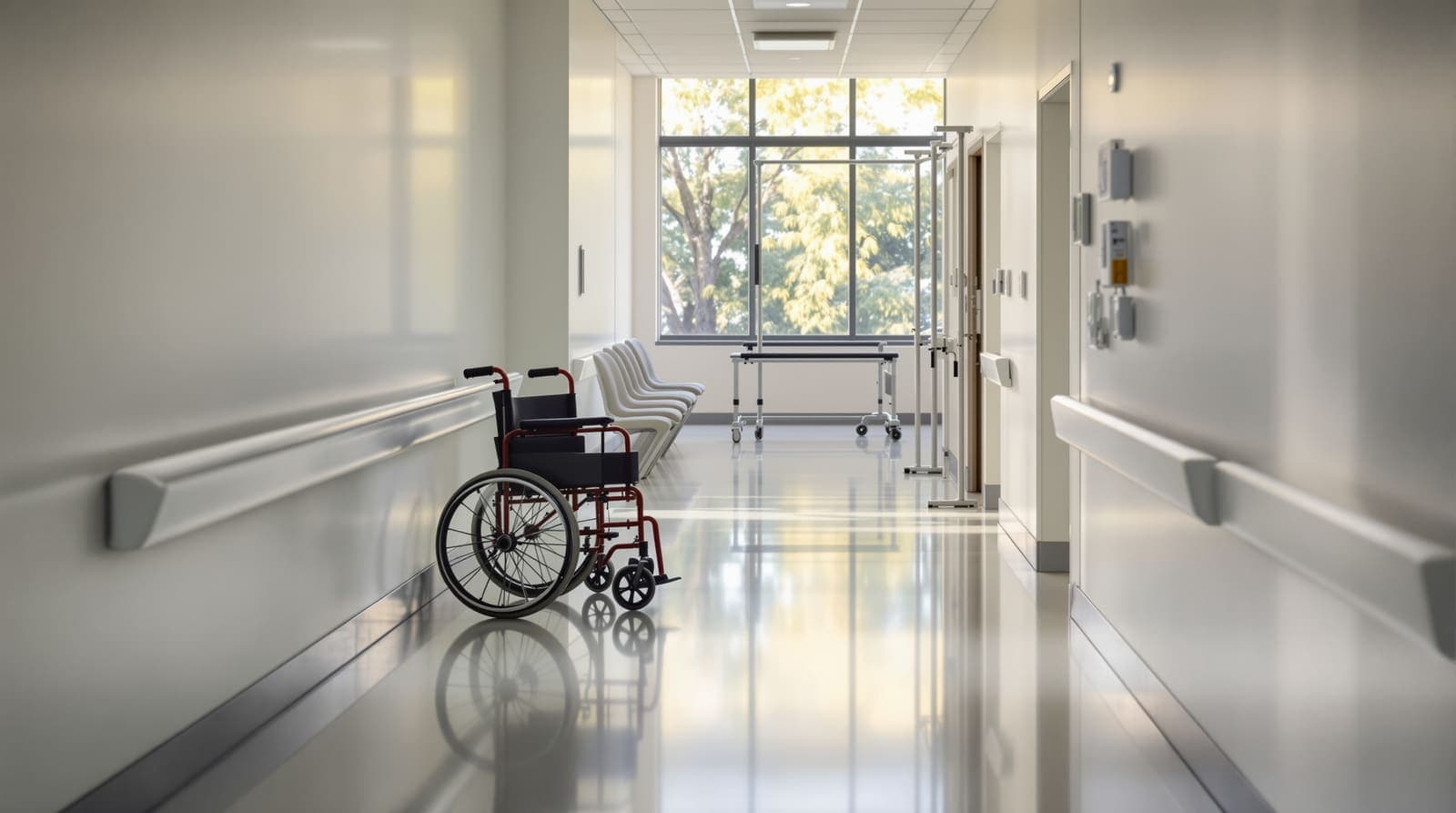
איור
הכתבה המלאה עדיין לא נכתבה בעברית, ולכן היא מובאת כאן באנגלית.
Israel's most senior serving officer visited wounded soldiers in hospital in the days before Rosh Hashanah, the Jewish new year, the military said. According to a statement from the Israel Defense Forces spokesperson, the Chief of the General Staff, Lieutenant General Eyal Zamir, went to Sheba Medical Center at Tel Hashomer, where he met wounded troops, among them commanders.
The statement quoted Zamir addressing the soldiers he met about their service and their recovery. "There are troops here who stood on the front lines, led, and risked their lives in combat against the enemy," he said, describing that as bravery in battle. He went on to tell them that recovering from their injuries was itself "an operation that requires further bravery." The military's account of the visit, distributed on its official Telegram channel, is brief and does not describe the visit beyond the meeting and the remarks.
מהשטח

IDF Chief of Staff Lt. Gen. Eyal Zamir announces that the military will soon inaugurate a new "unmanned systems and artificial intelligence" branch. "The battlefield is changing at a dizzying pace, and we are changing with it. We understand that the future includes unmanned Show more

Who the Chief of the General Staff is
The Chief of the General Staff, known in Hebrew as the Ramatkal, is the commander of the Israel Defense Forces and the country's highest-ranking soldier, appointed by the government and reporting to the defence minister. The role combines operational command with a highly public function inside Israeli society, where military service is compulsory for most Jewish citizens and the army is closely tied to civilian life. Visits by the chief of staff to hospitals, bases and bereaved families are a routine and heavily publicised part of the job, particularly around the Jewish holidays.
Lieutenant General Eyal Zamir holds the post. His rank, rav aluf in Hebrew, is the only three-star rank in the Israeli military and is held by one officer at a time.
Where the visit took place
Sheba Medical Center at Tel Hashomer is one of Israel's largest hospitals, located in Ramat Gan in the Tel Aviv metropolitan area. It sits on a site that also houses a military base, and it has a long-standing role in treating wounded soldiers, including rehabilitation for orthopaedic and neurological injuries. Because of that role, it is a frequent destination for official visits to the wounded.
The military statement names the hospital as the location and says the chief of staff met wounded IDF troops there, including commanders. It does not say which units the soldiers came from, where they were wounded, or when.
Why Rosh Hashanah matters here
Rosh Hashanah is the Jewish new year and the start of the High Holy Days, a period of reflection that culminates in Yom Kippur. It is a family-centred holiday marked with festive meals, synagogue attendance and the sounding of the shofar, a ram's horn. In Israel it is a public holiday, and for soldiers on active duty and for wounded troops in hospital it is one of the points in the calendar when absence from home is most visible.
For that reason, the period before the holiday has become a fixed slot in the Israeli official calendar for visits to hospitals, military positions and bereaved families by the president, the prime minister, the defence minister and the chief of staff. The IDF spokesperson framed this visit in exactly those terms, presenting it as taking place ahead of the holiday.
How this fits what is already known
The Israeli military publishes short items of this kind through the IDF spokesperson, the unit responsible for the army's public communications, and distributes them in Hebrew and English on social platforms including Telegram. Such items are official announcements rather than independent reporting, and they carry the military's own selection of detail and its own framing.
In this case the material available is a single official notice. The language Zamir used, drawing a line between combat and rehabilitation and describing both as requiring bravery, addresses the population of wounded soldiers in long-term recovery, a group whose numbers and needs have been a subject of sustained public attention in Israel. The statement itself does not discuss the wider rehabilitation system or offer any figures.
What the statement does not say
The IDF spokesperson's notice is short, and several basic points are left open. It does not say how many wounded soldiers Zamir met, name any of them, or identify their units or ranks beyond noting that commanders were among them. It does not describe the nature or severity of their injuries, or say where or in what circumstances they were wounded.
The statement also does not say who accompanied the chief of staff, whether he met medical staff or families, or how long the visit lasted. The published text of the remarks is partial, so it is not clear whether Zamir said more than the sentences the military released. No other organisation's account of the visit is available in the material reviewed here, so every detail above rests on the military's own description. Israel.com has not independently confirmed the visit or the wording of the remarks.
מקורות וקריאה נוספת
פתחנו ובדקנו כל קישור כאן בזמן כתיבת העמוד. הודעות רשמיות מסומנות ככאלה: זו הגרסה של הגורם עצמו, לא גרסה עצמאית.
- רשמיidft.meIDF spokesperson
איך בדקנו את זה
The visit and the quoted remarks come from a single official source, a statement by the IDF spokesperson published on the military's Telegram channel; no independent account was available and Israel.com has not verified the details separately.
תיאור האירוע עצמו נשען על ההודעה הרשמית ולא אומת באופן עצמאי על ידי Israel.com. במקום שבו ההודעה שותקת, העמוד הזה אומר זאת במקום למלא את החסר.
מדיניות המקורות והתיקונים שלנו →השבוע מישראל, במייל אחד
הכתבות שהיו חשובות, עם מקורות ובדיקה של מערכת Israel.com. חינם, פעם בשבוע, הסרה בלחיצה אחת.
רשימה אחת, הסרה בלחיצה. קראו את מדיניות הפרטיות שלנו.
עוד במדור ביטחון
למדור ביטחון →

הכתבות האחרונות
- טראמפ נשא דברים בלי קול אחרי שהרשתות באמריקה השביתו את סיקור הפול
- תקלה בכבל סיבים אופטיים שיבשה טיסות בחוף המזרחי של ארה"ב
- רשתות הטלוויזיה בארה"ב השביתו את מאגר הכתבים בבית הלבן, טראמפ נשא דברים בלי קול
- צה"ל תקף מטרות חמאס בעזה אחרי שכלי הנדסי נפגע ממטען
- ארה"ב נערכת להטיל סנקציות שיחסמו את בית הדין בהאג מעסקאות בדולרים
- כלי הנדסי של צה"ל נפגע ממטען סמוך לקו הצהוב ברצועה