Iran says two supertankers caught fire on a banned route through Hormuz
Iran's Revolutionary Guards say two tankers carrying over four million barrels of oil were disabled and set ablaze, the latest in a run of such announcements.
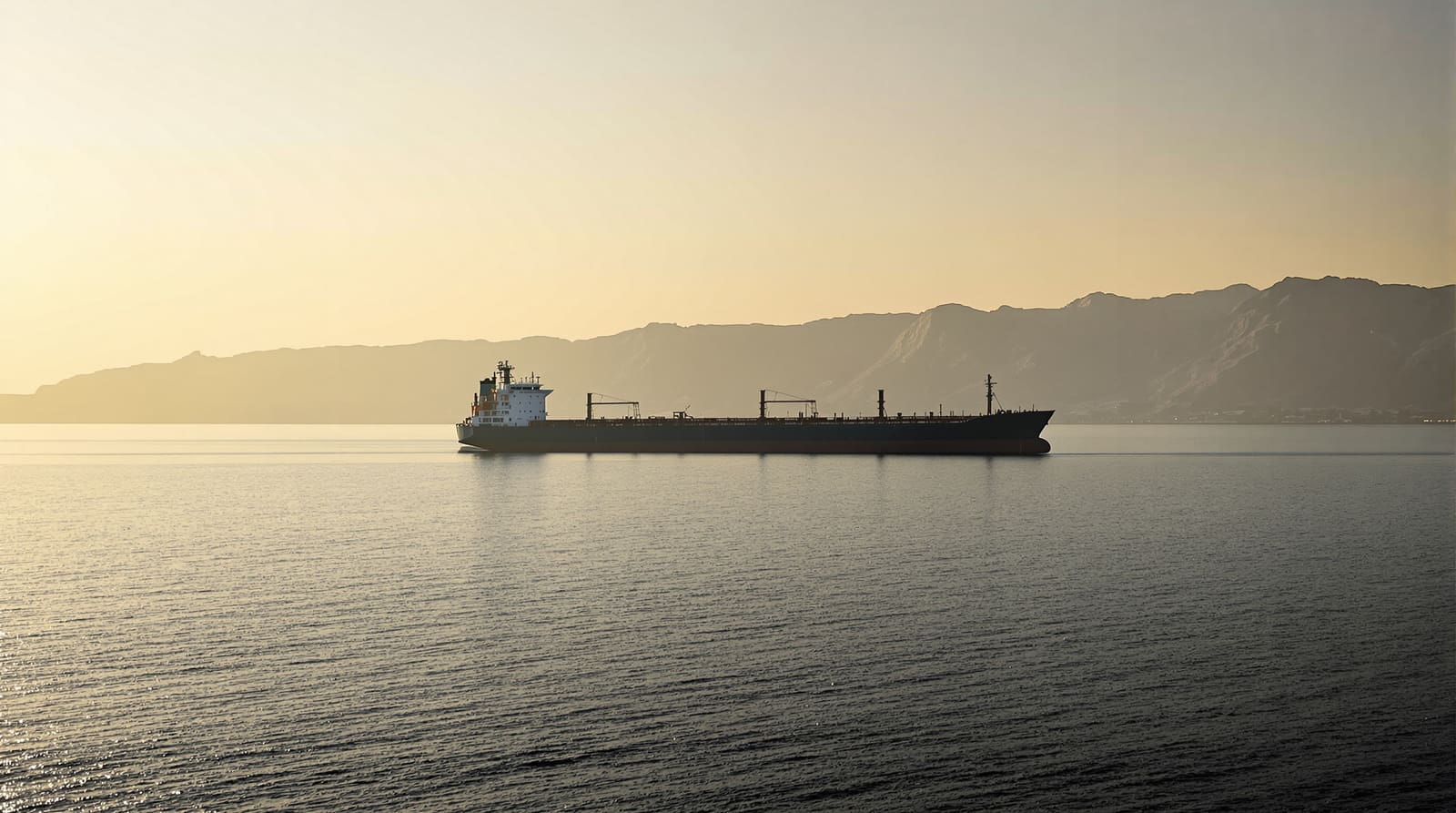
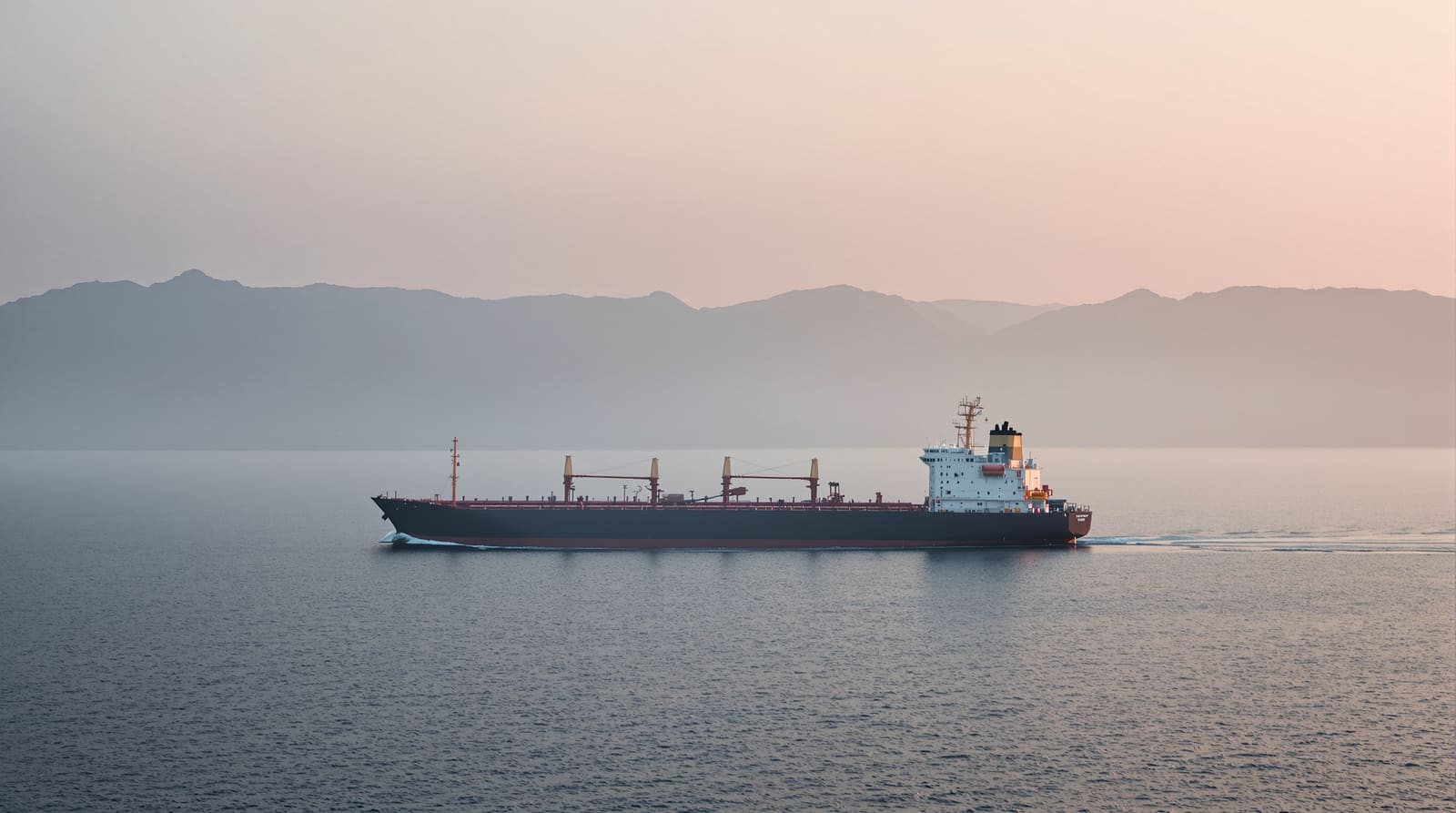
איור שנוצר בבינה מלאכותית, לא צילום של האירועים.
הכתבה המלאה עדיין לא נכתבה בעברית, ולכן היא מובאת כאן באנגלית.
Iran's Islamic Revolutionary Guard Corps (IRGC) has said that two oil tankers were immobilised and caught fire after an explosion in the Strait of Hormuz, as they sailed a route that Tehran had declared off-limits. According to The Times of Israel, the IRGC statement put the combined cargo of the two vessels at over four million barrels of oil, and said that oil was now burning.
The Guards described the incident as an "accident" and said it happened overnight, but did not explain what caused the blast. The Israeli news site Ynet, in a brief alert, reported Iran as saying that the 2 tankers had ignored warnings and were knocked out of action by powerful explosions. Neither report identified the ships, their owners, their flags or their crews.
What the IRGC statement says
In the statement as reported by The Times of Israel, the IRGC said the two vessels were breaking regulations and had received repeated warnings from the Revolutionary Guards Navy that the southern shipping route through the strait was unauthorised and dangerous. The Guards said the tankers were crossing this prohibited path when the incident occurred, and that a "violent explosion" left them unable to move.
The statement also carried a political message. It called the two ships "supertankers" and said the fire was a result of the "blind trust" their operators had placed in what the IRGC called the aggressive American military. The statement did not say whether any people were hurt, and it offered no evidence for its account of the warnings.
Who the Revolutionary Guards are
The IRGC is a branch of Iran's armed forces that operates separately from the regular military and answers to the country's supreme leader. It runs its own naval force, which patrols the Gulf waters near Iran's coast and has long been the arm of the Iranian state most directly involved in confrontations with commercial shipping and Western navies in the area. Statements issued by the Guards are official Iranian positions, but they are claims by one party to a dispute rather than independent findings.
השבוע בישראל בחמש ידיעות, בכל יום שישי
מקורות ובדיקה של מערכת Israel.com, עם זמני השבת. חינם, ואפשר להפסיק בלחיצה אחת.
רשימה אחת, הסרה בלחיצה. הפרטים במדיניות הפרטיות שלנו.
Why the Strait of Hormuz matters
The Strait of Hormuz is the narrow sea passage between Iran to the north and the Arabian Peninsula to the south, linking the Persian Gulf with the open ocean. Tankers carrying oil from Gulf producers must pass through it to reach world markets, which makes any disruption there a concern for energy prices and for the governments whose navies operate in the region. Iran's claim to be able to declare parts of the waterway prohibited, and to warn ships away from a southern route, is at the centre of this incident.
A pattern of similar announcements
This is not the first such claim. The Times of Israel noted that Iranian forces have announced several times in recent weeks that ships trying to use routes Tehran regards as forbidden had caught fire. In earlier cases, Iran frequently said the vessels had hit mines.

צילום ארכיון
הכתבה הבאה ביטחון
That explanation is disputed. The United States military recently said that all mines had been removed from the strait, according to the same report. In this latest statement, the IRGC did not repeat the mine explanation and gave no cause at all, describing the event only as an accident followed by an explosion.
Where the reports differ
The two reports present Iran's account in slightly different terms. The Ynet alert speaks of explosions in the plural and of tankers being disabled, while The Times of Israel, quoting the statement at greater length, refers to a single violent explosion and to the vessels being immobilised and ablaze. Ynet's headline framing stresses that the ships ignored warnings; the IRGC wording reported by The Times of Israel frames the incident as an accident on a banned route. Both reports attribute everything to Iranian sources.
What the reports do not say
- The names, ownership and flag states of the two tankers have not been reported, and no shipping company has commented.
- There is no information on the crews or on whether anyone was injured or killed.
- The cause of the explosion is unexplained: Iran calls it an accident without saying what happened, and no independent account has been reported.
- No response from the United States military or from any Gulf government has been reported.
- The claim that the ships were warned repeatedly rests on the IRGC statement alone.
להמשך קריאה
למדור ביטחון →
מקורות וקריאה נוספת
פתחנו ובדקנו כל קישור כאן בזמן כתיבת העמוד. הודעות רשמיות מסומנות ככאלה: זו הגרסה של הגורם עצמו, לא גרסה עצמאית.
- כתבותyediotht.meYnet alerts
- כתבותtoitimesofisrael.comThe Times of Israel
איך בדקנו את זה
The incident is reported by Ynet and The Times of Israel, but both relay a single source: a statement from Iran's Islamic Revolutionary Guard Corps. The fire, the cargo figure and the warnings have not been independently confirmed.
מדיניות המקורות והתיקונים שלנו →השבוע בישראל, במייל אחד
הכתבות החשובות, עם מקורות ואחרי בדיקה של מערכת Israel.com. חינם, פעם בשבוע, ואפשר להפסיק בלחיצה אחת.
רשימה אחת, הסרה בלחיצה. הפרטים במדיניות הפרטיות שלנו.
הכתבות האחרונות

איור
איור

צילום ארכיון
איור

צילום ארכיון
איור