Knesset committee approves 9 deputy speakers, including Tibi and Bismuth
The Knesset Arrangements Committee met to name 9 deputies to the Speaker, a step that lets the plenum be chaired when the Speaker is absent.
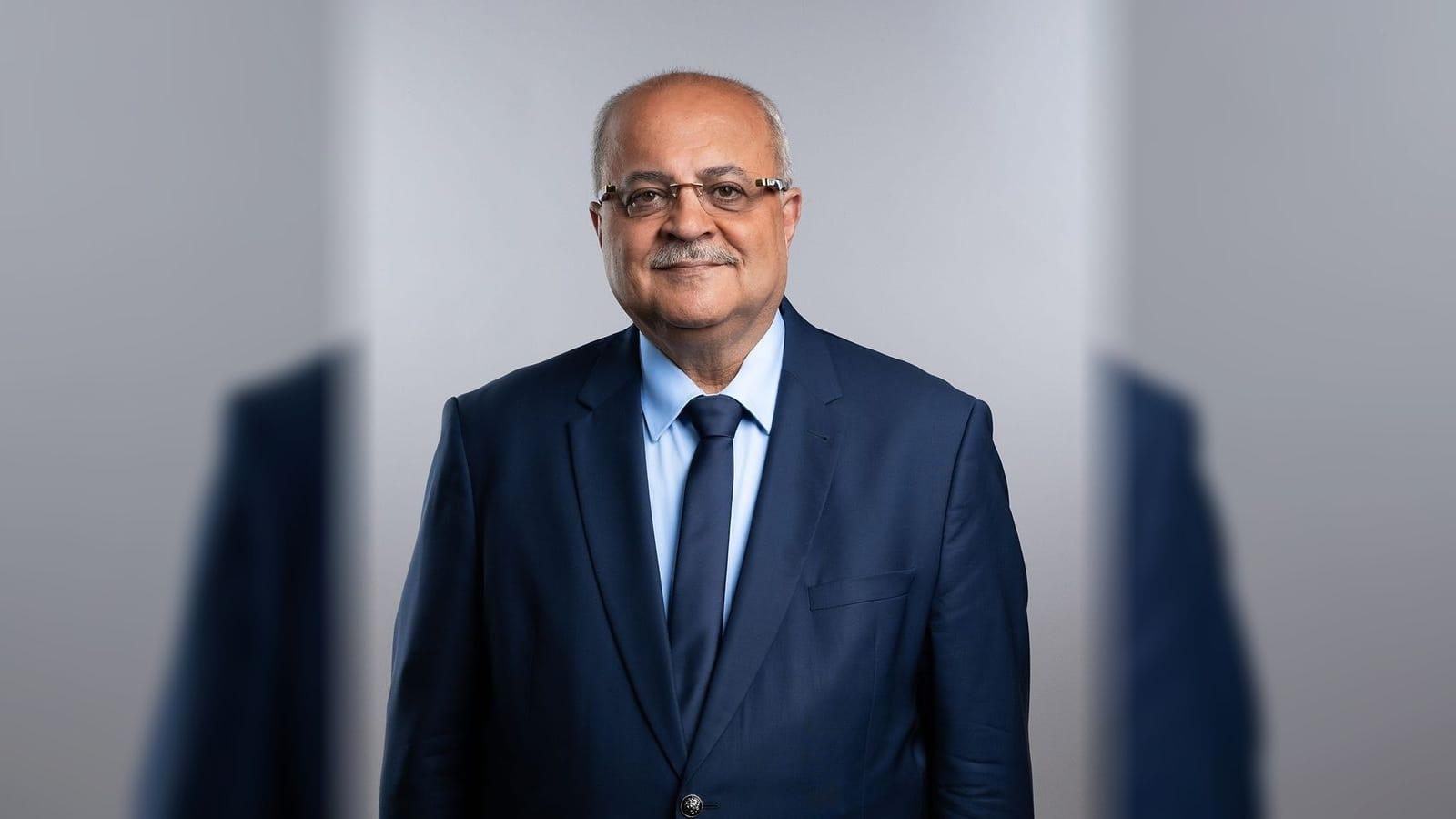
Ahmad Tibi. צילום ארכיון: ורד ג'ראיסי, CC BY-SA 3.0, מתוך ויקישיתוף.
הכתבה המלאה עדיין לא נכתבה בעברית, ולכן היא מובאת כאן באנגלית.
The Knesset's Arrangements Committee met to consider appointing 9 temporary deputies to the Speaker of the Knesset, according to a news alert from Ynet. The Knesset is Israel's parliament, and the deputy speakers help run its sessions.
Later the same morning, N12 correspondent Dafna Liel reported that the appointments had been approved and listed the lawmakers chosen: Eitan Ginzburg, Ahmad Tibi, Yair "Yaya" Fink, Limor Son Har-Melech, Walid Taha, Michael Malchieli, Yitzhak Pindrus, Oded Forer and Boaz Bismuth. N12 reissued the same post in edited form moments later; the list of names did not change between the two versions.
מהשטח

BREAKING: The chairman of Israel’s Joint List party, Ahmed Tibi, has been elected deputy speaker of the Knesset aje.news/zz4mvf

What the Arrangements Committee is
The Arrangements Committee, known in Hebrew as HaVaada HaMesaderet, is a temporary body. It is generally formed when a new Knesset term opens, before the parliament's permanent standing committees have been set up, and it handles the organisational business needed to get the chamber working. That business typically includes deciding how committee seats are divided and dealing with posts inside the Knesset's own leadership, such as the deputies to the Speaker.
Because its role is transitional, decisions taken through the Arrangements Committee are often described as provisional, pending the full structure of the new parliament being put in place. Ynet's description of the deputies as temporary fits that pattern.
What deputy speakers do
The Speaker of the Knesset presides over sessions of the plenum, the full chamber where laws are debated and voted on. Deputy speakers take the chair when the Speaker is not present, keeping order during debates, calling on members to speak and conducting votes. Together with the Speaker they form the Knesset presidium, which also deals with procedural matters such as which motions and bills reach the floor.
מייל ביום שבו תושבע הממשלה החדשה.
המגעים להרכבת הקואליציה יכולים להימשך שבועות. כשהממשלה החדשה מושבעת, מערכת החדשות של Israel.com שולחת במייל מי עומד בראשה, אילו מפלגות נכללות בה ומי קיבל איזה תיק, ואחר כך את המייל של יום שישי בכל שבוע. חינם, וההסרה בלחיצה אחת.
רשימה אחת, הסרה בלחיצה. הפרטים במדיניות הפרטיות שלנו.
The post is largely procedural rather than political, but the presidium is usually drawn from across the chamber, so that factions of different sizes and outlooks have a member in the chair at various points. A slate of 9 deputies is therefore a way of giving many parliamentary groups a share of the presiding role.
The names on the list
N12's correspondent published the 9 names as a single list, each preceded by the Hebrew abbreviation for member of Knesset. The posts were the same in both versions of her message: the edit changed the wording of the sentence announcing the approval, not the line-up of lawmakers.
צילום ארכיון
הכתבה הבאה בחירות
The reports themselves do not give the party affiliation of any of the 9 lawmakers, and they do not say which faction or bloc each appointment is meant to represent in the current Knesset. They also do not say whether the list was agreed in advance between the coalition and the opposition.
Where the two outlets differ
The two organisations describe the event at different stages and in slightly different terms. Ynet reported only that the committee had convened to discuss the appointments, and it called the deputies temporary. N12's posts, published later in the morning, said the appointments had been approved but did not use the word temporary or say for how long the deputies would serve.
Nor do the reports say explicitly who gave the approval. Ynet places the discussion in the Arrangements Committee; N12's correspondent wrote that the appointments were approved without naming the body that approved them. It is possible that both describe the same decision, but the material does not state this directly.
What the reports do not say
Neither outlet reports whether the decision was taken by a vote in the committee, whether any member objected, or whether the appointments also require approval by the full Knesset plenum. The reports do not name the Speaker the deputies will serve under, do not explain how the 9 names were chosen, and do not say when permanent deputies, if any, are expected to be appointed in place of temporary ones. No statement from the Knesset itself or from any of the appointed lawmakers has been reported.
להמשך קריאה
למדור פוליטיקה →
צילום ארכיון
בחירות
הליכוד טוען שמפלגות איזנקוט, ליברמן ובנט הצביעו לצד טיבי ועבאס

צילום ארכיון
פוליטיקה
טראמפ, שי ופוטין ייפגשו ביום חמישי בשנז'ן לפסגה משולשת ראשונה

צילום ארכיון
פוליטיקה
איזנקוט בעיצומו של המשא ומתן הקואליציוני: נתניהו הוא איום על הדמוקרטיה

איור
פוליטיקה
יו"ר יהדות התורה יעקב אשר מכחיש "התקדמות דרמטית" במגעים עם גוש השינוי
מקורות וקריאה נוספת
פתחנו ובדקנו כל קישור כאן בזמן כתיבת העמוד. הודעות רשמיות מסומנות ככאלה: זו הגרסה של הגורם עצמו, לא גרסה עצמאית.
- כתבותyediotht.meYnet alerts
- כתבותkeshett.meN12
- כתבותkeshett.meN12
איך בדקנו את זה
The committee meeting was reported by Ynet and the approval and list of 9 names by N12, both in brief Telegram alerts. The names and the approval rest on N12's correspondent alone, and no official Knesset statement was in the material.
מדיניות המקורות והתיקונים שלנו →השבוע בישראל, במייל אחד
הכתבות החשובות, עם מקורות ואחרי בדיקה של מערכת Israel.com. חינם, פעם בשבוע, ואפשר להפסיק בלחיצה אחת.
רשימה אחת, הסרה בלחיצה. הפרטים במדיניות הפרטיות שלנו.

Israel.com נשאר חינמי בזכות קוראים כמוך.
מערכת החדשות של Israel.com בודקת כל ידיעה מול המקורות שלה ומפרסמת אותה בחינם. אם הידיעה עזרה לך, תמיכה בכל סכום שומרת גם את הבאה חינמית.
תשלום אחד, בלי הרשמה. סכום אחרתמיכה חודשית
הכתבות האחרונות

איור

צילום ארכיון
צילום ארכיון

איור

איור

צילום ארכיון