Saudi Arabia says it intercepted Houthi missiles, debris hit Riyadh area
Saudi authorities said they shot down missiles fired by Yemen's Houthis and acknowledged damage in the capital, according to two Israeli news outlets.

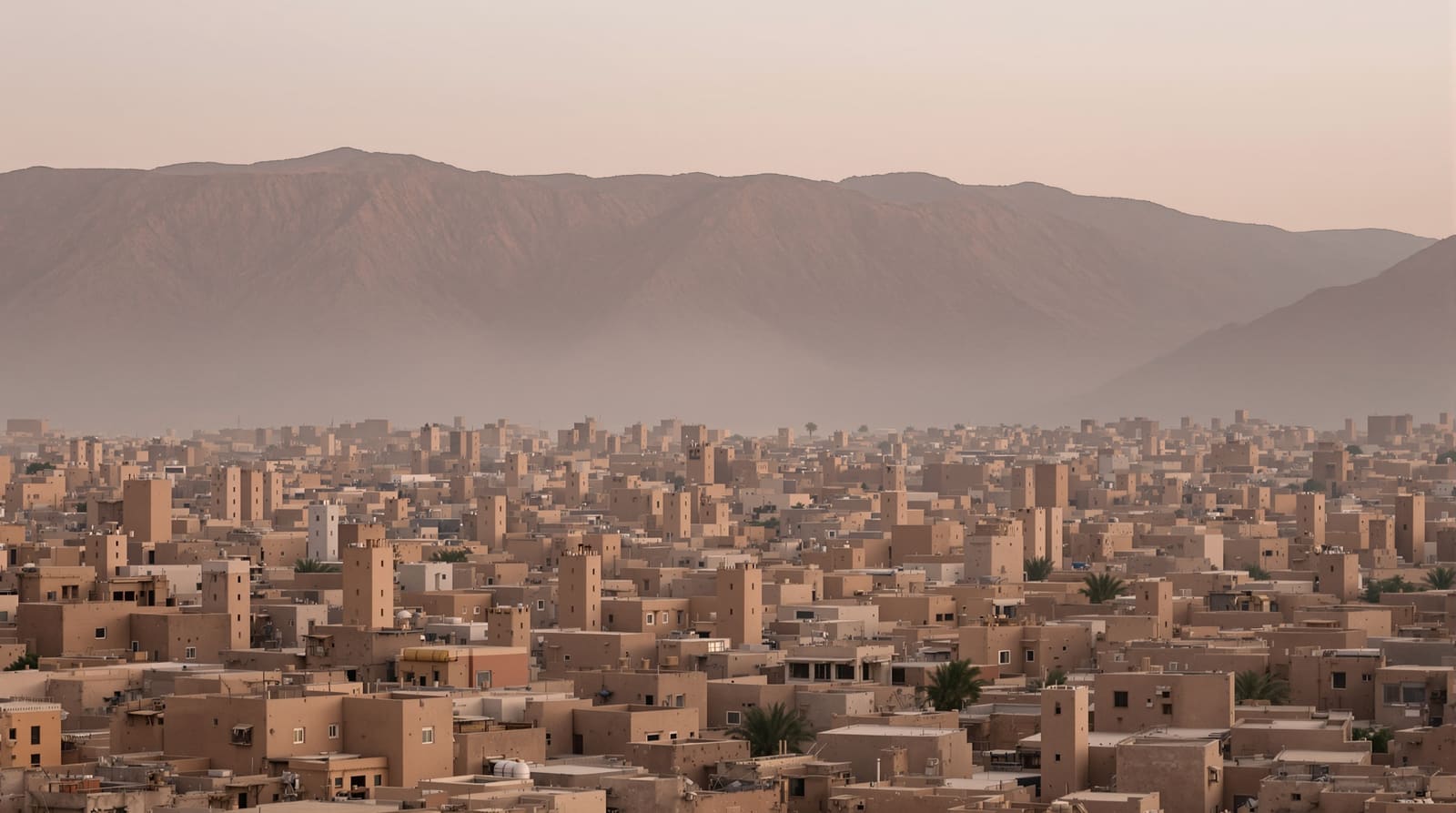
איור שנוצר בבינה מלאכותית, לא צילום של האירועים.
הכתבה המלאה עדיין לא נכתבה בעברית, ולכן היא מובאת כאן באנגלית.
Saudi Arabia said early in the morning that its air defences had intercepted missiles launched by the Houthi movement in Yemen, and that fragments from the interceptions came down in the area of the capital, Riyadh. The Saudi statement was relayed in a brief news alert from Ynet, the website of the Israeli daily Yedioth Ahronoth.
A separate report pointed to damage on the ground. Assaf Rosenzweig, writing on the news channel of N12, one of Israel's main television news services, said Saudi Arabia had announced that harm was caused in Riyadh as a result of a Houthi missile attack. Neither report described the nature or extent of that damage, and neither mentioned casualties.
Two short alerts, slightly different emphasis
Both Israeli outlets published their items within minutes of each other, and both attribute the information to Saudi Arabia rather than to their own reporting from the scene. They agree on the core facts: the missiles came from the Houthis, they were aimed at or reached the Riyadh area, and Saudi Arabia made a public statement about it.
The two accounts differ in what they stress. Ynet's version centres on a successful interception and says it was debris from that interception that fell in the Riyadh area. The N12 item does not mention interception at all and speaks only of damage in the capital following the attack. The reports do not make clear whether the damage Saudi Arabia acknowledged was caused by falling interceptor fragments, by parts of the incoming missiles, or by something else. Readers should treat the description of the cause as unsettled until a fuller Saudi statement is available.
Who the Houthis are
The Houthis, formally known as Ansar Allah, are an armed movement that controls the Yemeni capital, Sanaa, and much of the country's populated north and west. They are aligned with Iran and form part of the network of groups that Israel and its allies describe as Tehran's regional proxies. Yemen lies on Saudi Arabia's southern border, which places much of the kingdom within reach of the movement's ballistic missiles and drones.
השבוע בישראל בחמש ידיעות, בכל יום שישי
מקורות ובדיקה של מערכת Israel.com, עם זמני השבת. חינם, ואפשר להפסיק בלחיצה אחת.
רשימה אחת, הסרה בלחיצה. הפרטים במדיניות הפרטיות שלנו.
For Israeli readers, the Houthis are familiar for a different reason: the movement has repeatedly fired missiles and drones toward Israel and attacked commercial shipping in the Red Sea, presenting those operations as solidarity with Gaza. Israel has carried out strikes in Yemen in response. An attack directed at Saudi Arabia therefore draws attention in Israel, where outlets track the group's launches closely.
A long and uneasy relationship with Riyadh
Saudi Arabia led a military coalition that intervened in Yemen's civil war against the Houthis, and during the years of open fighting the movement fired missiles and drones at Saudi cities, airports and oil facilities, including targets in and around Riyadh. Saudi air defences intercepted many of those projectiles, and falling debris was a recurring source of damage in Saudi cities during that period.

איור
הכתבה הבאה ביטחון
Direct hostilities between the two sides later subsided, and Riyadh pursued talks with the Houthis aimed at a more lasting arrangement. The two alerts give no indication of what prompted this launch or whether it was part of a wider exchange.
How interception debris causes damage
When an interceptor missile destroys an incoming projectile in the air, fragments of both can fall over a wide area. Even a successful interception can therefore leave damage on the ground, particularly over a large city. Ynet's alert frames the Riyadh incident in these terms, while N12's wording leaves the mechanism open.
What the reports do not say
- How many missiles were launched, and whether all of them were intercepted.
- Where in the Riyadh area debris fell, what was damaged, and whether anyone was hurt.
- Whether the Houthis have claimed the launch or stated a reason for it.
- Which Saudi body issued the announcement, and whether the kingdom has said how it intends to respond.
להמשך קריאה
למדור ביטחון →
איור
ביטחון
הקואליציה בהובלת סעודיה מסרה כי השמידה שני טילים של החות'ים ששוגרו לעבר ריאד

איור
ביטחון
הקואליציה בהובלת סעודיה מדווחת כי השמידה שני כטב"מים של החות'ים ששוגרו לעבר ריאד
איור
ביטחון
סעודיה לוחצת על האיחוד האירופי להכריז על החות'ים כארגון טרור

איור
ביטחון
רסיסי שני טילים של החות'ים שיורטו נפלו ליד מכה, לדברי סעודיה
מקורות וקריאה נוספת
פתחנו ובדקנו כל קישור כאן בזמן כתיבת העמוד. הודעות רשמיות מסומנות ככאלה: זו הגרסה של הגורם עצמו, לא גרסה עצמאית.
- כתבותyediotht.meYnet alerts
- כתבותkeshett.meN12
איך בדקנו את זה
The interception and damage claims come from Saudi Arabia, as relayed in brief alerts by two Israeli outlets, Ynet and N12; we have not independently verified them. Only Ynet attributes the damage to interception debris; N12 refers to damage from the attack without specifying the cause.
מדיניות המקורות והתיקונים שלנו →השבוע בישראל, במייל אחד
הכתבות החשובות, עם מקורות ואחרי בדיקה של מערכת Israel.com. חינם, פעם בשבוע, ואפשר להפסיק בלחיצה אחת.
רשימה אחת, הסרה בלחיצה. הפרטים במדיניות הפרטיות שלנו.
הכתבות האחרונות

צילום ארכיון

צילום ארכיון

צילום ארכיון
איור

צילום ארכיון

צילום ארכיון