Shekel climbs to a three-week high against the dollar on election day
Israel's currency strengthened sharply during voting as reports linked the move to high turnout, though outlets gave different figures for the size of the gain.
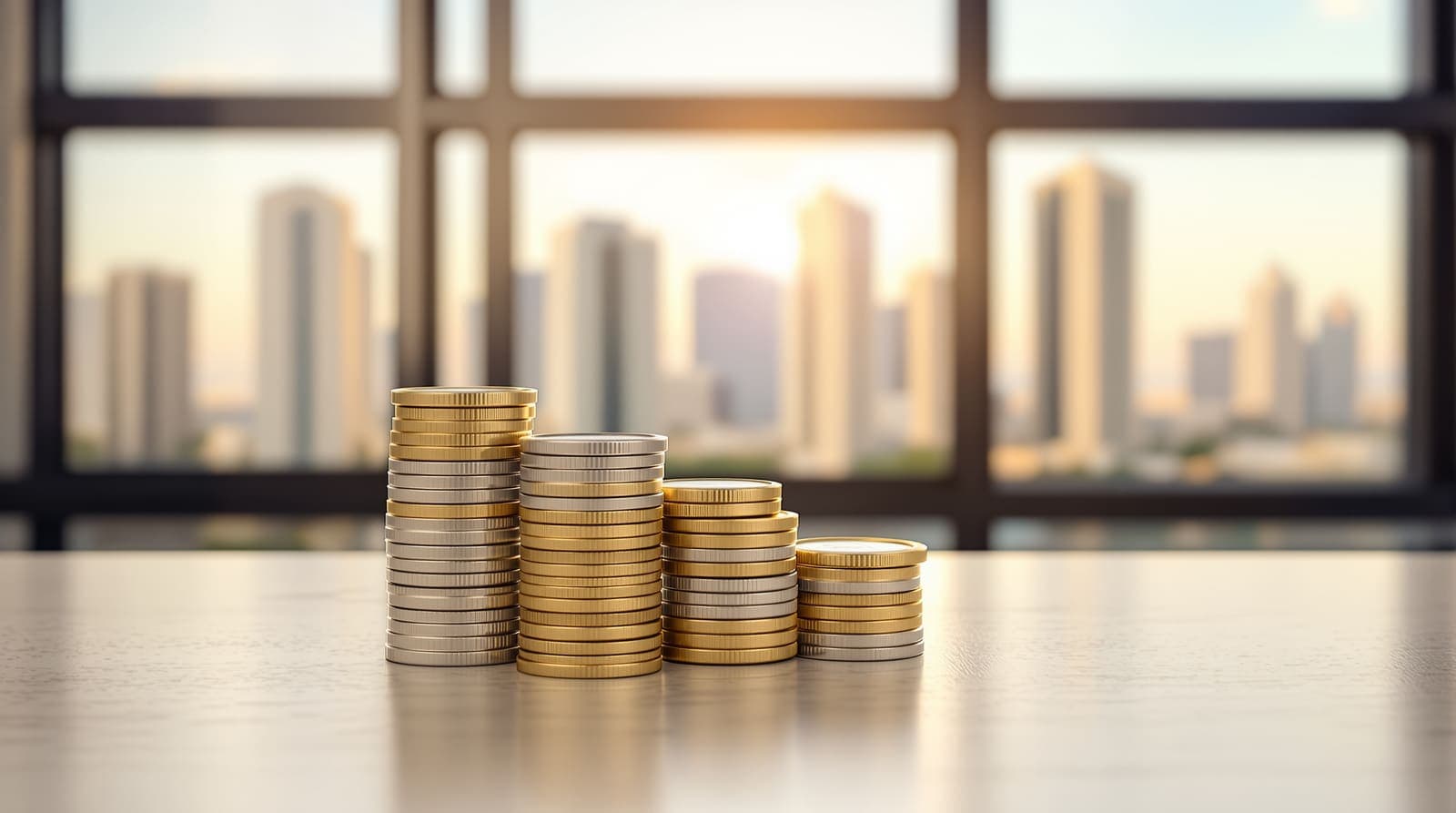
איור שנוצר בבינה מלאכותית, לא צילום של האירועים.
הכתבה המלאה עדיין לא נכתבה בעברית, ולכן היא מובאת כאן באנגלית.
The shekel strengthened against the US dollar on election day in Israel, reaching its highest level in three weeks, as several Israeli news organisations reported on the afternoon of the vote. Ynet's news alert service described the dollar as falling steeply while the local currency touched a three-week peak.
The Times of Israel reported that the shekel had gained 1.2% against the dollar, and connected the move to what it called record voter turnout. Broadcaster N12, citing its economic reporter Yuval Sadeh, put the shift higher: according to N12, the dollar had weakened by about 1.8% against the shekel to trade at 3.02, while the euro had dropped by about 2% to 3.37 shekels.
מהשטח

President Isaac Herzog voted in the elections for the 26th Knesset at a polling station in Jerusalem and called on all citizens to go out and vote, saying “we are all equal; this is our day.”

The Central Election Committee said that the voter turnout at noon has reached 31.5 percent, over 2.3 million Israelis – the highest voter turnout at this time of day since the 1977 elections. Read more: haaretz.com/israel-news/el…
What the shekel is and how it is quoted
The shekel, formally the new Israeli shekel, is Israel's national currency. Exchange rates for it are usually expressed as the number of shekels needed to buy one unit of a foreign currency. A lower figure therefore means a stronger shekel: when the dollar is said to trade at 3.02, one dollar buys a little over three shekels. For readers abroad who hold dollars or euros and spend or invest in Israel, a stronger shekel means their foreign currency buys less locally.
The euro rate reported by N12 moved in the same direction as the dollar rate, which suggests the change reflected strength in the shekel itself rather than a shift limited to the US currency. N12 described the shekel as continuing to strengthen sharply, indicating the trend was already under way earlier in the day.
Why turnout was cited
Both The Times of Israel and N12 tied the currency's rise to the level of participation in the vote. The Times of Israel referred to record turnout, while N12 spoke of optimism in the markets against the background of high voting percentages. Neither report, as published in the material available to us, explained in detail why traders would read high turnout as a positive signal, and neither quoted an analyst, bank or official giving that reasoning.
השבוע בישראל בחמש ידיעות, בכל יום שישי
עם מקורות ובדיקה של מערכת Israel.com, ועם זמני השבת. חינם, והסרה בלחיצה אחת.
רשימה אחת, הסרה בלחיצה. הפרטים במדיניות הפרטיות שלנו.
Currency markets often react to elections because results can affect expectations about government policy, budgets and political stability. The reports, however, describe a move during voting, before any results would have been known, so the market reaction they describe relates to turnout alone and not to an outcome.
Two different figures
The reports do not agree on the size of the move. The Times of Israel gave a gain of 1.2% for the shekel against the dollar, while N12 said the dollar had weakened by about 1.8%. The reports were published within minutes of each other on election day, and currency rates change continuously through the trading day, so the gap may reflect measurements taken at different moments. Neither outlet stated the exact time or source of its quote, and we have not resolved the difference.
What the reports do not say
The reports do not give the closing rate for the day, the official representative rate set by the Bank of Israel, or the starting level from which the gains were measured. They do not name the turnout figure behind the description of record or high participation. They do not say whether the Tel Aviv stock market or Israeli bond prices moved alongside the currency, and they include no comment from the central bank. They also do not indicate how the shekel behaved once polls closed or results began to emerge.
להמשך קריאה
למדור בחירות →
איור
בחירות
ישראל בוחרת היום לכנסת העשרים ושש, עם 36 רשימות ויותר מ-7.3 מיליון בעלי זכות בחירה
צילום ארכיון
בחירות
טראמפ על ניצחון לולה בברזיל: "נראה כמו עוד בחירות מזויפות"
צילום ארכיון
בחירות
טראמפ בפוסט חדש ערב הבחירות: "הצביעו לביבי"

פורסם ב-X
בחירות
נתניהו שיתף הדמיה של פיצוץ גרעיני מעל תל אביב יומיים לפני הבחירות
מקורות וקריאה נוספת
פתחנו ובדקנו כל קישור כאן בזמן כתיבת העמוד. הודעות רשמיות מסומנות ככאלה: זו הגרסה של הגורם עצמו, לא גרסה עצמאית.
- כתבותyediotht.meYnet alerts
- כתבותtoitimesofisrael.comThe Times of Israel
- כתבותkeshett.meN12
איך בדקנו את זה
The shekel's rise to a three-week high was reported by Ynet, The Times of Israel and N12. The size of the move differs between The Times of Israel (1.2%) and N12 (about 1.8%), and the euro rate and specific exchange figures come from N12 alone.
מדיניות המקורות והתיקונים שלנו →השבוע מישראל, במייל אחד
הכתבות שהיו חשובות, עם מקורות ובדיקה של מערכת Israel.com. חינם, פעם בשבוע, הסרה בלחיצה אחת.
רשימה אחת, הסרה בלחיצה. הפרטים במדיניות הפרטיות שלנו.

Israel.com נשאר חינמי בזכות קוראים כמוך.
מערכת החדשות של Israel.com בודקת כל ידיעה מול המקורות שלה ומפרסמת אותה בחינם. אם הידיעה עזרה לך, תמיכה בכל סכום שומרת גם את הבאה חינמית.
תשלום אחד, בלי הרשמה. סכום אחר
הכתבות האחרונות
- Shin Bet head Zini says elections safe as turnout rises, urges it be protected
- Netanyahu warns of long queues in Arab towns, accuses Ra'am of election theft
- Netanyahu and party leaders vote as 26th Knesset election gets under way
- Israel's voter turnout reaches 16.68% by 10:00, highest early figure in decades
- טראמפ מכחיש שנתניהו לחץ עליו לתת לו גיבוי נוסף
- ירדן תקפה בדרום סוריה אחרי הפיגוע בכנסייה בכרכ, סוריה: 8 הרוגים