Almost a week into his mandate, Eisenkot says coalition talks are moving
Gadi Eisenkot says he is making progress toward a government he would lead, while reports describe only early contacts and low trust with the Haredi parties.
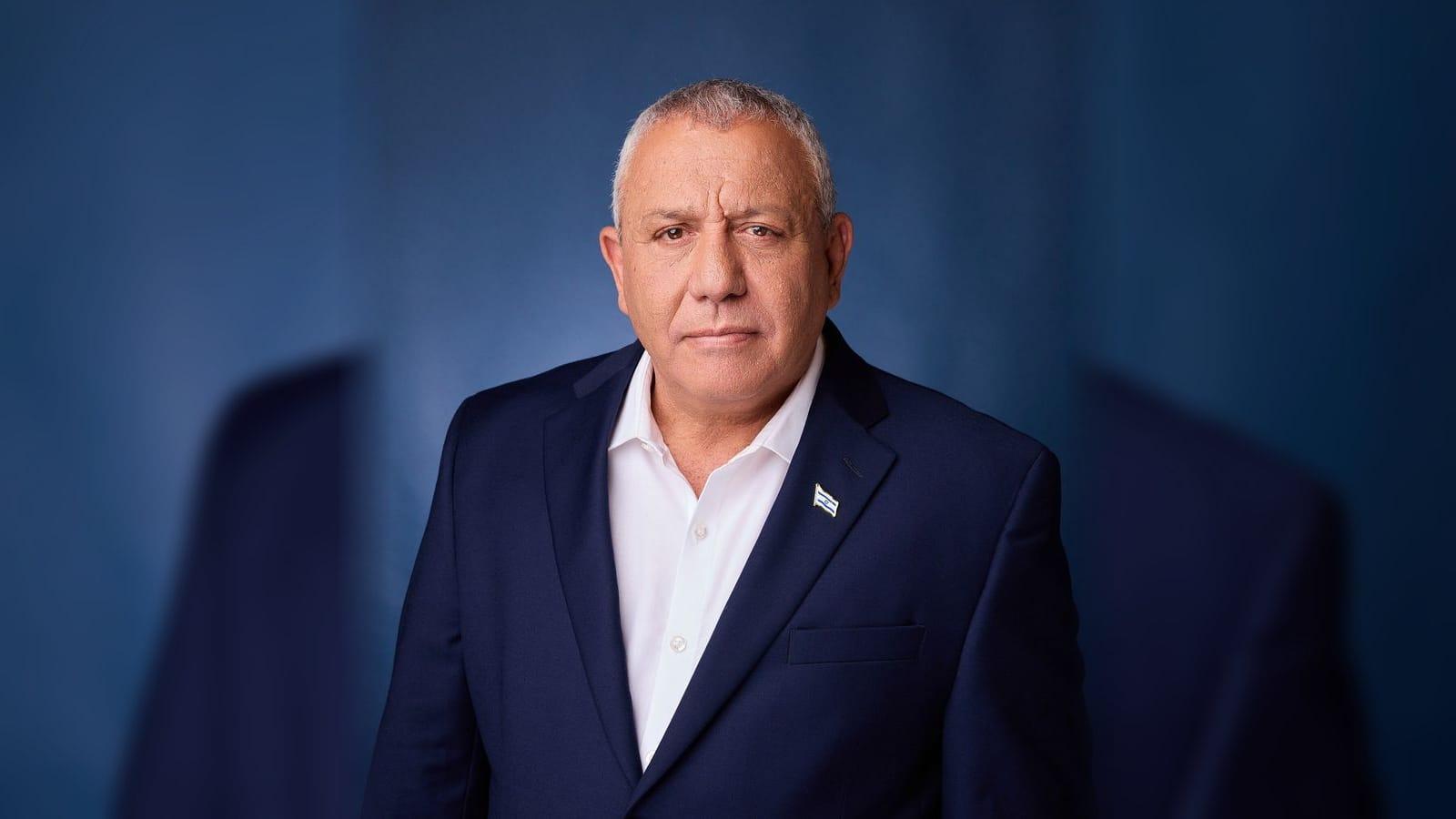
Gadi Eisenkot. File photo by יהב טרודלר (Yahav Trudler - Yahav Studio), CC BY-SA 3.0, via Wikimedia Commons.
Gadi Eisenkot, the leader of the Yashar! party, said on Friday that his efforts to assemble a governing coalition were advancing, close to a week after he was handed the mandate to form Israel's next government. In a statement circulated by the political commentator Amit Segal on Telegram, Eisenkot said talks with prospective partners were moving forward and that he would try every option to build a stable government under his own leadership, adding that there was no other alternative.
Other reporting painted a more tentative picture. Ynet reported that people within Eisenkot's bloc describe the contacts so far as no more than "initial feelers", and that Eisenkot has been running two tracks at once: coalition building on one side, and moves to secure control of the Knesset, Israel's parliament, on the other. According to Ynet, Eisenkot has said he will first set up an emergency government and then do everything he can to widen it.
On the ground

Eisenkot vows to ‘leave no stone unturned’ to form new government A week after receiving the mandate from President Herzog, the Yashar! leader says coalition talks are advancing, condemns threats against his lawmakers and accuses ... ynetnews.com/article/bjq00l…

What the mandate means
After an Israeli general election, the president consults the parties elected to the Knesset and then assigns one member the task of forming a government. That person must assemble a coalition commanding a majority in the Knesset within a set period, which can be extended. If they fail, the mandate can pass to someone else. Holding the mandate therefore gives a candidate the first opportunity to build a government, but not a guarantee of one.
The current round follows the swearing-in of the 26th Knesset, which The Jerusalem Post noted took place on Tuesday. An opinion piece in that paper framed the contest between Eisenkot and Benjamin Netanyahu, the leader of the Likud party, as a game of political bluff, with the writer arguing that the outcome will turn on how much each side is willing to give up to reach a government.
The four principles and the 'emergency government'
In his statement, Eisenkot said he intended to leave no stone unturned and to speak with any elected official who accepts what he called the four principles, with the aim of forming a stable government quickly. He described this as the demand of the moment and the mandate voters had given him, and warned it would be "a bitter mistake" not to act in this way. The reports do not set out what those four principles are.
Get an email the day Israel has a new government.
Coalition talks can take weeks. When a government is sworn in, Israel.com's newsroom emails who leads it, which parties are in and who got which ministry, then the Friday email each week. Free, and one click unsubscribes.
One list, unsubscribe in a click. See our privacy policy.
His stated approach, as described by Ynet, is to establish an emergency government first and broaden it afterwards. Eisenkot himself framed the method as consolidating existing partnerships while expanding the range of options.
Contacts with the Haredi parties
A central question is the position of the Haredi, or ultra-Orthodox, parties, which have often been decisive in forming Israeli coalitions. Dafna Liel, the political correspondent of N12, the news arm of Israel's Channel 12, reported that what she called the change bloc, the camp opposed to Netanyahu, is holding informal negotiations with the Haredi parties. She said there are gaps in trust between the two sides, each of which is wary of falling into a political trap.
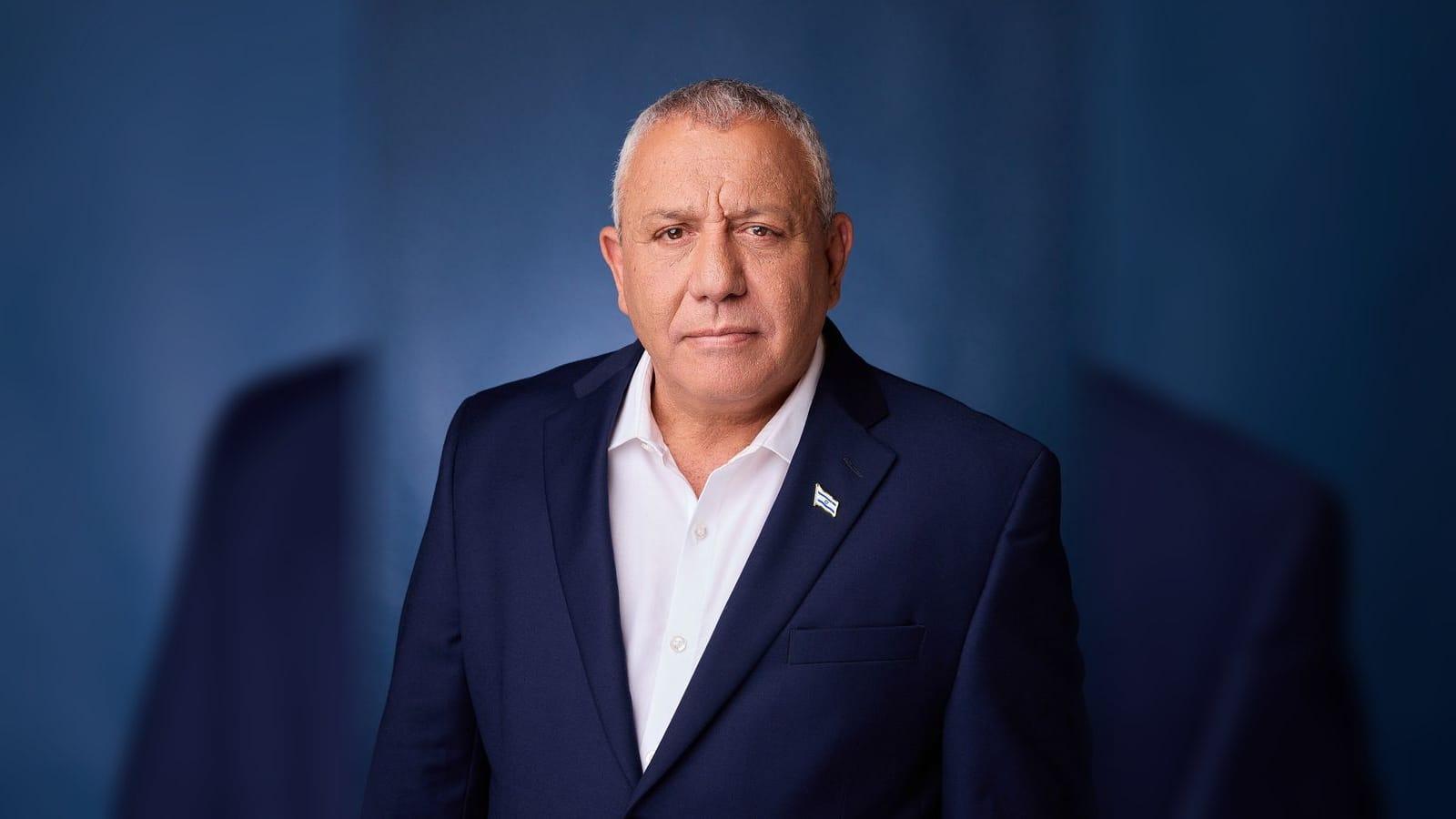
File photo
Next story Government
Eisenkot says coalition talks are progressing a week into his mandate
Ynet similarly reported concern that the talks with the Haredi parties could be exposed publicly, which may explain why they are being conducted informally.
Outreach to Likud and Religious Zionism
According to Liel, Eisenkot will also try to invite the various parties to join a government under him, and is expected to call in Likud and Religious Zionism, a right-wing party aligned with Netanyahu, for meetings. Neither party's response to such an invitation has been reported.
The Netanyahu meeting
Eisenkot and Netanyahu recently met, and Ynet raised the question of whether a joint announcement the two issued pointed to any chance of a unity government. N12 suggested it did not. Liel reported that the meeting did not necessarily bring the two men closer to political partnership, and quoted a source in Yashar! telling Channel 12 that it had not altered Eisenkot's view that Netanyahu should be removed as soon as possible.
Where the accounts differ
The reports do not fully agree on how far the talks have come. Eisenkot describes progress with partners. Ynet quotes people in his own bloc describing only preliminary contacts. N12 describes informal talks with the Haredi parties held back by mutual distrust. Readers should treat the state of the negotiations as unsettled.
What the reports do not say
None of the reports spells out the four principles Eisenkot has made a condition for joining his government, or the wording of his joint announcement with Netanyahu. There is no reported response from the Haredi parties, Likud or Religious Zionism to Eisenkot's outreach, and Ynet does not detail what his moves regarding control of the Knesset involve in practice.
Read next
All government →
File photo
Government
Eisenkot backs MK Peretz, accuses Netanyahu of racist campaign against Arabs
File photo
Government
France's foreign minister calls Israel's entry ban on Melenchon 'demagogic'

Illustration
Government
IAEA says it cannot rule out diversion of Iranian nuclear material
File photo
Government
Zelensky welcomes European role in next Russia-Ukraine talks as swap pursued
Sources and further reading
Every link below was opened and checked when this page was written. Official statements are marked as such: they are the subject's own account, not an independent one.
- Reportingyediothynet.co.ilYnet
- Reportingjpostjpost.comThe Jerusalem Post
- Reportingamitsegalt.meAmit Segal
- Reportingkeshett.meN12
- Reportingkeshett.meN12
How we checked this
The account of the negotiations draws on reporting by Ynet, N12 and The Jerusalem Post, and on Eisenkot's own statement as circulated by Amit Segal. The quote about Netanyahu comes from a single unnamed Yashar! source cited by N12, and The Jerusalem Post item is an opinion piece.
Our sourcing and corrections policy →The week from Israel, in one email
The stories that mattered, sourced and checked by the Israel.com newsroom. Free, weekly, one-click unsubscribe.
One list, unsubscribe in a click. See our privacy policy.

Israel.com is free, and readers like you keep it that way.
The Israel.com newsroom checks every story against its sources and publishes it free. If this one helped, a contribution of any size keeps the next one free too.
One payment, nothing to sign up for. Another amountGive monthly
Latest

Illustration

Illustration

Illustration
File photo

Illustration

Illustration