Khamenei warns of wider war if US attacks resume, dismisses midterm hopes
In a statement on his website a day after the US midterms, Iran's Supreme Leader said hopes of a softer American line were mistaken and threatened a wider war.
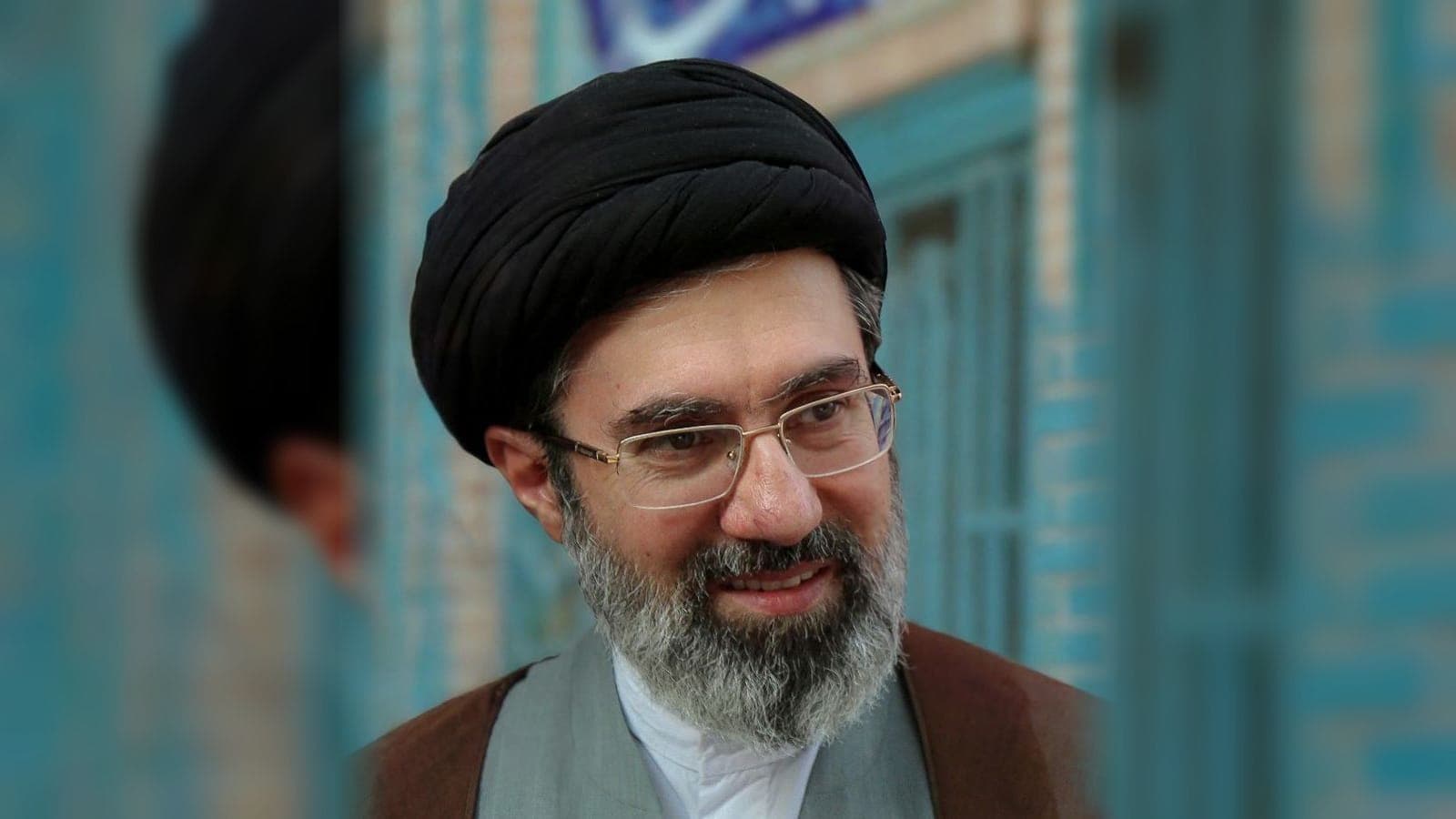
Mojtaba Khamenei. צילום ארכיון: khamenei.ir, CC BY 4.0, מתוך ויקישיתוף.
עדכון אחד מאז הפרסום
- Statement was posted on Khamenei's website a day after US midterms; he dismissed hopes of a US policy shift via partisan change.
הכתבה הזאת מתעדכנת בזמן שהאירוע מתפתח. הטקסט המוקדם נשמר מתחת לעדכונים ולא נכתב מחדש, כך שמה שהעמוד אמר בכל שלב עדיין נמצא בו.
הכתבה המלאה עדיין לא נכתבה בעברית, ולכן היא מובאת כאן באנגלית.
Update, 4 November, 14:07 Israel time
The statement was posted on Khamenei's own website, The Times of Israel reported, and it came the day after US midterm elections that the paper described as a setback for President Donald Trump. In the English rendering the paper published, Khamenei said anyone hoping that the American system could change course through partisan or factional shifts, or that concessions could end Washington's hostility, was "seriously mistaken". Neither N12 nor Ynet had linked the remarks to the US vote.
The Times of Israel's version of the central threat refers specifically to the United States: if American attacks on Iran resume, Khamenei said, the scope of the war would become much wider. The Jerusalem Post rendered the warning as a response "on a much greater scale" to any renewed aggression. The outlets' translations still differ in wording, and none has published the full text.
The Times of Israel also noted that Khamenei has not appeared in public since he was wounded earlier this year in US-Israeli airstrikes that killed his father, the previous supreme leader. The written format of the statement is consistent with that absence, though no outlet has drawn the link directly.
Hebrew outlet News.co.il carried the passages on concessions and on building a "stronger Iran" through internal unity, and headlined its report with the argument that yielding to the US would only invite further aggression.
The story as first reported
Iran's Supreme Leader, Mojtaba Khamenei, has issued a written statement warning that Iran will answer any renewed attacks with a far larger response, according to Israeli broadcaster N12. N12 reported that the statement says that if acts of aggression return, the jihad will take on much wider dimensions. Ynet carried the threat in a shorter form, quoting Khamenei as saying that if the violations recur, Iran will respond with much greater force.
השבוע בישראל בחמש ידיעות, בכל יום שישי
מקורות ובדיקה של מערכת Israel.com, עם זמני השבת. חינם, ואפשר להפסיק בלחיצה אחת.
רשימה אחת, הסרה בלחיצה. הפרטים במדיניות הפרטיות שלנו.
The statement was issued to mark what Iran calls the Day of Struggle Against Global Arrogance, according to N12. In the passages N12 published, Khamenei rejected the idea that concessions to Washington could change American policy, described the United States as the "Great Satan" seeking Iran's unconditional surrender, and presented Iranian military action in the region, including the destruction of American bases, as both retaliation and a form of initiated jihad.
What the statement says about the United States
A central theme in the excerpts is a warning to Iranians who may hope for a softer line. N12 quoted Khamenei as saying that anyone still pinning hopes on a change in behaviour, on changes in the system of government, or on concessions to America as a way to end its hostility toward the Iranian people is gravely mistaken. He described the wish of the "Great Satan" as the unconditional surrender of the Iranian people.
"Great Satan" is a label Iran's leadership has long applied to the United States in official rhetoric. Its use here places the statement firmly within the Islamic Republic's established ideological language rather than signalling any new diplomatic opening.
Deterrence and a "stronger Iran"
In a further passage, N12 reported that Khamenei said the only route to complete deterrence is to continue a strategy he called "a stronger Iran", on the way to comprehensive development. He named national unity, cohesion and social commitment as the main ingredients of success, and said the words and actions of individuals, of society and of the country's leaders should all rest on that foundation.
The emphasis on internal unity sits alongside the warning against those who favour concessions, suggesting the message was aimed at a domestic audience as well as at Washington and its allies.
Hormuz, American bases and the "third imposed war"
The most specific military language in the reported excerpts concerns the Strait of Hormuz, the narrow waterway between Iran and the Arabian Peninsula through which a large share of the region's oil exports pass. According to N12, the statement refers to the activation of Iranian management in the strait and to the destruction of American military bases in countries of the region.
Khamenei described both as a response to American aggression and crimes during what he called the "third imposed war", while also framing them as an initiated jihad against hegemonic arrogance on a regional scale. In Iranian official usage, "imposed war" is the term for conflicts Tehran says were forced upon it. The reports do not explain which conflict Khamenei counts as the third, and they do not give details of the Hormuz measures or the attacks on bases he referred to.
Two versions of the threat
The two outlets rendered the central warning differently. Ynet's version speaks of "violations" recurring and a response of much greater force. N12's version speaks of "acts of aggression" returning and jihad taking on far broader dimensions. Both were published in Hebrew as brief news alerts, and neither outlet published the full text of the statement. The difference may reflect translation choices or quotation from different passages; the reports do not make clear which wording is closer to the original.
Who issued it
The Supreme Leader is Iran's highest authority, above the elected president, with final say over the armed forces and the main lines of foreign and security policy. The reports identify Mojtaba Khamenei as holding that office. A written statement from the Supreme Leader on a fixed commemorative day is a formal channel for setting the official line, and its content is typically echoed by state media and senior officials.
What the reports do not say
Neither outlet published the full statement or said where it was first released. The reports do not specify which attacks or violations Khamenei is warning against, what form a broader response would take, or which countries hosted the bases he said were destroyed. No reaction from the United States, Israel or Gulf states had been reported in the material.
להמשך קריאה
למדור ביטחון →
איור
ביטחון
יועץ חמינאי: ההרתעה של איראן חורגת כעת מגבולות האזור
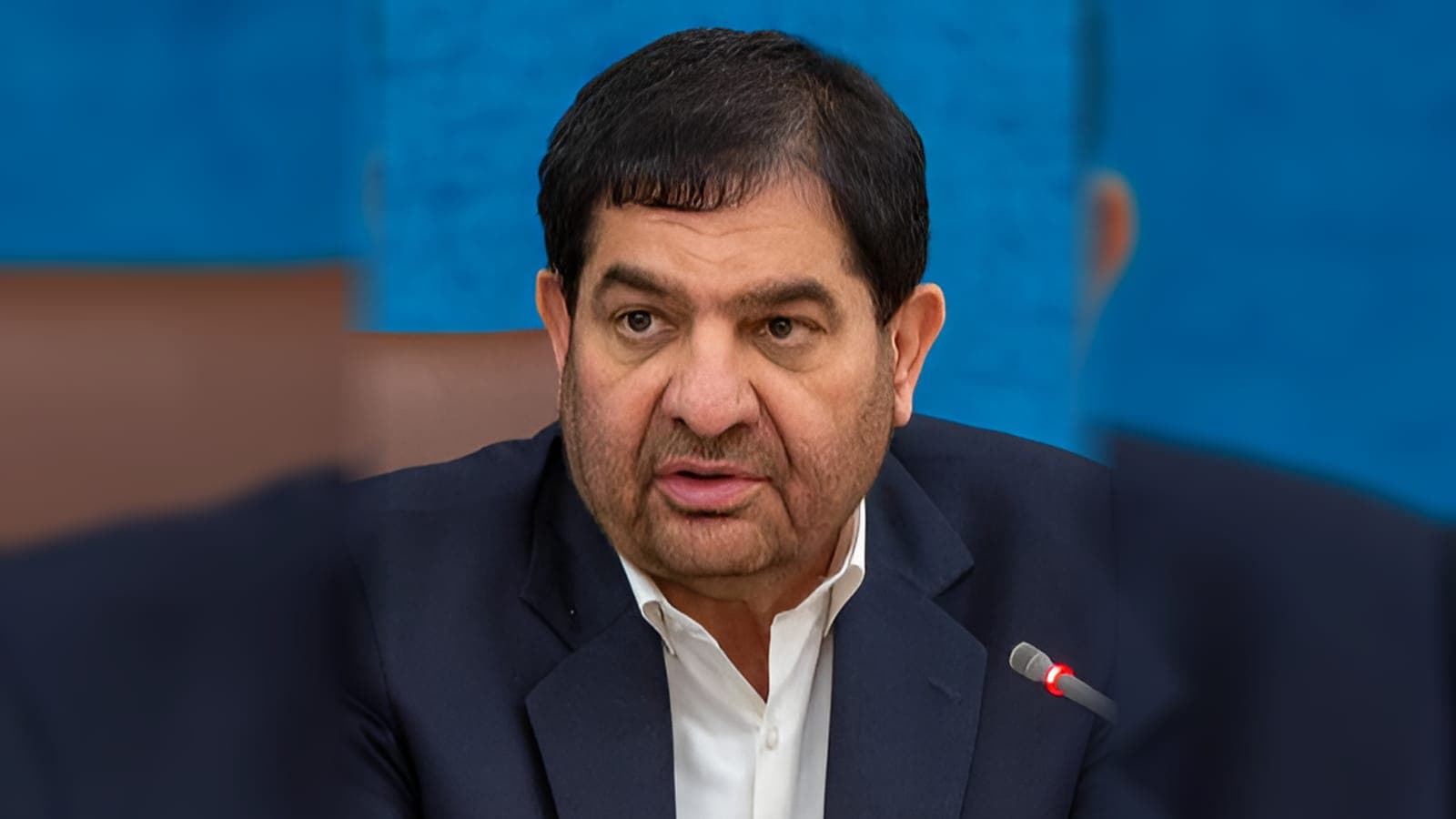
צילום ארכיון
ביטחון
יועץ חמינאי מוח'בר: ההרתעה של איראן חורגת כעת מגבולות האזור
צילום ארכיון
ביטחון
הרצוג על העימות בין היועמ"שית לראש השב"כ: מתח מובנה במדינה דמוקרטית
צילום ארכיון
ביטחון
ראש מערכת המשפט באיראן: טראמפ הפסיד "גם במלחמה וגם בפוליטיקה"
מקורות וקריאה נוספת
פתחנו ובדקנו כל קישור כאן בזמן כתיבת העמוד. הודעות רשמיות מסומנות ככאלה: זו הגרסה של הגורם עצמו, לא גרסה עצמאית.
- כתבותyediotht.meYnet alerts
- כתבותkeshett.meN12
- כתבותkeshett.meN12
- כתבותkeshett.meN12
- כתבותtoitimesofisrael.comThe Times of Israel
- כתבותjpostjpost.comThe Jerusalem Post
- כתבותnewssilt.meNews.co.il
איך בדקנו את זה
Four outlets report the same written statement, and The Times of Israel says it appeared on Khamenei's website. Wording of the threat differs between translations and no outlet has published the full text.
מדיניות המקורות והתיקונים שלנו →השבוע בישראל, במייל אחד
הכתבות החשובות, עם מקורות ואחרי בדיקה של מערכת Israel.com. חינם, פעם בשבוע, ואפשר להפסיק בלחיצה אחת.
רשימה אחת, הסרה בלחיצה. הפרטים במדיניות הפרטיות שלנו.
הכתבות האחרונות
- Israel says six Gaza militants killed in three strikes around Khan Younis
- בפתח ההתייעצויות עם הסיעות אמר הרצוג שאין מנצח ברור בבחירות
- Sohlberg hands Herzog official election results, warns doubting them is a danger
- Democrats win both houses of Congress as Israel critics gain House seats
- השב"כ מסר לוועדת הבחירות שאלפים עלולים להיות מעורבים במימון זר
- ועדת הבחירות המרכזית אישרה את התוצאות אחרי בדיקה ב-9,000 קלפיות