Iran mocks Trump after midterms as Khamenei dismisses hopes of US shift
Iran's foreign ministry and state media taunted Trump over the Democrats' midterm win, while Khamenei warned that hopes of a softer US line were mistaken.
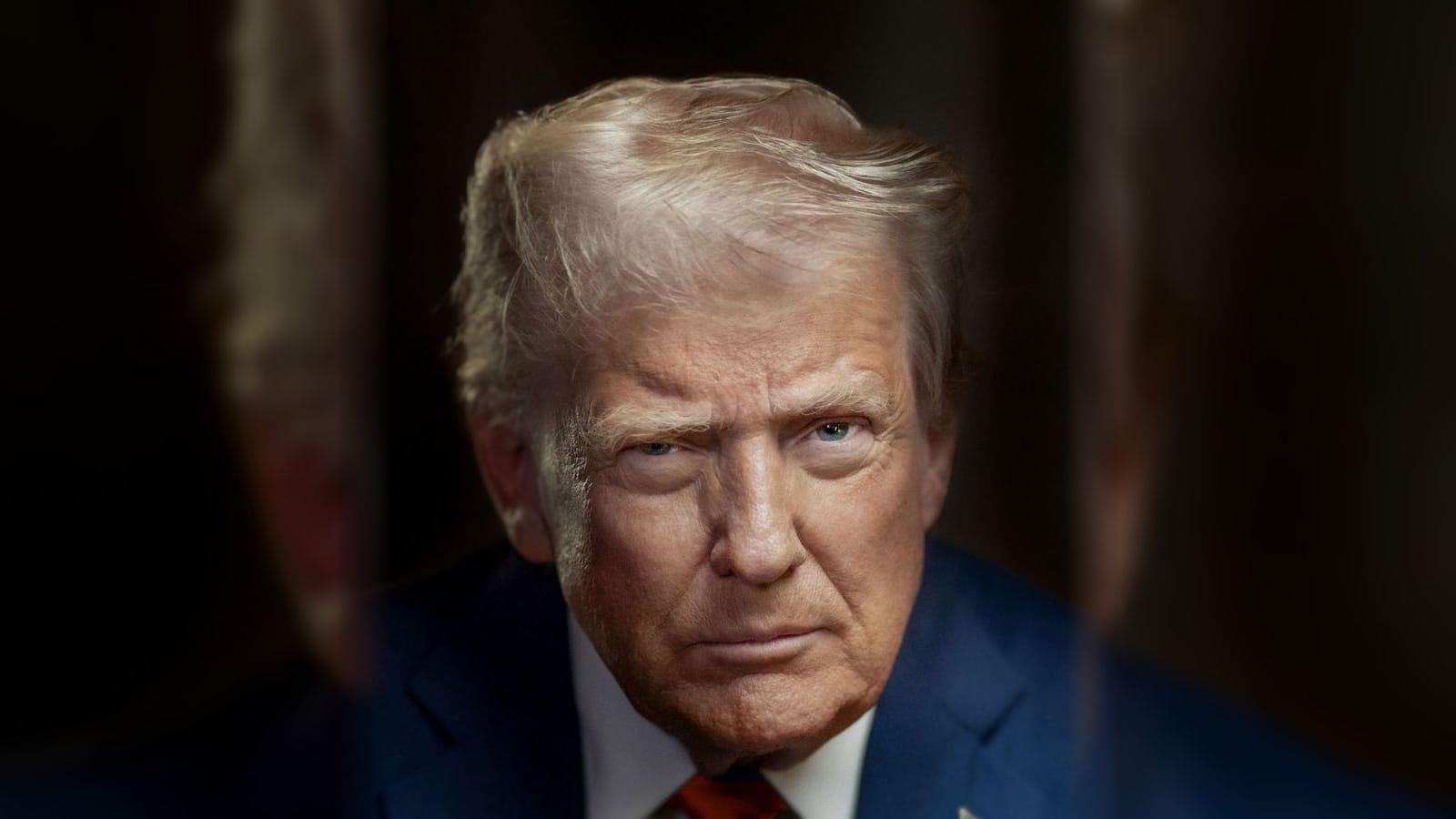
Donald Trump. File photo by Daniel Torok, public domain, via Wikimedia Commons.
2 updates since publication
- Iranian officials and media mock Trump over midterm losses; foreign ministry spokesman says pride comes before the fall.
- Statement was posted on Khamenei's website a day after US midterms; he dismissed hopes of a US policy shift via partisan change.
This story was added to as it developed. Earlier text is kept below the updates rather than rewritten, so what this page said at each point is still on it.
Update, 4 November, 17:08 Israel time
Iranian officials and media openly mocked President Donald Trump over the midterm results as Khamenei's statement circulated. Ynet reported that Iranian outlets released footage of US and Israeli flags being burned for the Day of Struggle Against Global Arrogance, alongside the jibe that anyone relying on Trump's umbrella had been left wet. Ynet also cited regional headlines calling the vote a blow to Trump and saying Americans had rejected war.
Foreign Ministry spokesman Esmaeil Baghaei celebrated the Republican losses with the line "pride comes before the fall", according to Abu Ali Express. He accused them of acting out of greed and arrogance and of dragging their country into an illegal and cruel war on Iran. He said American voters had sent a clear message and warned that ignoring it would bring consequences far beyond anything seen so far.
The Times of Israel reported that Democrats won control of Congress, with voters angered by living costs, tariffs and the war with Iran, which the paper said has driven fuel prices sharply higher. The statement coincided with the annual rally outside the former US embassy in Tehran marking the 1979 takeover, where supporters carried posters of Khamenei holding a rifle.
The Jerusalem Post published an analysis arguing that Iran's strategic patience in negotiating with Trump had paid off after the vote.
Update, 4 November, 14:07 Israel time
The statement was posted on Khamenei's own website, The Times of Israel reported, and it came the day after US midterm elections that the paper described as a setback for President Donald Trump. In the English rendering the paper published, Khamenei said anyone hoping that the American system could change course through partisan or factional shifts, or that concessions could end Washington's hostility, was "seriously mistaken". Neither N12 nor Ynet had linked the remarks to the US vote.
Israel's week in five stories, every Friday
Sourced and checked by the Israel.com newsroom, with Shabbat times. Free, one-click unsubscribe.
One list, unsubscribe in a click. See our privacy policy.
The Times of Israel's version of the central threat refers specifically to the United States: if American attacks on Iran resume, Khamenei said, the scope of the war would become much wider. The Jerusalem Post rendered the warning as a response "on a much greater scale" to any renewed aggression. The outlets' translations still differ in wording, and none has published the full text.
The Times of Israel also noted that Khamenei has not appeared in public since he was wounded earlier this year in US-Israeli airstrikes that killed his father, the previous supreme leader. The written format of the statement is consistent with that absence, though no outlet has drawn the link directly.
Hebrew outlet News.co.il carried the passages on concessions and on building a "stronger Iran" through internal unity, and headlined its report with the argument that yielding to the US would only invite further aggression.
The story as first reported
Iran's Supreme Leader, Mojtaba Khamenei, has issued a written statement warning that Iran will answer any renewed attacks with a far larger response, according to Israeli broadcaster N12. N12 reported that the statement says that if acts of aggression return, the jihad will take on much wider dimensions. Ynet carried the threat in a shorter form, quoting Khamenei as saying that if the violations recur, Iran will respond with much greater force.
The statement was issued to mark what Iran calls the Day of Struggle Against Global Arrogance, according to N12. In the passages N12 published, Khamenei rejected the idea that concessions to Washington could change American policy, described the United States as the "Great Satan" seeking Iran's unconditional surrender, and presented Iranian military action in the region, including the destruction of American bases, as both retaliation and a form of initiated jihad.
What the statement says about the United States
A central theme in the excerpts is a warning to Iranians who may hope for a softer line. N12 quoted Khamenei as saying that anyone still pinning hopes on a change in behaviour, on changes in the system of government, or on concessions to America as a way to end its hostility toward the Iranian people is gravely mistaken. He described the wish of the "Great Satan" as the unconditional surrender of the Iranian people.
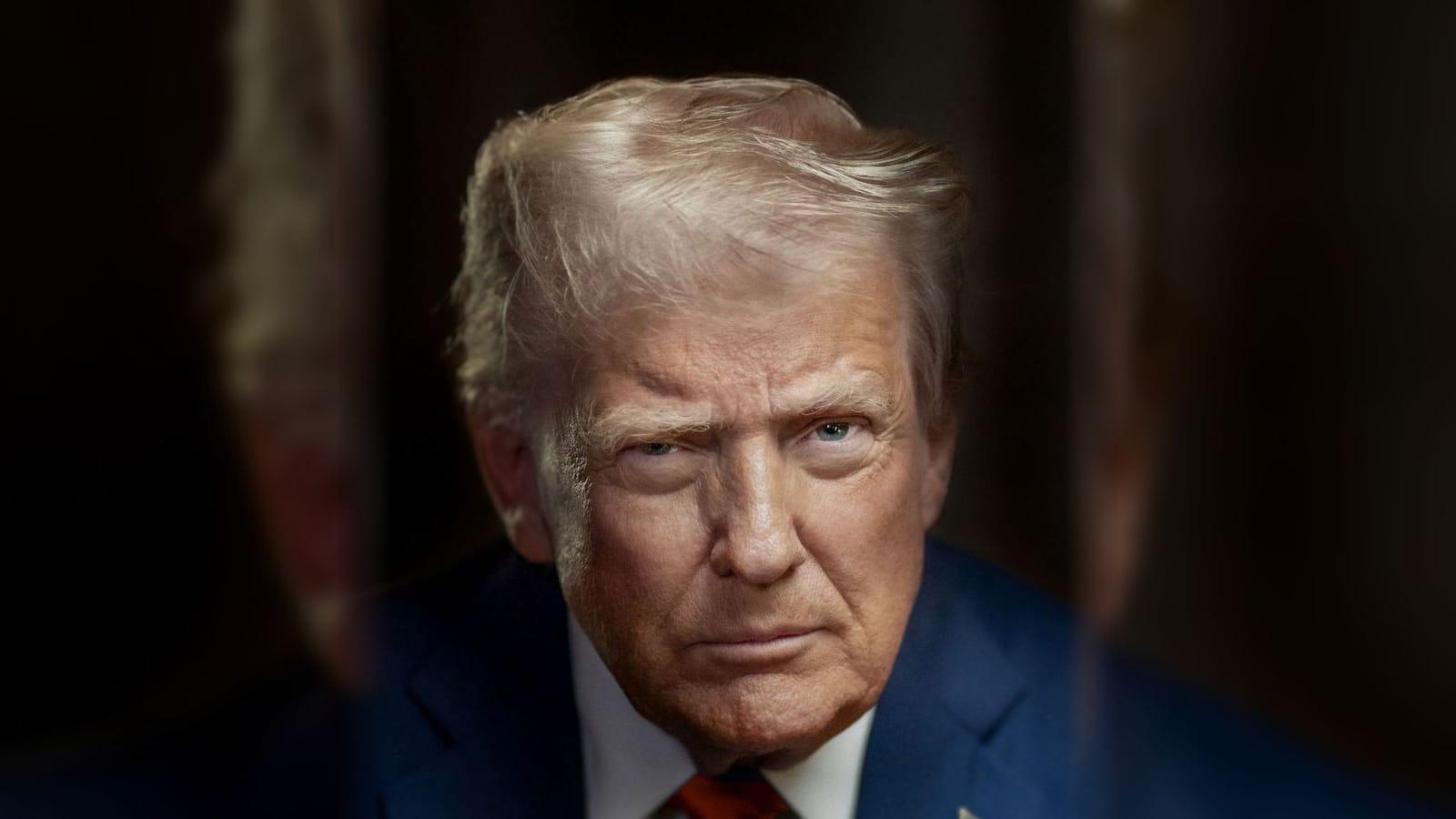
File photo
Next story Security
Mossad warned CIA of Iranian drone plot targeting Trump and top officials
"Great Satan" is a label Iran's leadership has long applied to the United States in official rhetoric. Its use here places the statement firmly within the Islamic Republic's established ideological language rather than signalling any new diplomatic opening.
Deterrence and a "stronger Iran"
In a further passage, N12 reported that Khamenei said the only route to complete deterrence is to continue a strategy he called "a stronger Iran", on the way to comprehensive development. He named national unity, cohesion and social commitment as the main ingredients of success, and said the words and actions of individuals, of society and of the country's leaders should all rest on that foundation.
The emphasis on internal unity sits alongside the warning against those who favour concessions, suggesting the message was aimed at a domestic audience as well as at Washington and its allies.
Hormuz, American bases and the "third imposed war"
The most specific military language in the reported excerpts concerns the Strait of Hormuz, the narrow waterway between Iran and the Arabian Peninsula through which a large share of the region's oil exports pass. According to N12, the statement refers to the activation of Iranian management in the strait and to the destruction of American military bases in countries of the region.
Khamenei described both as a response to American aggression and crimes during what he called the "third imposed war", while also framing them as an initiated jihad against hegemonic arrogance on a regional scale. In Iranian official usage, "imposed war" is the term for conflicts Tehran says were forced upon it. The reports do not explain which conflict Khamenei counts as the third, and they do not give details of the Hormuz measures or the attacks on bases he referred to.
Two versions of the threat
The two outlets rendered the central warning differently. Ynet's version speaks of "violations" recurring and a response of much greater force. N12's version speaks of "acts of aggression" returning and jihad taking on far broader dimensions. Both were published in Hebrew as brief news alerts, and neither outlet published the full text of the statement. The difference may reflect translation choices or quotation from different passages; the reports do not make clear which wording is closer to the original.
Who issued it
The Supreme Leader is Iran's highest authority, above the elected president, with final say over the armed forces and the main lines of foreign and security policy. The reports identify Mojtaba Khamenei as holding that office. A written statement from the Supreme Leader on a fixed commemorative day is a formal channel for setting the official line, and its content is typically echoed by state media and senior officials.
What the reports do not say
Neither outlet published the full statement or said where it was first released. The reports do not specify which attacks or violations Khamenei is warning against, what form a broader response would take, or which countries hosted the bases he said were destroyed. No reaction from the United States, Israel or Gulf states had been reported in the material.
Read next
All security →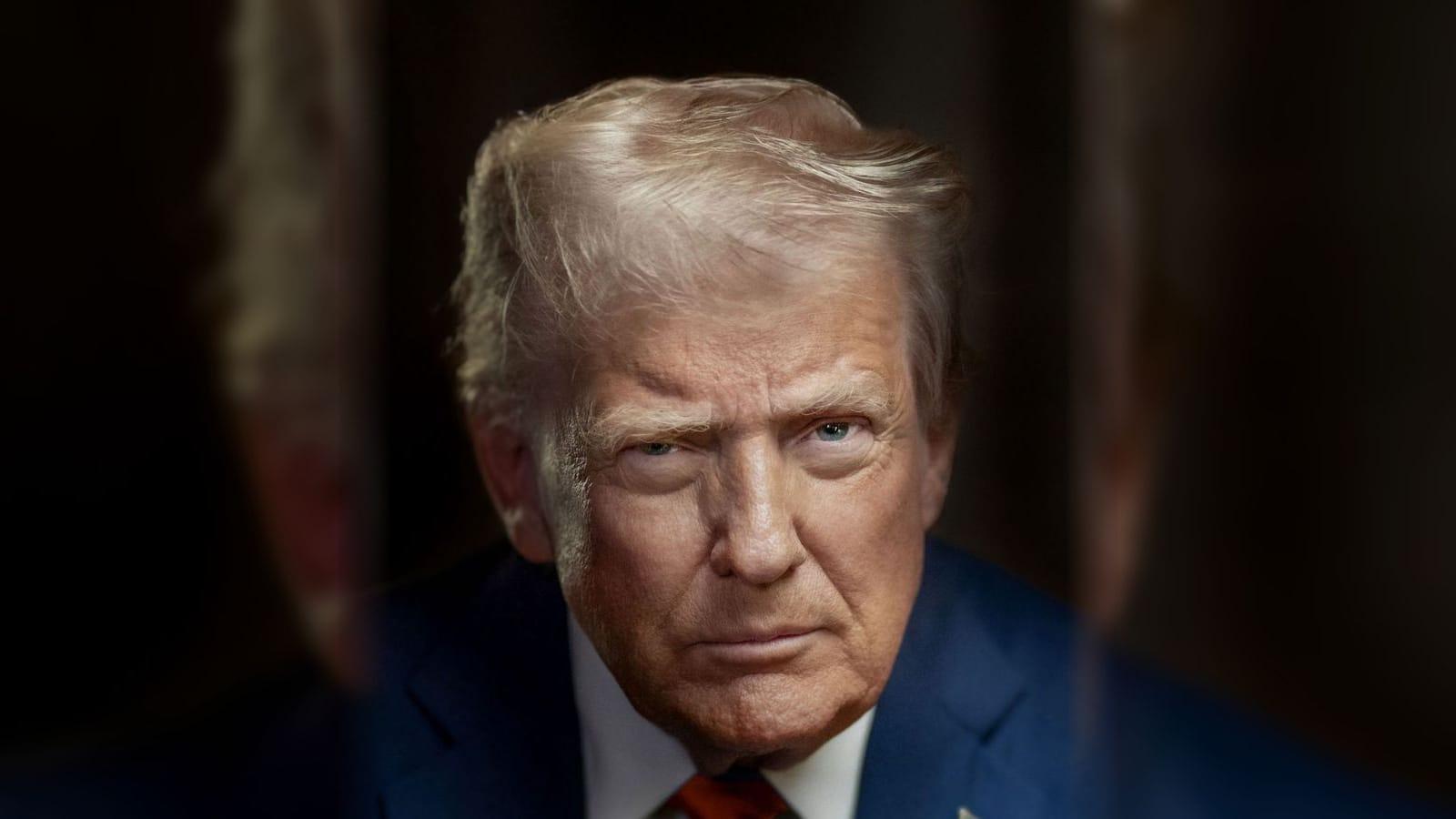
File photo
Government
Trump, Putin and Xi to meet in Shenzhen on November 19 on APEC sidelines
Illustration
Security
US intelligence puts Iran's missile stock at 1,500 to 2,500, WSJ reports
Illustration
Security
Saudi-led coalition says it destroyed two Houthi missiles aimed at Riyadh
Illustration
Security
Hamas confirms Rafah Brigade commander killed in Al-Mawasi strike
Sources and further reading
Every link below was opened and checked when this page was written. Official statements are marked as such: they are the subject's own account, not an independent one.
- Reportingyediotht.meYnet alerts
- Reportingkeshett.meN12
- Reportingkeshett.meN12
- Reportingkeshett.meN12
- Reportingtoitimesofisrael.comThe Times of Israel
- Reportingjpostjpost.comThe Jerusalem Post
- Reportingnewssilt.meNews.co.il
- Reportingyediothynet.co.ilYnet
- Reportingtoitimesofisrael.comThe Times of Israel
- Reportingjpostjpost.comThe Jerusalem Post
- Reportingabualiexpresst.meAbu Ali Express
How we checked this
Khamenei's statement is confirmed by several outlets citing his website. Baghaei's remarks are carried only by Abu Ali Express, and the flag-burning footage only by Ynet; neither has been independently verified.
Our sourcing and corrections policy →The week from Israel, in one email
The stories that mattered, sourced and checked by the Israel.com newsroom. Free, weekly, one-click unsubscribe.
One list, unsubscribe in a click. See our privacy policy.
Latest
Illustration
File photo · Nick Karvounis / Unsplash

Illustration
File photo
Illustration
File photo
