Imam says masked men firebombed mosque near Afula; Shin Bet joins probe
The mosque's imam says attackers who failed to break in threw a firebomb inside, as Arab parties condemned the arson and investigators traced the suspects' route.
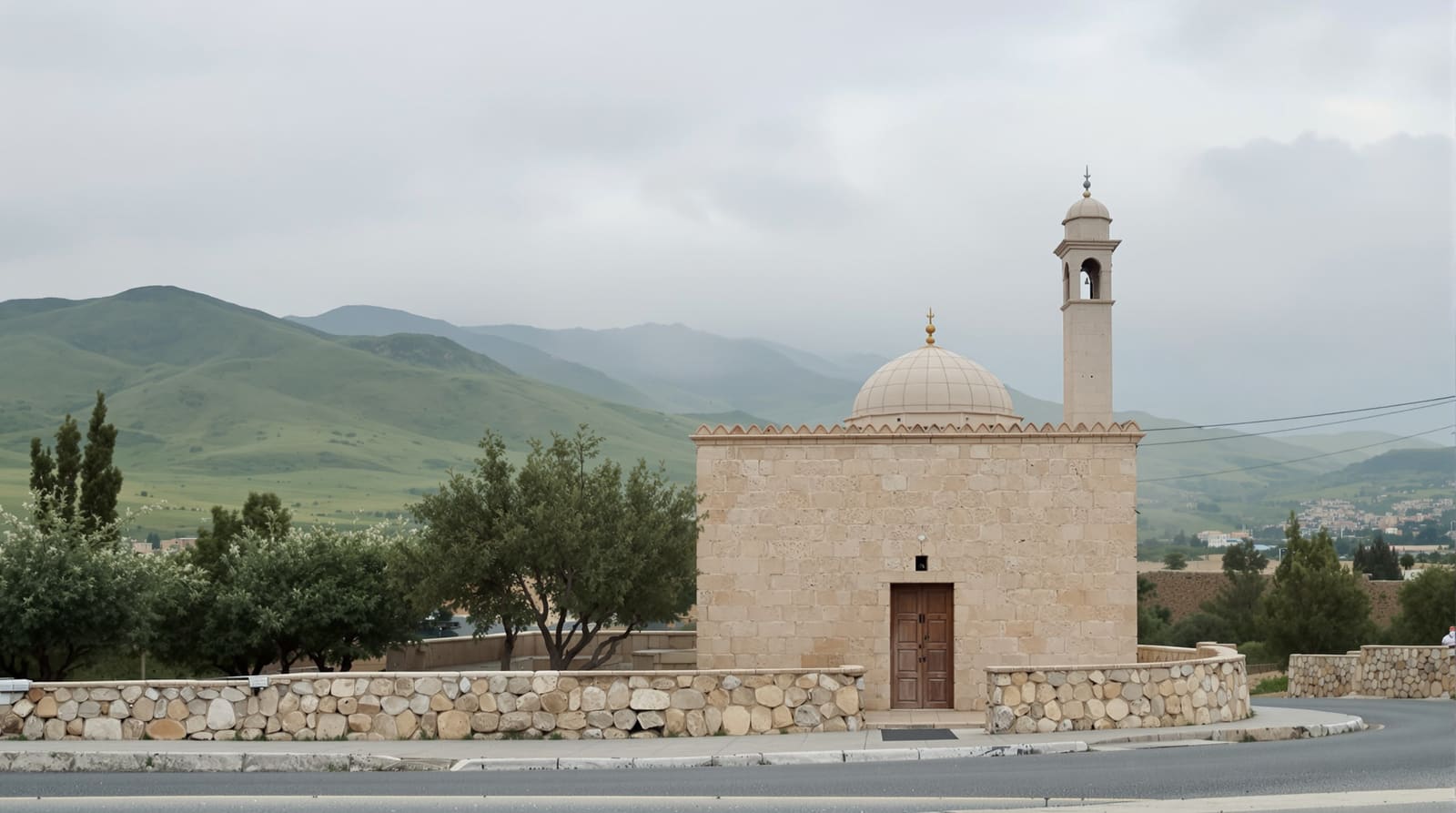
איור שנוצר בבינה מלאכותית, לא צילום של האירועים.
עדכון אחד מאז הפרסום
- Mosque imam says masked men firebombed the building; Arab parties blame the government; police check how suspects reached the village.
הכתבה הזאת מתעדכנת בזמן שהאירוע מתפתח. הטקסט המוקדם נשמר מתחת לעדכונים ולא נכתב מחדש, כך שמה שהעמוד אמר בכל שלב עדיין נמצא בו.
הכתבה המלאה עדיין לא נכתבה בעברית, ולכן היא מובאת כאן באנגלית.
Update, 19 November, 08:08 Israel time
The imam of the Kafr Dahi mosque has given the first account of how the fire started. Speaking to N12 correspondent Mohammed Majadla, Sheikh Khaled Zoabi said three masked people tried and failed to break into the mosque, then threw a firebomb onto the ground floor, setting parts of the building alight. He said people from the mosque managed to reach it and put the fire out. That differs from Ynet's report that firefighting crews arriving at the mosque brought the flames under control; the reports do not reconcile the two accounts.
Ynet also reported that the graffiti was written in Hebrew and was sprayed on walls near the mosque. In a separate alert, Ynet said investigators are examining how the suspects got into the village and referred to video documentation, without describing what it shows.
מהשטח

Police are investigating a suspected arson attack on a mosque near Afula after it was set on fire and nationalist graffiti was found on its walls. Ra'am leader Mansour Abbas condemned the incident as an "act of terror." jpost.com/israel-news/cr…
According to Ynet, the Arab political parties condemned the attack, saying they hold Prime Minister Benjamin Netanyahu and his government politically and morally responsible for what they called ongoing incitement and a climate of hatred and racism, and adding that their mosques are not fair game.
The Times of Israel described the police inquiry as taking place amid suspicions of a settler-linked attack, and The Jerusalem Post reported a suspected arson attack with nationalist graffiti found at the site. No arrests or official statement on the cause have been reported.
The story as first reported
A mosque in Kafr Dahi, a village close to the northern Israeli city of Afula, was damaged by fire overnight, and graffiti was found sprayed on the building, two Israeli news organisations reported. Ynet reported that the fire is suspected to be a so-called price-tag attack, and that slogans had been sprayed on the structure.
השבוע בישראל בחמש ידיעות, בכל יום שישי
מקורות ובדיקה של מערכת Israel.com, עם זמני השבת. חינם, ואפשר להפסיק בלחיצה אחת.
רשימה אחת, הסרה בלחיצה. הפרטים במדיניות הפרטיות שלנו.
N12, the news arm of Israel's Channel 12, first reported that a fire had broken out at the mosque and that police opened an inquiry into its circumstances once firefighters had put it out. In a later update, N12 correspondent Or Ravid reported that the Shin Bet security service has joined the investigation and that investigators are also examining whether the fire was a nationalist attack. A further N12 report by Mohammed Majadla said that residents of the village described the incident as a price-tag attack and that the word "revenge" had been sprayed at the mosque.
Where Kafr Dahi is
Kafr Dahi is a small village in northern Israel, which the reports locate near Afula. Afula is a city in the Jezreel Valley and serves as a regional centre for the surrounding towns and villages, both Jewish and Arab. The reports refer to the site only as a mosque in the village and do not name it.
איור
הכתבה הבאה ביטחון
היועמ"שית צפויה להגיש מחדש כתב אישום נגד ח"כ טלי גוטליב בפרשת השב"כ
What a price-tag attack is
"Price tag" (in Hebrew, tag mechir) is the term used in Israel for acts of vandalism and arson carried out by Jewish extremists, typically against Palestinian or Arab property, mosques and churches, and sometimes against Israeli security forces. The name reflects the idea, expressed by those behind such acts, that a "price" should be exacted in response to government actions they oppose or to attacks on Israelis. Graffiti is a common feature of these incidents, often containing slogans such as "revenge" or references to specific events, and it is frequently what leads investigators and local residents to suspect a nationalist motive rather than an accident or a criminal dispute.
In this case, the reports describe the price-tag framing in different ways. Ynet presented it as a suspicion. N12 attributed it to village residents, and separately reported that the security services are checking whether the fire was nationalist in nature. None of the reports states that the police or the Shin Bet have concluded what caused the fire or who was responsible.
Why the Shin Bet is involved
The Shin Bet, formally the Israel Security Agency, is Israel's domestic security service. Its responsibilities include investigating terrorism and politically or ideologically motivated violence, including attacks by Jewish extremists. Its participation alongside the Israel Police usually signals that investigators are treating a nationalist motive as a serious possibility, though it does not by itself mean such a motive has been established. In N12's reporting, that possibility is presented as one line of inquiry among others.
How the reports differ
The first N12 update described only a fire at the mosque and a police investigation into its circumstances, without mentioning graffiti or a suspected motive. That text was later edited and reissued under Or Ravid's name in the same form. Ynet's alert, published shortly afterwards, reported both the fire and the graffiti and referred to a suspected price-tag attack. Subsequent N12 updates added the Shin Bet's involvement, the examination of a nationalist motive, and the residents' account of the word "revenge" being sprayed. The differences reflect information emerging over the course of the morning rather than direct contradiction, but no official description of the cause has been reported.
What the reports do not say
The reports do not describe how much of the mosque was damaged, whether anyone was inside or hurt, or how long it took to put the fire out. They give only one word of the graffiti and do not say what else, if anything, was written. No arrests or suspects have been reported, and no statement from the police, the Shin Bet, local religious leaders or government officials has been published in the material available. It is also not stated what event, if any, the word "revenge" was meant to refer to.
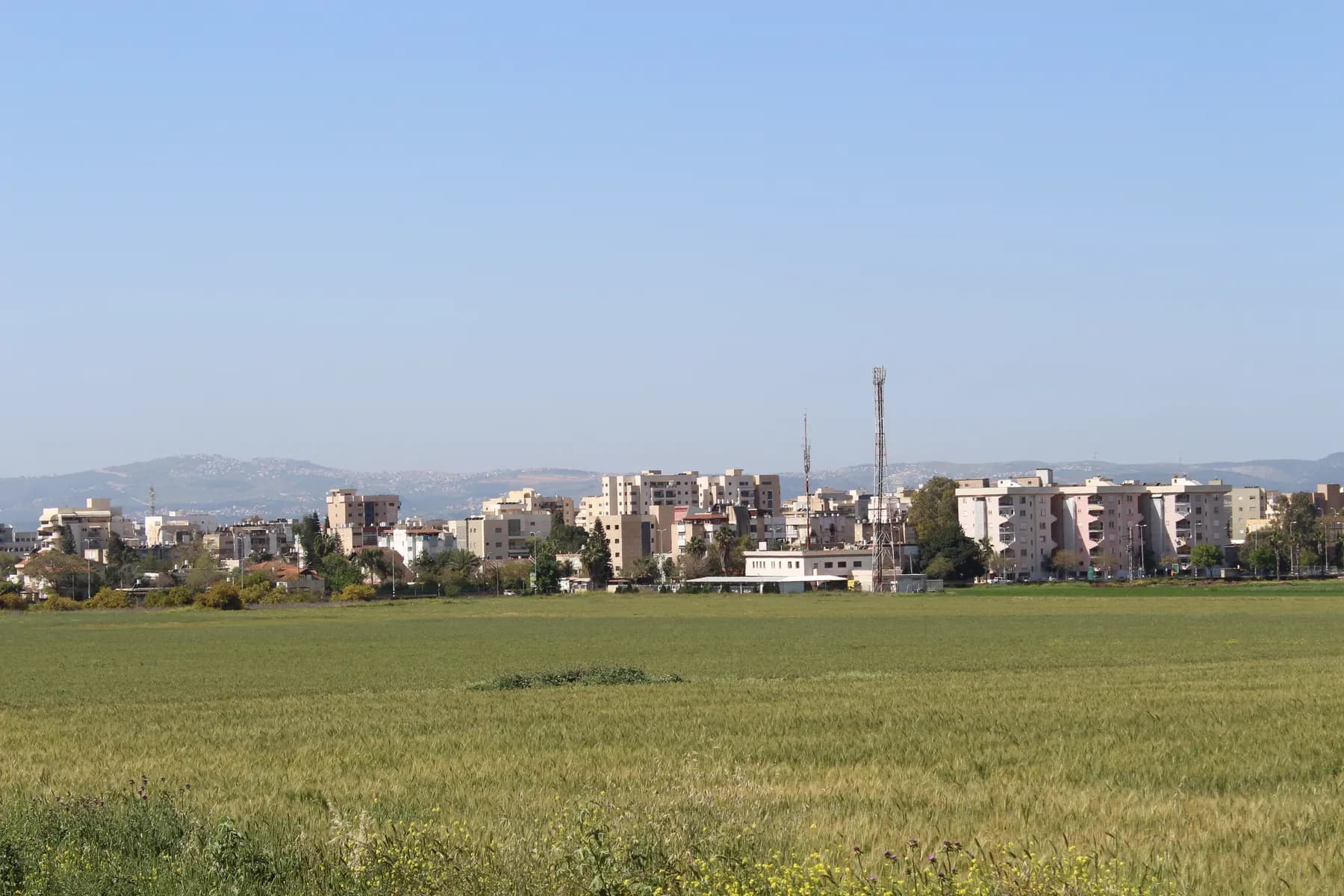
Deror_avi / CC BY-SA 3.0 · Wikimedia Commons
אנשים בכתבה: בנימין נתניהו
להמשך קריאה
למדור ביטחון →

מקורות וקריאה נוספת
פתחנו ובדקנו כל קישור כאן בזמן כתיבת העמוד. הודעות רשמיות מסומנות ככאלה: זו הגרסה של הגורם עצמו, לא גרסה עצמאית.
- כתבותyediotht.meYnet alerts
- כתבותkeshett.meN12
- כתבותkeshett.meN12
- כתבותkeshett.meN12
- כתבותkeshett.meN12
- כתבותyediothynet.co.ilYnet
- כתבותyediotht.meYnet alerts
- כתבותtoitimesofisrael.comThe Times of Israel
- כתבותjpostjpost.comThe Jerusalem Post
- כתבותkeshett.meN12
- כתבותkeshett.meN12
איך בדקנו את זה
The fire, the graffiti and the police and Shin Bet investigation are reported by several outlets. The account of three masked attackers and a firebomb comes only from the imam via N12, and no official finding on cause or suspects has been published.
מדיניות המקורות והתיקונים שלנו →השבוע בישראל, במייל אחד
הכתבות החשובות, עם מקורות ואחרי בדיקה של מערכת Israel.com. חינם, פעם בשבוע, ואפשר להפסיק בלחיצה אחת.
רשימה אחת, הסרה בלחיצה. הפרטים במדיניות הפרטיות שלנו.
הכתבות האחרונות
צילום ארכיון
צילום ארכיון
איור
צילום ארכיון
צילום ארכיון

צילום ארכיון