Netanyahu bloc at 54 seats, Eisenkot bloc at 49 with 77% of votes counted
Partial results from Israel's election show neither main bloc near a majority on its own, with Arab parties holding 17 seats and the count still incomplete.
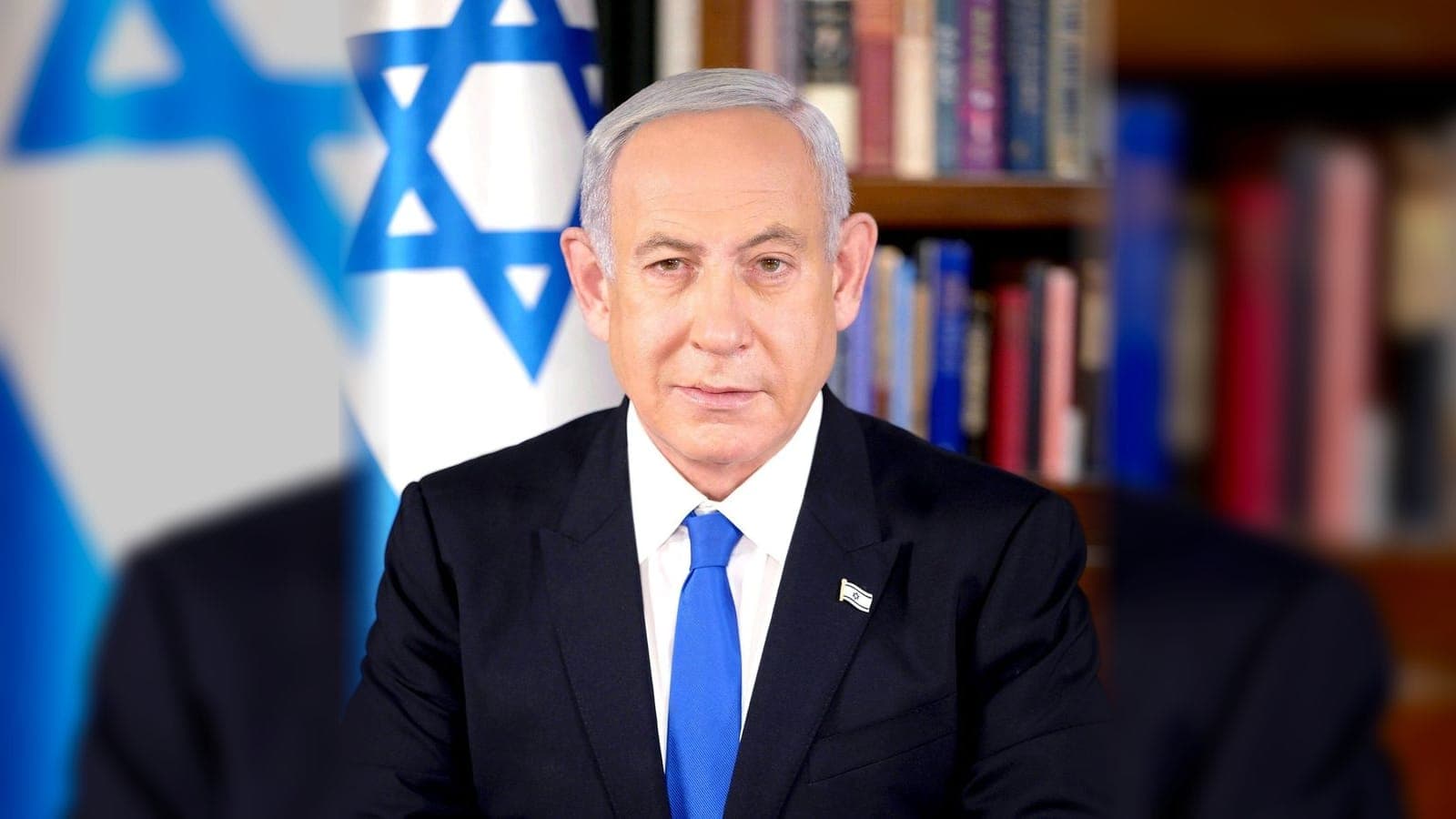
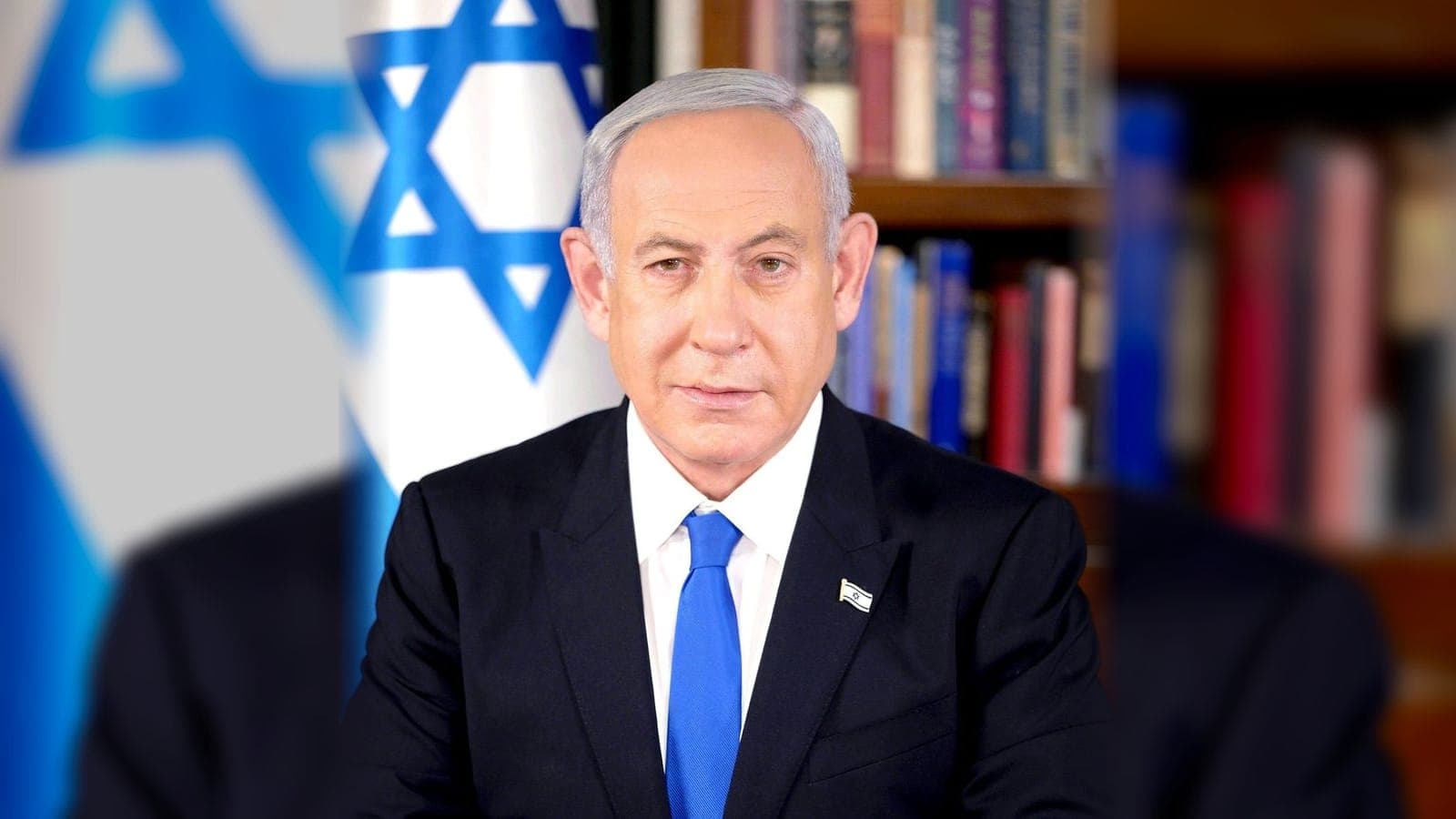
Benjamin Netanyahu. צילום ארכיון: Avi Ohayon, CC BY-SA 3.0, מתוך ויקישיתוף.
הכתבה המלאה עדיין לא נכתבה בעברית, ולכן היא מובאת כאן באנגלית.
With roughly 77% of votes counted in Israel's general election, the bloc of parties backing Prime Minister Benjamin Netanyahu stood at 54 seats, against 49 for the opposing bloc led by Eisenkot, according to partial results published by Ynet on October 28, 2026. Arab parties together held 17 seats in the same tally. Likud remained the single largest party with 27 seats, ahead of Yashar! with 22.
Political commentator Amit Segal, posting the count on his Telegram channel, gave the same bloc figures and cautioned that further shifts were expected, noting that the so-called double envelopes had not yet been counted. Netanyahu, for his part, said after the exit polls that Likud was still the country's biggest party. He expressed gratitude to the parties in his coalition and urged the formation of a government of the right, adding that he would wait for the official tally, Israel Hayom reported.
מהשטח

With 56% of ballots counted in Israel’s election, Netanyahu’s bloc leads with 55 seats, while the opposition holds 49 and Arab-led parties 16. Likud remains the largest party with 20.7% of votes, according to partial results. 🔴 LIVE updates: aje.news/smbodj

This election, the first since Hamas’s October 7 2023 attack, is seen by many as a referendum on Prime Minister Benjamin Netanyahu’s divisive rule. However, partial results suggest neither Netanyahu nor his rivals have a simple path to form a government ft.com/content/4f1227…
How the parties stood at 77%
The party-by-party figures Segal published at the 77% mark were:
- Likud: 27
- Yashar!: 22
- Together (Beyachad): 12
- Joint List: 11
- The Democrats: 8
- United Torah Judaism: 7
- Yisrael Beytenu: 7
- Otzma Yehudit (Jewish Power): 7
- Shas: 7
- Ra'am: 6
- Religious Zionism and Identity: 6
In Israeli election coverage, seats are often called mandatim (mandates), the Hebrew term used in all of the Hebrew-language reports. Likud is Netanyahu's party. United Torah Judaism and Shas are ultra-Orthodox (Haredi) parties, and Otzma Yehudit and Religious Zionism sit on the nationalist right; these parties form what the reports call the current coalition. The Joint List and Ra'am are Arab parties, and the reports count them separately from both main blocs. Ra'am accounted for 6 of the 17 Arab-party seats, the Telegram news channel Abu Ali Express noted.
How the picture moved during the count
The bloc totals shifted slightly as more ballots came in. At about 70.7% of votes counted, Segal's channel showed the current coalition on 54, the change bloc on 47, the Joint List on 13 and Ra'am on 6. At that stage two lists were below the threshold for entering parliament: the Reservists and Economic list at 2.64% and Amcha Yisrael at 1.65%. The outlet News.co.il published the same 54, 47, 13 and 6 breakdown at the 70% mark.
השבוע בישראל בחמש ידיעות, בכל יום שישי
עם מקורות ובדיקה של מערכת Israel.com, ועם זמני השבת. חינם, והסרה בלחיצה אחת.
רשימה אחת, הסרה בלחיצה. הפרטים במדיניות הפרטיות שלנו.
By 77.6%, News.co.il reported that the blocs were unchanged overall but that seats had moved within them: the Joint List was down 2, Yashar! up 2, Together up 1 and Yisrael Beytenu down 1. The net effect, in the figures carried by Ynet, Segal and Abu Ali Express, was the change bloc rising to 49 and the Arab parties falling to 17, with the Netanyahu bloc holding at 54.
Where the reports differ
The reports do not agree on how much of the vote the 54, 49 and 17 figures reflect. Ynet, Segal and Abu Ali Express tie them to roughly 77% of votes counted. The Times of Israel, in a liveblog entry, attached the same seat numbers to 84% of ballots counted. An earlier Times of Israel entry, at over 76% counted, put the Netanyahu bloc at 54, the Eisenkot-led bloc at 47 and the Arab parties at 19, a split that does not match the other outlets' figures for that stage. These discrepancies are reported here as they appear; the material does not explain them.
הכתבה הבאה בחירות
שלטי חוצות של "ישר!" נגד נתניהו ומגל אחרי כינוי "קוף" לאייזנקוט
Local results
Ynet's election map offered a few snapshots by locality. In Tel Aviv, Eisenkot was in first place. In Jerusalem, United Torah Judaism led. In Kiryat Shmona, a town in Israel's far north close to the Lebanese border, Likud took about half of the vote, a result Ynet framed against the backdrop of three years of war.
What the double envelopes are
Segal's caveat about the double envelopes refers to ballots cast outside a voter's home polling station. These are sealed in an outer envelope for identity verification and are counted after the regular ballots, which is why partial results in Israel can still shift after most of the vote has been tallied.
What the reports do not say
None of the reports gives a final result or a timeline for one, and none says how many seats the double envelopes might move. They do not say whether either bloc could form a government, or whether any party outside the two main blocs is in talks with either side. Beyond Netanyahu's remarks as reported by Israel Hayom, the material contains no statements from party leaders, including Eisenkot, and no official figures from the election authorities. The reason for the differing count percentages between outlets is also not explained.
להמשך קריאה
למדור בחירות →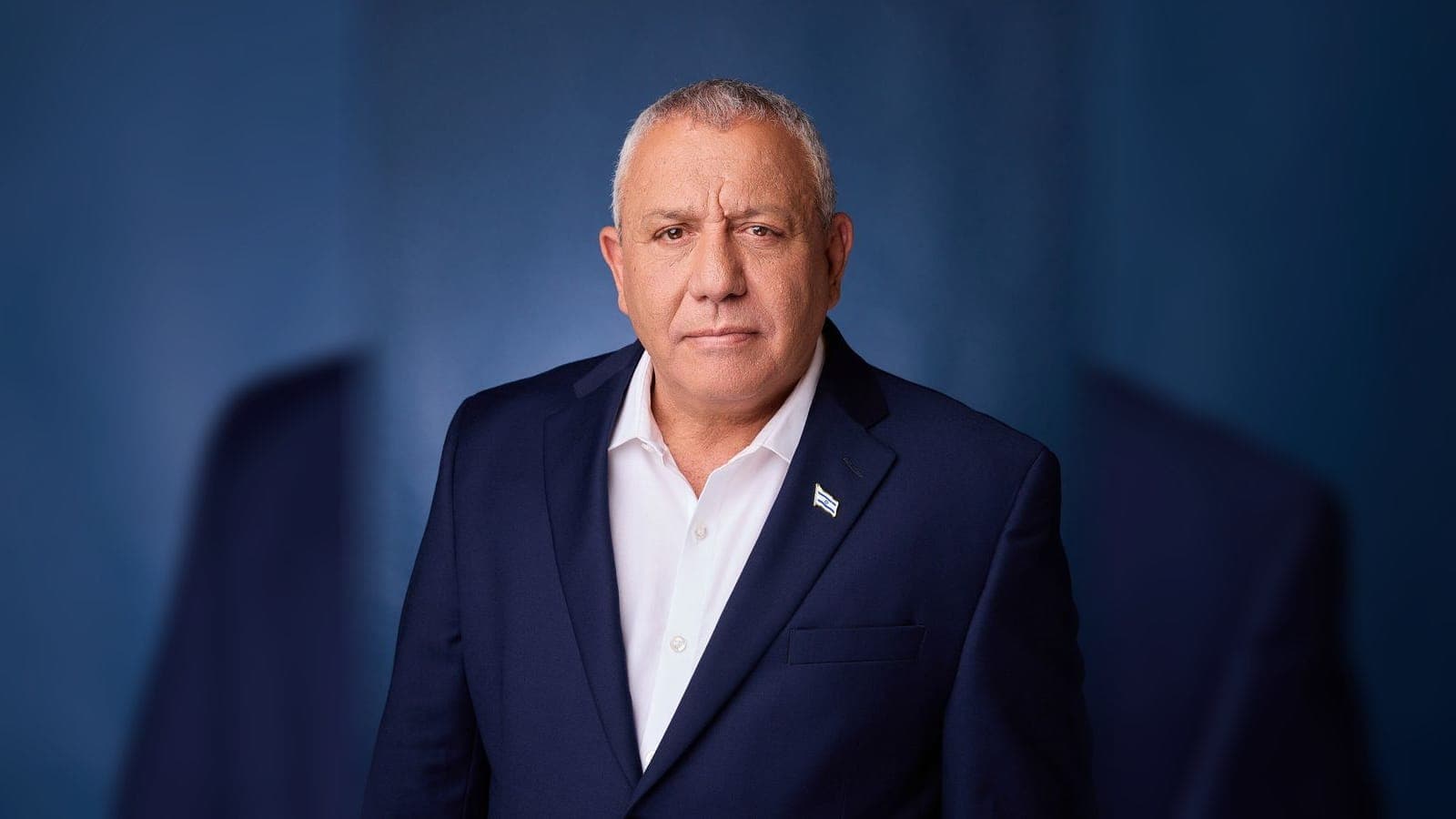
צילום ארכיון
בחירות
איזנקוט: המדגמים מראים הכרעה לשינוי, נתניהו צריך להתפטר ולפרוש מהפוליטיקה
צילום ארכיון
בחירות
גוש השינוי שוקל להחליף את יו"ר הכנסת כבר בטקס ההשבעה
צילום ארכיון
ביטחון
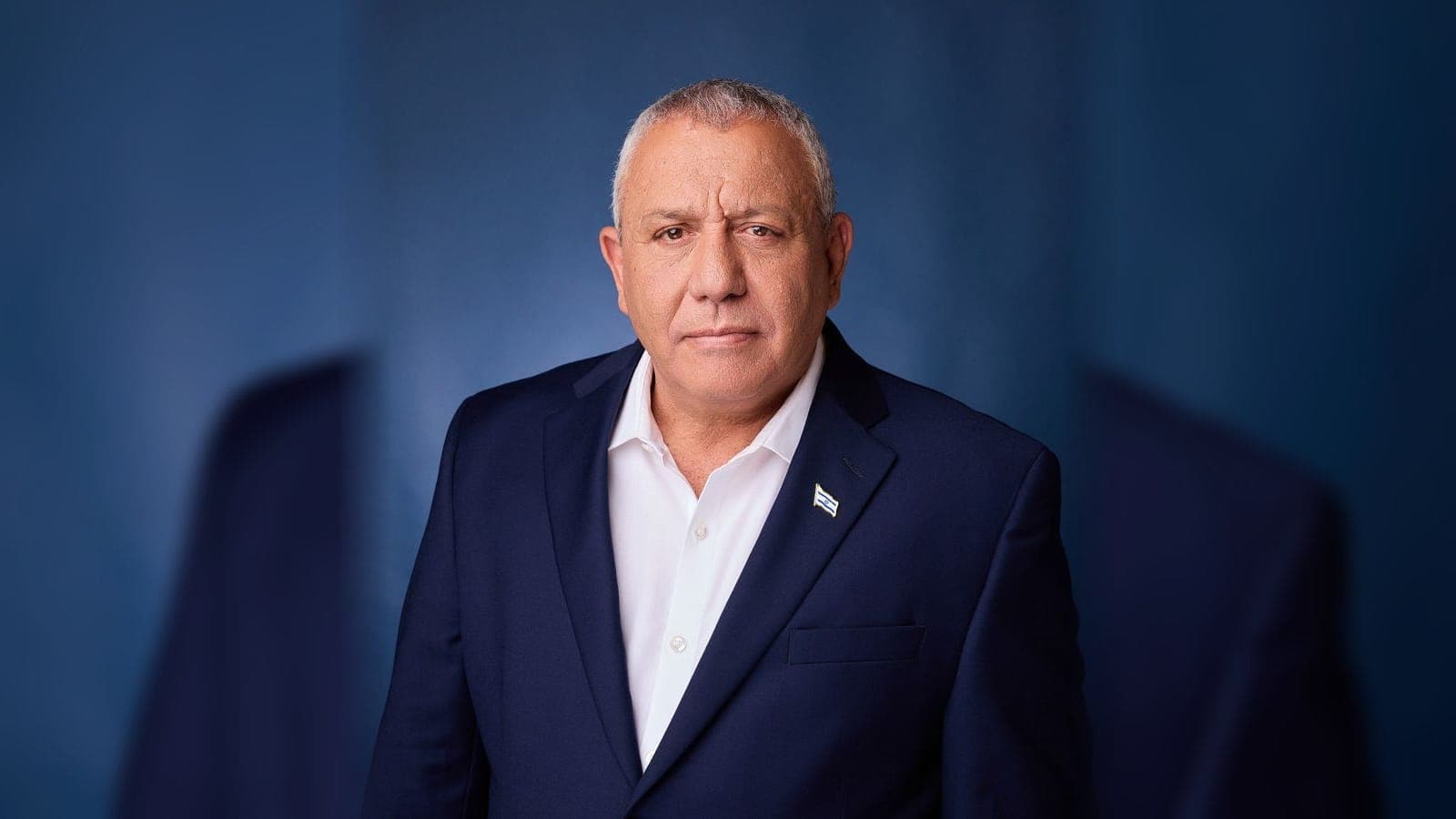
השב"כ ייקח אחריות על אבטחת גדי איזנקוט, באמצעות מאבטחים בהכוונת יחידה 730

איור
בחירות
הבורסה בתל אביב מעמיקה את הירידות, מדד ת"א 125 נופל ב-3% על רקע תוצאות הבחירות
מקורות וקריאה נוספת
פתחנו ובדקנו כל קישור כאן בזמן כתיבת העמוד. הודעות רשמיות מסומנות ככאלה: זו הגרסה של הגורם עצמו, לא גרסה עצמאית.
- כתבותyediothynet.co.ilYnet
- כתבותyediotht.meYnet alerts
- כתבותtoitimesofisrael.comThe Times of Israel
- כתבותtoitimesofisrael.comThe Times of Israel
- כתבותisraelhayomisraelhayom.comIsrael Hayom
- כתבותabualiexpresst.meAbu Ali Express
- כתבותamitsegalt.meAmit Segal
- כתבותamitsegalt.meAmit Segal
- כתבותnewssilt.meNews.co.il
- כתבותnewssilt.meNews.co.il
- כתבותnewssilt.meNews.co.il
איך בדקנו את זה
The 54, 49 and 17 bloc figures were reported by Ynet, The Times of Israel, Amit Segal, Abu Ali Express and Israel Hayom, though outlets differ on the share of votes counted. The party-by-party breakdown and below-threshold percentages come from Amit Segal's channel, and Netanyahu's remarks are as reported by Israel Hayom.
מדיניות המקורות והתיקונים שלנו →השבוע מישראל, במייל אחד
הכתבות שהיו חשובות, עם מקורות ובדיקה של מערכת Israel.com. חינם, פעם בשבוע, הסרה בלחיצה אחת.
רשימה אחת, הסרה בלחיצה. הפרטים במדיניות הפרטיות שלנו.

Israel.com נשאר חינמי בזכות קוראים כמוך.
מערכת החדשות של Israel.com בודקת כל ידיעה מול המקורות שלה ומפרסמת אותה בחינם. אם הידיעה עזרה לך, תמיכה בכל סכום שומרת גם את הבאה חינמית.
תשלום אחד, בלי הרשמה. סכום אחר
הכתבות האחרונות
- לפחות 10 הרוגים בהתנגשות בין רכבות מהירות במחוז טולדו בספרד
- קטאר העבירה לאיראן טיוטת הסכם חדשה ובה תוכנית של שבעה ימים לסיום המלחמה
- הפוסט שבו טראמפ זקף לזכותו את התיקו של נתניהו נחתם בהמשך בשם Irving Schwartz
- חברי כנסת מבקשים מיו"ר ועדת הבחירות ומהשב"כ לחקור חשד לקניית קולות לרע"ם
- השופט בר-עם לפרקליטות: איך אפשר להתעלם מעדות מנדלבליט על פעולות לא חוקיות
- ארה"ב הזהירה את מדינות המפרץ מפני מערכה נגד איראן אחרי בחירות האמצע, סוללת פטריוט בדרך לישראל