Netanyahu bloc at 53 seats, Eisenkot bloc at 48 as regular ballots fully counted
With about 85.6% of votes counted and only double envelopes left, Netanyahu's bloc dipped to 53 seats while the Arab parties rose to 19.
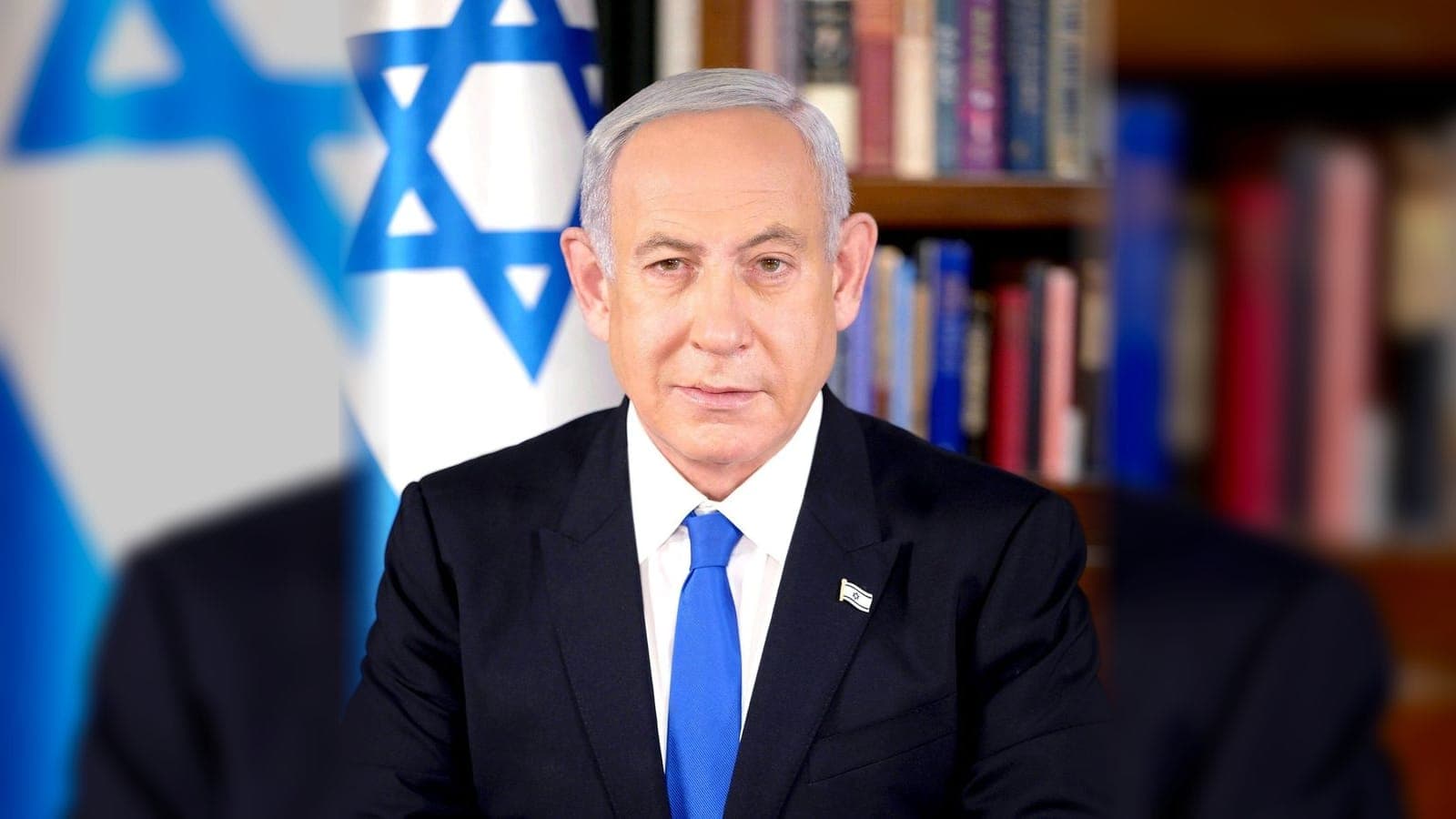
Benjamin Netanyahu. File photo by Avi Ohayon, CC BY-SA 3.0, via Wikimedia Commons.
One update since publication
- Regular ballots fully counted: Netanyahu bloc 53, Eisenkot bloc 48, Arab parties 19, double envelopes pending.The Netanyahu bloc is now put at 53 seats; the earlier figure was 54. The Eisenkot-led bloc is at 48; the earlier figure was 49. The Arab parties are at 19; the earlier figure was 17. Likud is at 26, earlier 27, and Yashar! at 21, earlier 22.
This story is being added to as it develops. Earlier text is kept below the updates rather than rewritten, so what this page said at each point is still on it.
Update, 28 October, 15:07 Israel time
With the regular ballots now fully counted and only the double envelopes outstanding, the Netanyahu bloc has slipped to 53 seats and the Eisenkot-led bloc to 48, Ynet's alerts channel reported. The Jerusalem Post gave the same bloc figures, describing a sharp rise for the Arab parties.
On his Telegram channel, Amit Segal put the count at about 85.6%, with 454,190 more votes added since his previous update. His party figures:
On the ground

With 56% of ballots counted in Israel’s election, Netanyahu’s bloc leads with 55 seats, while the opposition holds 49 and Arab-led parties 16. Likud remains the largest party with 20.7% of votes, according to partial results. 🔴 LIVE updates: aje.news/smbodj

This election, the first since Hamas’s October 7 2023 attack, is seen by many as a referendum on Prime Minister Benjamin Netanyahu’s divisive rule. However, partial results suggest neither Netanyahu nor his rivals have a simple path to form a government ft.com/content/4f1227…
- Likud: 26, down one
- Yashar!: 21, down one
- Joint List: 12, up one
- Together: 12
- The Democrats: 8
- Ra'am: 7, up one
- Yisrael Beytenu, United Torah Judaism, Otzma Yehudit and Shas: 7 each
- Religious Zionism and Identity: 6
The Reservists and Economic list stood at 2.63% and Amcha Yisrael at 1.61%, both still under the threshold, according to Segal. N12 correspondent Adva Dadon reported the same Likud, Yashar!, Joint List and Together figures and the same bloc picture after all regular envelopes were counted.
Abu Ali Express put the Arab parties at 19 seats at the 85.6% mark. News.co.il, at 85% counted, also gave 53 for the Netanyahu bloc and 19 for the Arab parties, but placed the Eisenkot bloc at 47 rather than 48. The reports do not explain that difference. None gives a timeline for counting the double envelopes.
The story as first reported
With roughly 77% of votes counted in Israel's general election, the bloc of parties backing Prime Minister Benjamin Netanyahu stood at 54 seats, against 49 for the opposing bloc led by Eisenkot, according to partial results published by Ynet on October 28, 2026. Arab parties together held 17 seats in the same tally. Likud remained the single largest party with 27 seats, ahead of Yashar! with 22.
Israel's week in five stories, every Friday
Sourced and checked by the Israel.com newsroom, with Shabbat times. Free, one-click unsubscribe.
One list, unsubscribe in a click. See our privacy policy.
Political commentator Amit Segal, posting the count on his Telegram channel, gave the same bloc figures and cautioned that further shifts were expected, noting that the so-called double envelopes had not yet been counted. Netanyahu, for his part, said after the exit polls that Likud was still the country's biggest party. He expressed gratitude to the parties in his coalition and urged the formation of a government of the right, adding that he would wait for the official tally, Israel Hayom reported.
How the parties stood at 77%
The party-by-party figures Segal published at the 77% mark were:
- Likud: 27
- Yashar!: 22
- Together (Beyachad): 12
- Joint List: 11
- The Democrats: 8
- United Torah Judaism: 7
- Yisrael Beytenu: 7
- Otzma Yehudit (Jewish Power): 7
- Shas: 7
- Ra'am: 6
- Religious Zionism and Identity: 6
In Israeli election coverage, seats are often called mandatim (mandates), the Hebrew term used in all of the Hebrew-language reports. Likud is Netanyahu's party. United Torah Judaism and Shas are ultra-Orthodox (Haredi) parties, and Otzma Yehudit and Religious Zionism sit on the nationalist right; these parties form what the reports call the current coalition. The Joint List and Ra'am are Arab parties, and the reports count them separately from both main blocs. Ra'am accounted for 6 of the 17 Arab-party seats, the Telegram news channel Abu Ali Express noted.
Next story Elections
Yashar billboards accuse Netanyahu and Magal after 'monkey' slur on Eisenkot
How the picture moved during the count
The bloc totals shifted slightly as more ballots came in. At about 70.7% of votes counted, Segal's channel showed the current coalition on 54, the change bloc on 47, the Joint List on 13 and Ra'am on 6. At that stage two lists were below the threshold for entering parliament: the Reservists and Economic list at 2.64% and Amcha Yisrael at 1.65%. The outlet News.co.il published the same 54, 47, 13 and 6 breakdown at the 70% mark.
By 77.6%, News.co.il reported that the blocs were unchanged overall but that seats had moved within them: the Joint List was down 2, Yashar! up 2, Together up 1 and Yisrael Beytenu down 1. The net effect, in the figures carried by Ynet, Segal and Abu Ali Express, was the change bloc rising to 49 and the Arab parties falling to 17, with the Netanyahu bloc holding at 54.
Where the reports differ
The reports do not agree on how much of the vote the 54, 49 and 17 figures reflect. Ynet, Segal and Abu Ali Express tie them to roughly 77% of votes counted. The Times of Israel, in a liveblog entry, attached the same seat numbers to 84% of ballots counted. An earlier Times of Israel entry, at over 76% counted, put the Netanyahu bloc at 54, the Eisenkot-led bloc at 47 and the Arab parties at 19, a split that does not match the other outlets' figures for that stage. These discrepancies are reported here as they appear; the material does not explain them.
Local results
Ynet's election map offered a few snapshots by locality. In Tel Aviv, Eisenkot was in first place. In Jerusalem, United Torah Judaism led. In Kiryat Shmona, a town in Israel's far north close to the Lebanese border, Likud took about half of the vote, a result Ynet framed against the backdrop of three years of war.
What the double envelopes are
Segal's caveat about the double envelopes refers to ballots cast outside a voter's home polling station. These are sealed in an outer envelope for identity verification and are counted after the regular ballots, which is why partial results in Israel can still shift after most of the vote has been tallied.
What the reports do not say
None of the reports gives a final result or a timeline for one, and none says how many seats the double envelopes might move. They do not say whether either bloc could form a government, or whether any party outside the two main blocs is in talks with either side. Beyond Netanyahu's remarks as reported by Israel Hayom, the material contains no statements from party leaders, including Eisenkot, and no official figures from the election authorities. The reason for the differing count percentages between outlets is also not explained.
Read next
All elections →
File photo
Elections
Eisenkot claims exit poll edge, urges Netanyahu to step down and quit politics
File photo
Elections
Israel's anti-Netanyahu bloc weighs a bid to take the Knesset speakership
File photo
Security
Shin Bet to oversee Gadi Eisenkot's security through Unit 730-directed guards

File photo
Elections
Herzog urges parties to avoid another election as no bloc wins a majority
Sources and further reading
Every link below was opened and checked when this page was written. Official statements are marked as such: they are the subject's own account, not an independent one.
- Reportingyediothynet.co.ilYnet
- Reportingyediotht.meYnet alerts
- Reportingtoitimesofisrael.comThe Times of Israel
- Reportingtoitimesofisrael.comThe Times of Israel
- Reportingisraelhayomisraelhayom.comIsrael Hayom
- Reportingabualiexpresst.meAbu Ali Express
- Reportingamitsegalt.meAmit Segal
- Reportingamitsegalt.meAmit Segal
- Reportingnewssilt.meNews.co.il
- Reportingnewssilt.meNews.co.il
- Reportingnewssilt.meNews.co.il
- Reportingyediotht.meYnet alerts
- Reportingjpostjpost.comThe Jerusalem Post
- Reportingabualiexpresst.meAbu Ali Express
- Reportingabualiexpresst.meAbu Ali Express
- Reportingamitsegalt.meAmit Segal
- Reportingnewssilt.meNews.co.il
- Reportingkeshett.meN12
How we checked this
Ynet, The Jerusalem Post, N12, Amit Segal and Abu Ali Express agree on 53 and 48 seats; News.co.il alone gives 47 for the Eisenkot bloc. No official figures from the election authorities appear in the reports.
Our sourcing and corrections policy →The week from Israel, in one email
The stories that mattered, sourced and checked by the Israel.com newsroom. Free, weekly, one-click unsubscribe.
One list, unsubscribe in a click. See our privacy policy.

Israel.com is free, and readers like you keep it that way.
The Israel.com newsroom checks every story against its sources and publishes it free. If this one helped, a contribution of any size keeps the next one free too.
One payment, nothing to sign up for. Another amount
Latest
- Six arrested in Judea operation after Hebron attack that killed two soldiers
- Tel Aviv shares deepen losses as TA-125 falls 3% on election results
- High-speed trains collide in Spain's Toledo province, at least 10 dead
- Qatar hands Iran a new draft deal with a seven-day plan to end the war
- Trump post crediting him for Netanyahu tie was later signed Irving Schwartz
- Lawmakers ask election chief and Shin Bet to probe Ra'am vote-buying claim