Vance writes to Iran's Rezaei on talks as Trump denies directing outreach
JD Vance reportedly wrote to Iranian official Mohsen Rezaei to revive talks, but Trump denies ordering a peace outreach as the US warns Gulf states.
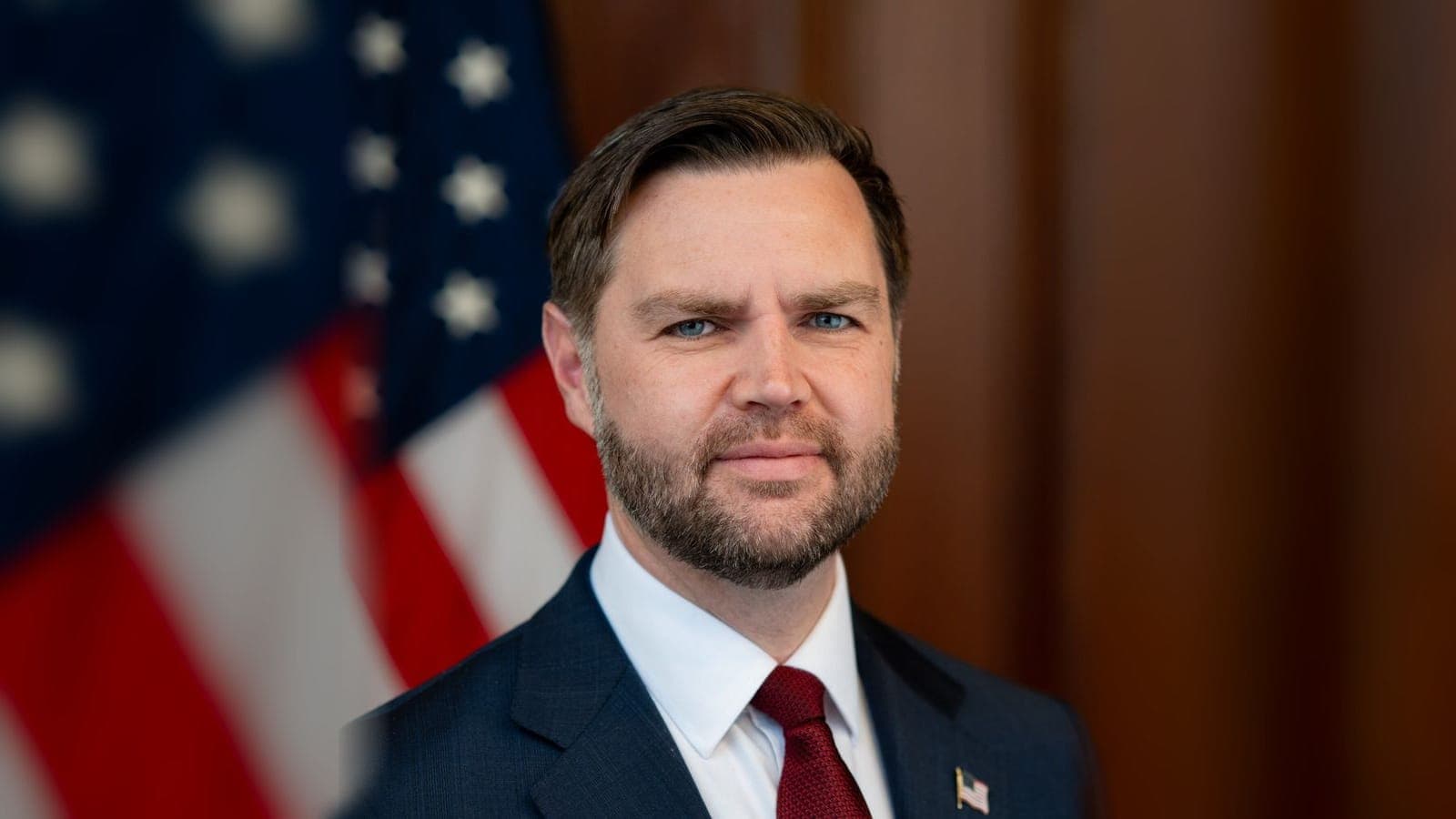
JD Vance. צילום ארכיון: Emily J. Higgins, נחלת הכלל, מתוך ויקישיתוף.
עדכון אחד מאז הפרסום
- Trump denies directing peace outreach to Iran, Ynetnews reports, contradicting the earlier account of the Vance letter.The article reported, via Ynet citing The Wall Street Journal, that the letter was sent at Trump's direction; Ynetnews now reports that Trump denies directing the outreach.
הכתבה הזאת מתעדכנת בזמן שהאירוע מתפתח. הטקסט המוקדם נשמר מתחת לעדכונים ולא נכתב מחדש, כך שמה שהעמוד אמר בכל שלב עדיין נמצא בו.
הכתבה המלאה עדיין לא נכתבה בעברית, ולכן היא מובאת כאן באנגלית.
Update, 29 October, 06:07 Israel time
President Donald Trump has denied that he directed a peace outreach to Tehran, according to Ynetnews, in its English-language report on the Vance letter. That denial sits against the earlier account, carried by Ynet in Hebrew and attributed to The Wall Street Journal, that the vice president wrote to Mohsen Rezaei on the president's instructions. The reports do not reconcile the two versions, and it is not clear from the material whether Trump was disputing the letter itself, his role in it, or its description as a peace initiative.
The same Ynetnews report describes the approach as a quiet diplomatic channel opened while Washington readies for possible strikes, and says the United States has warned Gulf states to prepare for a potential new military campaign. It characterises Rezaei as a powerful ally of Iran's supreme leader.
מהשטח

🔴 BREAKING: US Vice President JD Vance sent a letter to Iran’s security chief Mohsen Rezaei in a bid to revive peace negotiations, the Wall Street Journal reports, citing US officials and people familiar with the matter.


In Washington's most senior-level outreach to Tehran in months, US Vice President JD Vance told Iranian security chief Mohsen Rezaei that talks to avert US strikes must address the nuclear issue. ✍️ @ariella_roitman jpost.com/middle-east/ir…
The Times of Israel has also reported the contact, describing Rezaei as a top Iranian security official and framing the letter as an effort to revive peace talks. Its report, as received, does not add new detail on the content of the letter, how it was delivered, or any response from Tehran.
Neither new report quotes the White House beyond the reported denial, and the Iranian government has still not been quoted on whether the letter was received.
The story as first reported
US Vice President JD Vance sent a letter to Mohsen Rezaei, a senior figure in Iran's security establishment, in what was described as an attempt to restart negotiations between Washington and Tehran. According to N12 diplomatic correspondent Barak Ravid, citing a senior American official speaking to Channel 12 News, Vance stressed in the letter that "any negotiation requires discussion of the nuclear issue." The Jerusalem Post also reported the letter, carrying the same message about the nuclear file.
השבוע בישראל בחמש ידיעות, בכל יום שישי
עם מקורות ובדיקה של מערכת Israel.com, ועם זמני השבת. חינם, והסרה בלחיצה אחת.
רשימה אחת, הסרה בלחיצה. הפרטים במדיניות הפרטיות שלנו.
Ynet, citing The Wall Street Journal, reported that the letter was sent at the direction of President Donald Trump, and that its purpose was to test whether the two sides could find common ground that would prevent a return to fighting. Ravid reported that the letter is the most senior direct approach from the United States to Iran in several months, and that it was sent while Trump is considering resuming extensive military operations in Iran after the US midterm elections.
Who Mohsen Rezaei is
The reports describe the recipient in slightly different terms. N12 identifies Rezaei as the secretary of Iran's Supreme National Security Council. Ynet describes him as a confidant of Khamenei, Iran's supreme leader, and as belonging to the hawkish camp in Tehran. The two descriptions are not contradictory, but they emphasise different things: one his formal post, the other his political alignment and proximity to the country's highest authority.
The Supreme National Security Council is the body in the Islamic Republic that coordinates defence, security and foreign policy decisions at the top of the state. Its secretary acts as a central point of contact on national security matters, which helps explain why a message about possible negotiations would be addressed to that office rather than to the foreign ministry alone.
הכתבה הבאה ביטחון
טראמפ בעצרת: ארה"ב "עשויה לעשות עוד Epic Fury קטן" נגד איראן
The backdrop: reports of US military planning
The letter was reported against a backdrop of preparation for possible military action. Ynet noted that the report about the letter came one day after The Wall Street Journal said Washington was preparing for a "short and intensive" campaign against Tehran, and that the United States had already informed Gulf states. Ynet's framing, which speaks of preventing a renewal of fire, indicates that the current period follows earlier hostilities, though the reports here do not describe them.
Ravid's reporting ties the timing to American domestic politics. Trump, he reported, is weighing a broad resumption of military operations in Iran once the US midterm elections are over. A photograph published alongside The Jerusalem Post report shows Vance speaking at a midterm campaign rally in Kinston, North Carolina, on October 28, 2026.
Why the nuclear issue matters here
The one line attributed to the letter itself, that any negotiation must include the nuclear question, signals that Washington is not offering talks on a narrower agenda. Iran's nuclear programme has long been the central point of dispute between the two countries, and it is also a core security concern for Israel, which views a nuclear-capable Iran as a direct threat. For Israeli readers and those following the region, the significance is that the United States is pairing a diplomatic opening with an explicit condition on the issue Israel considers most pressing, while at the same time reportedly preparing a military option.
The choice of sender is also notable. A letter from the vice president, rather than from a diplomat or envoy, raises the level of the approach, which is consistent with Ravid's description of it as the most senior direct US contact with Iran in months.
What the reports do not say
None of the reports publishes the full text of the letter, and only a single sentence from it has been quoted, through an unnamed senior American official. The reports do not say when exactly the letter was sent, how it was delivered, or whether it passed through an intermediary. There is no indication in the material of whether Rezaei or anyone else in Tehran has received it, read it or responded. The reports also do not say what other terms, if any, the letter set out beyond the nuclear issue, what deadline might apply, or how the reported military planning and the diplomatic approach are meant to relate to each other. The White House and the Iranian government are not quoted in any of the reports.
להמשך קריאה
למדור פוליטיקה →
צילום ארכיון
ביטחון
נתניהו מכחיש את הדיווח ב"פייננשל טיימס" שטראמפ עצר תקיפה באיראן
צילום ארכיון
ביטחון
טראמפ: "אני אישית מאמין" שאיראן עומדת מאחורי הפיגוע בטיסת flydubai
צילום ארכיון
פוליטיקה
משרד המשפטים אישר את החיפוש בביתה של אילהאן עומאר, טראמפ מכחיש מעורבות
צילום ארכיון
ביטחון
זלנסקי קושר את התקיפה בזפוריז'יה לעסקת הסולר של טראמפ עם רוסיה
מקורות וקריאה נוספת
פתחנו ובדקנו כל קישור כאן בזמן כתיבת העמוד. הודעות רשמיות מסומנות ככאלה: זו הגרסה של הגורם עצמו, לא גרסה עצמאית.
- כתבותyediothynet.co.ilYnet
- כתבותjpostjpost.comThe Jerusalem Post
- כתבותkeshett.meN12
- כתבותkeshett.meN12
- כתבותyediothynetnews.comYnetnews
- כתבותtoitimesofisrael.comThe Times of Israel
איך בדקנו את זה
The letter is reported by several outlets, all relying on The Wall Street Journal or an unnamed US official; its text is unpublished. Whether Trump directed it is disputed, and Tehran has not commented.
מדיניות המקורות והתיקונים שלנו →השבוע מישראל, במייל אחד
הכתבות שהיו חשובות, עם מקורות ובדיקה של מערכת Israel.com. חינם, פעם בשבוע, הסרה בלחיצה אחת.
רשימה אחת, הסרה בלחיצה. הפרטים במדיניות הפרטיות שלנו.

Israel.com נשאר חינמי בזכות קוראים כמוך.
מערכת החדשות של Israel.com בודקת כל ידיעה מול המקורות שלה ומפרסמת אותה בחינם. אם הידיעה עזרה לך, תמיכה בכל סכום שומרת גם את הבאה חינמית.
תשלום אחד, בלי הרשמה. סכום אחר
הכתבות האחרונות
- Ra'am climbs to 8 seats and Joint List slips to 11 with 91% of votes counted
- Israeli businessman, 48, found dead in Addis Ababa restaurant restroom
- הקואליציה בהובלת סעודיה מדווחת על יירוט טיל בליסטי של החות'ים מתימן
- גוש נתניהו נשאר על 53 מנדטים מול 48 לגוש איזנקוט אחרי ספירת 90.4% מהקולות
- ועדת הבחירות החלה לספור עד 480 אלף קולות במעטפות כפולות
- נתניהו שוחח עם בן גביר וסמוטריץ', ועדיין לא עם ראשי המפלגות החרדיות